Arizona Medical Marijuana: A Complete Guide for Patients
Written by YiQiu Hu, NMD
Arizona-licensed naturopathic physician and concierge medicine provider
Published July 2026 | Medically reviewed July 2026
Medical marijuana has become an increasingly common part of symptom management for patients living with chronic pain, cancer, post-traumatic stress disorder, severe nausea, muscle spasms, and other qualifying medical conditions.
However, obtaining an Arizona medical marijuana card involves more than simply requesting approval. A physician must review your medical history, confirm that you have a qualifying condition, assess whether medical marijuana may provide therapeutic or palliative benefit, and discuss the potential risks and limitations of treatment.
This guide explains how Arizona’s medical marijuana program works, who may qualify, what to expect during a medical evaluation, and how to approach cannabis use as safely and responsibly as possible.
This article is intended for general education and does not replace an individualized medical evaluation or legal advice. Arizona laws and administrative requirements can change. Patients should confirm current requirements with the Arizona Department of Health Services.
Medical marijuana refers to cannabis used with the goal of relieving symptoms associated with a diagnosed medical condition. The cannabis plant contains many naturally occurring compounds known as cannabinoids. The two most familiar are tetrahydrocannabinol, or THC, and cannabidiol, or CBD.
THC is responsible for many of marijuana’s psychoactive effects. Depending on the dose and individual response, it may also affect pain perception, nausea, appetite, sleep, and muscle tension.
CBD does not usually produce the same intoxicating effects as THC. It may still affect the nervous system, interact with medications, and cause side effects.
Medical marijuana products can differ substantially in their THC concentration, CBD concentration, method of administration, onset of effect, and duration. These differences are important because a product that is appropriate for one patient may be poorly tolerated by another.
Is Medical Marijuana Legal in Arizona?
Arizona permits both medical marijuana and adult recreational marijuana under state law. However, the medical program remains separate and requires registration through the Arizona Department of Health Services.
A registered qualifying patient may receive certain protections and medical-program privileges that do not necessarily apply to recreational consumers. A medical card does not authorize marijuana use everywhere, excuse impaired driving, override every workplace policy, or eliminate federal legal restrictions.
Arizona law allows licensed medical, osteopathic, naturopathic, and homeopathic physicians to provide written certifications when the statutory requirements are satisfied. The certification must be completed within a legitimate physician-patient relationship after an appropriate assessment of the patient’s medical history. Arizona Revised Statutes §36-2801
What Is Medical Marijuana?
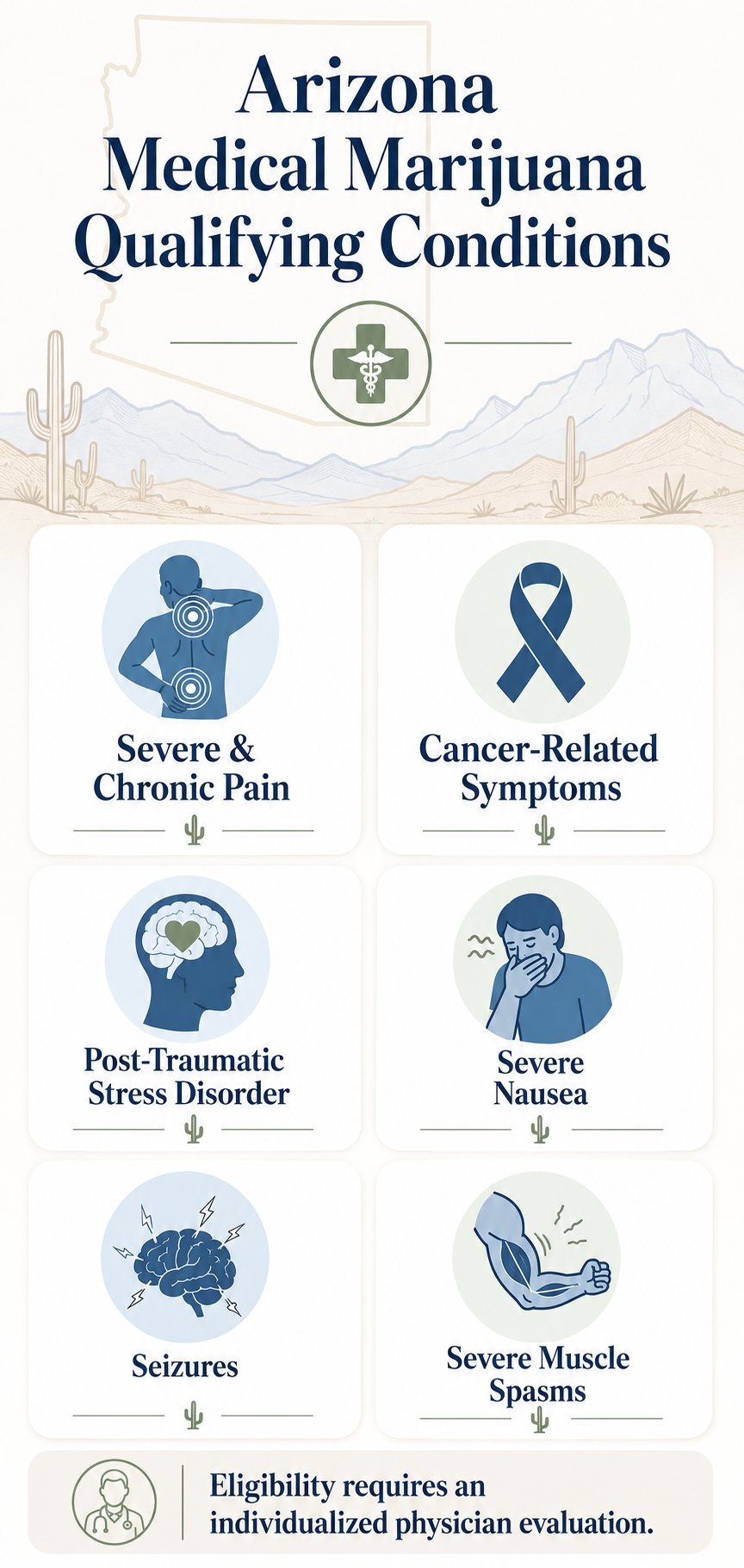
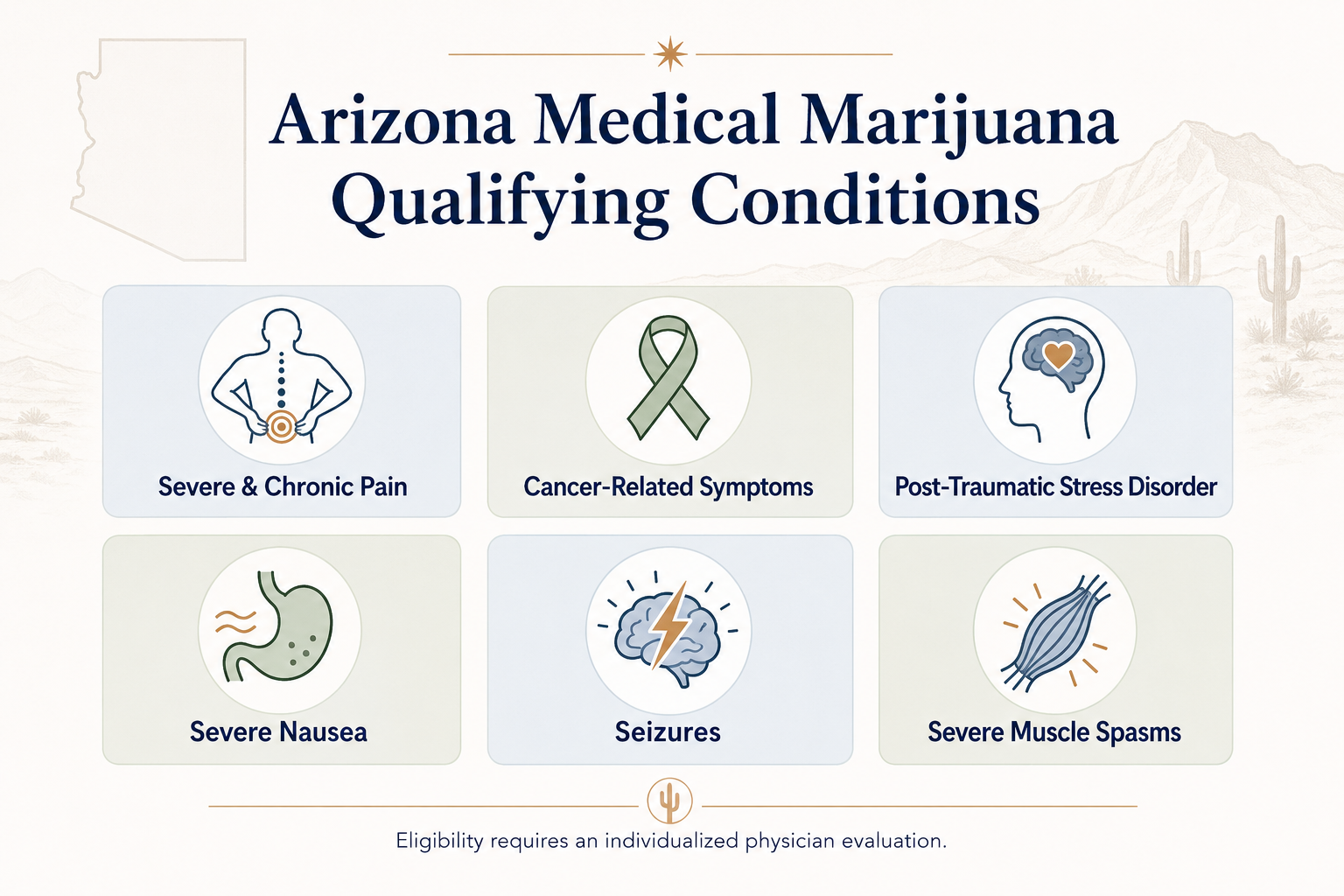
A patient must have a diagnosed debilitating medical condition recognized by Arizona law or subsequently approved by the Arizona Department of Health Services.
Qualifying diagnoses and circumstances include:
Cancer
Glaucoma
HIV-positive status
Acquired immune deficiency syndrome, or AIDS
Hepatitis C
Amyotrophic lateral sclerosis, or ALS
Crohn’s disease
Agitation associated with Alzheimer’s disease
Post-traumatic stress disorder, or PTSD
Treatment of certain listed conditions
A patient may also qualify when a chronic or debilitating disease, its symptoms, or its treatment produces one or more of the following:
Cachexia or wasting syndrome
Severe and chronic pain
Severe nausea
Seizures, including those associated with epilepsy
Severe and persistent muscle spasms, including those associated with multiple sclerosis
Arizona’s statutory definitions are available in A.R.S. §36-2801. Because the qualifying list and administrative rules can change, patients should also consult the current Arizona Department of Health Services Medical Marijuana Program.
A diagnosis does not automatically guarantee certification
Having a medical diagnosis does not necessarily mean that medical marijuana is appropriate or that certification must be issued.
The physician must determine that:
The patient’s condition satisfies Arizona’s requirements.
The diagnosis can be confirmed through available medical information.
An appropriate physician-patient relationship has been established.
The patient is likely to receive therapeutic or palliative benefit.
The potential benefits reasonably outweigh the foreseeable risks for that patient.
If documentation is incomplete, the physician may need additional records, testing, an examination, or information from a treating specialist before reaching a decision.
What Is a Medical Marijuana Certification?
A medical marijuana certification is not a conventional prescription. Marijuana products are not prescribed and dispensed in the same manner as FDA-approved prescription medications.
Instead, a qualifying physician completes a written certification stating that the patient has a debilitating medical condition and may receive therapeutic or palliative benefit from medical marijuana.
The patient then uses that certification as part of an application submitted to the Arizona Department of Health Services. The physician does not issue the state card and cannot guarantee that an application will be approved.
What Does the Physician Evaluate?
A responsible medical marijuana assessment should involve more than checking a diagnosis on a form.
The physician may review:
Your current symptoms and their severity
The duration and progression of your condition
Relevant medical records
Imaging, laboratory testing, or specialist reports
Previous and current treatments
Prescription medications and supplements
Allergies and previous adverse drug reactions
Mental health history
Cardiovascular and neurologic history
Pregnancy or breastfeeding status
History of substance misuse or cannabis dependence
Your occupation and safety-sensitive responsibilities
Your treatment goals and expectations
Arizona’s current rules require a physician’s certification to be based on an established medical record, an appropriate examination, and review of relevant medical history. Certification is a clinical determination, not an automatic administrative service.
What Should I Bring to My Evaluation?
Patients should provide as much relevant information as possible, including:
A government-issued photo ID
Medical records documenting the qualifying condition
Recent specialist notes
Imaging or laboratory results when applicable
A current medication and supplement list
Records of previous treatments
Details about prior cannabis use and any adverse reactions
Information about allergies and relevant medical history
Records are particularly important when the condition cannot be confirmed during a single visit. Examples may include cancer pathology reports, neurologic evaluations, gastrointestinal records, imaging, or documentation showing the history and severity of chronic pain.
Who Qualifies for Medical Marijuana in Arizona?
How Do I Apply for an Arizona Medical Marijuana Card?
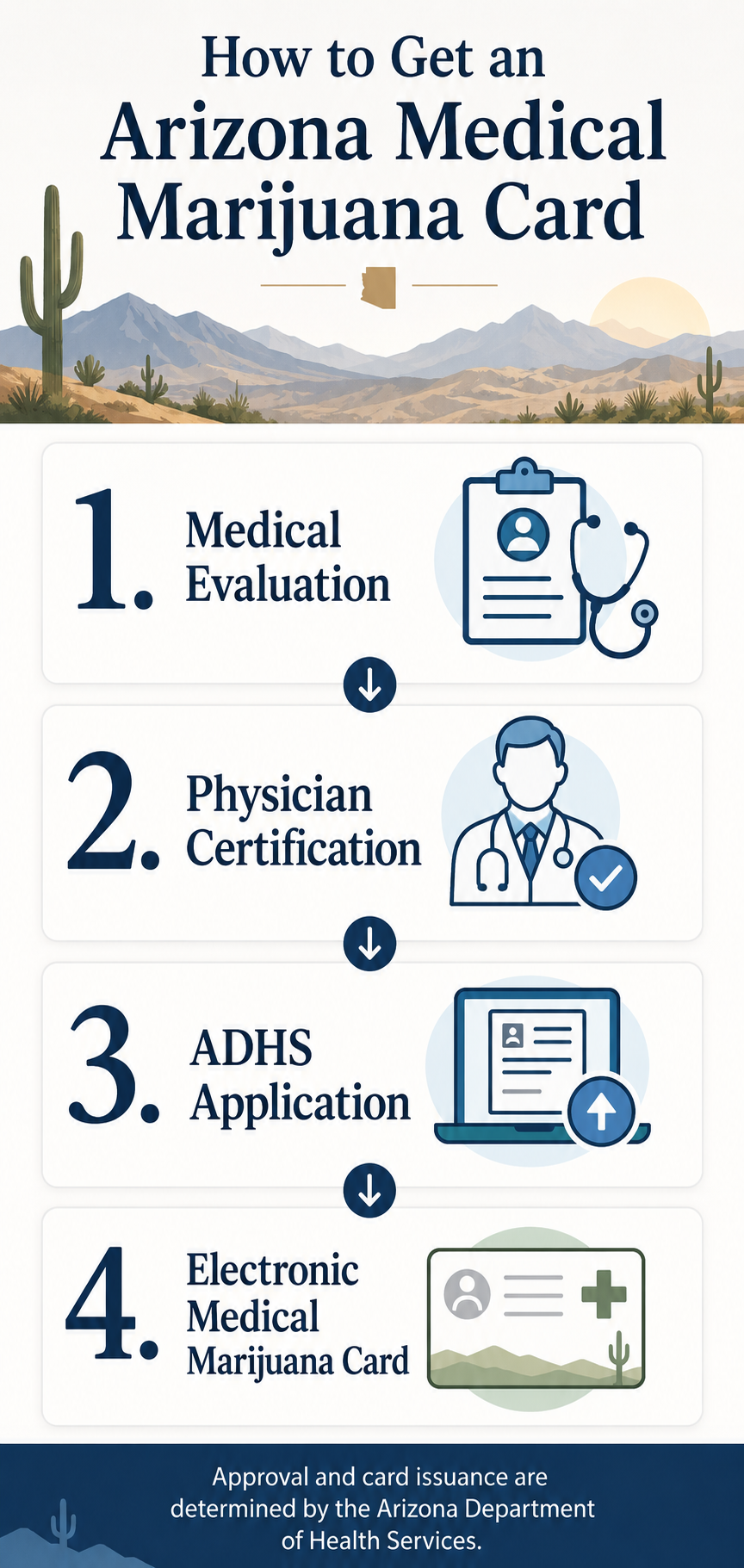
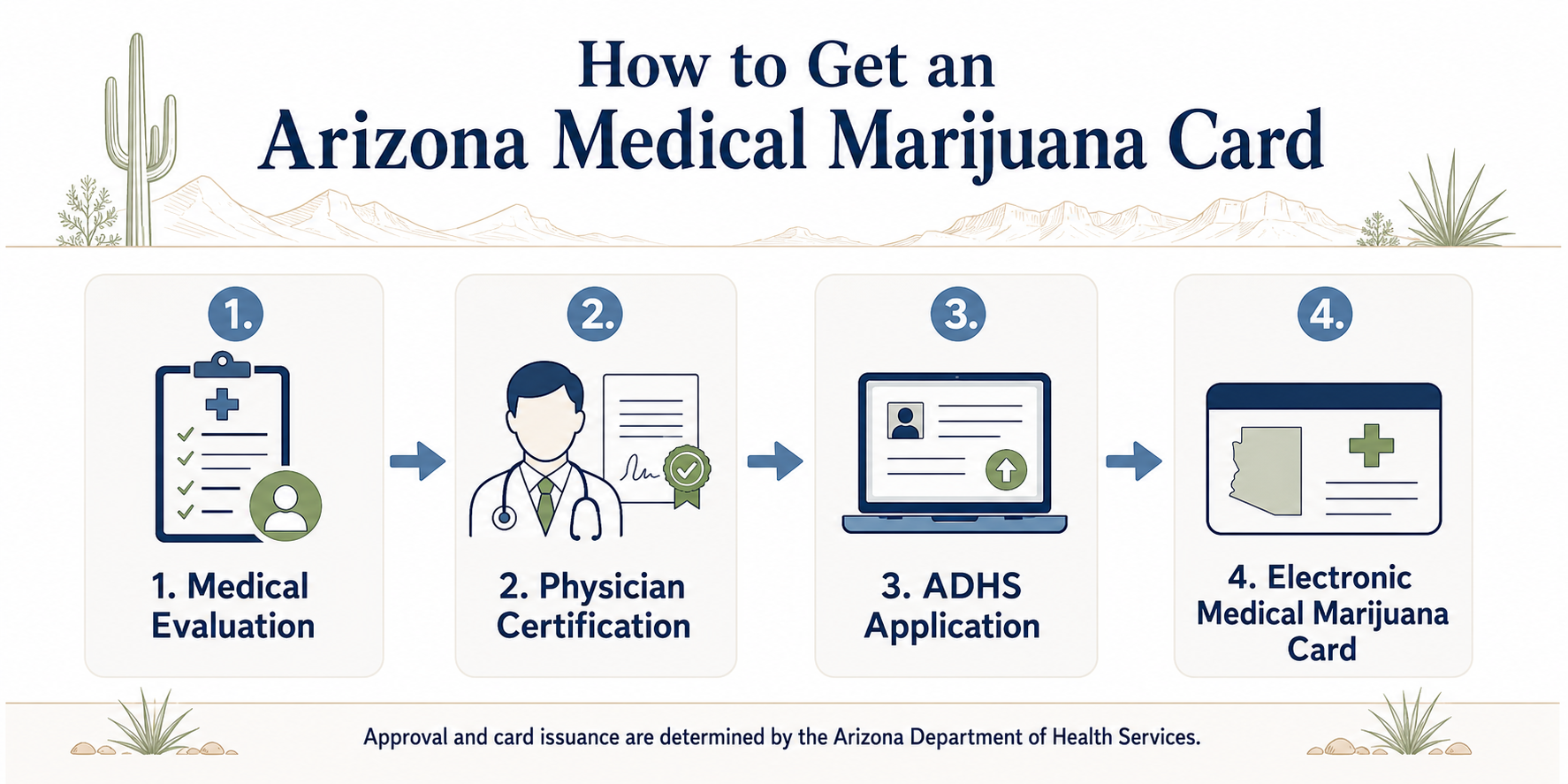
Although individual circumstances vary, the general process is:
1. Complete a medical evaluation
Meet with an Arizona-licensed qualifying physician who will review your condition, medical history, treatments, and possible contraindications.
2. Obtain written certification
If the physician determines that you satisfy the legal and clinical requirements, the physician completes the required certification.
3. Prepare the state application
You may need your physician certification, identifying information, an acceptable photograph, proof of Arizona residency, signed attestations, and the applicable state fee.
4. Submit the application to ADHS
Applications are processed through the Arizona Department of Health Services’ licensing system. The certification generally must be recent when the application is submitted, so patients should avoid unnecessary delays.
5. Receive and maintain your electronic card
If approved, the patient receives access to an electronic registry identification card. Patients should keep the card accessible when obtaining or possessing medical marijuana.
The official application portal and current instructions are available through the ADHS Bureau of Marijuana Licensing.
How Long Does an Arizona Medical Marijuana Card Last?
Arizona medical marijuana cards are generally issued for a limited registration period and must be renewed to remain active. Renewal is not automatic.
A renewal typically requires:
A new or updated medical evaluation
Current physician certification
Updated patient information
A new application through ADHS
Payment of the applicable state fee
Patients should begin the renewal process before the existing card expires. Current Arizona administrative rules advise submitting renewal materials at least 30 days before expiration.
Because state fees, registration periods, forms, and submission procedures can change, check the ADHS website rather than relying on older online instructions.
How Much Marijuana May a Registered Patient Possess?
Under Arizona’s medical marijuana law, the allowable amount for a qualifying patient is generally up to two and one-half ounces of usable marijuana. Arizona’s dispensing system tracks purchases over the applicable period.
Some patients may receive authorization to cultivate up to 12 plants if they meet the state’s requirements, including applicable distance requirements from an operating dispensary. Cultivation must comply with state rules and generally occur in an enclosed, locked facility. Arizona Revised Statutes §36-2801
Possession allowances should not be interpreted as recommended medical doses. Most patients require far less than the maximum legally allowable amount.
How Is Medical Marijuana Used?
Cannabis products are available in several forms, including:
Dried flower
Vaporized products
Edibles
Tinctures
Capsules
Concentrates
Topical preparations
Each route has a different onset and duration.
Inhaled cannabis
Inhaled products often take effect within minutes and may wear off sooner than oral products. Inhalation can irritate the lungs, and smoking exposes the respiratory system to combustion products.
Edible cannabis
Edibles usually have a slower and less predictable onset. Effects may take one to several hours to become fully apparent and can last considerably longer than inhaled cannabis.
One of the most common mistakes is taking another dose before the first dose has reached its full effect. This can lead to severe intoxication, anxiety, vomiting, confusion, or prolonged impairment.
Tinctures and capsules
These products may offer more measurable dosing, but absorption and response can still vary among patients. The concentration of THC and CBD should always be reviewed carefully.
Topical products
Topicals are applied to the skin. Their absorption and psychoactive effects depend on the formulation. Patients should not assume that every topical is non-intoxicating.
Potential Therapeutic Uses
Some patients report improvement in symptoms such as:
Chronic pain
Neuropathic pain
Severe nausea
Poor appetite
Muscle spasms
Sleep disruption related to pain
Certain PTSD-related symptoms
Symptoms associated with serious or life-limiting illnesses
However, individual responses vary. Medical marijuana may reduce symptoms without correcting the underlying cause of the condition.
Research remains stronger for some uses than others, and many commercially available products have not been evaluated with the same standardized clinical trials required for FDA-approved medications. Patients should be cautious about claims that cannabis can cure cancer, reverse neurologic disease, or replace all conventional care.
What Are the Risks and Side Effects?
Possible side effects include:
Dizziness
Drowsiness
Dry mouth
Increased appetite
Impaired coordination
Slower reaction time
Difficulty concentrating
Short-term memory impairment
Increased heart rate
Changes in blood pressure
Anxiety or panic
Paranoia
Nausea or vomiting
Dependence or problematic use
High-THC products are more likely to cause intoxication, anxiety, disorientation, and impaired judgment. Older adults may have an increased risk of falls, confusion, and medication interactions.
Long-term or frequent users may develop tolerance, meaning that larger amounts are needed to obtain the same effect. Abrupt discontinuation after regular heavy use can cause irritability, sleep disturbance, reduced appetite, anxiety, or cravings.
Repeated episodes of severe nausea and vomiting may indicate cannabinoid hyperemesis syndrome, a condition associated with chronic cannabis exposure. Patients with suspected cannabinoid hyperemesis should stop cannabis and seek medical evaluation.
Who Should Use Extra Caution?
Medical marijuana may be inappropriate or require additional caution for people with:
Pregnancy or breastfeeding
A personal or strong family history of psychosis
Schizophrenia or another psychotic disorder
Poorly controlled bipolar disorder
Severe anxiety or panic triggered by cannabis
Significant cardiovascular disease
Recurrent fainting or unstable blood pressure
A history of cannabis use disorder
Active substance misuse
Cognitive impairment
A high risk of falls
Safety-sensitive employment
Medications that cause sedation or affect cognition
Cannabis exposure during pregnancy and breastfeeding is not considered risk-free. Patients who are pregnant, planning pregnancy, or breastfeeding should discuss safer alternatives with an appropriate healthcare professional.
Can Medical Marijuana Interact With Medications?
Yes. Cannabis products may interact with prescription medications, nonprescription drugs, alcohol, and supplements.
Particular caution may be needed with:
Opioid pain medications
Benzodiazepines
Sleep medications
Muscle relaxants
Sedating antihistamines
Antiseizure medications
Anticoagulants
Certain antidepressants or antipsychotics
Blood-pressure medications
Alcohol
Combining cannabis with other sedating substances can worsen drowsiness, coordination, judgment, and breathing-related risk. Patients should give their physician and pharmacist a complete list of everything they take.
Can I Drive After Using Medical Marijuana?
No one should drive or operate machinery while impaired by marijuana.
An Arizona medical marijuana card does not provide permission to drive under the influence. Arizona law specifically prohibits operating or being in actual physical control of a vehicle, aircraft, or motorboat while impaired. The law also restricts marijuana use in several locations, including schools, correctional facilities, public transportation, and public places. Arizona Revised Statutes §36-2802
The duration of impairment is not identical for every patient or product. Edibles can cause effects lasting much longer than expected. If you feel intoxicated, sleepy, slowed, unsteady, or mentally altered, do not drive.
Can an Employer Restrict Medical Marijuana Use?
A medical card does not guarantee that marijuana use will be accepted in every workplace.
Employment rules may differ based on:
The employer’s written policies
Whether the position is safety-sensitive
Evidence of workplace impairment
Federal contracts or funding
Federal transportation regulations
Professional licensing requirements
The nature of the employee’s duties
Patients in healthcare, transportation, aviation, law enforcement, construction, childcare, or other safety-sensitive fields should understand their employer’s policy before using cannabis.
Medical marijuana also remains illegal under federal law. This can affect federal employment, federally regulated work, firearms, housing, immigration, travel, and other legal matters. Patients with concerns in these areas should obtain advice from a qualified attorney.
How Should Medical Marijuana Be Stored?
All cannabis products should be stored:
In their original, clearly labeled container
Away from food and ordinary candy
In a locked location
Out of sight and reach of children
Away from pets
Separate from medications belonging to other household members
Edibles can look nearly identical to candy, baked goods, or beverages. Even a small amount may cause significant toxicity in a young child.
If a child or pet may have consumed cannabis, contact Poison Control or an emergency veterinary service immediately. Call 911 for severe sleepiness, breathing difficulty, seizures, collapse, or inability to awaken.
Medical Marijuana Should Be Part of a Larger Care Plan
Medical marijuana is best considered as one potential component of care—not the entire plan.
For chronic pain, for example, an individualized plan might also include:
Identification of the source of pain
Physical therapy or rehabilitative exercise
Sleep improvement
Anti-inflammatory strategies
Weight management when appropriate
Behavioral health support
Medication review
Interventional pain treatments
Treatment of underlying metabolic or hormonal conditions
Symptom relief can be valuable, but it should not delay evaluation of unexplained pain, progressive neurologic symptoms, unintentional weight loss, gastrointestinal bleeding, new seizures, or other warning signs.
A Personalized and Responsible Approach
There is no single cannabis product, THC-to-CBD ratio, or method of administration that is ideal for every patient. Age, prior cannabis exposure, medications, mental health history, cardiovascular health, treatment goals, and the qualifying condition all affect the risk-benefit discussion.
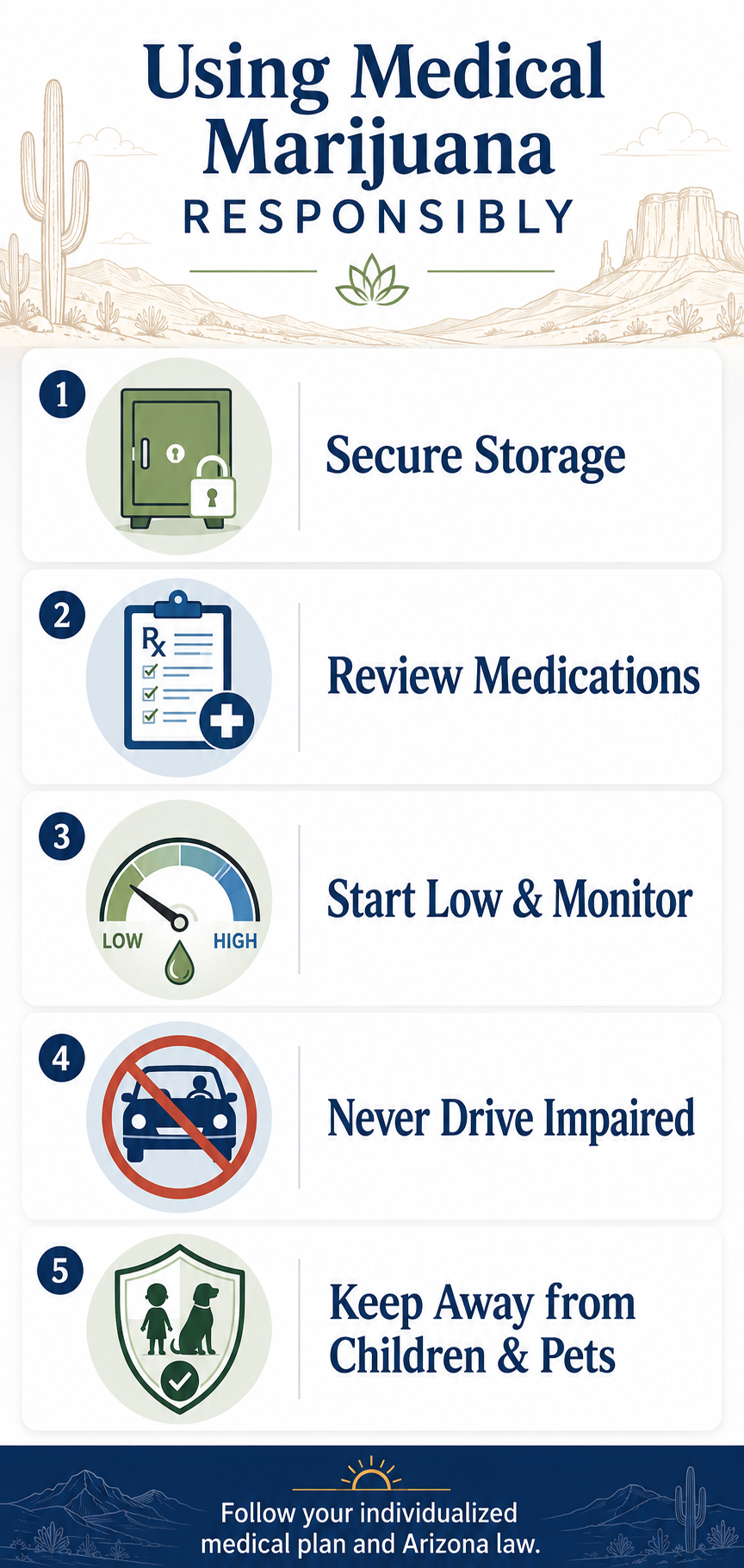
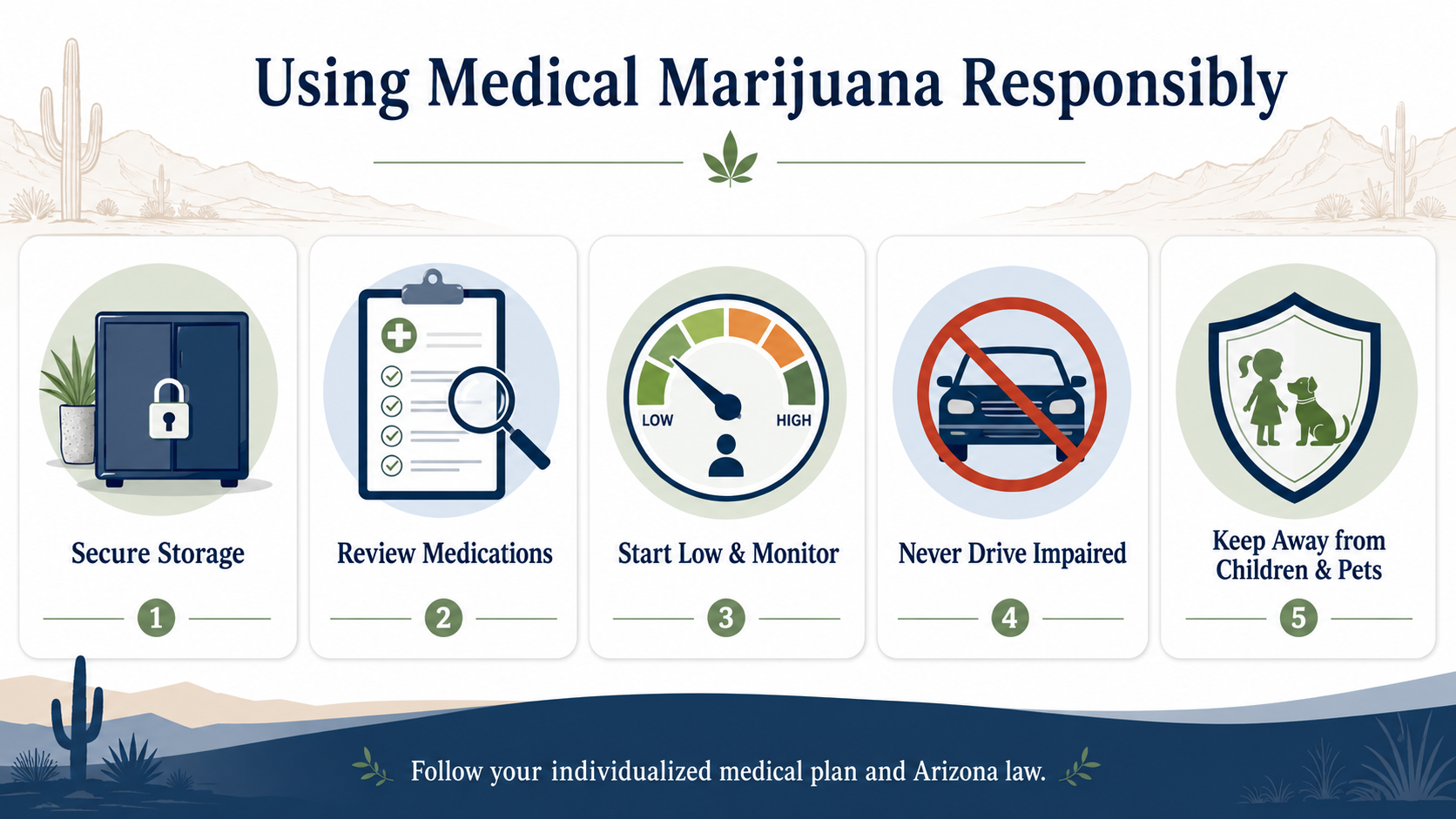
When medical cannabis is considered appropriate, a cautious approach generally emphasizes:
Clear treatment goals
The lowest effective amount
Avoiding rapid dose escalation
Careful review of THC concentration
Avoiding driving or hazardous activities
Monitoring benefits and adverse effects
Keeping cannabis securely stored
Continuing appropriate medical follow-up
The goal is not simply to obtain a card. The goal is to make a thoughtful, medically informed decision that supports symptom relief while reducing avoidable risk.
-
Medical records are strongly recommended and may be necessary to confirm your qualifying condition. The physician must be able to establish or confirm the diagnosis and complete an appropriate medical assessment before issuing certification.
-
Anxiety or depression alone should not automatically be assumed to qualify. A patient may qualify if another recognized condition is present or if a chronic or debilitating condition produces a qualifying symptom, such as severe and chronic pain or severe nausea. PTSD is a recognized qualifying condition.
-
Severe and chronic pain resulting from a chronic or debilitating medical condition or its treatment may qualify. The physician must evaluate the cause, duration, severity, documentation, previous treatment, and potential risks.
-
No. A physician must establish an appropriate physician-patient relationship and perform the assessment required by Arizona law and administrative rules. Certification should not be issued solely from a questionnaire or payment.
-
No. Driving while impaired remains prohibited. A medical marijuana card does not protect a patient who operates a vehicle while under the influence.
-
Medical marijuana products and state card expenses are generally not covered by ordinary health insurance. Patients should confirm the cost of the physician evaluation, state application fee, renewal, and dispensary products in advance.
Frequently Asked Questions
Schedule a Personalized Medical Marijuana Evaluation
Ask Dr. Hu provides individualized medical marijuana evaluations for Arizona patients. During your visit, your physician will review your medical history, qualifying condition, available records, previous treatments, medications, and relevant safety considerations.
Certification is provided only when the clinical and legal requirements are met. If additional records or evaluation are needed, we will explain the next appropriate step.