Hormone Replacement Therapy (HRT): A Complete Guide for Patients
Written by YiQiu Hu, NMD
Arizona-licensed naturopathic physician and concierge medicine provider
Published July 2026 | Medically reviewed July 2026
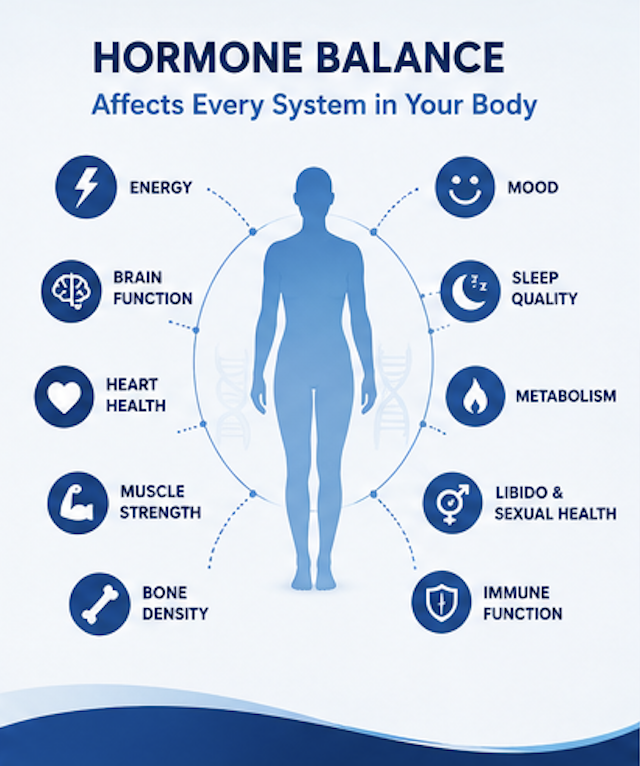
Hormones help regulate nearly every major function in the body, including energy levels, metabolism, mood, sleep, sexual health, muscle mass, bone strength, and cognitive function. As we age, or due to certain medical conditions, hormone levels may naturally decline or become imbalanced. These changes can lead to symptoms that significantly affect quality of life.
Hormone Replacement Therapy (HRT) is a personalized medical treatment designed to restore hormone levels when appropriate. Modern HRT is based on careful evaluation, laboratory testing, symptom assessment, and ongoing monitoring rather than simply treating age alone.
As a naturopathic physician providing concierge medical care throughout Arizona, I believe hormone therapy should always be individualized. The goal is not simply to normalize laboratory values, but to help patients safely improve how they feel while minimizing potential risks.
What Is Hormone Replacement Therapy?
Hormone Replacement Therapy involves replacing or supplementing hormones that the body no longer produces in adequate amounts.
Depending on the patient, treatment may include:
Testosterone
Estrogen
Progesterone
Combination therapy
Other hormone-supporting medications when appropriate
Treatment is customized based on:
Symptoms
Medical history
Age
Laboratory results
Individual health goals
Risk factors
No two patients require exactly the same treatment plan.
Why Do Hormone Levels Change?
Hormone levels naturally fluctuate throughout life.
Common causes include:
Aging
Hormone production gradually declines with age.
Examples include:
Menopause
Perimenopause
Age-related testosterone decline
Reduced DHEA production
Medical Conditions
Certain health conditions may affect hormone production, including disorders involving the thyroid, pituitary gland, adrenal glands, or reproductive organs.
Lifestyle Factors
Poor sleep, chronic stress, obesity, nutritional deficiencies, and certain medications can also influence hormone balance.
Common Symptoms of Hormone Imbalance
Symptoms vary between individuals and often develop gradually.
Possible symptoms include:
In Women
Hot flashes
Night sweats
Vaginal dryness
Pain during intercourse
Mood changes
Anxiety
Depression
Brain fog
Sleep disturbances
Reduced libido
Fatigue
Weight gain
Decreased bone density
In Men
Low libido
Erectile dysfunction
Fatigue
Reduced muscle mass
Increased body fat
Difficulty concentrating
Depression
Reduced motivation
Loss of strength
Decreased exercise recovery
Low energy
Many of these symptoms have causes other than hormone imbalance, which is why a thorough medical evaluation is essential before starting treatment.
Who May Benefit from Hormone Replacement Therapy?
HRT may be appropriate for patients experiencing symptoms related to documented hormone deficiencies or changes, after a comprehensive evaluation.
Potential candidates include:
Women experiencing menopause or perimenopause
Men with symptoms of low testosterone and confirmed low levels
Patients with surgical menopause
Individuals with premature ovarian insufficiency
Patients recovering from certain medical conditions affecting hormone production
Treatment decisions should always balance potential benefits and risks.
How Hormone Replacement Therapy Is Evaluated
A safe HRT program starts with understanding the whole patient, not just a single lab value.
A comprehensive evaluation may include:
Detailed symptom review
Medical history
Family history
Medication review
Lifestyle assessment
Physical examination (when appropriate)
Comprehensive laboratory testing
Laboratory testing may evaluate:
Testosterone
Estradiol
Progesterone
Sex Hormone Binding Globulin (SHBG)
DHEA-S
Thyroid function
Complete blood count (CBC)
Comprehensive metabolic panel (CMP)
Lipid panel
Hemoglobin A1c
PSA (for appropriate male patients)
Additional testing based on individual needs
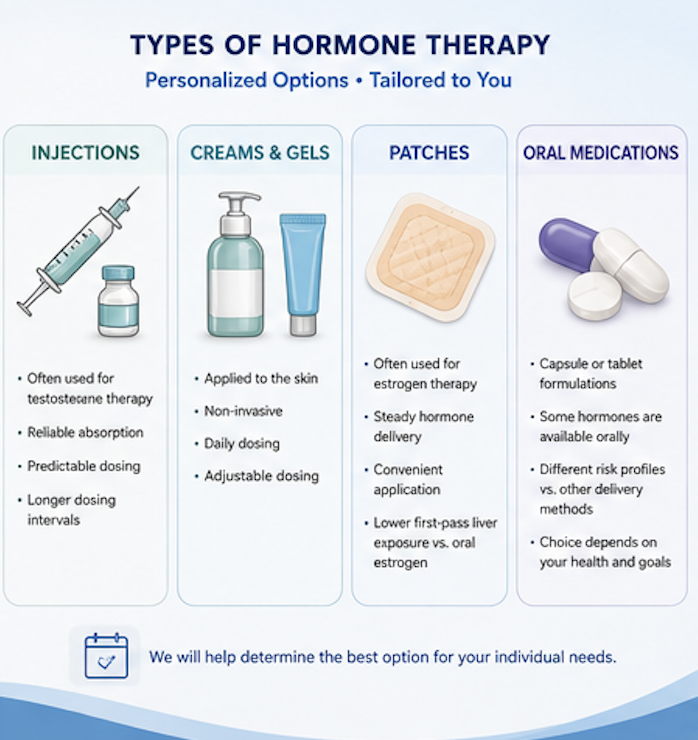
Several delivery methods are available depending on the hormone being prescribed and the patient's needs.
These may include:
Injections
Often used for testosterone therapy.
Advantages:
Reliable absorption
Predictable dosing
Longer dosing intervals
Creams and Gels
Applied directly to the skin.
Advantages:
Non-invasive
Daily dosing
Adjustable dosing
Capsules
Some hormones are available as oral medications.
Certain oral formulations may have different risk profiles compared with transdermal or injectable therapies, so the choice depends on the individual's medical history and treatment goals.
Patches
Often used for estrogen replacement.
Advantages include:
Steady hormone delivery
Convenient application
Lower first-pass liver exposure compared with oral estrogen
Potential Benefits of Hormone Replacement Therapy
When prescribed appropriately and monitored regularly, many patients report improvements in:
Energy
Sleep quality
Mood
Mental clarity
Libido
Sexual function
Muscle strength
Exercise recovery
Bone health
Overall quality of life
Results vary between individuals, and improvements often occur gradually over weeks to months.
Potential Risks and Side Effects
Like any medical treatment, HRT has potential risks and side effects.
Depending on the medication and individual factors, these may include:
Acne
Fluid retention
Breast tenderness
Mood changes
Elevated hematocrit (with testosterone therapy)
Changes in cholesterol levels
Blood clots (particularly with some estrogen formulations)
Cardiovascular considerations in selected patients
Endometrial concerns if estrogen is used without appropriate progesterone in women with a uterus
Not everyone experiences side effects, and careful monitoring helps identify and address issues early.
Ongoing Monitoring Is Essential
Hormone therapy should never be a "set it and forget it" treatment.
Regular follow-up visits may include:
Symptom review
Repeat laboratory testing
Blood pressure monitoring
Weight assessment
Medication adjustments
Screening for side effects
Preventive health recommendations
This ongoing process helps maintain both effectiveness and safety.
Lifestyle Still Matters
Hormone therapy works best when combined with healthy lifestyle habits.
Patients should continue to focus on:
Nutritious eating
Regular exercise
Quality sleep
Stress management
Weight management
Smoking cessation
Limiting alcohol intake
These habits support overall health and may improve treatment outcomes.
Types of Hormone Therapy

-
No. Medically supervised hormone replacement therapy is prescribed to restore hormones to appropriate physiologic levels when indicated. It is different from the supraphysiologic anabolic steroid use associated with athletic performance enhancement.
-
Some hormones used in HRT are bioidentical, meaning they are chemically identical to hormones naturally produced by the body. Whether a bioidentical option is appropriate depends on the patient's medical history, symptoms, and treatment goals.
-
Some patients notice improvements within a few weeks, while others require several months. The timeline depends on the hormone involved, the treatment plan, and individual response.
-
Not necessarily. Some patients use hormone therapy for a limited period, while others continue longer under medical supervision. The decision is individualized and reviewed regularly.
Frequently Asked Questions
When to Speak With a Physician
Persistent fatigue, unexplained weight changes, reduced libido, menopausal symptoms, mood changes, or declining physical performance are not always caused by hormones, but they can be signs that a comprehensive evaluation is warranted.
A physician can help determine whether hormone imbalance is contributing to your symptoms and discuss evidence-based treatment options tailored to your health goals.
Interested in Personalized Hormone Replacement Therapy?
Hormone replacement therapy should never follow a one-size-fits-all approach. At Ask Dr. Hu, every treatment plan begins with a detailed consultation, comprehensive laboratory testing, and an individualized assessment of your symptoms, medical history, and long-term health goals. Whether you're navigating menopause, low testosterone, or another hormone imbalance, we focus on safe, evidence-based care with ongoing monitoring to help you feel your best.
Ready to learn whether HRT is right for you? Contact Ask Dr. Hu to schedule a consultation and develop a personalized hormone optimization plan.