Am I a Candidate for a Medical Weight Loss Program?
Written by YiQiu Hu, NMD
Arizona-licensed naturopathic physician and concierge medicine provider
Published July 2026 | Medically reviewed July 2026


Many people struggle with losing weight despite trying healthier eating habits, regular exercise, and countless diets. If that sounds familiar, you may be wondering whether a medically supervised weight loss program could help.
The good news is that medical weight loss is designed for much more than simply helping people lose weight, it focuses on improving overall health while creating a personalized, sustainable plan based on your medical history, lifestyle, and goals.

Who May Benefit from Medical Weight Loss?
Medical weight loss may be appropriate for adults who:
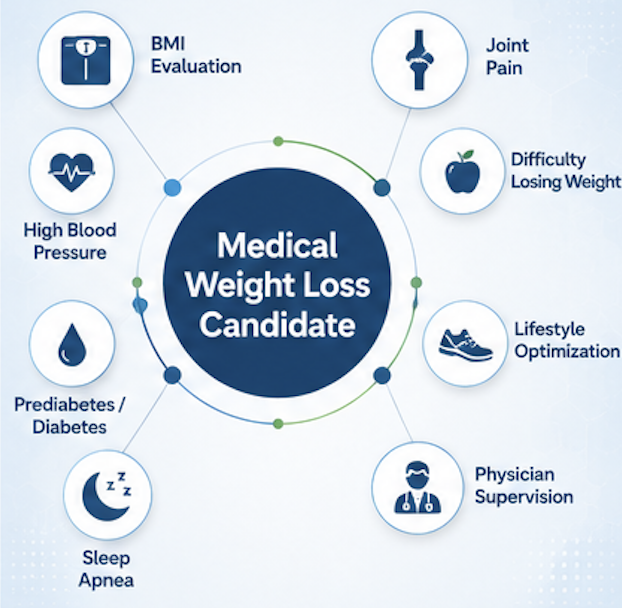
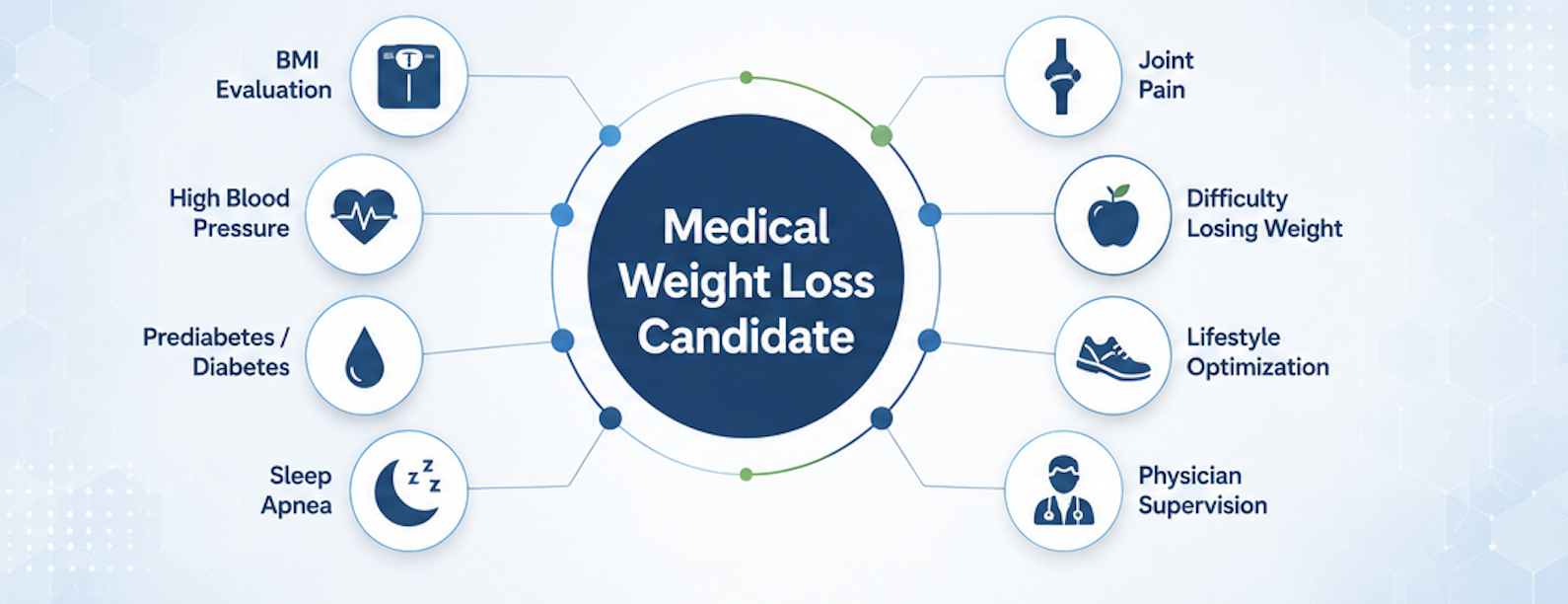
Have overweight or obesity
Have been unable to lose weight through diet and exercise alone
Frequently regain weight after dieting
Have health conditions related to excess weight
Want physician guidance instead of trying another commercial diet
Want a personalized plan based on their individual needs
Every person is different, which is why an evaluation with a healthcare provider is important before beginning treatment.
Medical Conditions That May Improve with Weight Loss
Many chronic health conditions are closely linked to excess body weight. Depending on your situation, weight loss may help improve:
High blood pressure
Prediabetes
Type 2 diabetes
High cholesterol
Fatty liver disease
Sleep apnea
Joint pain
Knee pain
Back pain
PCOS
Metabolic syndrome
Even a modest reduction in body weight can provide meaningful health benefits for many individuals.
Are Weight Loss Medications Right for Everyone?
Not necessarily.
Prescription medications, including GLP-1 medications, can be excellent tools for some patients, but they are not appropriate for everyone.
Factors your physician may consider include:
Current BMI
Existing medical conditions
Previous weight loss attempts
Current medications
Pregnancy or plans for pregnancy
Family and personal medical history
Individual treatment goals
The safest treatment plan depends on your complete medical picture rather than your weight alone.
What Happens During a Medical Weight Loss Consultation?
A physician-supervised consultation typically includes:
Review of your medical history
Current medications
Previous weight loss efforts
Nutrition habits
Physical activity
Lifestyle factors
Sleep habits
Stress levels
Review of laboratory testing (when appropriate)
From there, your physician develops an individualized treatment plan rather than using the same program for every patient.
Medical Weight Loss Is More Than Medication
While medications can be extremely effective for the right patients, long-term success usually involves multiple components, including:
Nutrition counseling
Healthy eating habits
Physical activity
Sleep optimization
Behavioral changes
Ongoing medical follow-up
Treatment of underlying medical conditions when appropriate
The goal is to create lasting lifestyle changes that help maintain weight loss over time.
When Should You Consider Scheduling an Evaluation?
You may want to schedule an evaluation if:
You've tried multiple diets without lasting success.
Your weight is affecting your health.
You feel frustrated with repeated cycles of losing and regaining weight.
You have medical conditions that could improve with weight loss.
You're interested in learning whether prescription medications or other treatment options may be appropriate.
A consultation can help clarify your options and determine whether a medically supervised program aligns with your health goals.
Frequently Asked Questions
-
Not necessarily. Some individuals with overweight and obesity-related medical conditions may also be candidates. Eligibility depends on your overall health and individual circumstances.
-
Yes. In fact, many patients seek medical weight loss after finding that traditional dieting has not produced sustainable results.
-
No. Some patients benefit from lifestyle interventions alone, while others may be candidates for prescription medications. Treatment is individualized.
-
Weight loss may improve several obesity-related conditions, including blood pressure, blood sugar, cholesterol levels, joint discomfort, and sleep quality in appropriate patients.
The Bottom Line
If you've struggled to lose weight or keep it off, you may be a candidate for a medically supervised weight loss program. The first step is a comprehensive evaluation to determine the safest and most effective treatment options for your unique health needs.
At Ask Dr. Hu, we provide personalized medical weight loss care for patients throughout Arizona using evidence-based treatment plans tailored to each individual.
Looking for a Licensed Arizona Concierge Physician?
At Ask Dr. Hu, we provide personalized naturopathic and concierge medical care for patients throughout Arizona via secure telemedicine, with in-person visits available when appropriate.
Whether you're looking for preventive care, chronic disease management, integrative pain management, medical marijuana certification, hormone optimization, weight management, medical documentation, health optimization, or a more personalized healthcare experience, we're here to help.
Contact us today to learn whether our practice is the right fit for your healthcare needs.