What Is a Healthy Diet?
Written by YiQiu Hu, NMD
Arizona-licensed naturopathic physician and concierge medicine provider
Published July 2026 | Medically reviewed July 2026
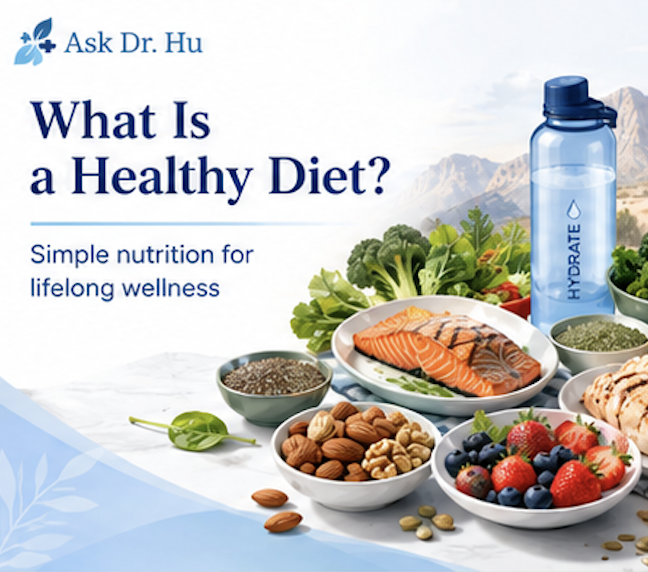
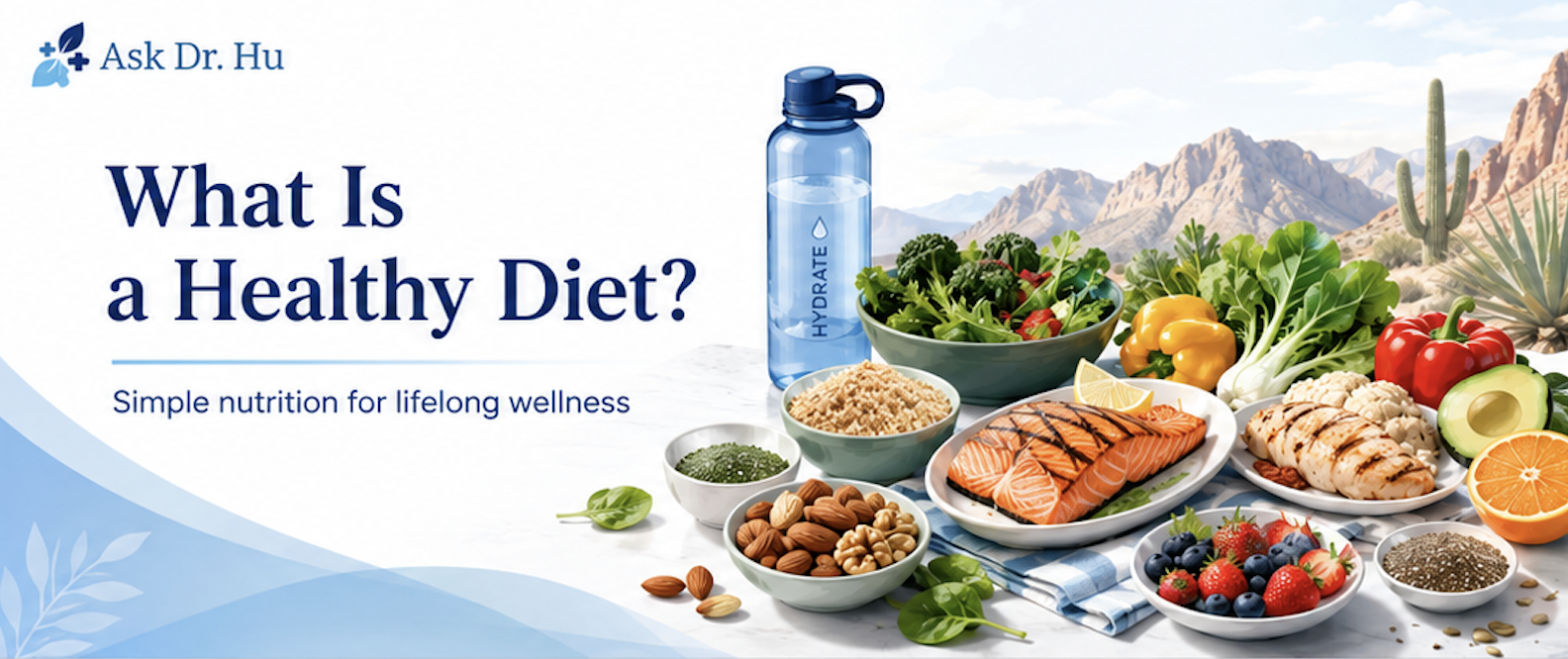
A healthy diet provides your body with the nutrients it needs to function at its best. By eating a variety of whole, nutrient-dense foods and limiting highly processed foods, you can support your energy levels, immune system, heart health, brain function, and long-term wellness.
Healthy eating does not require perfection or following the latest diet trend. Instead, it focuses on creating sustainable eating habits that you can maintain for years.
A healthy diet is one that emphasizes:
Plenty of vegetables and fruits
Lean sources of protein
Whole grains
Healthy fats
Adequate hydration
Appropriate portion sizes
At the same time, it limits foods that are high in added sugars, refined carbohydrates, unhealthy fats, and excessive sodium.
Rather than focusing on restriction, a healthy diet is about consistently choosing foods that nourish your body.
The Simple Answer
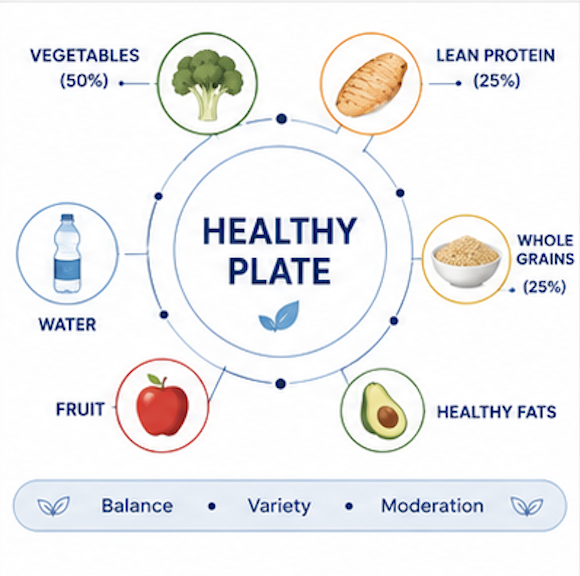
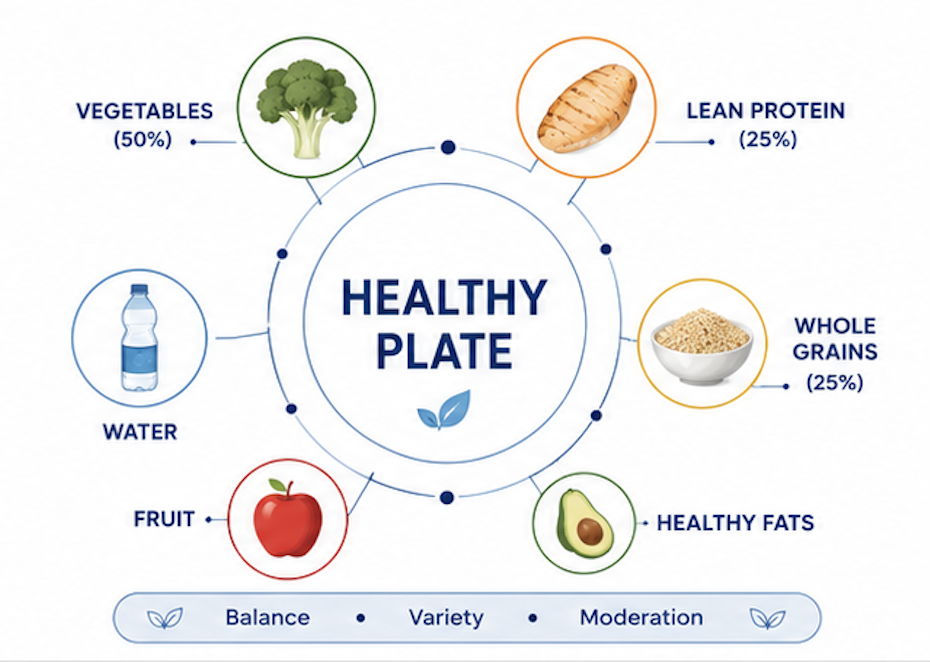
What Foods Make Up a Healthy Diet?
Most healthy meals include a balance of several food groups.
Vegetables
Aim to fill about half of your plate with colorful vegetables whenever possible. Different colors provide different vitamins, minerals, antioxidants, and fiber.
Lean Protein
Protein helps build and repair tissues while supporting muscle health and keeping you full. Good choices include:
Fish
Chicken
Turkey
Eggs
Beans
Lentils
Tofu
Greek yogurt
Whole Grains
Whole grains provide fiber and long-lasting energy. Examples include:
Brown rice
Oats
Quinoa
Whole wheat bread
Barley
Healthy Fats
Healthy fats support heart health, hormone production, and brain function. Good sources include:
Avocados
Olive oil
Nuts
Seeds
Fatty fish
Fruit
Fresh fruit provides vitamins, minerals, fiber, and natural sweetness that can help satisfy cravings.
Water
Proper hydration is an important part of healthy nutrition. Water supports digestion, circulation, temperature regulation, and overall body function.
No food needs to be completely off-limits for most people, but certain foods are best enjoyed in moderation.
These include:
Sugar-sweetened beverages
Highly processed snack foods
Fast food
Candy and desserts
Processed meats
Refined grains
Excessive alcohol
The goal is to make nutritious foods the foundation of your diet while allowing flexibility for occasional treats.
Foods to Limit
Not necessarily.
Many eating patterns can support good health, including Mediterranean-style diets, plant-forward diets, higher-protein approaches, and other balanced nutrition plans.
The best diet is one that:
Meets your nutritional needs
Fits your lifestyle
Is enjoyable
Can be maintained long term
There is no single eating plan that works for everyone.
Do You Need to Follow a Specific Diet?
Improving your diet doesn't have to happen overnight. Small, consistent habits often produce the greatest long-term results.
Consider starting with one or two changes such as:
Adding an extra serving of vegetables each day
Drinking more water
Choosing whole grains instead of refined grains
Cooking more meals at home
Including lean protein with every meal
Reducing sugary drinks
Planning healthy snacks ahead of time
Over time, these simple habits can have a meaningful impact on your overall health.
Small Changes That Make a Big Difference
Frequently Asked Questions
-
No. Age, activity level, medical conditions, medications, allergies, and personal goals all influence what a healthy diet looks like. A healthcare professional can help tailor nutrition recommendations to your individual needs.
-
Yes. Most people can enjoy desserts occasionally as part of an overall balanced eating pattern. Long-term consistency is generally more important than striving for perfection.
-
Not always. Many people can improve their nutrition by focusing on food quality, balanced meals, and portion awareness rather than counting every calorie. However, calorie tracking may be helpful for certain health or weight-management goals.
-
No. Carbohydrates are an important source of energy. Choosing high-fiber carbohydrates such as fruits, vegetables, legumes, and whole grains is generally healthier than relying on refined carbohydrates and added sugars.
-
Organic foods can be part of a healthy diet, but they are not required for good nutrition. Eating a variety of fruits and vegetables—whether organic or conventionally grown—is generally more important than avoiding produce altogether.
The Bottom Line
A healthy diet is built on balance, variety, and consistency, not perfection. Choosing whole, minimally processed foods, staying hydrated, and developing sustainable eating habits can improve your overall health and reduce the risk of many chronic diseases.
If you're interested in improving your nutrition or developing a personalized wellness plan, an Arizona naturopathic physician can help you create realistic dietary strategies that fit your health goals, medical history, and lifestyle.
Looking for a Licensed Arizona Concierge Physician?
At Ask Dr. Hu, we provide personalized naturopathic and concierge medical care for patients throughout Arizona via secure telemedicine, with in-person visits available when appropriate.
Whether you're looking for preventive care, chronic disease management, integrative pain management, medical marijuana certification, hormone optimization, weight management, medical documentation, health optimization, or a more personalized healthcare experience, we're here to help.
Contact us today to learn whether our practice is the right fit for your healthcare needs.