A Patient's Guide to Starting a Medical Weight Loss Program
Written by YiQiu Hu, NMD
Arizona-licensed naturopathic physician and concierge medicine provider
Published July 2026 | Medically reviewed July 2026
Weight loss is often portrayed as a matter of willpower, but the reality is much more complex. Genetics, hormones, metabolism, medical conditions, medications, stress, sleep quality, and lifestyle habits all play important roles in determining how your body gains or loses weight. If you've struggled to lose weight despite your best efforts, you're not alone, and it does not mean you've failed.
A physician-supervised medical weight loss program takes a comprehensive approach to helping you achieve a healthier weight. Rather than relying on fad diets or quick fixes, medical weight loss focuses on understanding your unique health needs, identifying barriers to weight loss, and creating a personalized treatment plan that supports long-term success.
At Ask Dr. Hu, we believe that sustainable weight loss should improve your overall health, energy, and quality of life, not simply reduce the number on the scale. Whether your plan includes nutrition counseling, lifestyle modifications, laboratory testing, or medications such as GLP-1 receptor agonists when appropriate, every recommendation is tailored to your individual goals and medical history.
This guide will walk you through what to expect when starting a medical weight loss program, helping you feel informed and confident as you begin your journey toward better health.


Medical weight loss is a physician-supervised approach to managing excess weight using evidence-based strategies designed specifically for each individual. Unlike commercial diet programs that often use a one-size-fits-all approach, medical weight loss begins with understanding why weight gain has occurred and identifying the factors that may be making weight loss more difficult.
Your physician evaluates your overall health before developing a treatment plan. This evaluation may include reviewing your medical history, current medications, lifestyle habits, laboratory results, and any underlying medical conditions that could be affecting your metabolism or appetite.
Depending on your individual needs, a medical weight loss program may include:
Nutrition counseling
Personalized calorie and protein recommendations
Exercise guidance
Sleep optimization
Stress management strategies
Behavioral coaching
Laboratory testing
Prescription medications when appropriate
Ongoing physician monitoring
The goal is not simply rapid weight loss; it is to achieve meaningful improvements in health while developing habits that can be maintained long after treatment has ended.
Understanding Medical Weight Loss
Many people assume medical weight loss is only for individuals with severe obesity. In reality, physician-supervised weight management may benefit a wide range of patients who want to improve their health safely and effectively.
You may benefit from a medical weight loss program if you:
Have overweight or obesity
Have difficulty losing weight despite diet and exercise
Have regained weight after previous diets
Want physician guidance throughout your weight loss journey
Have diabetes or prediabetes
Have high blood pressure
Have elevated cholesterol or triglycerides
Have fatty liver disease
Have sleep apnea
Experience joint pain related to excess weight
Have polycystic ovary syndrome (PCOS)
Suspect hormonal factors may be affecting your weight
Want to reduce your long-term risk of chronic disease
Even if your primary goal is simply to feel healthier or improve your energy level, a medically supervised approach can help identify opportunities to improve your overall wellness while reducing health risks.
Who May Benefit From a Medical Weight Loss Program?
Your First Medical Weight Loss Appointment
Starting a medical weight loss program begins with a thorough evaluation rather than immediately prescribing medication or recommending a diet.
Your first appointment allows your physician to understand your health history and determine which treatment options may be most appropriate for you.
During your initial visit, you may discuss:
Your Weight History
Understanding your weight history provides valuable insight into factors that may have contributed to weight gain.
Your physician may ask questions such as:
When did you begin gaining weight?
Have there been periods of successful weight loss?
What programs or diets have you previously tried?
Were there any life events associated with weight changes?
Have you experienced weight regain after previous success?
These answers help identify patterns that can guide your treatment plan.
Current Lifestyle Habits
Lifestyle plays a significant role in long-term weight management.
Your physician may ask about:
Typical daily meals
Snack habits
Beverage choices
Alcohol intake
Physical activity
Occupation
Sleep schedule
Stress levels
Eating patterns
Emotional eating
The goal is not to judge your habits but to understand where realistic improvements can be made.
Medical History
Certain medical conditions can contribute to weight gain or make losing weight more difficult.
Your physician will review:
Diabetes
Thyroid disorders
High blood pressure
Heart disease
Sleep apnea
Liver disease
Hormonal disorders
Mental health conditions
Previous surgeries
Family medical history
Understanding your overall health helps ensure your treatment plan is both safe and effective.
Current Medications
Some medications may contribute to weight gain or interfere with weight loss efforts.
Examples include certain:
Antidepressants
Steroids
Diabetes medications
Blood pressure medications
Hormonal therapies
If appropriate, your physician may discuss whether alternative medications are available, though any medication changes should only be made under medical supervision.
Your Goals
Everyone's definition of success is different.
Some patients hope to:
Improve energy
Reduce joint pain
Lower blood pressure
Improve blood sugar
Fit into smaller clothing
Prepare for surgery
Improve fertility
Reduce medication use
Improve athletic performance
Understanding your personal goals helps guide realistic expectations and individualized treatment planning.
What Testing May Be Recommended?
Medical weight loss is about much more than measuring your weight. Laboratory testing can help identify underlying health conditions that may influence your metabolism, appetite, or overall health.
Not every patient requires extensive testing, but your physician may recommend laboratory evaluation based on your medical history, symptoms, and risk factors.
Common laboratory tests may include:
Complete Blood Count (CBC)
A CBC evaluates your overall health by checking red blood cells, white blood cells, and platelets. It can help identify conditions such as anemia or infection that may contribute to fatigue or reduced exercise tolerance.
Comprehensive Metabolic Panel (CMP)
This panel evaluates:
Kidney function
Liver function
Electrolytes
Blood glucose
Overall metabolic health
These results can help clinicians assess whether certain medications may be appropriate and provide a baseline for ongoing monitoring.
Lipid Panel
A cholesterol panel measures:
Total cholesterol
LDL cholesterol
HDL cholesterol
Triglycerides
Weight loss often improves cholesterol levels, making this an important benchmark for tracking cardiovascular health.
Blood Sugar Testing
Your physician may recommend tests such as:
Fasting glucose
Hemoglobin A1c
These tests evaluate for prediabetes or diabetes and can influence treatment recommendations.
Thyroid Function Tests
Although thyroid disease is not the cause of most weight gain, identifying an underactive thyroid is important because proper treatment can improve overall health and support weight management.
Additional Testing
Depending on your symptoms and medical history, additional laboratory tests may include:
Vitamin D
Vitamin B12
Iron studies
Insulin levels
Hormone testing
Inflammatory markers
These tests are ordered selectively based on your individual clinical situation rather than as part of a routine panel for every patient.

Creating Your Personalized Weight Loss Plan
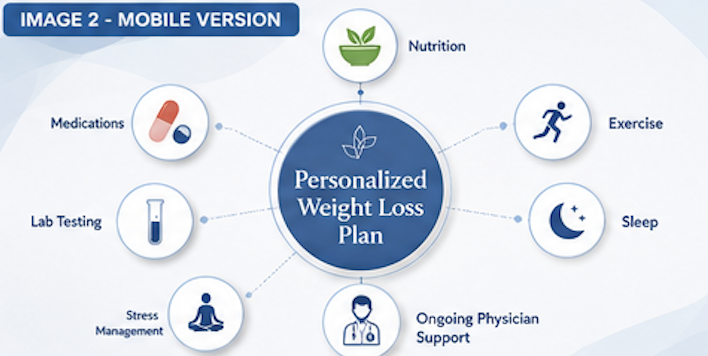
A key advantage of a physician-supervised medical weight loss program is that your treatment plan is designed specifically for you. Because medical histories, lifestyles, and goals differ, individualized plans can address patient-specific needs that generic programs may not consider.
After reviewing your health history, laboratory results, and personal goals, your physician will work with you to develop a realistic plan that fits your lifestyle. Rather than expecting perfection, the focus is on making sustainable changes that you can maintain over time.
Your treatment plan may include recommendations related to:
Nutrition
Physical activity
Sleep habits
Stress management
Behavioral changes
Medical conditions affecting weight
Prescription medications, when appropriate
Ongoing monitoring and follow-up
The goal is to create healthy habits that support gradual, lasting weight loss while improving your overall health.
Nutrition: Building a Sustainable Way of Eating
Nutrition is a central component of most medical weight-management plans. While many diets promise rapid results, an appropriate eating plan should provide balanced nutrition and be realistic enough to maintain over time.
Instead of focusing on strict rules or eliminating entire food groups, medical weight loss emphasizes building healthy eating habits that are both practical and sustainable.
Prioritize Nutrient-Dense Foods
Choosing foods that provide vitamins, minerals, fiber, and protein can help you feel satisfied while supporting your body's nutritional needs.
Examples include:
Colorful vegetables
Fresh fruits
Lean poultry
Fish
Eggs
Beans and legumes
Whole grains
Nuts and seeds
Greek yogurt
Healthy fats such as olive oil and avocado
These foods often provide greater satiety than highly processed foods while supporting overall health.
Protein Plays an Important Role
Adequate protein intake is especially important during weight loss because it helps:
Preserve lean muscle mass
Increase feelings of fullness
Support recovery after exercise
Promote healthy metabolism
Your physician may recommend a daily protein target based on your age, activity level, body composition, and weight loss goals.
Protein-rich foods may include:
Chicken
Turkey
Fish
Lean beef
Eggs
Cottage cheese
Greek yogurt
Tofu
Tempeh
Protein shakes when appropriate
Meeting your protein goals can make it easier to maintain muscle while losing body fat.
Don't Fear Healthy Fats
Healthy fats are an important part of a balanced diet and contribute to hormone production, brain health, and feelings of fullness.
Examples include:
Avocados
Olive oil
Nuts
Seeds
Fatty fish
Natural nut butters
While fats are calorie-dense, moderate portions can be part of a healthy weight loss plan.
Choose Carbohydrates Wisely
Carbohydrates are not inherently unhealthy. Instead, focusing on the quality of carbohydrates can make a significant difference.
Whenever possible, choose:
Vegetables
Whole fruit
Oats
Brown rice
Quinoa
Beans
Lentils
Sweet potatoes
Limiting highly processed foods and added sugars may help improve blood sugar control and reduce excess calorie intake.
Hydration Matters
Adequate hydration supports normal body function and helps prevent dehydration. Most people benefit from drinking water consistently throughout the day, though individual fluid needs vary based on activity level, climate, and medical conditions. Replacing sugary beverages with water or other low-calorie drinks can significantly reduce daily calorie intake.
Focus on Progress, Not Perfection
Many people believe one unhealthy meal has "ruined" their progress. In reality, long-term success comes from consistency over weeks and months—not perfection every single day.
Learning how to enjoy occasional treats while maintaining healthy habits is often more sustainable than following highly restrictive diets.
Exercise offers benefits far beyond burning calories. Regular physical activity supports cardiovascular health, muscle strength, mobility, mental well-being, and long-term weight maintenance.
If you've been inactive, it's important to remember that you don't have to start with intense workouts. Small, consistent increases in activity can be easier to maintain than beginning with an intensive routine.
Aerobic Exercise
Activities that increase your heart rate may include:
Walking
Hiking
Cycling
Swimming
Elliptical training
Dancing
Low-impact fitness classes
Aim to gradually increase your activity level over time, starting at a pace that feels manageable.
Even short walks after meals can become a valuable part of your daily routine.
Strength Training
One of the most overlooked aspects of weight loss is preserving muscle mass.
Strength training helps:
Maintain muscle while losing weight
Improve metabolism
Increase functional strength
Improve posture
Reduce risk of injury
Support healthy aging
Exercises may include:
Resistance bands
Bodyweight exercises
Dumbbells
Machines
Functional movement training
Most people benefit from incorporating resistance exercise two to three times per week, depending on their health status and experience.
Increase Daily Movement
Formal exercise is important, but your daily habits matter too.
Simple ways to increase daily activity include:
Taking the stairs
Parking farther away
Walking during phone calls
Standing more often
Stretching throughout the day
Gardening
Household chores
Playing with children or pets
These small habits can add up over time and contribute to increased energy expenditure.
Physical Activity: Moving Your Body Safely
Sleep: An Often Overlooked Factor
Sleep plays a surprisingly important role in weight management.
Poor sleep can affect hormones that regulate hunger and fullness, increase cravings for high-calorie foods, reduce energy for exercise, and make healthy choices more difficult.
Healthy sleep habits include:
Maintaining a consistent bedtime
Limiting screens before bed
Keeping your bedroom cool and dark
Avoiding excessive caffeine late in the day
Establishing a relaxing bedtime routine
If you regularly snore, wake up feeling tired, or experience excessive daytime fatigue, your physician may evaluate you for sleep disorders such as obstructive sleep apnea.
Treating underlying sleep issues can significantly improve overall health and may support your weight loss efforts.
Stress affects everyone differently. For some people, it decreases appetite, while for others it leads to increased hunger, emotional eating, or cravings for highly processed foods.
Medical weight loss recognizes that eating behaviors are influenced by both physical and emotional factors.
Helpful stress-management strategies may include:
Regular physical activity
Meditation
Deep breathing exercises
Yoga
Journaling
Spending time outdoors
Talking with supportive friends or family
Counseling when appropriate
Learning to recognize emotional eating patterns can help you develop healthier coping strategies that support long-term success.
Managing Stress and Emotional Eating
Setting Realistic Expectations
One of the biggest misconceptions about weight loss is that faster is always better.
In reality, gradual and sustainable weight loss is often associated with better long-term maintenance and fewer health risks.
Your progress may not always be reflected by the number on the scale alone. Other meaningful improvements can include:
Increased energy
Better sleep
Improved blood pressure
Healthier blood sugar levels
Reduced joint pain
Improved cholesterol
Better endurance
Clothing fitting differently
Increased confidence
Improved quality of life
Celebrating these "non-scale victories" can help keep you motivated throughout your journey.
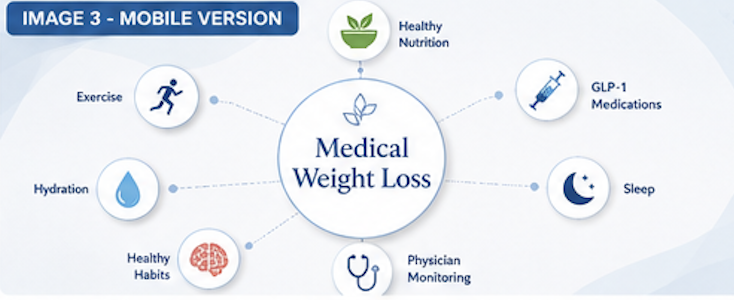

Reaching your weight loss goal is an exciting milestone, but maintaining your progress is equally important. Long-term success isn't about following a temporary diet—it's about creating healthy habits that become part of your everyday life.
Many people experience weight regain after completing restrictive diet programs because those plans were never designed to be sustainable. A physician-supervised medical weight loss program focuses on helping you develop realistic routines that you can continue long after your initial goals have been achieved.
Remember that maintaining your weight does not require perfection. Life includes vacations, holidays, celebrations, illnesses, and stressful periods. The goal is to return to healthy habits after temporary setbacks rather than allowing them to become permanent obstacles.
Healthy Habits That Support Long-Term Success
While every patient's journey is different, several habits consistently support long-term weight management.
Continue Prioritizing Balanced Nutrition
Healthy eating should remain part of your daily routine even after reaching your target weight.
Continue focusing on:
Plenty of vegetables
Lean proteins
Whole grains
Healthy fats
High-fiber foods
Adequate hydration
Rather than thinking of your nutrition plan as a "diet," consider it a sustainable way of eating that supports your overall health.
Stay Physically Active
Regular physical activity can support weight maintenance and provide important benefits for overall health.
Aim to include activities you genuinely enjoy, such as:
Walking
Hiking
Cycling
Swimming
Strength training
Yoga
Recreational sports
Choosing activities you look forward to makes it much easier to stay consistent over time.
Monitor Your Progress
You don't need to weigh yourself every day, but checking in with your progress periodically can help you recognize small changes before they become larger problems.
Monitoring may include:
Body weight
Waist measurements
Clothing fit
Energy levels
Exercise performance
Blood pressure
Laboratory values when recommended
These measurements provide valuable feedback and can help guide adjustments to your routine if needed.
Continue Routine Medical Follow-Up
Even after achieving your initial goals, periodic follow-up visits with your physician can help you stay on track.
These visits may include:
Reviewing your nutrition plan
Monitoring medications
Checking laboratory values
Evaluating body composition, when available
Addressing new health concerns
Updating your long-term goals
Weight management is an ongoing process, and continued support can make maintaining your progress easier.
Recognizing Challenges Before They Become Setbacks
Everyone experiences obstacles from time to time. The key is recognizing them early and responding before they significantly affect your progress.
Common challenges include:
Busy work schedules
Travel
Holidays
Increased stress
Poor sleep
Injury or illness
Changes in routine
Emotional eating
Rather than viewing these situations as failures, think of them as opportunities to adjust your plan and continue moving forward.
Your physician can help you develop strategies that fit your lifestyle and keep you progressing even during difficult periods.
When Should You Contact Your Healthcare Provider?
Communication with your healthcare team is an important part of a successful medical weight loss program.
You should contact your provider if you experience:
Significant or persistent medication side effects
Severe nausea or vomiting
Ongoing abdominal pain
Difficulty staying hydrated
New or worsening medical symptoms
Concerns about your nutrition plan
Questions about your medications
Unexpected weight changes
Difficulty following your treatment plan
Your physician would much rather address concerns early than have you struggle on your own.
Remember That Progress Isn't Always Linear
One of the most important things to understand about weight loss is that progress rarely occurs in a perfectly straight line. Some weeks you may lose weight quickly. Other weeks your weight may remain unchanged. Occasionally, you may even gain a small amount despite continuing healthy habits. Short-term weight fluctuations and periods of slower progress are common during weight loss.
Factors such as hydration, sodium intake, hormonal changes, exercise, travel, illness, and normal day-to-day fluctuations can all temporarily affect body weight. Instead of focusing on short-term changes, look at your progress over months rather than days. Focus on returning to your plan after setbacks rather than expecting perfect adherence.
Celebrate Non-Scale Victories
The number on the scale is only one measure of success.
Many patients notice meaningful improvements long before reaching their goal weight.
Celebrate accomplishments such as:
Increased energy
Improved sleep
Better mobility
Reduced joint pain
Lower blood pressure
Improved blood sugar
Healthier cholesterol levels
Greater confidence
Better mood
Improved endurance
Clothes fitting more comfortably
Feeling stronger during daily activities
These improvements reflect meaningful changes in your overall health and are just as important as the number on the scale.
Your Journey Is
Every person's path to better health is different. Some patients lose weight steadily over several months. Others experience periods of rapid progress followed by plateaus. Some people may benefit from prescription medications, while others may make progress through nutrition and lifestyle changes without medication.
The goal is not to compare yourself to someone else's journey but to focus on making consistent progress toward becoming a healthier version of yourself. By working closely with your physician, staying engaged in your treatment plan, and building healthy habits that fit your lifestyle, you can create lasting improvements that extend far beyond weight loss alone.
Understanding GLP-1 Medications and Other Treatment Options
Frequently Asked Questions
-
A medical weight loss program may be appropriate if you've struggled to lose weight through diet and exercise alone, have weight-related health conditions, or want personalized guidance from a physician. During your initial consultation, your healthcare provider will review your medical history, lifestyle, and goals to determine whether a physician-supervised program is the right fit for you.
-
Some patients may benefit from prescription medications such as GLP-1 receptor agonists, while others may make progress through nutrition, physical activity, and other lifestyle changes without medication.
-
Weight loss varies from person to person and depends on many factors, including your starting weight, overall health, adherence to your treatment plan, and whether medications are used. Rather than focusing solely on the number on the scale, physician-supervised programs emphasize improving overall health, reducing disease risk, and creating sustainable habits for long-term success.
-
No. Medical weight loss is designed to help you build healthy eating habits that are realistic and sustainable. Instead of relying on restrictive or fad diets, your physician will work with you to develop a balanced nutrition plan that fits your lifestyle and can be maintained over the long term.
-
Follow-up schedules vary depending on your treatment plan and progress. Many patients are seen regularly during the early stages of their program to monitor weight loss, review laboratory results if needed, assess medication effectiveness, and make adjustments to nutrition or exercise recommendations. As you become more stable, appointments may become less frequent.
-
Reaching your goal weight is an important milestone, but maintaining your results is equally important. Your physician can help you transition to a long-term maintenance plan that includes healthy nutrition, regular physical activity, ongoing monitoring, and continued support when needed. The goal is to help you maintain your progress while continuing to improve your overall health.


Starting a medical weight loss program is about much more than changing your appearance, it's an investment in your long-term health.
Whether your goals include improving your energy, reducing your risk of chronic disease, becoming more active with your family, or simply feeling better each day, physician-supervised weight management provides a structured, evidence-based approach to help you get there safely.
Remember that successful weight loss doesn't happen overnight. It is built through small, consistent decisions repeated over time. Every healthy meal, every walk, every workout, and every positive choice contributes to meaningful progress.
There may be challenges along the way, but you don't have to navigate them alone. With personalized guidance, ongoing support, and a treatment plan tailored to your individual needs, long-term success is possible.
The journey isn't about achieving perfection, it's about building healthier habits that support your well-being for years to come.
Final Thoughts
If you're ready to take the next step toward achieving a healthier weight, we're here to help.
At Ask Dr. Hu, we provide personalized, physician-supervised medical weight loss programs designed around your unique health goals. Whether your treatment plan includes nutrition counseling, lifestyle coaching, laboratory evaluation, GLP-1 medications when appropriate, or ongoing medical support, our focus is on supporting sustainable weight management and improvements in overall health, not only changes on the scale.
Together, we'll create a realistic plan that fits your lifestyle and supports long-term success.