A Patient’s Guide to Starting Integrative Pain Management
Written by YiQiu Hu, NMD
Arizona-licensed naturopathic physician and concierge medicine provider
Published July 2026 | Medically reviewed July 2026
Living with pain can affect nearly every part of your life. It may interfere with exercise, work, sleep, family activities, and even simple movements that once felt effortless. When pain continues despite rest, medications, physical therapy, or previous procedures, it can be difficult to know what to try next.
Integrative pain management takes a broader and more personalized approach. Instead of relying on a single treatment, it considers the possible source of your pain, your overall health, your previous treatments, and the activities you hope to return to.
The goal is not simply to cover up discomfort. A personalized plan may combine movement, rehabilitation, lifestyle support, medications when appropriate, and targeted procedures to help reduce pain and improve function.
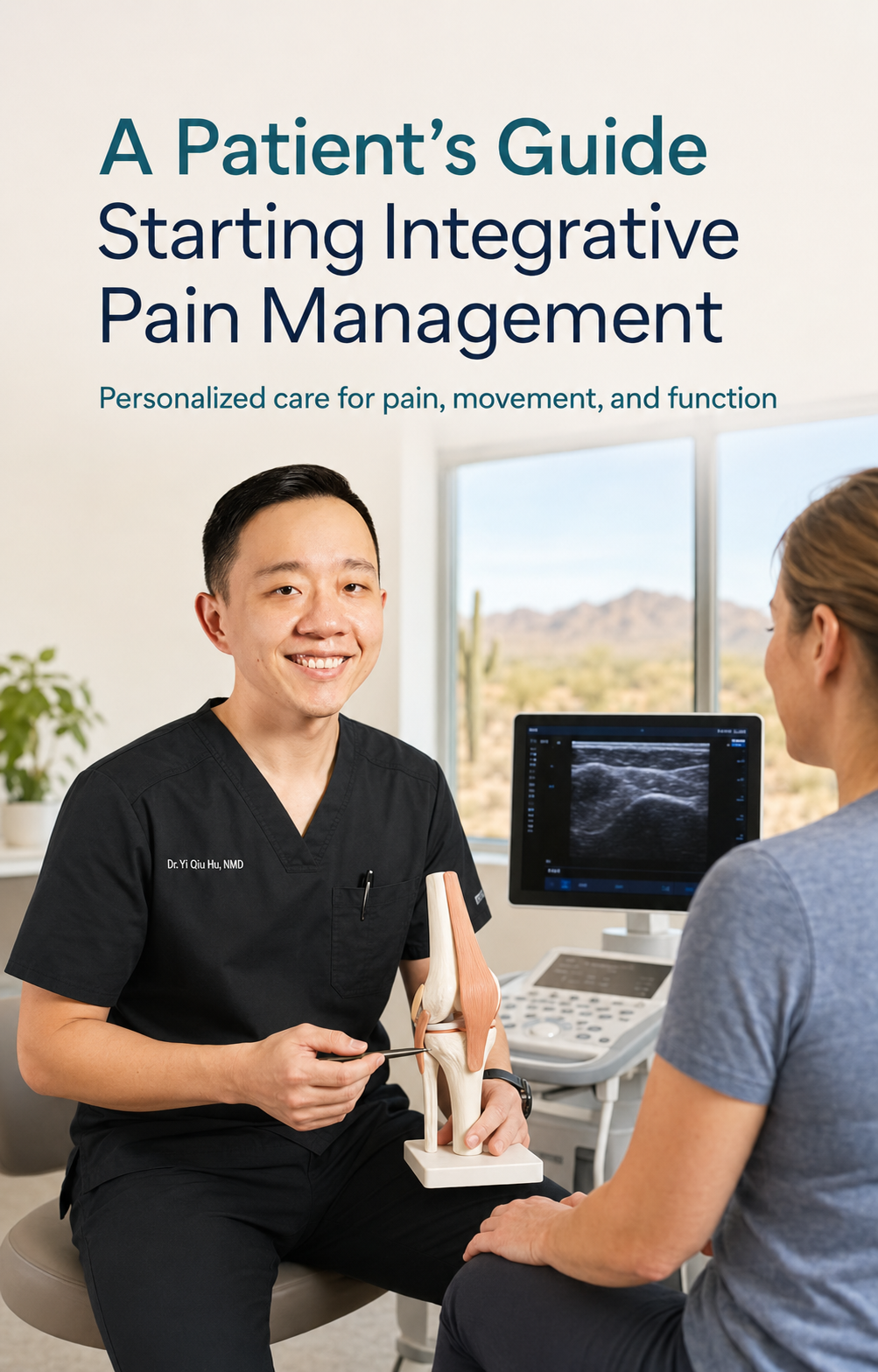
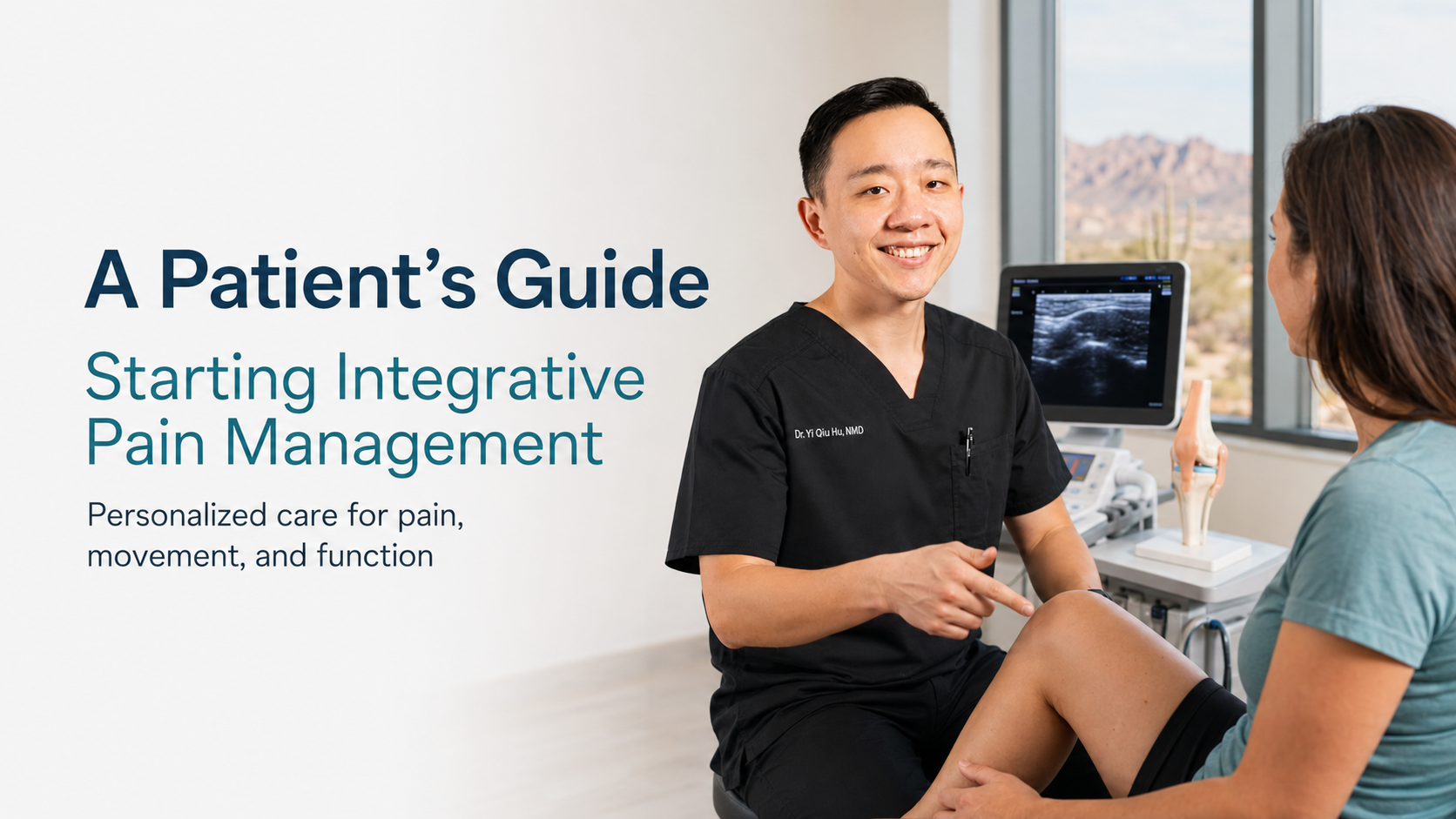
Integrative pain management combines conventional medical care with evidence-informed complementary and procedural treatments. The specific plan depends on the type of pain, its suspected cause, your medical history, and your individual goals.
Your treatment plan may include:
Activity and movement recommendations
Physical therapy or home rehabilitation
Heat, ice, bracing, or other supportive measures
Prescription or nonprescription medications when appropriate
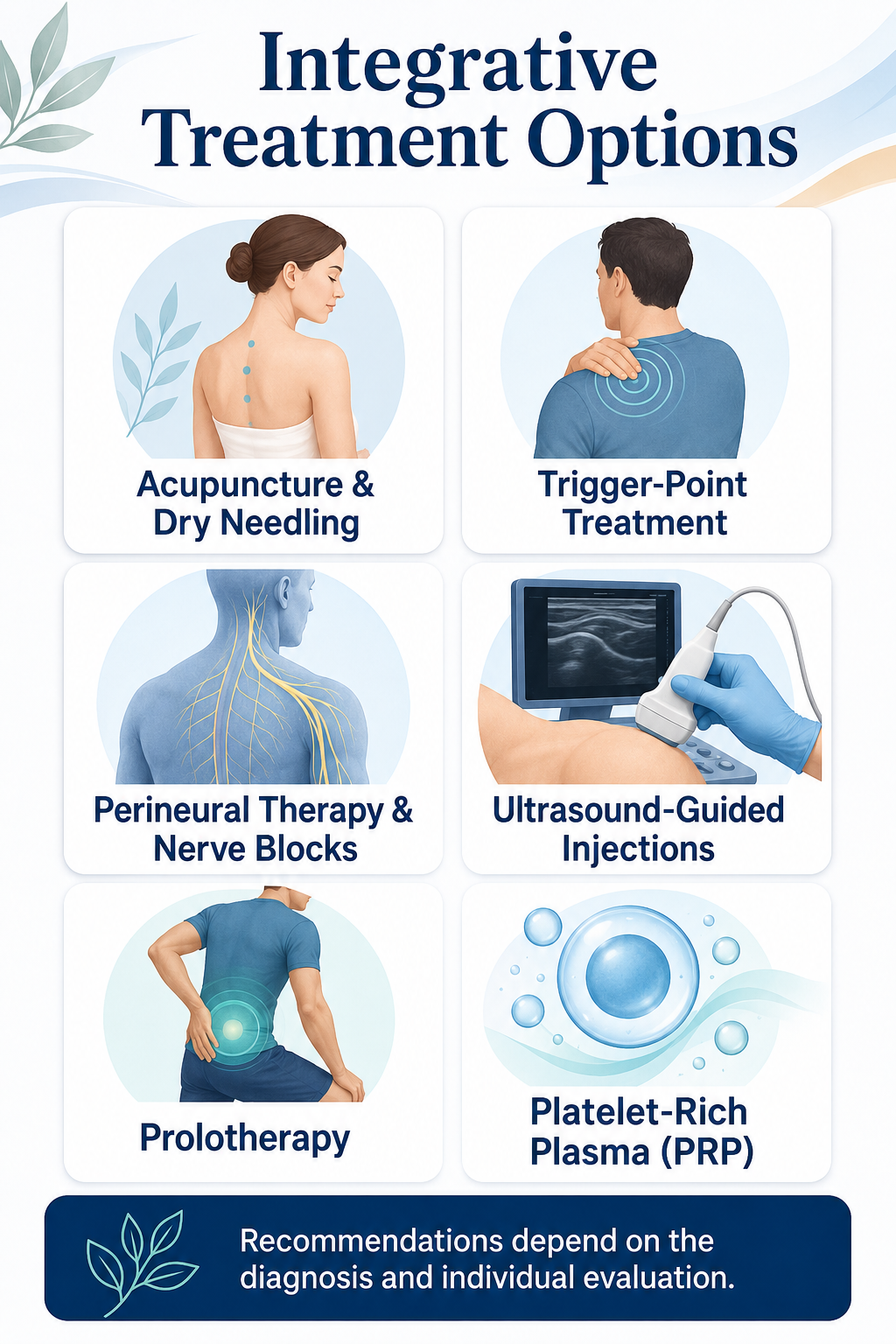
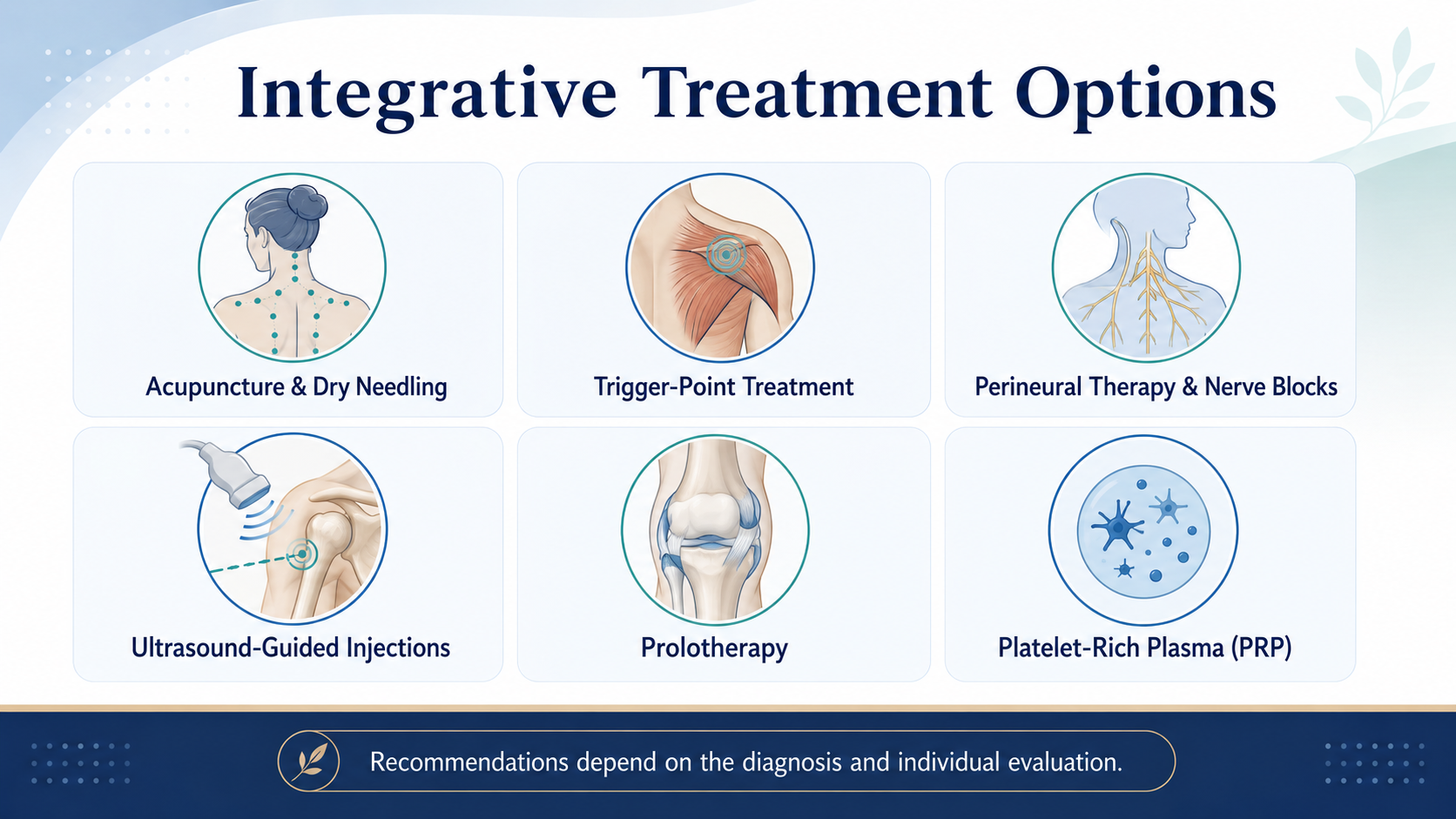
Acupuncture or dry needling
Trigger-point injections
Perineural injection therapy
Nerve blocks
Joint or soft-tissue injections
Prolotherapy
Platelet-rich plasma, commonly called PRP
Referrals for imaging, laboratory testing, or specialist evaluation
You will not necessarily need every treatment on this list. Integrative care means choosing the therapies that make sense for your condition, not automatically performing multiple procedures.
Research suggests that some nondrug approaches can help selected pain conditions, although benefits and the strength of evidence differ by treatment and diagnosis. For example, acupuncture, exercise, mindfulness-based approaches, yoga, tai chi, and certain manual therapies may be useful for some patients with chronic musculoskeletal pain. The National Center for Complementary and Integrative Health provides an overview of the evidence and safety considerations.
What Types of Pain May Be Evaluated?
An integrative pain evaluation may be appropriate for patients experiencing:
Back or neck pain
Shoulder, elbow, wrist, hip, knee, ankle, or foot pain
Osteoarthritis-related joint pain
Tendon or ligament injuries
Muscle tension and myofascial pain
Trigger points or muscle spasms
Sports and overuse injuries
Persistent pain following an old injury
Certain forms of nerve-related pain
Pain that has not responded fully to previous treatment
An evaluation does not guarantee that a particular procedure will be recommended. Some symptoms require diagnostic imaging, specialist care, surgery, or additional medical investigation before treatment can safely proceed.
When Should You Seek Urgent Medical Care?
Integrative pain management is not a substitute for emergency evaluation. Seek prompt medical attention if pain occurs with:
Chest pressure, shortness of breath, sweating, or fainting
Sudden facial drooping, weakness, confusion, or difficulty speaking
Loss of bladder or bowel control
New numbness around the groin or inner thighs
Sudden or rapidly worsening weakness
A severely swollen, red, hot, or painful joint accompanied by fever
A visibly deformed limb after an injury
Inability to bear weight following significant trauma
Severe pain accompanied by fever or unexplained illness
A cold, pale, blue, or pulseless extremity
Call 911 when symptoms may represent a medical emergency.
What Happens Before Your First Appointment?
Before your evaluation, gather information that can help your physician understand the history of your condition.
Bring or provide:
A current medication and supplement list
Relevant X-ray, ultrasound, CT, or MRI reports
Operative reports from previous surgery
Records of prior injections or procedures
Physical therapy or specialist notes, if available
A list of treatments you have already tried
Information about medication allergies
Details about blood thinners or bleeding disorders
It can also help to write down when the pain began, how it feels, what makes it better or worse, and which activities it prevents you from doing.
Setting Meaningful Treatment Goals
A pain score provides useful information, but it does not tell the entire story. Consider what improved function would look like in your daily life.
Your goals might include:
Walking for 30 minutes
Sleeping through the night
Returning to gardening or exercise
Working with fewer limitations
Climbing stairs more comfortably
Picking up your child or grandchild
Reducing reliance on as-needed medication
These goals give you and your physician practical ways to evaluate whether treatment is helping.
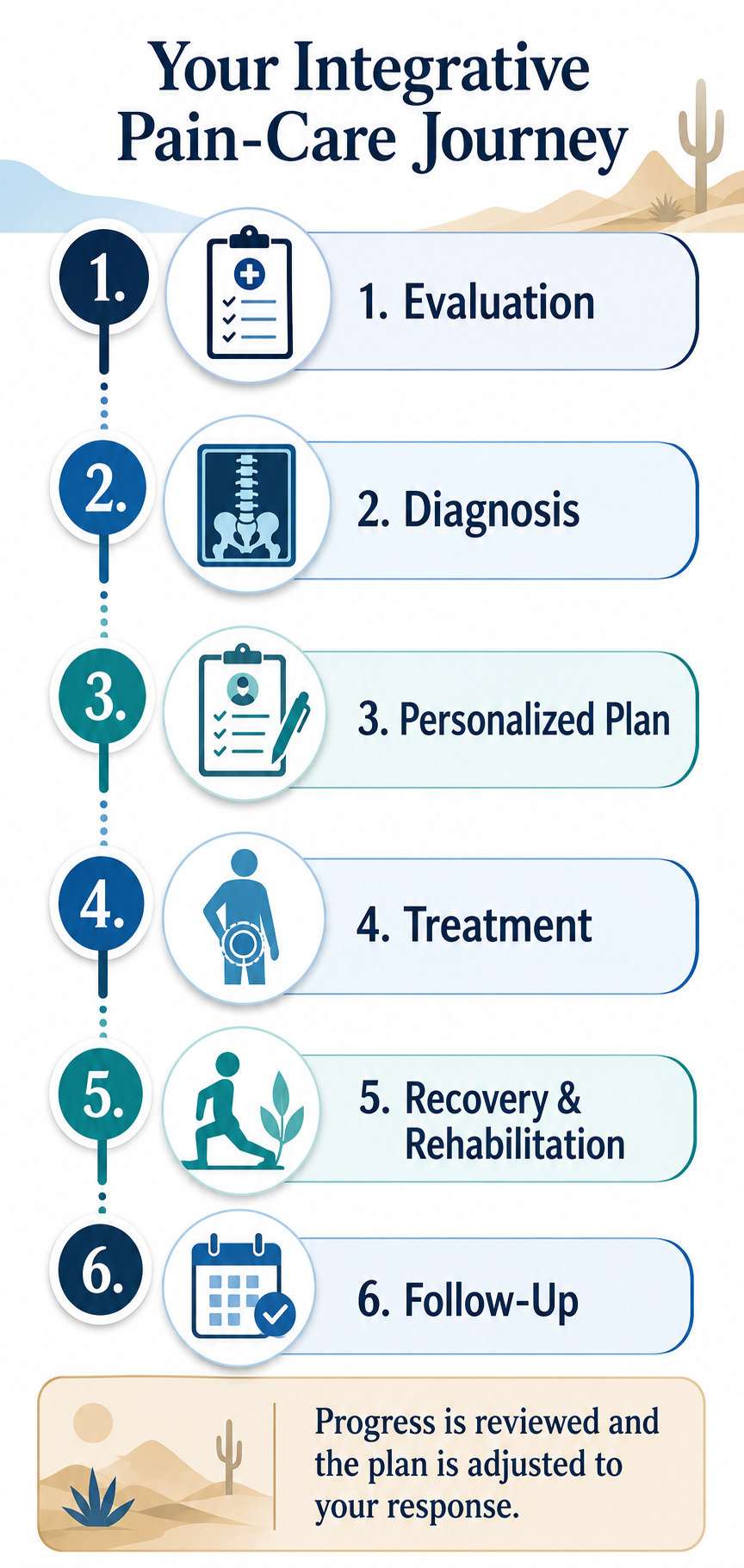
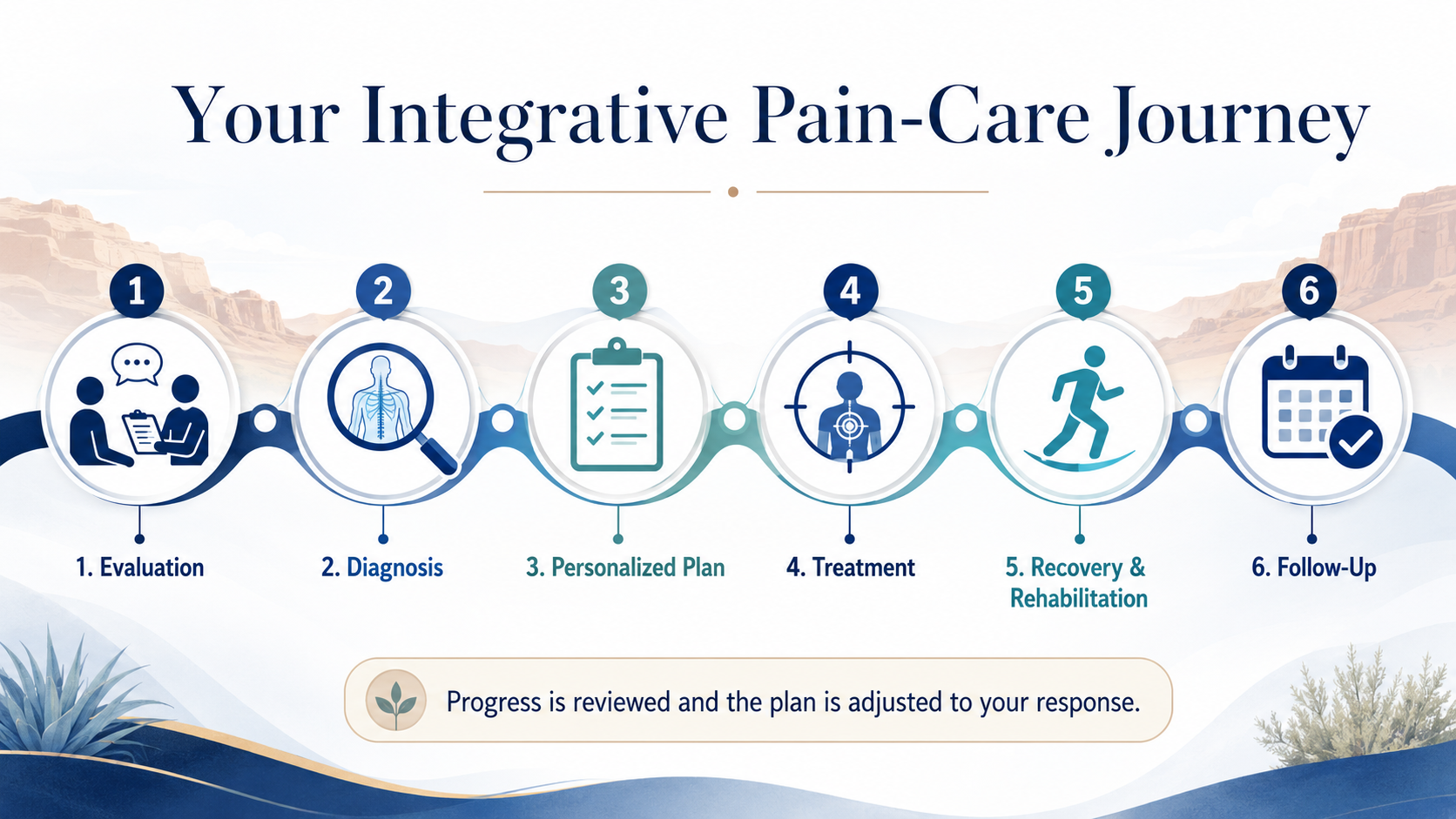
What Happens During the Initial Evaluation?
The first visit begins with a detailed conversation about your symptoms, health history, previous injuries, and treatments.
Your physician may ask:
Where is the pain located?
Does it travel or remain in one area?
Is it aching, burning, stabbing, throbbing, or electrical?
When did it begin?
Was there an injury or gradual onset?
Which movements make it worse?
Do you have weakness, numbness, swelling, or instability?
Have you had surgery or injections in the area?
What treatments have helped or failed?
When appropriate, the evaluation may include a physical examination assessing movement, strength, sensation, tenderness, joint stability, and other findings.
Diagnostic ultrasound may sometimes be used to examine accessible muscles, tendons, ligaments, joints, nerves, or fluid collections. Ultrasound can also help guide certain injections, but it does not replace every type of imaging. Deeper structures or complex conditions may still require X-rays, MRI, CT, or specialist evaluation.
What Is Integrative Pain Management?
Developing Your Personalized Treatment Plan
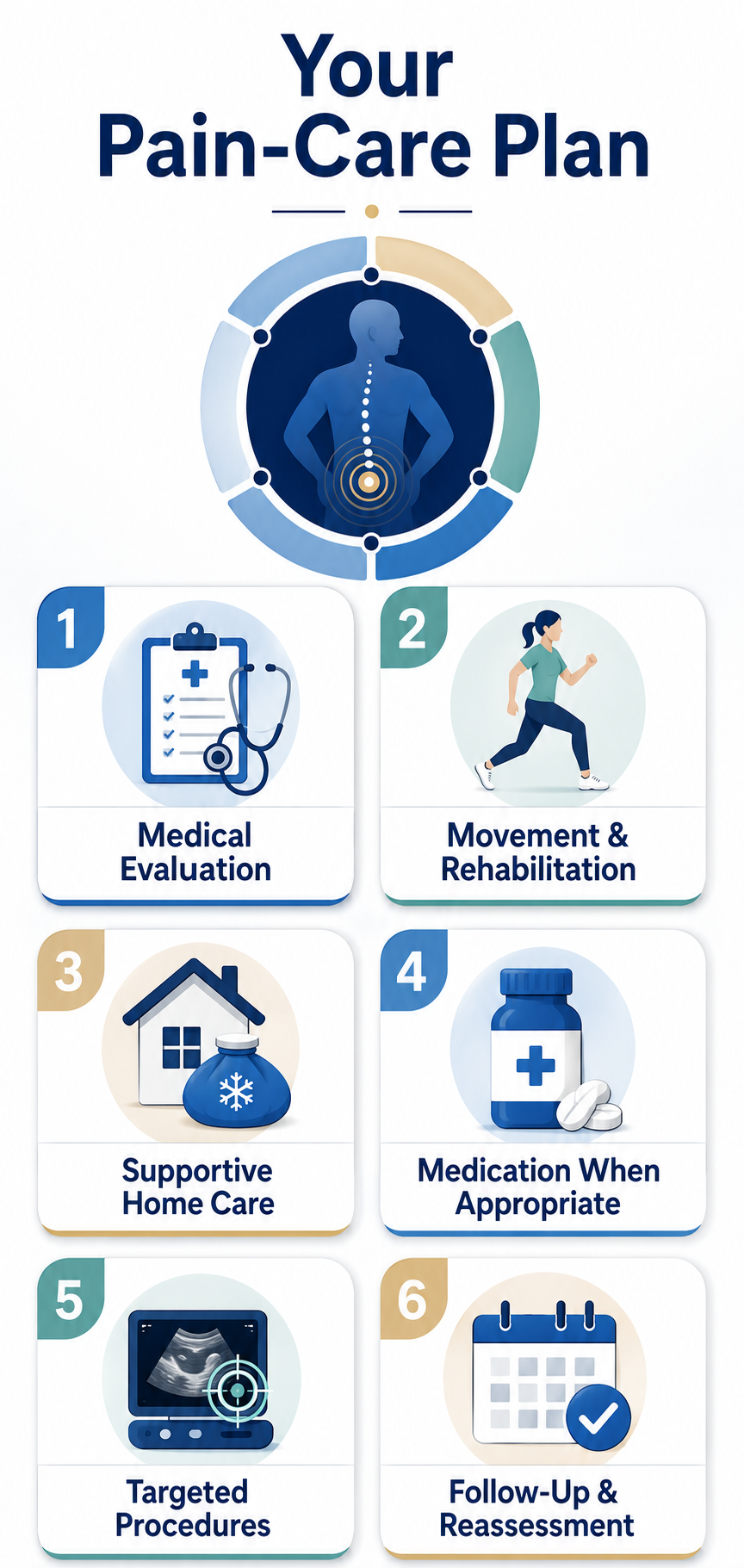
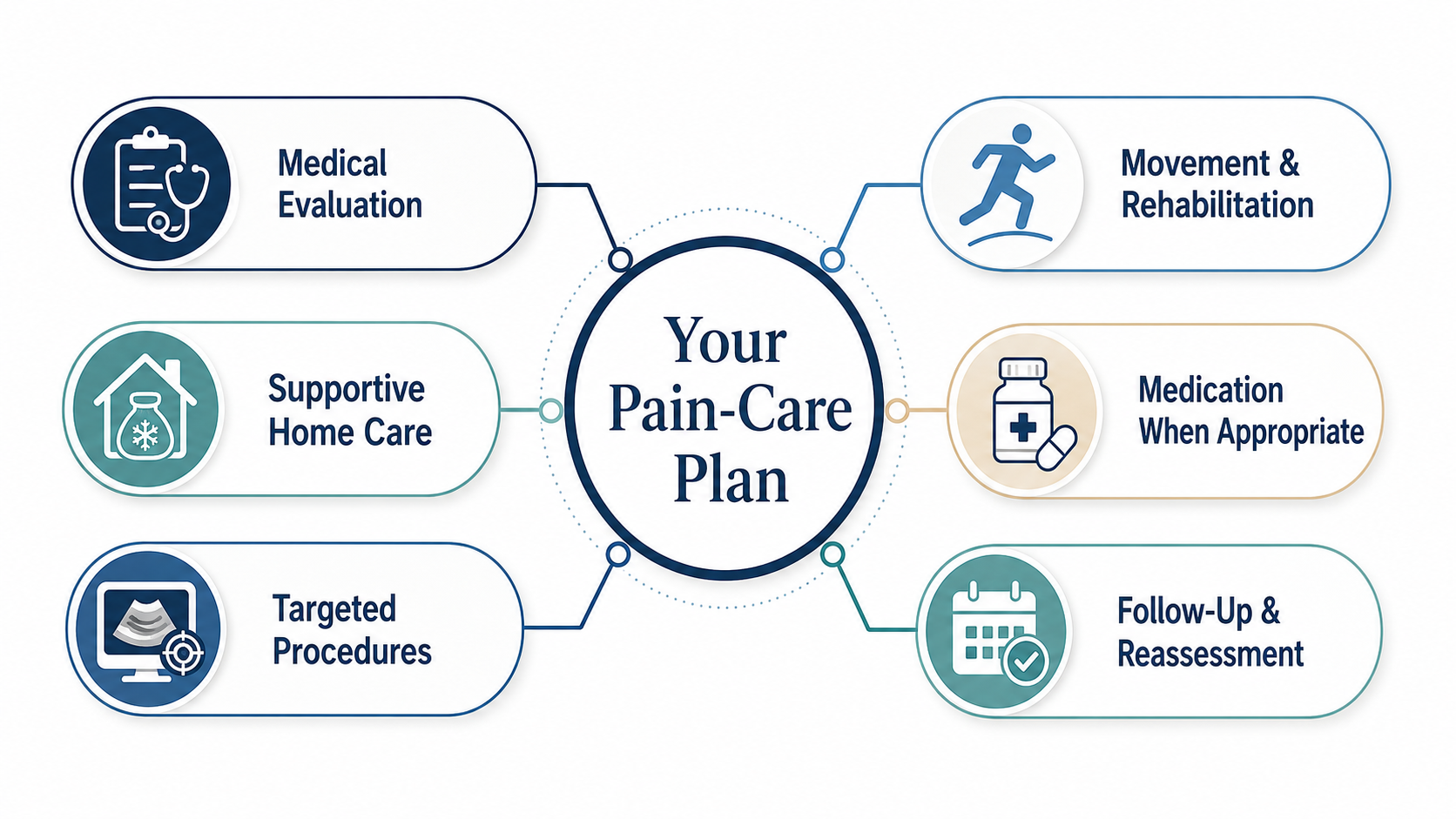
After the evaluation, your physician will discuss the likely causes of your symptoms and the available options. When the diagnosis remains uncertain, additional evaluation may be recommended before treatment begins. A well-designed plan may address several areas at once.
Movement and rehabilitation
Pain can lead to reduced activity, stiffness, weakness, and fear of movement. A gradual rehabilitation program may help restore strength, mobility, balance, and confidence. Depending on your condition, this could involve home exercises, physical therapy, occupational therapy, activity modification, or temporarily avoiding a movement that continues to irritate the area.
Supportive home care
Heat, ice, compression, elevation, sleep-position changes, ergonomic adjustments, or supportive braces may be appropriate for certain conditions. These strategies are condition-specific. For example, prolonged immobilization may be unhelpful for some problems even though short-term protection is beneficial for others.
Medications
Prescription or nonprescription medications may sometimes be included as part of an overall plan. Their appropriateness depends on your diagnosis, other medications, allergies, kidney and liver health, gastrointestinal history, cardiovascular risks, and other individual factors. Do not start or combine pain medications without checking for contraindications or interactions. The CDC recommends maximizing appropriate nonopioid and nonpharmacologic options for many common pain conditions while making treatment decisions collaboratively with the patient. CDC nonopioid pain-management guidance
Procedures That May Be Considered
Procedures are selected according to your diagnosis and are not appropriate for every patient.
Acupuncture and dry needling
Acupuncture uses thin needles to stimulate selected points. Dry needling targets painful or tight muscular areas, often called trigger points. These techniques may be considered for certain types of muscle, neck, back, or other musculoskeletal pain. Effects vary, and some patients require a series of treatments before determining whether the approach is helpful. Evidence is stronger for certain conditions than others. NCCIH’s low-back pain review discusses the evidence and its limitations.
Trigger-point injections
A trigger point is a localized, tender area within a muscle that may contribute to pain or restricted movement. A trigger-point injection places a small amount of solution into the affected region. Temporary soreness, bruising, or discomfort can occur afterward. Trigger-point treatment is often most useful when combined with stretching, movement correction, or rehabilitation.
Perineural injection therapy
Perineural injection therapy involves placing a solution near certain superficial nerves or areas of suspected nerve irritation. It may be considered in selected cases of nerve-related or musculoskeletal pain. The quality and amount of evidence vary by condition, so expected benefits, alternatives, and uncertainties should be discussed before treatment.
Nerve blocks
A nerve block places a solution near a targeted nerve or nerve pathway. Depending on the situation, it may be used diagnostically, therapeutically, or both. Ultrasound guidance may help the clinician visualize relevant structures and place the injection more precisely. Possible risks depend on the location and solution used.
Joint and soft-tissue injections
An injection may be considered when examination or imaging suggests that a particular joint, tendon region, bursa, or other structure is contributing to the symptoms. The solution may differ according to the diagnosis. Steroid injections may reduce inflammation for some conditions, but repeated or poorly timed steroid exposure may carry risks. Injecting directly into certain tendons is generally avoided because of the possibility of tendon weakening or injury.
Prolotherapy
Prolotherapy commonly involves injecting an irritant solution, often concentrated dextrose, into selected ligaments, tendon attachments, or joint areas. It is intended to stimulate a localized healing response, but evidence varies considerably by condition. Temporary soreness is common, and improvement—when it occurs—may develop gradually rather than immediately.
Platelet-rich plasma
PRP is prepared from a sample of your own blood. The platelets are concentrated and injected into a selected area with the goal of supporting the body’s healing response. PRP may be considered for certain tendon, ligament, muscle, or joint conditions. It is not guaranteed to regenerate damaged tissue or eliminate pain, and research results differ depending on the condition and preparation method.
Preparing for an Injection or Procedure
Follow the instructions provided specifically for your procedure. In general, your physician may ask you to: Eat normally unless instructed otherwise Drink adequate water Wear loose clothing that allows access to the treatment area Arrange transportation if sedation or significant temporary limitation is expected Report fever, infection, new illness, or broken skin near the treatment area Disclose pregnancy or possible pregnancy Review all medications and supplements Report any allergy to medications, adhesives, latex, or antiseptics Never stop a prescribed blood thinner on your own. Your physician must weigh bleeding risk against the medical risks of interrupting the medication. For PRP or prolotherapy, you may receive specific instructions concerning anti-inflammatory medications. Follow the individualized directions rather than discontinuing medication independently.
What Does a Procedure Feel Like?
The experience depends on the location and type of treatment. You may feel pressure, a brief pinch, aching, or temporary reproduction of your usual symptoms. Ultrasound-guided procedures use a small probe and gel to visualize the treatment area. The ultrasound itself is generally painless, although pressure over an already tender structure may be uncomfortable. Tell your physician immediately if you experience severe pain, lightheadedness, difficulty breathing, or other unexpected symptoms during treatment.
What Should You Expect After Treatment?
Temporary tenderness, stiffness, bruising, or a mild flare in symptoms may occur after needling or injection procedures. The expected recovery period differs depending on the therapy.
Your aftercare instructions may address:
Activity limitations
When to return to exercise
Heat or ice
Wound or bandage care
Medications to use or avoid
Rehabilitation exercises
Warning signs that require medical attention
Timing of your follow-up appointment
Contact your physician promptly if you experience worsening redness, drainage, fever, progressive swelling, severe pain, new weakness, persistent numbness, difficulty breathing, or symptoms that feel significantly different from the expected recovery.
How Quickly Will You Improve?
Some patients notice a change quickly, while others improve gradually over several days or weeks. Certain treatments may require more than one session.
Response depends on factors such as:
The correct diagnosis
Duration and severity of the condition
Previous injuries or surgery
Tissue health
General health and sleep
Participation in rehabilitation
Occupational or repetitive stresses
The specific treatment performed
No ethical pain-management plan can promise a cure. The purpose of follow-up is to measure progress, reconsider the diagnosis when needed, and adjust the plan based on your response.
Why Follow-Up Care Matters
Pain treatment is usually a process rather than a single event. Follow-up allows your physician to determine whether you are improving and whether the treatment produced any unexpected effects.
At follow-up, you may review:
Changes in pain intensity and frequency
Improvement in movement or strength
Progress toward functional goals
Medication use
Response to home exercises or physical therapy
Whether additional treatment is appropriate
Whether imaging or specialist referral is needed
If the first approach does not work, that information is still useful. It may help clarify the source of your symptoms and guide the next step.
Questions to Ask Before a Procedure
Before consenting to treatment, consider asking:
What diagnosis are we treating?
Why is this procedure recommended?
What solution or medication will be used?
What are the potential benefits?
What are the common and serious risks?
What alternatives do I have?
How should I prepare?
What activity restrictions will I have afterward?
When should I expect improvement?
How will we decide whether another treatment is appropriate?
You should have enough information to make a voluntary and informed decision.
A Collaborative Approach to Pain Care
Pain is personal, and treatment should be personal as well. Integrative pain management creates space to examine the possible source of your symptoms, consider multiple therapeutic options, and build a plan around the activities that matter most to you.
For some patients, the right starting point is rehabilitation and home care. For others, diagnostic imaging, acupuncture, a targeted injection, or specialist referral may be appropriate. The best plan is not necessarily the most aggressive one, it is the plan that offers a reasonable balance of potential benefit, risk, evidence, cost, and personal preference.
Frequently Asked Questions
-
No. It may be used for acute injuries, pain lasting several weeks, or chronic symptoms. The evaluation and treatment plan will depend on the cause, duration, severity, and presence of warning signs.
-
Not necessarily. Your first visit may focus on reviewing your history, performing an examination, evaluating imaging, and discussing your options. A procedure will only be considered when it is clinically appropriate and you have had an opportunity to review its benefits, risks, and alternatives.
-
Most injections and needling treatments cause at least brief discomfort. The experience depends on the procedure and location. Your physician can explain what to expect and what measures may be used to improve comfort.
-
No treatment can guarantee permanent relief. PRP may be helpful for certain conditions, but outcomes vary, and evidence differs by diagnosis. It should be considered as one possible part of a comprehensive plan.
-
That depends on your diagnosis and response. Some patients need only one procedure, while others may benefit from a series or a combination of treatment and rehabilitation. Progress should be reassessed before automatically repeating a procedure.
-
No. Some conditions require emergency care, surgery, advanced imaging, or specialist management. When appropriate, Ask Dr. Hu can help coordinate referrals and incorporate specialist recommendations into your broader care plan.
Ask Dr. Hu provides personalized integrative pain-management evaluations for patients in Arizona. Depending on your condition and examination findings, care may include lifestyle and rehabilitation guidance, acupuncture or dry needling, ultrasound evaluation, targeted injections, regenerative procedures, or coordination with physical therapists and medical specialists.
Treatment recommendations are made after an individualized evaluation. Not every patient or condition is an appropriate candidate for injection therapy.
Ready to discuss your pain and treatment options?
Schedule an integrative pain-management evaluation with Ask Dr. Hu to receive a personalized assessment and recommendations for your next step.