A Patient's Guide to Healthy Living and Nutrition
Written by YiQiu Hu, NMD
Arizona-licensed naturopathic physician and concierge medicine provider
Published July 2026 | Medically reviewed July 2026
Living a healthy life doesn't require perfection or following the latest diet trend. Instead, healthy living is about making consistent choices that support your physical, mental, and emotional well-being over time. Small improvements in nutrition, physical activity, sleep, hydration, and stress management can have a meaningful impact on your health today and help reduce your risk of chronic disease in the future.
Whether your goal is to reduce certain health risks, increase your energy, maintain a healthy weight, prevent illness, or simply feel your best, building healthy habits is one of the most valuable investments you can make.
As an Arizona naturopathic physician providing concierge medical care throughout the state, I believe healthcare should focus on prevention as much as treatment. By understanding how your daily choices affect your health, you can make informed decisions that support lifelong wellness.
This guide explains the foundations of healthy living and nutrition in practical, easy-to-understand language to help you take the next step toward better health.

Many of the most common health conditions, including heart disease, type 2 diabetes, high blood pressure, obesity, and certain cancers, are influenced by lifestyle habits. While genetics certainly play a role, our daily decisions often have a greater impact than we realize.
Healthy living isn't about avoiding every indulgence or following strict rules. Instead, it's about creating habits that consistently move you toward better health.
Depending on the individual, healthy lifestyle habits may support:
Improved energy throughout the day
Better concentration and mental clarity
Stronger immune function
Improved blood sugar control
Lower blood pressure
Healthier cholesterol levels
Better sleep quality
Improved mood and emotional well-being
Reduced risk of chronic disease
Increased longevity
Perhaps even more importantly, healthy habits help you maintain your independence and quality of life as you age.
Remember that every healthy choice matters. Even modest improvements can produce meaningful long-term benefits.
Why Healthy Living Matters
What Does Healthy Living Really Mean?
Healthy living extends far beyond eating vegetables or going to the gym occasionally. It involves caring for every aspect of your physical and mental health.
A healthy lifestyle generally includes:
Eating Nutritious Foods
Nutrition provides the building blocks your body needs to function properly. Whole foods rich in vitamins, minerals, protein, healthy fats, and fiber support nearly every organ system.
Staying Physically Active
Regular movement supports cardiovascular fitness, muscle and bone health, mobility, mood, and overall well-being.
Prioritizing Sleep
Quality sleep supports learning and memory, immune function, physical recovery, mood, and metabolic health.
Drinking Enough Water
Hydration affects circulation, digestion, kidney function, energy levels, and cognitive performance.
Managing Stress
Long-term stress can negatively affect blood pressure, digestion, hormone balance, immune function, and mental health.
Avoiding Harmful Habits
Limiting tobacco, excessive alcohol, recreational drugs, and highly processed foods helps reduce disease risk over time.
Receiving Preventive Healthcare
Routine physical examinations, recommended screenings, vaccinations when appropriate, and laboratory testing help identify health concerns before they become serious. Healthy living is not about perfection; it's about building sustainable habits that fit your individual lifestyle.
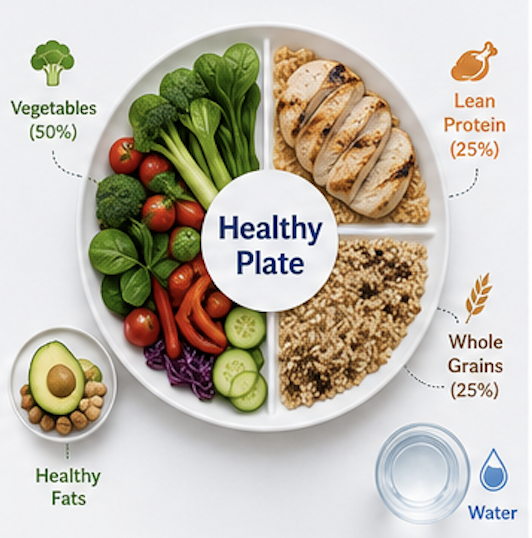
One of the simplest ways to improve your nutrition is to focus on what your plate looks like rather than obsessing over calorie counting.
A balanced meal generally contains:
Half Your Plate: Vegetables
Vegetables provide:
Fiber
Vitamins
Minerals
Antioxidants
Phytochemicals
Aim for a variety of colors, including:
Leafy greens
Broccoli
Bell peppers
Tomatoes
Carrots
Cauliflower
Brussels sprouts
Cucumbers
Zucchini
Different colors provide different nutrients, so variety is key.
One Quarter: Lean Protein
Protein helps:
Build muscle
Repair tissues
Support immune function
Keep you feeling full longer
Healthy protein choices include:
Fish
Chicken
Turkey
Eggs
Beans
Lentils
Greek yogurt
Tofu
Lean beef in moderation
Adults generally benefit from including protein at every meal.
One Quarter: Healthy Carbohydrates
Carbohydrates are your body's preferred source of energy, but quality matters.
Choose carbohydrates such as:
Brown rice
Quinoa
Oats
Sweet potatoes
Whole-grain bread
Beans
Fruit
Limit refined carbohydrates like white bread, pastries, candy, and sugary beverages whenever possible.
Include Healthy Fats
Healthy fats support:
Brain function
Hormone production
Heart health
Vitamin absorption
Good sources include:
Avocados
Olive oil
Nuts
Seeds
Fatty fish such as salmon
Natural nut butters
Healthy fats are nutrient-dense, so moderate portions are generally sufficient.
Building a Healthy Plate
Water is involved in nearly every process within the human body.
Proper hydration supports:
Blood circulation
Digestion
Kidney function
Joint lubrication
Body temperature regulation
Cognitive performance
Physical endurance
Even mild dehydration can contribute to:
Fatigue
Headaches
Poor concentration
Constipation
Dizziness
Reduced exercise performance
How Much Water Do You Need?
Individual needs vary depending on age, activity level, climate, medications, and medical conditions.
General recommendations often suggest approximately:
Women: around 2–3 liters per day from beverages and foods
Men: around 3–4 liters per day from beverages and foods
People living in Arizona often require additional fluids because of the state's hot, dry climate.
Tips for Staying Hydrated
Carry a reusable water bottle.
Drink water consistently throughout the day.
Increase fluid intake during exercise.
Drink additional water during hot weather.
Eat water-rich foods like cucumbers, watermelon, oranges, and strawberries.
Limit excessive sugary beverages.
If you have kidney disease, heart failure, or another medical condition requiring fluid restrictions, follow your healthcare provider's recommendations.
The Importance of Hydration
Regular physical activity is one of the most effective ways to improve your health. Exercise benefits nearly every organ system and can improve both physical and mental well-being.
Benefits of regular exercise include:
Stronger heart
Lower blood pressure
Better blood sugar control
Improved cholesterol levels
Increased muscle strength
Better balance
Healthier bones
Reduced stress
Better sleep
Improved mood
Enhanced cognitive function
How Much Exercise Do Adults Need?
Current recommendations suggest most adults aim for:
At least 150 minutes of moderate-intensity aerobic activity each week
or
75 minutes of vigorous exercise weekly
Additionally, include strength training at least two days per week to maintain muscle mass and bone health.
Remember that any movement is better than none. If you're just getting started, even a 10- to 15-minute walk each day is a positive step.
Examples of Moderate Exercise
Brisk walking
Cycling
Swimming
Hiking
Dancing
Gardening
Water aerobics
Choose activities you genuinely enjoy, as you're more likely to continue them long-term.
Don't Forget Strength Training
Strength training offers benefits beyond building muscle.
It can:
Improve metabolism
Increase bone density
Enhance balance
Reduce fall risk
Improve posture
Preserve muscle during weight loss
Support healthy aging
Resistance bands, bodyweight exercises, free weights, and machines are all effective options.
The best exercise program is the one you'll continue doing consistently.
Exercise for Every Lifestyle
The Role of Sleep in Overall Health
Sleep is often overlooked, yet it is one of the most important pillars of healthy living. During sleep, your body performs essential functions that cannot be fully replaced by diet or exercise alone. Your brain processes memories, your muscles recover, hormones are regulated, and your immune system works to repair and protect your body.
Poor sleep over weeks, months, or years can contribute to a wide range of health problems, including weight gain, high blood pressure, diabetes, heart disease, depression, anxiety, weakened immunity, and reduced concentration.
Most healthy adults should aim for 7 to 9 hours of quality sleep each night, although individual needs vary.
Tips for Better Sleep
Improving sleep often begins with consistent daily habits. Consider the following strategies:
Maintain a consistent bedtime and wake-up time, even on weekends.
Create a cool, dark, and quiet sleep environment.
Limit screen time for at least one hour before bed.
Avoid large meals, alcohol, and excessive caffeine close to bedtime.
Exercise regularly, but avoid vigorous activity immediately before sleep.
Develop a relaxing bedtime routine such as reading, stretching, or meditation.
If you frequently experience loud snoring, pauses in breathing during sleep, excessive daytime fatigue, or chronic insomnia, it's important to discuss these symptoms with your healthcare provider. Sleep disorders such as obstructive sleep apnea are common and can significantly affect your overall health if left untreated.
Prioritizing sleep is not a luxury; it is a fundamental part of supporting long-term health.
Managing Stress for Better Health
Stress is a normal part of life, but when it becomes chronic, it can have significant effects on both physical and mental health. While you may not always be able to control stressful situations, you can develop healthy ways to respond to them.
When you're under stress, your body releases hormones such as cortisol and adrenaline. In the short term, these hormones help you react quickly to challenges. However, when stress remains elevated for long periods, it may contribute to:
High blood pressure
Poor sleep
Increased inflammation
Digestive problems
Frequent headaches
Anxiety and depression
Reduced immune function
Difficulty concentrating
Learning to manage stress is just as important as eating well and exercising regularly.
Healthy Ways to Manage Stress
There is no single strategy that works for everyone, so it helps to explore different techniques until you find what fits your lifestyle.
Healthy stress management strategies include:
Walking outdoors
Regular exercise
Deep breathing exercises
Meditation or mindfulness practice
Yoga or stretching
Spending time with family and friends
Journaling
Listening to music
Reading a book
Spending time in nature
Limiting unnecessary screen time
Taking regular breaks during the workday
Even setting aside 10 to 15 minutes each day for relaxation can improve both your mental and physical well-being.
Know When to Ask for Help
If stress is affecting your relationships, work performance, sleep, or daily life, don't hesitate to seek professional support. Speaking with your primary care provider or a licensed mental health professional can help you develop effective coping strategies and identify any underlying conditions such as anxiety or depression.
Remember that taking care of your mental health is an important part of taking care of your physical health.
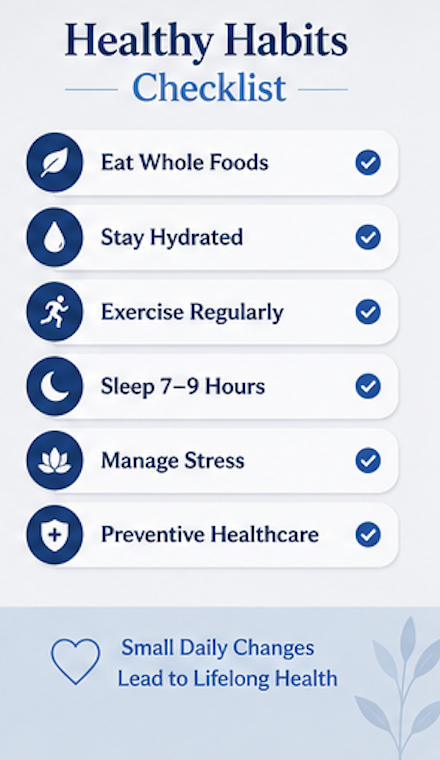
Many people begin a new diet or exercise program with enthusiasm, only to abandon it a few weeks later. Lasting health improvements rarely come from dramatic short-term changes—they come from small, consistent habits practiced over months and years.
Instead of trying to change everything at once, focus on making one or two manageable improvements at a time.
Start Small
Choose goals that are realistic and achievable.
For example:
Drink one extra glass of water each day.
Eat vegetables with dinner every night.
Walk for 15 minutes after lunch.
Replace one sugary drink with water.
Prepare healthy lunches for work.
Go to bed 30 minutes earlier.
Small successes build confidence and create momentum for larger lifestyle changes.
Build Habits Into Your Routine
Healthy behaviors are easier to maintain when they become part of your daily schedule.
Examples include:
Exercising before work every morning
Preparing meals on Sunday for the week ahead
Keeping healthy snacks available
Taking a walk after dinner
Filling your water bottle each morning
Scheduling grocery shopping each week
The less you rely on motivation alone, the more likely your habits are to last.
Focus on Progress, Not Perfection
Everyone has days when they eat less nutritious foods, skip workouts, or don't sleep enough. One unhealthy meal or missed workout does not undo months of healthy choices.
Instead of striving for perfection, aim for consistency.
Healthy living is about what you do most of the time, not what you do occasionally.
Healthy Habits That Last
When Nutrition Alone Isn't Enough
Healthy nutrition and lifestyle habits form the foundation of good health, but they are not always enough to address every medical concern.
Some individuals may have underlying medical conditions that require additional evaluation or treatment, including:
Thyroid disorders
Vitamin and mineral deficiencies
Diabetes or prediabetes
High cholesterol
High blood pressure
Sleep disorders
Digestive disorders
Food intolerances
Autoimmune conditions
If you've been eating well and exercising consistently but still struggle with fatigue, weight changes, digestive issues, chronic pain, or other ongoing symptoms, it may be time for a more comprehensive medical evaluation.
The Value of Preventive Testing
Preventive healthcare isn't just about treating illness; it also includes identifying risk factors before they become serious problems.
Depending on your age, medical history, and individual risk factors, your healthcare provider may recommend:
Routine blood work
Cholesterol testing
Blood sugar screening
Blood pressure monitoring
Thyroid evaluation
Vitamin level assessment
Hormone testing when appropriate
Cancer screening based on national guidelines
These evaluations help create a personalized picture of your health and allow concerns to be addressed early, often before symptoms develop.
How Ask Dr. Hu Can Help
Healthy living looks different for every individual. Your age, medical history, family history, goals, activity level, and lifestyle all influence the recommendations that are right for you.
At Ask Dr. Hu, our approach goes beyond treating illness—we focus on helping patients optimize their health through education, prevention, and personalized medical care.
Depending on your needs, we may help with:
Comprehensive wellness evaluations
Preventive healthcare planning
Nutrition counseling
Weight management
Laboratory testing and interpretation
Health optimization strategies
Chronic disease prevention
Ongoing lifestyle coaching
Convenient telemedicine visits throughout Arizona
Rather than providing one-size-fits-all advice, we work with you to develop realistic, sustainable habits that fit your life and support your long-term health goals.
Key Takeaways
Healthy living isn't about following the latest fad diet or making perfect choices every day. It's about consistently practicing habits that support your overall well-being.
Remember these important principles:
Build meals around whole, nutrient-dense foods.
Stay well hydrated throughout the day.
Make regular physical activity part of your routine.
Prioritize quality sleep every night.
Learn healthy ways to manage stress.
Focus on gradual, sustainable habit changes.
Schedule routine preventive healthcare visits.
Address health concerns early rather than waiting until symptoms become severe.
The choices you make today can have a meaningful impact on your health for years to come.
Even small improvements, when practiced consistently, can lead to significant long-term benefits.
Frequently Asked Questions
-
No. There is no single eating pattern that works for every person. A healthy diet should be individualized based on your medical history, personal preferences, activity level, and health goals. Most people benefit from emphasizing whole, minimally processed foods while limiting excess added sugars and highly processed products.
-
Research suggests that forming lasting habits can take anywhere from several weeks to several months. The exact timeline varies from person to person. Consistency is far more important than speed.
-
Some people can meet their nutritional needs through food alone, while others may benefit from supplements because of dietary restrictions, medical conditions, medications, or documented deficiencies. It's generally best to discuss supplements with your healthcare provider before starting them.
-
While no lifestyle can eliminate every health risk, healthy habits can significantly reduce the likelihood of developing many chronic conditions, including heart disease, type 2 diabetes, obesity, and high blood pressure. They can also improve quality of life and support healthy aging.

Ready to Take the Next Step?
Improving your health doesn't require an overnight transformation. It begins with one healthy choice, followed by another, and another. Over time, these small decisions become habits that support lifelong wellness.
Whether you're looking to improve your nutrition, lose weight, increase your energy, manage a chronic condition, or simply take a more proactive approach to your health, personalized medical guidance can help you reach your goals with confidence.
At Ask Dr. Hu, we provide concierge medical care, preventive healthcare, nutrition guidance, and comprehensive health optimization services for patients throughout Arizona. Together, we can create a personalized plan that fits your lifestyle and helps you build healthier habits that last.
Ready to invest in your long-term health? Contact Ask Dr. Hu today to schedule a consultation and take the next step toward a healthier future.
Healthy living is about more than simply treating illness; it also involves reducing health risks, supporting overall well-being, and helping you feel your best at every stage of life. Whether you're looking to improve your nutrition, increase your energy, manage a chronic condition, or take a more proactive approach to your wellness, personalized medical guidance can help you reach your goals with confidence.