Preventive Healthcare: Why Prevention Is Better Than Treatment

Written by YiQiu Hu, NMD
Arizona-licensed naturopathic physician and concierge medicine provider
Published July 2026 | Medically reviewed July 2026
Most people seek medical care only after they become sick. While treating illness is an important part of medicine, preventing disease before it develops is often the most effective way to protect your long-term health.
Preventive healthcare focuses on identifying health risks early, promoting healthy lifestyle habits, and detecting medical conditions before they become serious. From routine screenings and vaccinations to personalized nutrition and exercise recommendations, preventive care helps people live healthier, longer lives.
At Ask Dr. Hu, prevention is a cornerstone of our approach to medicine. We believe healthcare should be proactive rather than reactive, helping patients maintain their health instead of simply treating disease after it occurs.
What Is Preventive Healthcare?
Preventive healthcare refers to medical care designed to prevent disease, identify health problems early, and reduce the risk of future illness.
Instead of waiting for symptoms to develop, preventive healthcare emphasizes regular checkups, health screenings, lifestyle counseling, and risk assessment.
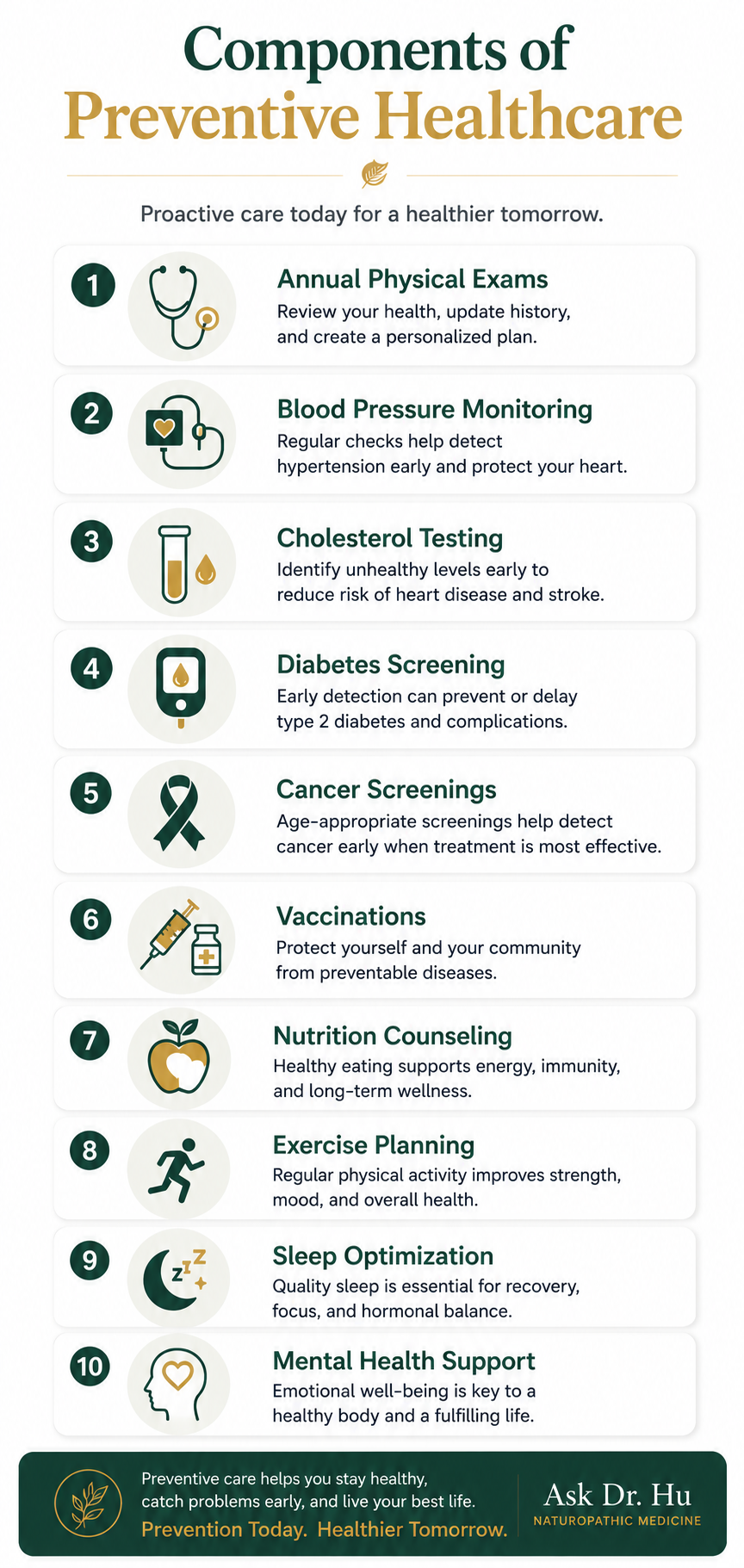
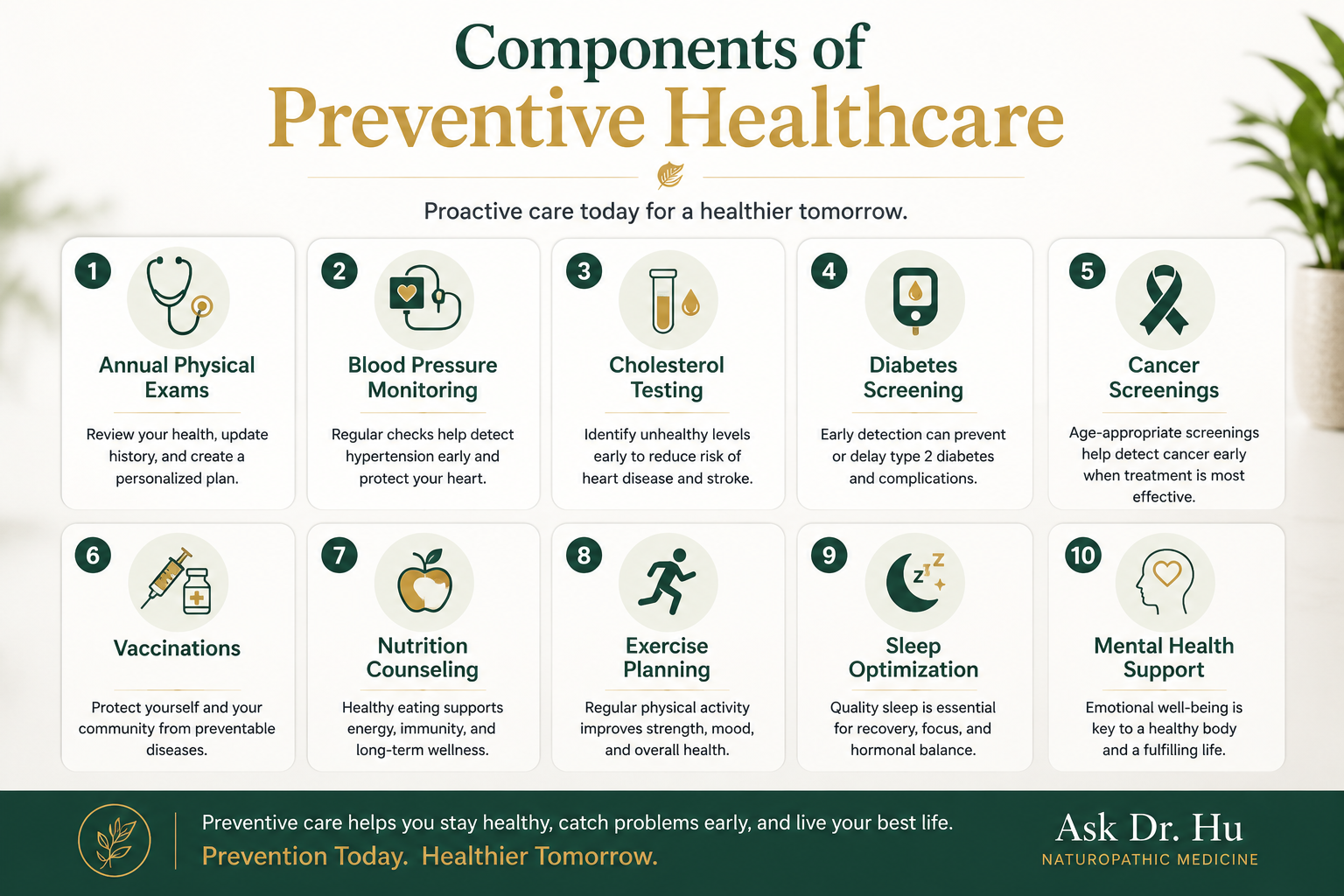
Preventive care may include:
Blood pressure monitoring
Cholesterol testing
Diabetes screening
Cancer screenings
Vaccinations
Nutritional counseling
Exercise planning
Mental health screening
Smoking cessation support
Sleep optimization
The goal is simple: keep healthy people healthy while identifying problems before they become difficult or expensive to treat.
Why Prevention Is Better Than Treatment
Many of today's leading causes of death, including heart disease, stroke, type 2 diabetes, and several forms of cancer, often develop slowly over many years.
By the time symptoms appear, significant damage may already have occurred.
Preventive healthcare offers several important advantages:
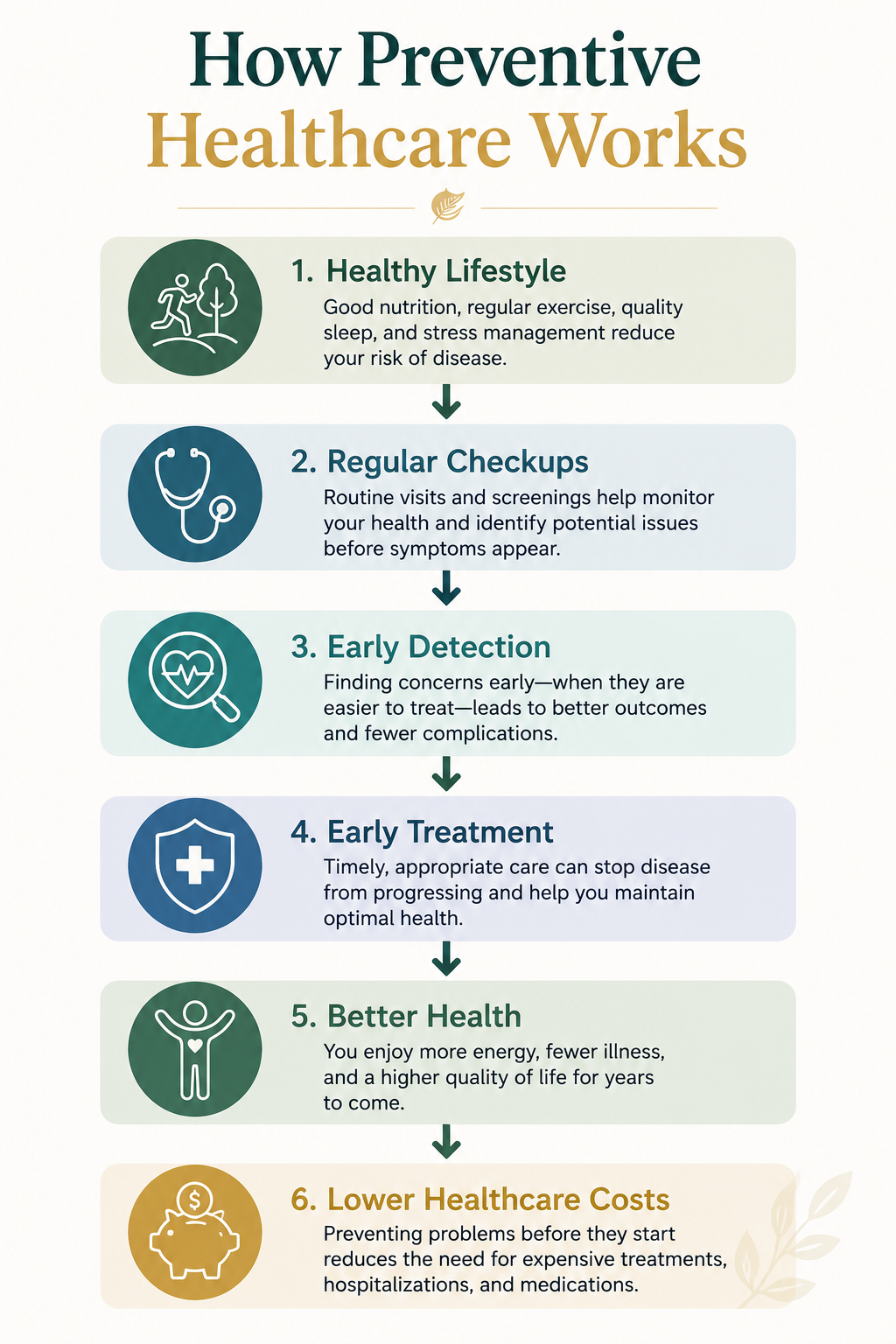
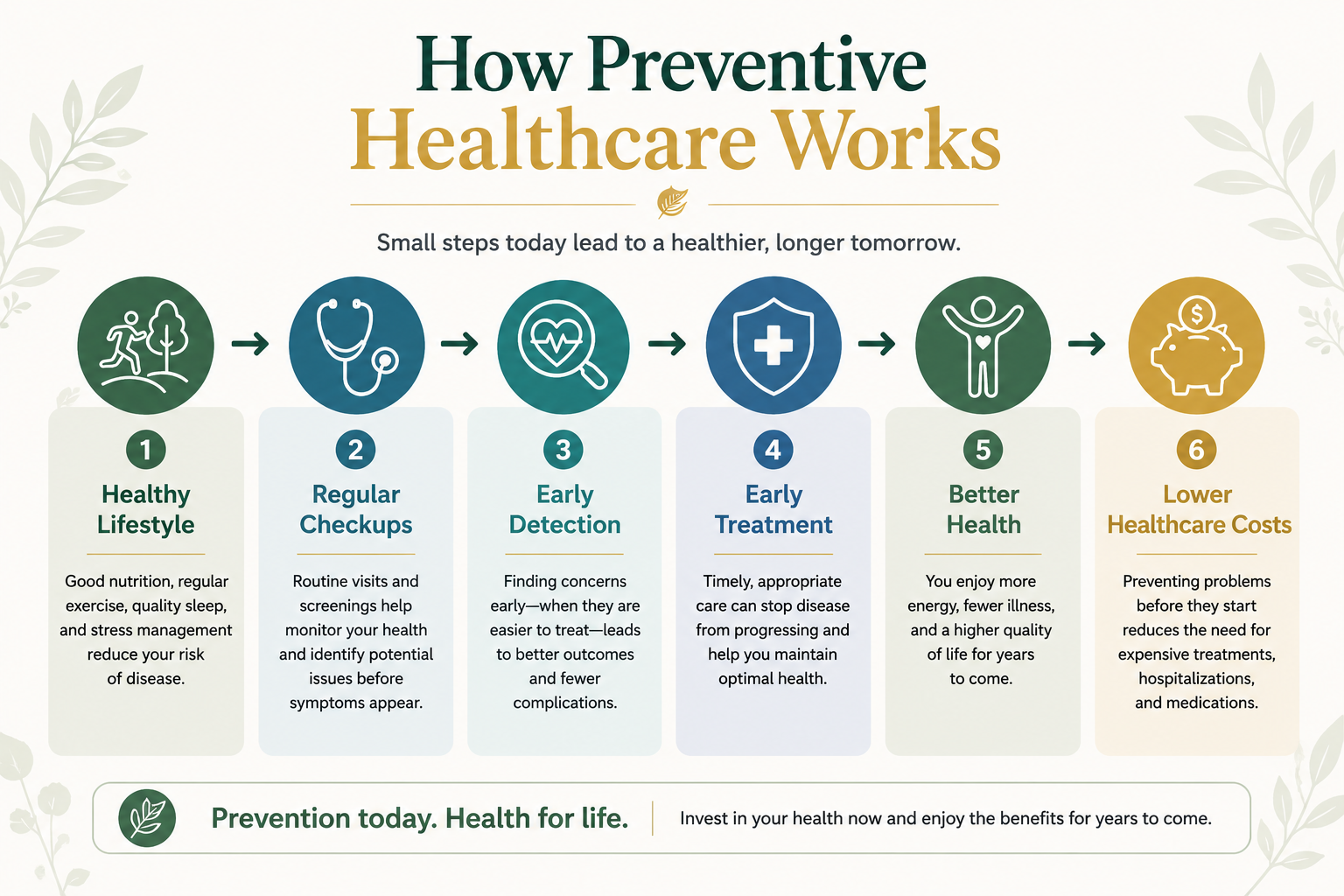
Earlier Detection
Many medical conditions develop silently.
Examples include:
High blood pressure
High cholesterol
Prediabetes
Early kidney disease
Osteoporosis
Certain cancers
Routine screening allows these conditions to be identified before complications develop.
More Effective Treatment
When diseases are discovered early, treatment is often:
Less invasive
Less expensive
More successful
Associated with fewer complications
Early intervention frequently improves long-term outcomes.
Lower Healthcare Costs
Preventing illness is generally less expensive than treating advanced disease.
For example:
Managing elevated blood pressure may prevent hospitalization for stroke.
Identifying prediabetes may prevent lifelong diabetes treatment.
Detecting colon polyps can prevent colorectal cancer.
Small interventions today can prevent major medical expenses in the future.
Better Quality of Life
Perhaps the greatest benefit of prevention is maintaining health and independence.
Instead of spending years managing chronic illness, preventive healthcare helps people continue enjoying work, travel, family, and hobbies.
The Three Levels of Preventive Healthcare
Preventive medicine can be divided into three categories.
Primary Prevention
Primary prevention aims to stop disease before it begins.
Examples include:
Healthy eating
Regular exercise
Maintaining a healthy weight
Vaccinations
Smoking cessation
Sun protection
Adequate sleep
Stress management
Secondary Prevention
Secondary prevention focuses on early detection.
Examples include:
Mammograms
Colon cancer screening
Blood pressure checks
Cholesterol testing
Diabetes screening
Bone density testing
Skin examinations
The earlier a condition is identified, the easier it often is to manage.
Tertiary Prevention
Tertiary prevention reduces complications after a disease has already been diagnosed.
Examples include:
Blood sugar management in diabetes
Cardiac rehabilitation after a heart attack
Physical therapy after injury
Blood pressure control after stroke
Although disease has already developed, proper management can improve quality of life and reduce future complications.
Preventive healthcare extends far beyond an annual physical.
Examples include:
Annual Wellness Visits
Regular visits allow your physician to:
Review medical history
Update medications
Monitor chronic conditions
Discuss lifestyle habits
Review family history
Assess new risk factors
Depending on your age and risk factors, laboratory evaluation may include:
Complete blood count
Comprehensive metabolic panel
Lipid panel
Blood sugar testing
Hemoglobin A1c
Thyroid function
Vitamin deficiencies
Kidney function
Liver function
Testing should always be individualized rather than ordered routinely without purpose.
Blood Pressure Monitoring
Hypertension often causes no symptoms until significant damage has occurred.
Routine blood pressure monitoring remains one of the simplest and most effective preventive tools available.
Cancer Screening
Appropriate cancer screening may include:
Colon cancer screening
Breast cancer screening
Cervical cancer screening
Prostate cancer screening
Skin cancer examinations
Lung cancer screening for eligible individuals
The recommended timing depends on your age, family history, and individual risk factors.
Vaccinations
Vaccines remain one of the safest and most effective methods of preventing infectious diseases.
Your physician can recommend vaccines based on your age, occupation, travel plans, and medical history.
Examples of Preventive Medical Care
Lifestyle Habits That Prevent Chronic Disease
Daily habits have a tremendous impact on long-term health.
Some of the most effective preventive strategies include:
Healthy Nutrition
A balanced diet rich in:
Vegetables
Fruits
Lean proteins
Healthy fats
Whole grains
High-fiber foods
can help reduce the risk of heart disease, diabetes, obesity, and certain cancers.
Regular Physical Activity
Exercise supports:
Heart health
Weight management
Mental health
Bone strength
Blood sugar control
Healthy aging
Even moderate activity performed consistently provides significant health benefits.
Adequate Sleep
Poor sleep has been associated with:
Obesity
Diabetes
High blood pressure
Depression
Reduced immune function
Adults should generally aim for seven to nine hours of quality sleep each night.
Stress Management
Chronic stress affects nearly every organ system.
Helpful strategies include:
Mindfulness
Exercise
Counseling
Relaxation techniques
Spending time outdoors
Strong social connections
Avoiding Tobacco
Smoking remains one of the leading preventable causes of disease worldwide.
Quitting smoking significantly lowers the risk of heart disease, stroke, chronic lung disease, and many cancers.
Preventive Screenings Every Adult Should Consider
Every person's healthcare needs are different, but common preventive services may include:
Blood pressure checks
Cholesterol screening
Diabetes screening
Weight assessment
Depression screening
Skin examinations
Vision testing
Hearing evaluations
Cancer screenings appropriate for age
Bone density testing when indicated
Vaccination review
Your physician can recommend the appropriate schedule based on your personal medical history and risk factors.
Personalized Prevention Is More Effective
General health recommendations are valuable, but preventive care works best when tailored to the individual.
Factors that influence preventive recommendations include:
Age
Family history
Occupation
Lifestyle
Existing medical conditions
Medications
Personal health goals
A personalized preventive healthcare plan allows physicians to focus on the screenings and interventions most likely to benefit you.
How Concierge Medicine Supports Preventive Healthcare
One challenge in traditional healthcare is limited appointment time.
When visits are brief and focused on immediate concerns, there may be little opportunity to discuss prevention in depth.
Concierge medicine offers a different approach.
With greater access to your physician, preventive care can become an ongoing conversation rather than a once-a-year checklist.
Patients often benefit from:
Longer appointments
Comprehensive health reviews
Personalized wellness planning
Preventive laboratory evaluation when appropriate
Nutrition and lifestyle counseling
Follow-up to monitor progress
Easier communication between visits
Earlier evaluation of new symptoms
This proactive approach helps identify potential problems before they become major health issues and supports long-term wellness.
-
Preventive healthcare focuses on preventing disease, identifying medical conditions early, and promoting healthy lifestyle habits before serious illness develops.
-
Most adults benefit from an annual preventive visit, although the frequency of certain screenings depends on age, personal risk factors, and existing medical conditions.
-
No. Preventive care is important throughout life. Healthy habits, routine screenings, and age-appropriate evaluations can benefit children, young adults, middle-aged adults, and seniors alike.
-
It can. Your physician may recommend blood tests based on your age, medical history, symptoms, medications, and risk factors. Testing should be individualized rather than performed routinely without a clear reason.
-
Yes. Healthy nutrition, regular physical activity, adequate sleep, maintaining a healthy weight, avoiding tobacco, and managing stress have all been shown to reduce the risk of many chronic diseases.
Frequently Asked Questions
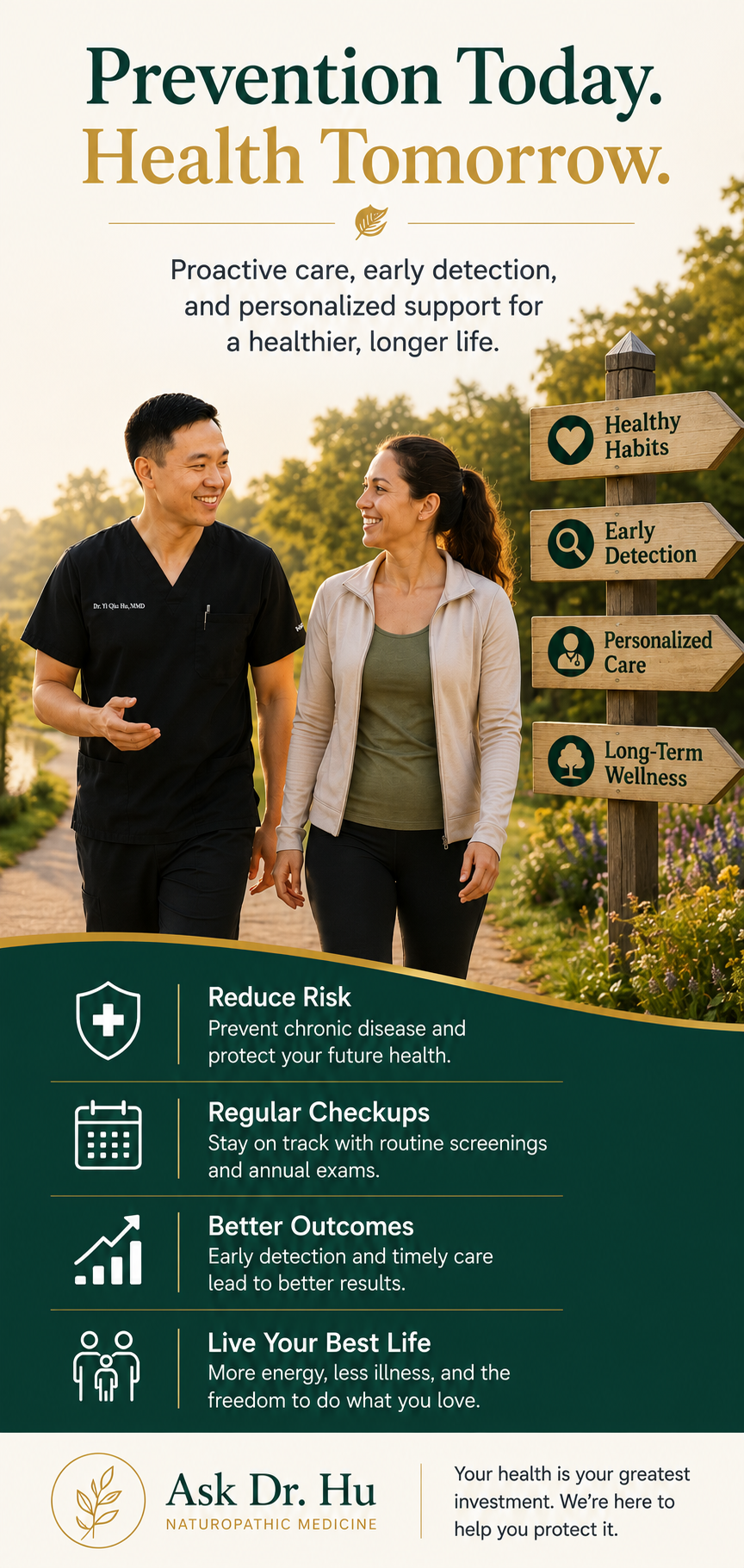
The best healthcare is not simply about treating illness—it is about helping you stay healthy for years to come.
Preventive healthcare empowers you to make informed decisions, identify potential health concerns early, and reduce your risk of chronic disease through personalized medical guidance and healthy lifestyle choices.
At Ask Dr. Hu, we believe prevention is one of the most important investments you can make in your future health. Through comprehensive evaluations, personalized recommendations, and ongoing support, our goal is to help you maintain wellness rather than waiting until illness develops.
Whether you're looking to optimize your health, manage risk factors, or establish a long-term relationship with a physician who prioritizes prevention, we're here to help you take a proactive approach to your healthcare journey.