A Patient's Guide to Understanding Blood Work and Laboratory Testing
Written by YiQiu Hu, NMD
Arizona-licensed naturopathic physician and concierge medicine provider
Published July 2026 | Medically reviewed July 2026
Introduction
Blood work is one of the most valuable tools your healthcare provider can use to understand your overall health. Whether you're having routine annual screening, monitoring a chronic condition, investigating new symptoms, or simply trying to optimize your health, laboratory testing provides important information that often cannot be seen during a physical examination alone.
For many patients, however, receiving a list of lab results can feel overwhelming. Numbers, abbreviations, and reference ranges can make it difficult to understand what the results actually mean. It's also common to worry after seeing a value highlighted as "high" or "low," even when the result may not be clinically significant.
This guide explains the basics of blood work, why laboratory testing matters, what common tests measure, and how to better understand your results so you can have more informed conversations with your healthcare provider.

Laboratory testing allows your physician to evaluate many aspects of your health before symptoms develop. In many cases, blood tests can identify early changes that allow medical conditions to be addressed sooner.
Blood work may be used to:
Screen for disease before symptoms appear
Monitor chronic medical conditions
Evaluate new symptoms
Assess nutritional status
Measure hormone levels
Evaluate kidney and liver function
Monitor medication safety
Track improvements after lifestyle changes
Guide personalized treatment decisions
Rather than relying on a single symptom or physical finding, laboratory testing provides objective information that helps build a more complete picture of your health.
Why Blood Work Is Important
When Should You Have Blood Work?
The right testing schedule depends on your age, medical history, family history, medications, and personal health goals.
Many healthy adults benefit from routine preventive laboratory testing every one to two years, while others may require more frequent monitoring.
Your healthcare provider may recommend blood work if you:
Are having an annual wellness visit
Have high blood pressure
Have diabetes or prediabetes
Have elevated cholesterol
Experience fatigue
Notice unexplained weight changes
Have digestive concerns
Take prescription medications requiring monitoring
Have a family history of chronic disease
Are beginning a new treatment plan
People focused on health optimization may also choose periodic laboratory testing to monitor metabolic health, nutritional status, and cardiovascular risk factors.
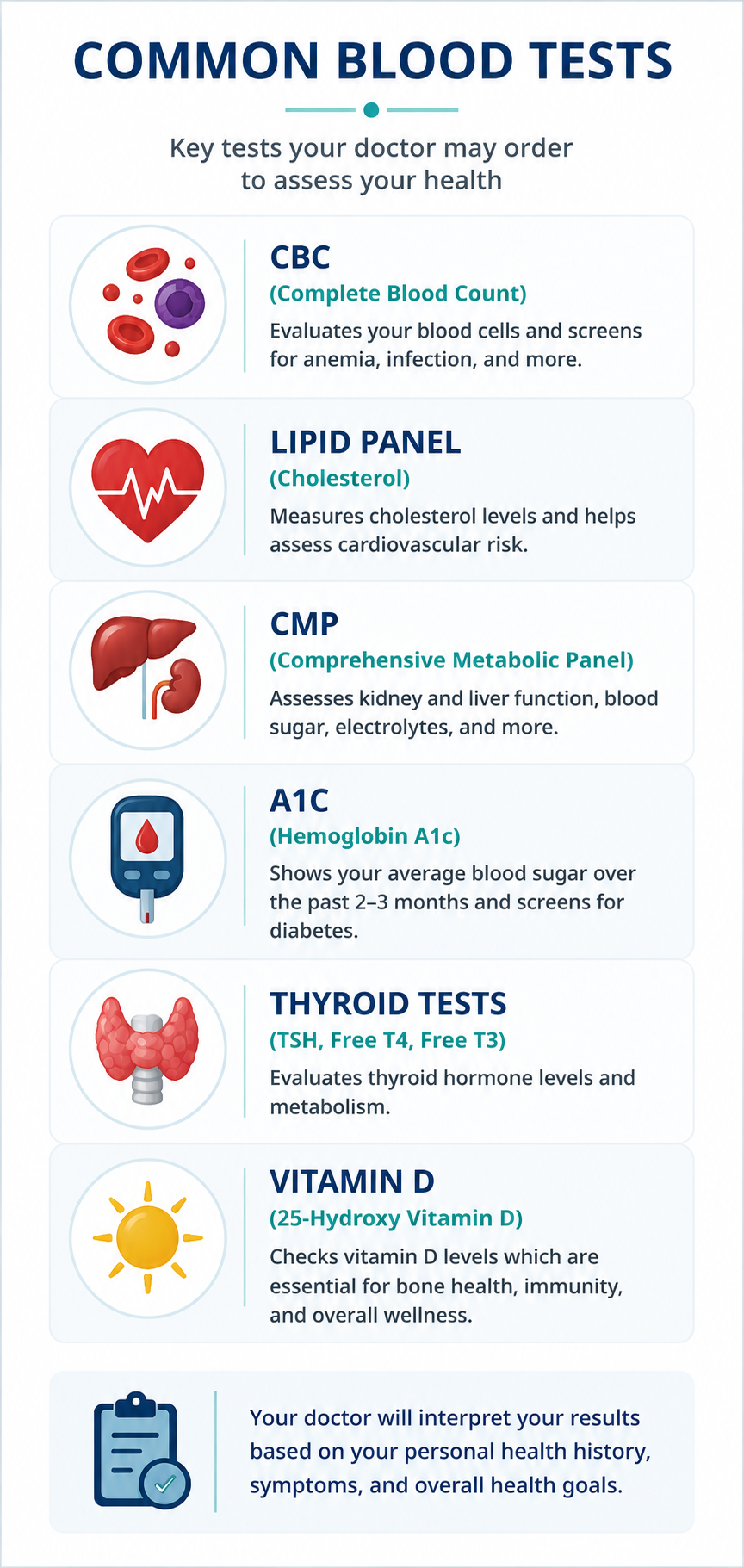
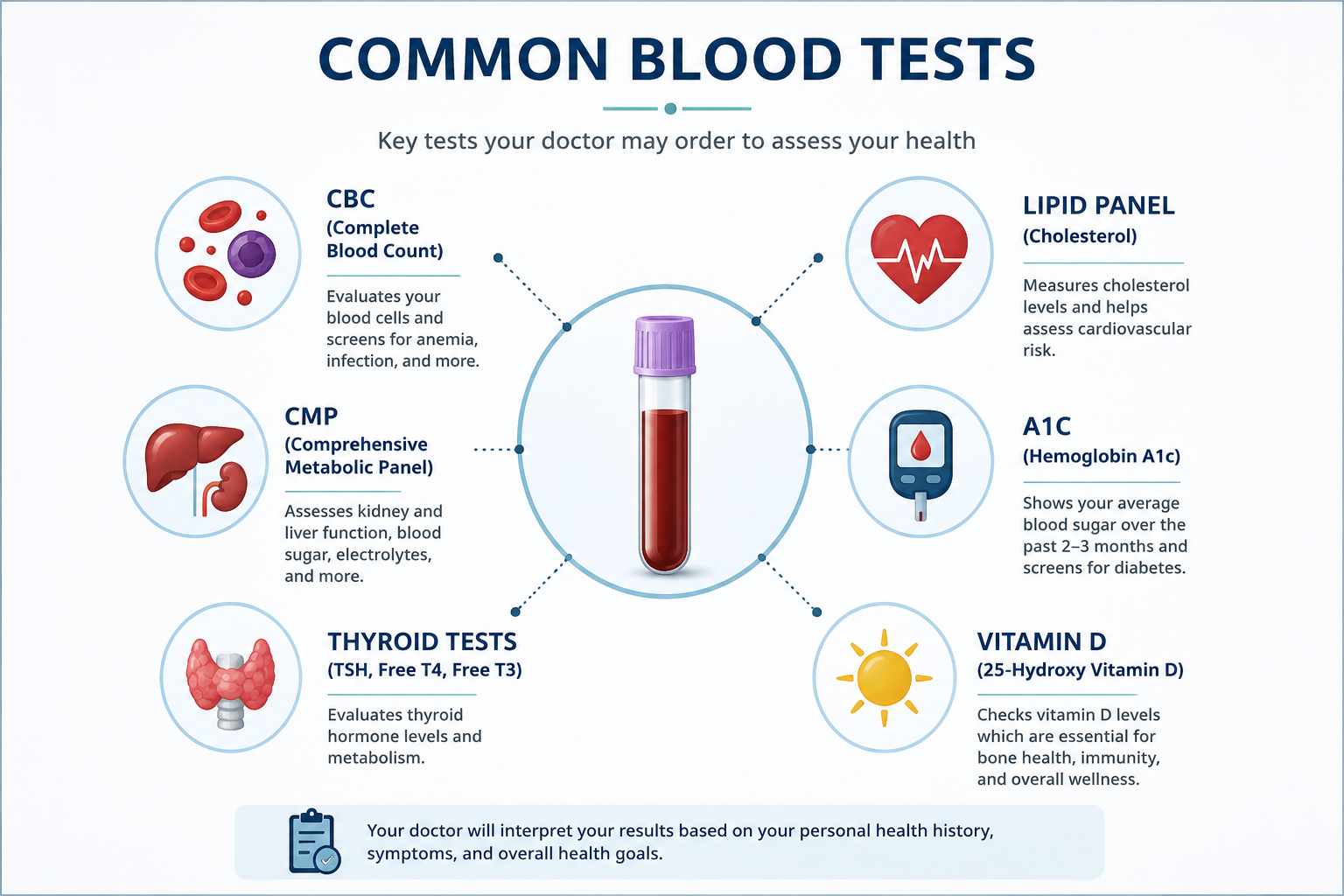
Complete Blood Count (CBC)
A CBC evaluates your blood cells and is commonly used to screen for:
Anemia
Infection
Inflammation
Certain blood disorders
The CBC measures:
White blood cells
Red blood cells
Hemoglobin
Hematocrit
Platelets
Changes in these values help your provider determine whether additional testing may be necessary.
Comprehensive Metabolic Panel (CMP)
The CMP evaluates several important body systems in one blood test.
It includes measurements related to:
Kidney function
Liver function
Blood sugar
Electrolytes
Protein levels
Because it provides information about multiple organs, the CMP is one of the most commonly ordered laboratory panels.
Lipid Panel
A lipid panel evaluates cholesterol levels and cardiovascular risk.
Typical measurements include:
Total cholesterol
LDL ("bad") cholesterol
HDL ("good") cholesterol
Triglycerides
Your healthcare provider interprets these values alongside factors such as age, blood pressure, family history, smoking status, diabetes, and overall cardiovascular risk.
Hemoglobin A1c
Hemoglobin A1c estimates your average blood sugar over approximately three months.
It is commonly used to:
Screen for diabetes
Diagnose diabetes
Monitor diabetes treatment
Evaluate prediabetes
Unlike a single fasting glucose measurement, A1c provides a longer-term view of blood sugar control.
Thyroid Testing
Thyroid hormones influence metabolism, energy, mood, weight, heart rate, and body temperature.
Common thyroid tests include:
TSH
Free T4
Free T3 (when appropriate)
Depending on your symptoms, your provider may also evaluate thyroid antibodies.
Vitamin Levels
Certain vitamin deficiencies are common and may contribute to symptoms such as fatigue, numbness, muscle weakness, or poor bone health.
Frequently evaluated vitamins include:
Vitamin D
Vitamin B12
Folate
Testing is generally recommended based on symptoms, medical history, diet, or individual risk factors.
Iron Studies
Iron testing helps determine whether low iron stores or iron deficiency may be contributing to fatigue or anemia.
Testing may include:
Ferritin
Serum iron
Total iron-binding capacity (TIBC)
Transferrin saturation
Inflammatory Markers
Certain laboratory tests help evaluate inflammation within the body.
Common examples include:
C-reactive protein (CRP)
High-sensitivity CRP (hs-CRP)
Erythrocyte sedimentation rate (ESR)
These tests are interpreted alongside your symptoms and medical history rather than being used alone to diagnose disease.
Hormone Testing
Depending on your symptoms and age, hormone testing may include evaluation of:
Progesterone
Cortisol
DHEA
Luteinizing hormone (LH)
Follicle-stimulating hormone (FSH)
Hormone testing is usually most useful when ordered for specific clinical reasons rather than as routine screening for everyone.
Common Blood Tests Explained
Following your provider's instructions helps ensure the most accurate results.
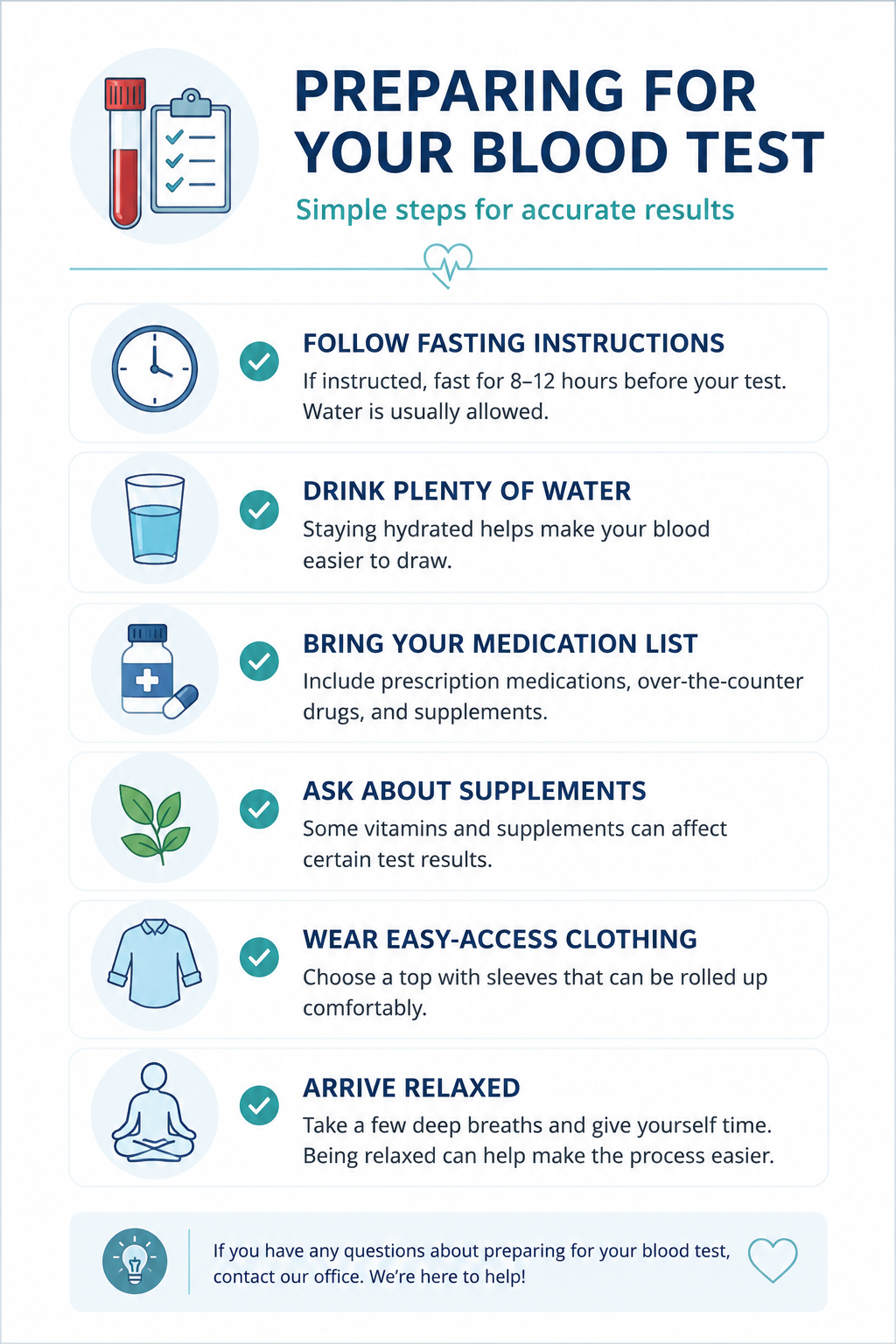
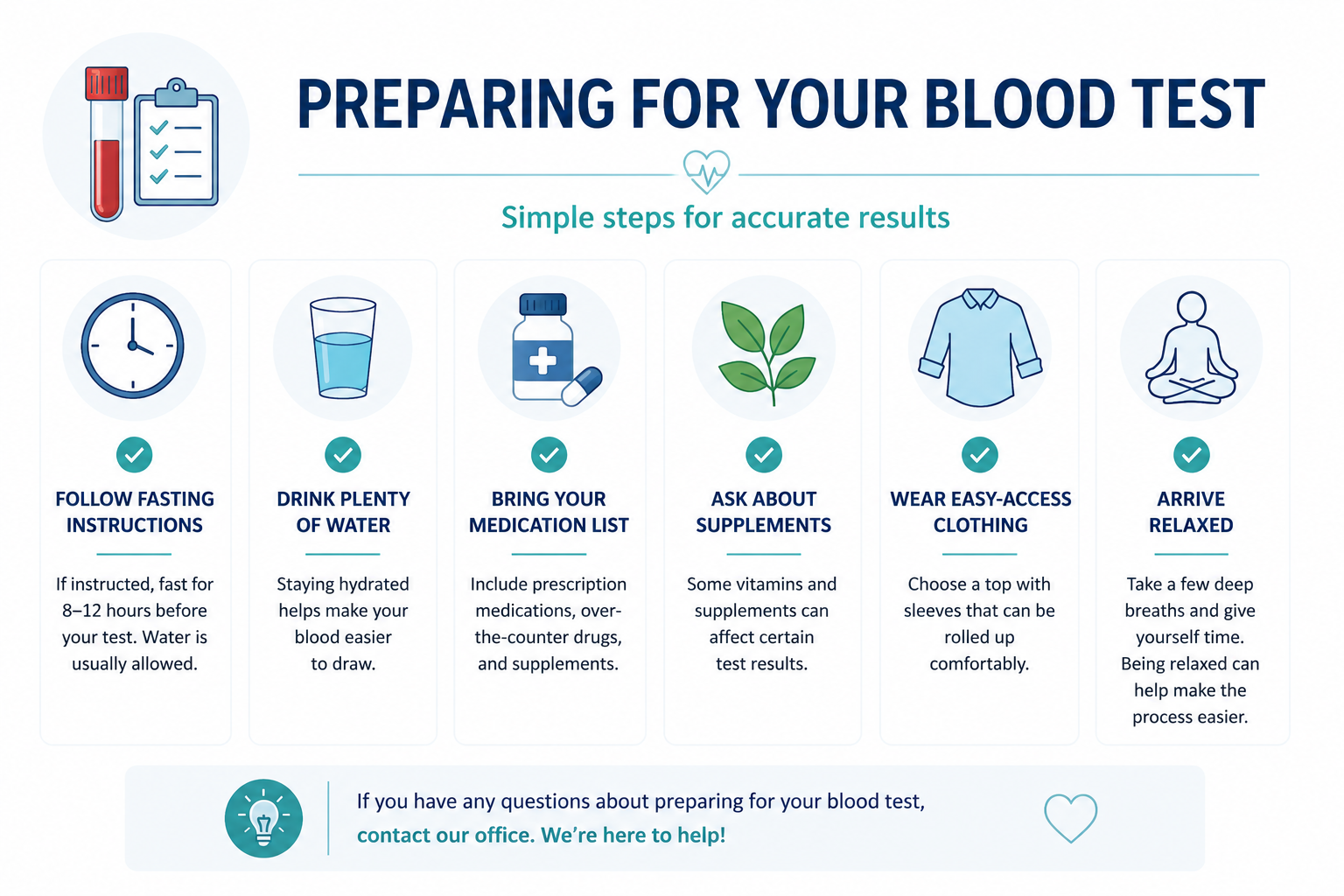
Depending on the tests ordered, preparation may include:
Fasting
Some blood tests require fasting for 8–12 hours.
During a fasting period, water is usually encouraged unless instructed otherwise.
Stay Hydrated
Drinking water before your blood draw can make veins easier to access and may improve the collection process.
Discuss Medications
Do not stop prescription medications unless your healthcare provider specifically instructs you to do so.
Certain supplements may also affect laboratory values, so it's important to tell your provider everything you take.
Avoid Heavy Exercise
Intense exercise immediately before laboratory testing may temporarily affect certain results, including muscle enzymes and inflammatory markers.
Limit Alcohol
Alcohol consumption before blood work may temporarily influence liver enzymes, blood sugar, triglycerides, and other laboratory values.
How to Prepare for Blood Work
What Does "Normal Range" Really Mean?
Many patients assume that anything outside the reference range automatically means something is wrong.
In reality, laboratory interpretation is more nuanced.
Reference ranges are developed using large groups of generally healthy individuals. By definition, some healthy people naturally fall just outside these ranges.
Your healthcare provider considers many factors, including:
Your age
Sex
Medical history
Current symptoms
Medications
Previous laboratory results
Overall trends over time
Often, a small abnormality is much less important than a consistent trend developing over several years.
What Happens If My Blood Work Is Abnormal?
Seeing an abnormal result can be stressful, but it does not necessarily mean you have a serious medical condition.
Many abnormal values are caused by:
Temporary illness
Dehydration
Recent exercise
Fasting status
Certain medications
Normal biological variation
Laboratory variation
Sometimes your provider may recommend repeating the test before deciding whether further evaluation is necessary.
If abnormalities persist, additional testing may help determine the underlying cause.
How Often Should Blood Work Be Repeated?
There is no single schedule that fits everyone.
General recommendations may include:
Healthy adults: every 1–2 years
Patients with chronic medical conditions: as recommended by their healthcare provider
Medication monitoring: periodically based on the medication
Health optimization programs: individualized monitoring depending on treatment goals
Your healthcare provider can recommend the testing schedule that best fits your personal health needs.
When reviewing your laboratory results, consider asking:
Were all of my results within expected ranges?
Which results are most important?
Do any abnormal values require additional testing?
Should any results be repeated?
Are there lifestyle changes that could improve my numbers?
Do I need additional screening?
How do my current results compare with previous years?
When should I repeat my blood work?
These conversations can help you better understand your health and participate in shared decision-making.
Questions to Ask Your Healthcare Provider
Frequently Asked Questions
-
No. Only certain laboratory tests require fasting. Always follow the instructions provided by your healthcare provider or laboratory.
-
Yes. A mildly abnormal result may reflect normal biological variation or temporary factors. Your provider interprets results within the context of your overall health.
-
Many routine laboratory tests are available within one to three business days, while specialized testing may take longer.
-
No. Blood tests provide valuable information, but they are only one part of the diagnostic process. Your symptoms, medical history, physical examination, and imaging studies may also be important.
-
Online resources can provide general education, but laboratory values should always be interpreted in the context of your medical history and symptoms. Your healthcare provider is best equipped to explain what your results mean for you.


Final Thoughts
Understanding your blood work helps you become a more informed and active participant in your healthcare. Laboratory testing can identify early health concerns, monitor existing conditions, and provide valuable insight into your overall wellness.
Remember that laboratory results should never be viewed in isolation. The most meaningful interpretation comes from combining your blood work with your medical history, current symptoms, physical examination, and long-term health goals.
If you have questions about your laboratory results or would like a personalized preventive health evaluation, Ask Dr. Hu offers comprehensive laboratory review, preventive health assessments, and concierge medical care designed to help patients better understand their health and make informed decisions for the future.
Whether you're due for routine preventive screening, looking to better understand previous lab results, or interested in taking a more proactive approach to your health, personalized laboratory testing can provide valuable insights.
At Ask Dr. Hu, we take the time to review your results in detail, explain what they mean in the context of your overall health, and develop a personalized plan based on your goals—not just individual numbers on a report.
Ready to take the next step? Schedule a consultation to discuss your laboratory testing needs and receive personalized recommendations.