
What Is Naturopathic Medicine? A Complete Guide for Arizona Patients
Written by YiQiu Hu, NMD
Arizona-licensed naturopathic physician and concierge medicine provider
Published July 2026 | Medically reviewed July 2026
Introduction
Choosing a healthcare provider is one of the most important decisions you can make for your long-term health. If you've been researching different approaches to medicine, you've likely come across the term naturopathic medicine. But what exactly is it, and how does it differ from conventional medical care?
Naturopathic medicine is a patient-centered approach to healthcare that combines modern medical science with evidence-informed natural therapies. Rather than focusing solely on treating symptoms, naturopathic physicians aim to identify and address the underlying factors contributing to illness while helping patients optimize their overall health.
As a licensed naturopathic physician practicing in Arizona, I've found that many patients are looking for a physician who will take the time to understand their complete health story, not just their current symptoms. This guide explains what naturopathic medicine is, how naturopathic physicians are trained, what conditions they commonly treat, and whether this approach may be right for you.
Naturopathic medicine is a distinct system of healthcare that emphasizes prevention, education, individualized treatment, and supporting the body's natural ability to heal. Licensed naturopathic physicians receive medical training in diagnosis, laboratory interpretation, physical examination, disease prevention, and patient management while also learning evidence-informed natural therapies.
Rather than asking only, "What medication treats this condition?" naturopathic physicians often ask additional questions such as:
Why did this condition develop?
What lifestyle factors may be contributing?
Are nutritional deficiencies playing a role?
Is chronic stress affecting overall health?
Could sleep, exercise, or environmental factors be influencing symptoms?
How can we improve long-term health while managing the current problem?
This broader perspective allows treatment plans to be tailored to each individual's goals, medical history, and preferences.
What Is Naturopathic Medicine?
The Six Principles of Naturopathic Medicine
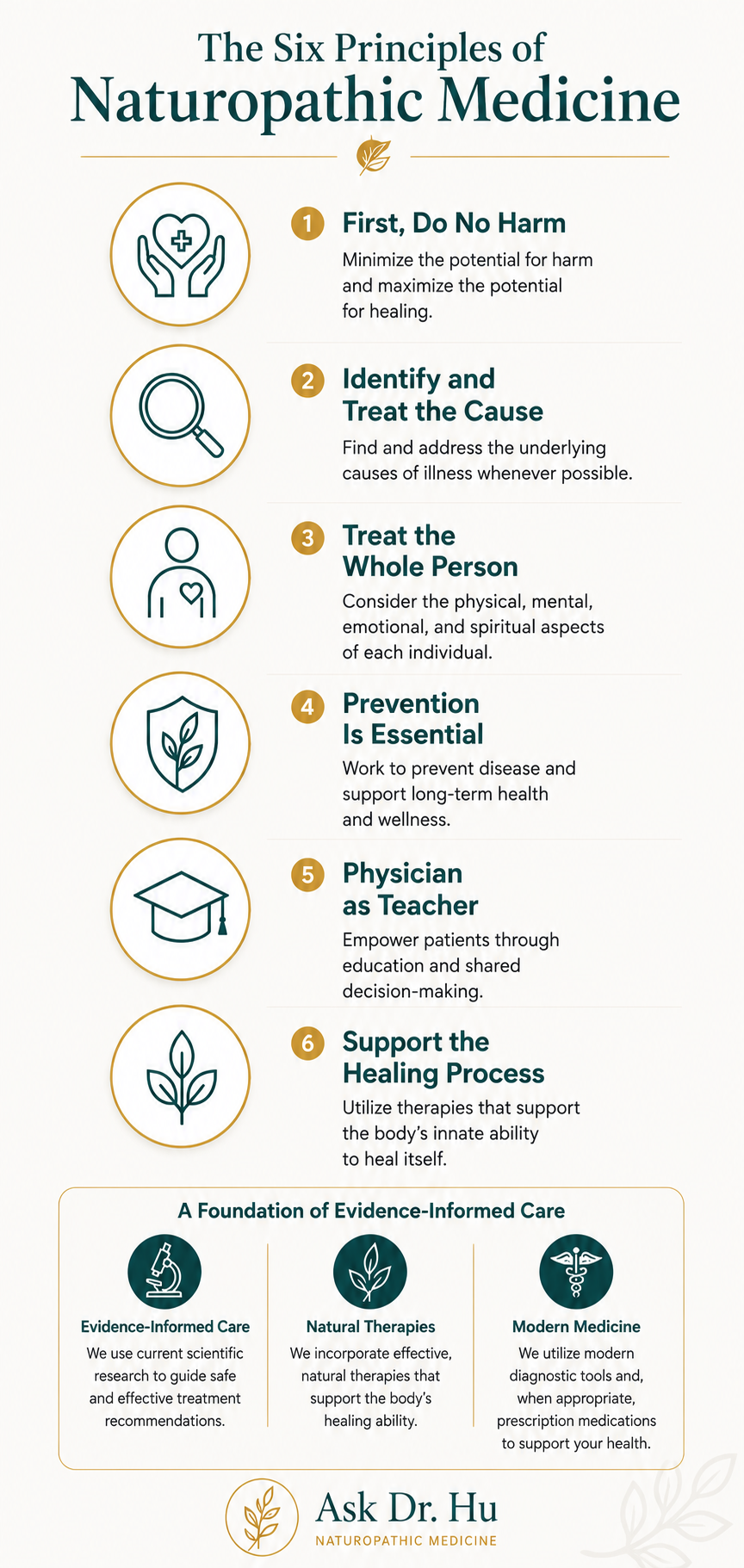
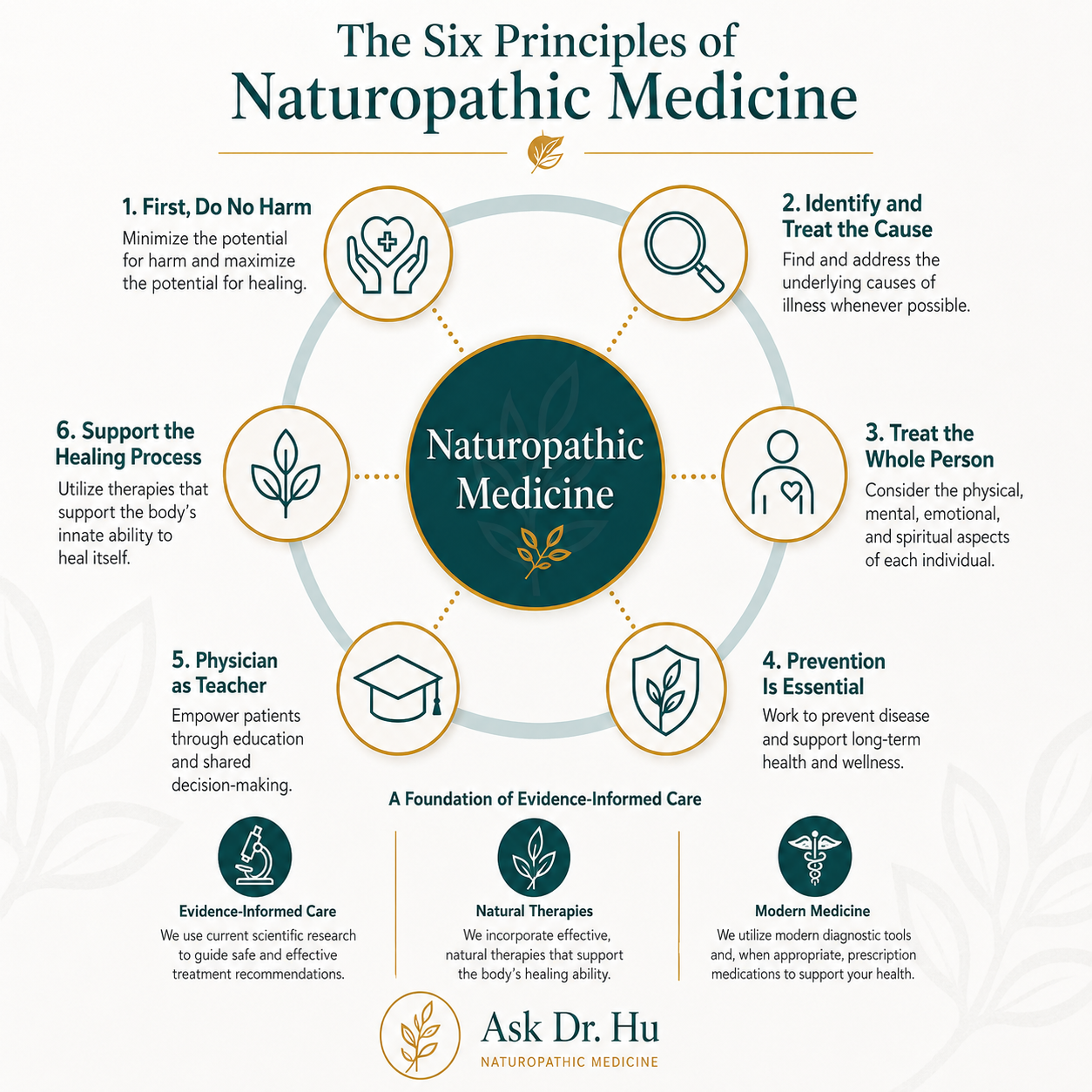
Naturopathic medicine is guided by several foundational principles that shape how physicians approach patient care.
First, Do No Harm
Treatment recommendations should aim to maximize benefit while minimizing unnecessary risk whenever appropriate.
Identify and Treat the Cause
Instead of focusing only on symptom relief, naturopathic physicians work to identify underlying contributors whenever possible.
Support the Healing Process
The human body has remarkable healing capabilities. Healthy nutrition, adequate sleep, exercise, stress management, and appropriate medical care all contribute to recovery and long-term wellness.
Treat the Whole Person
Health involves much more than laboratory values or individual diagnoses. Physical health, mental well-being, lifestyle, family history, nutrition, and environmental factors all influence overall health.
Prevention Is Essential
Preventing disease is often more effective than treating it after it develops. Routine screening, healthy lifestyle habits, and early intervention are central to naturopathic medicine.
Physician as Teacher
Education is an important part of every visit. Understanding why a treatment is recommended helps patients become active participants in their own healthcare.
One of the biggest misconceptions is that anyone who practices natural medicine is a naturopathic physician. In reality, licensed naturopathic physicians complete extensive medical education.
Arizona licenses naturopathic physicians who graduate from accredited naturopathic medical schools and successfully complete national licensing examinations. Their education includes subjects such as:
Anatomy
Physiology
Biochemistry
Pathology
Pharmacology
Clinical diagnosis
Laboratory medicine
Physical examination
Nutrition
Botanical medicine
Lifestyle medicine
Minor office procedures
Licensing requirements vary from state to state, so patients should verify whether a provider is licensed in their state.
How Are Naturopathic Physicians Trained?
Naturopathic physicians commonly help patients with both acute and chronic medical concerns. Depending on the physician's training, experience, and state scope of practice, care may include:
High blood pressure
High cholesterol
Diabetes and prediabetes
Thyroid disorders
Hormonal concerns
Fatigue
Digestive issues
Joint pain
Headaches
Seasonal allergies
Skin conditions
Anxiety and stress-related concerns
Preventive health evaluations
General primary care
Many naturopathic physicians also focus on optimizing overall health, helping patients reduce risk factors before disease develops.
What Conditions Can Naturopathic Physicians Treat?
Common Treatments Used in Naturopathic Medicine
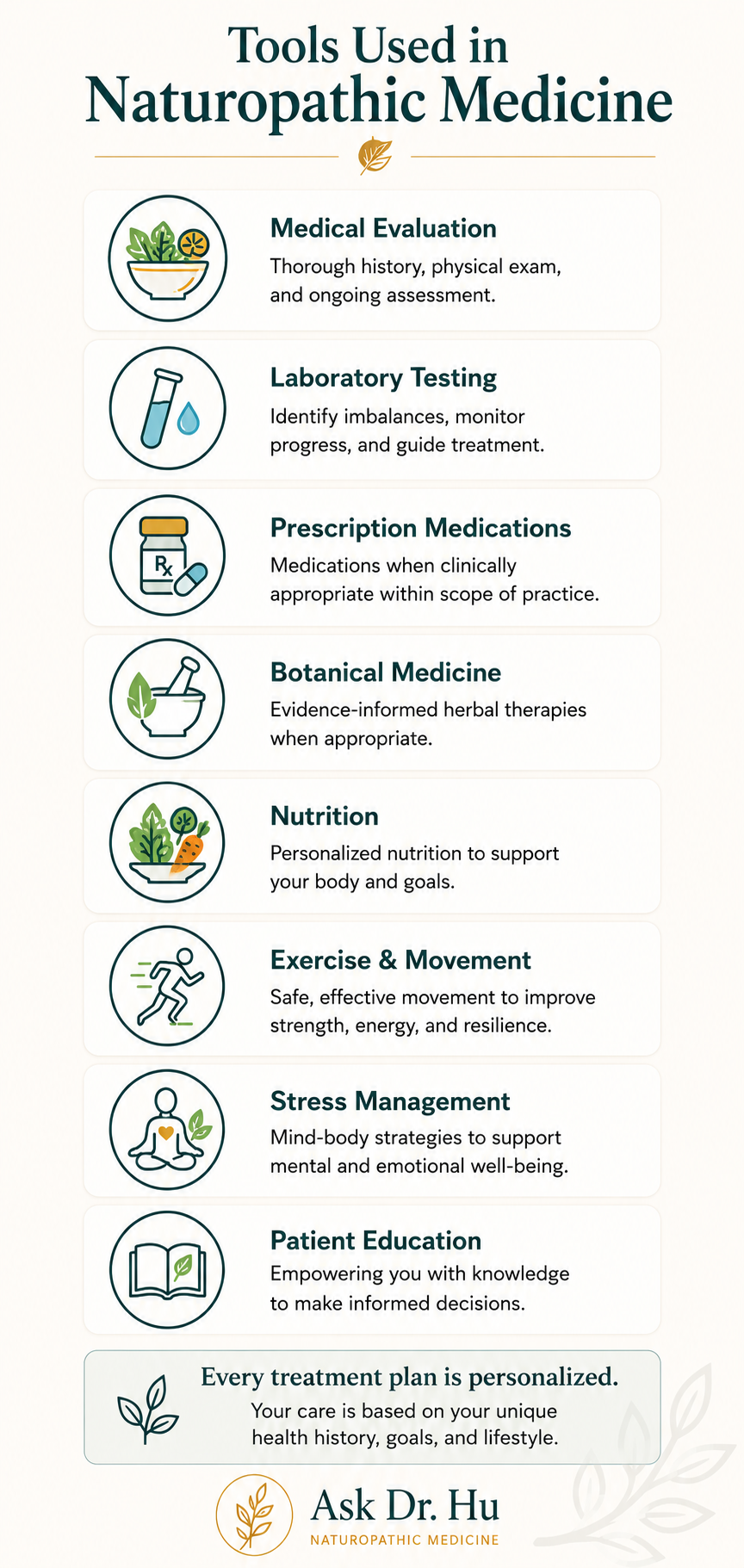
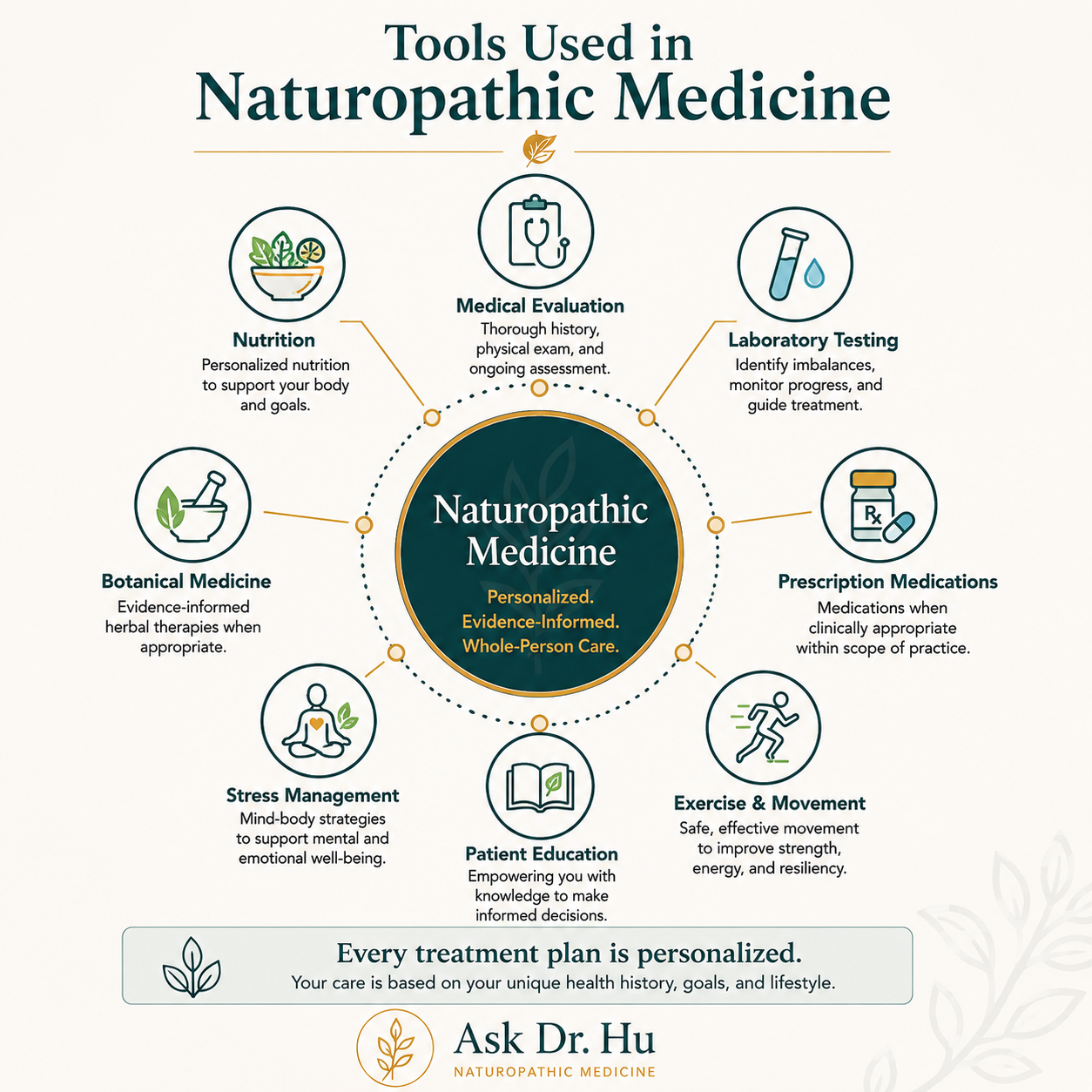
Every treatment plan is individualized. Recommendations depend on each patient's medical history, current condition, goals, and available evidence.
Treatment options may include:
Nutrition Counseling
Nutrition often plays a significant role in preventing and managing chronic disease. Personalized dietary recommendations can support overall health and long-term wellness.
Lifestyle Medicine
Improving sleep, increasing physical activity, reducing stress, and developing sustainable healthy habits frequently form the foundation of treatment.
Nutritional Supplementation
When appropriate, vitamins, minerals, and other supplements may be recommended to address documented deficiencies or support specific health goals.
Botanical Medicine
Evidence-informed herbal medicines may be considered for certain conditions while taking into account potential interactions with medications and individual health factors.
Prescription Medications
In states where licensed naturopathic physicians have prescribing authority, prescription medications may be incorporated when clinically appropriate.
Laboratory Testing
Laboratory testing can help identify risk factors, monitor chronic disease, evaluate symptoms, and guide individualized treatment recommendations.
Preventive Healthcare
Routine health screenings, vaccinations (when offered or coordinated), age-appropriate testing, and ongoing monitoring help detect medical issues early.
How Is Naturopathic Medicine Different From Conventional Medicine?
Both naturopathic medicine and conventional medicine share the same goal: helping patients achieve better health. The difference often lies in how they approach diagnosis, treatment, and long-term wellness.
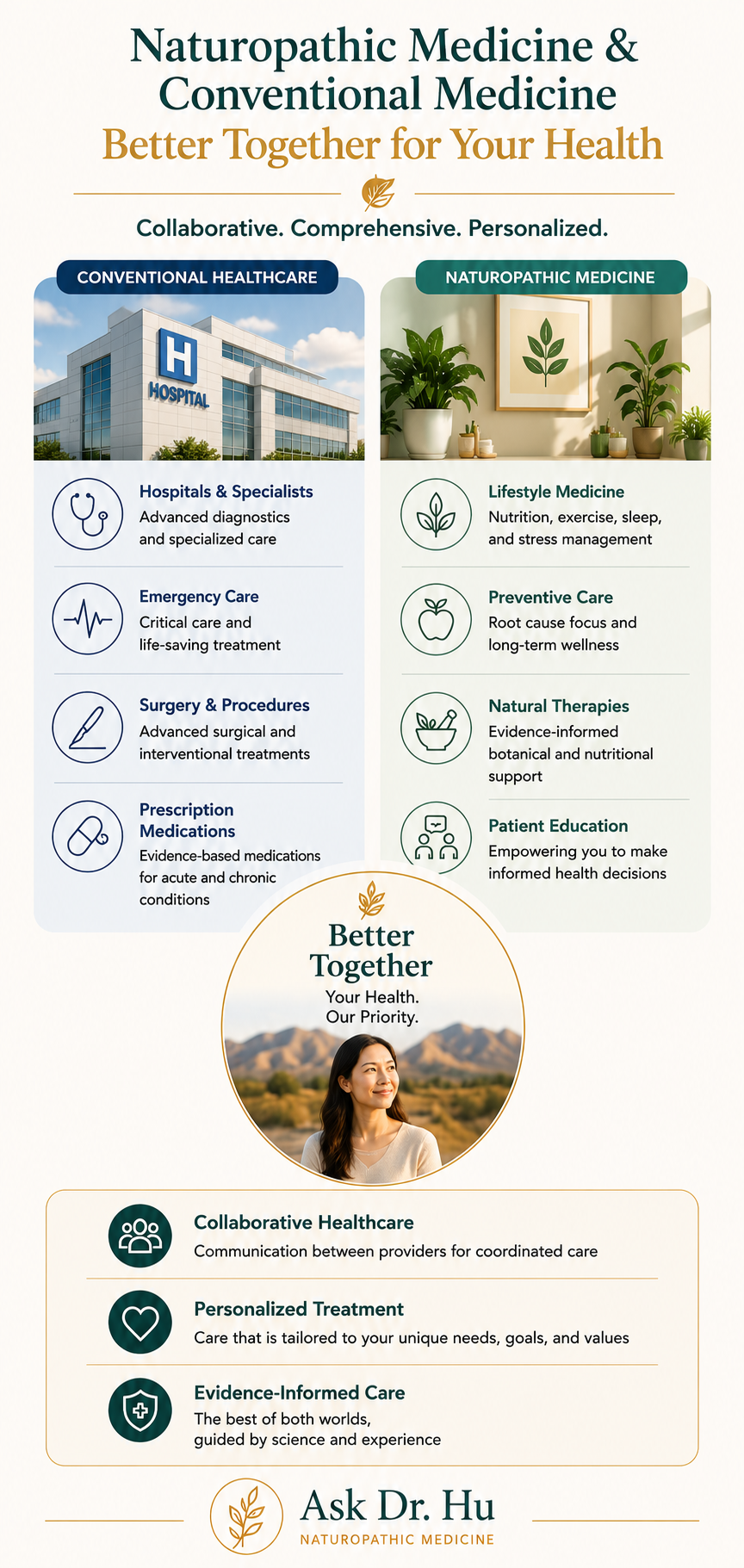
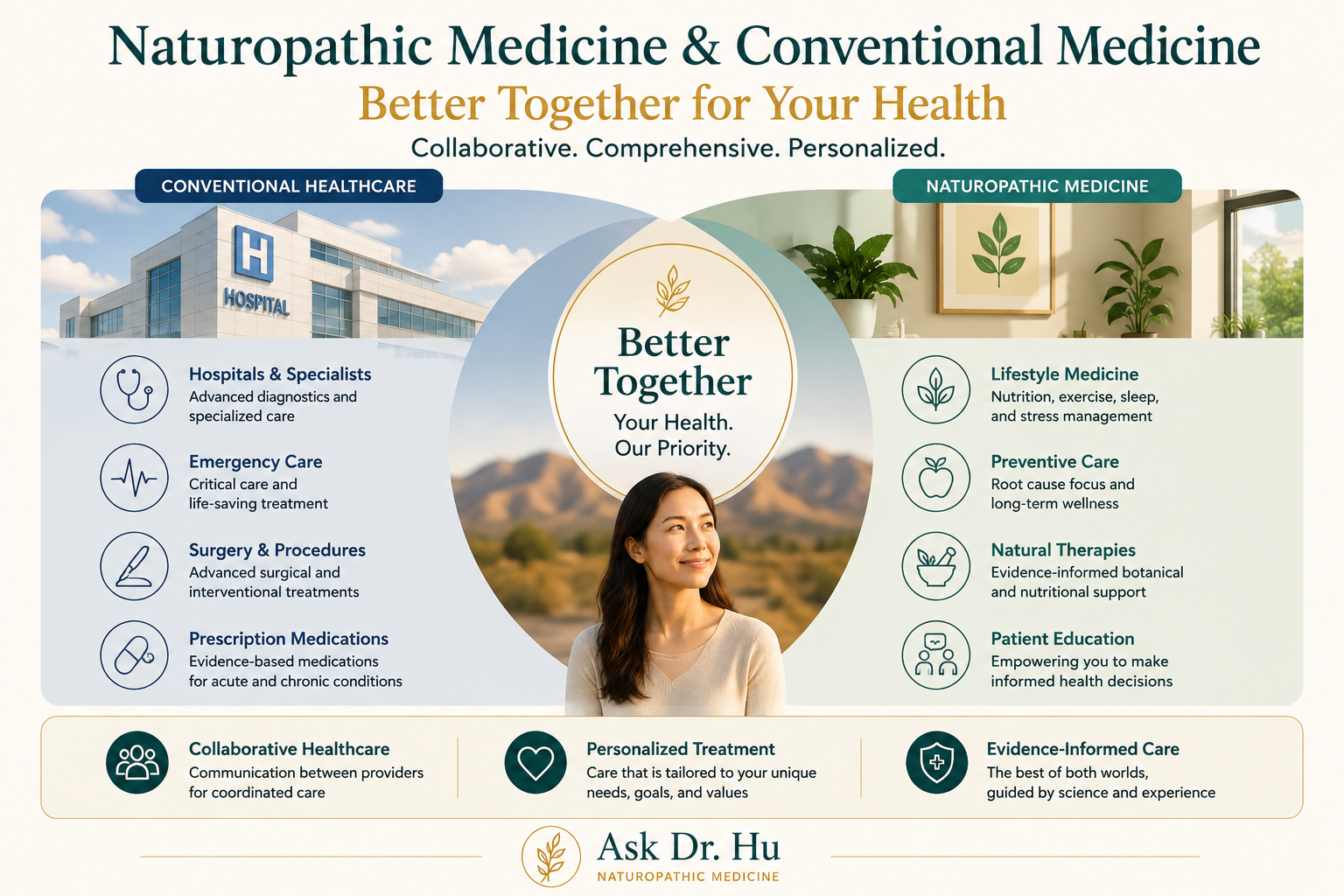
Modern healthcare works best when the strengths of both approaches are recognized. Conventional medicine excels in emergency care, surgery, and the treatment of many acute and complex medical conditions. Naturopathic medicine places additional emphasis on prevention, lifestyle medicine, nutrition, patient education, and identifying factors that may contribute to illness.
These approaches are not mutually exclusive. Many patients benefit from receiving care from both a conventional physician and a licensed naturopathic physician.
Conventional Medical Care Often Focuses On
Diagnosing and treating disease
Managing acute illnesses and medical emergencies
Prescription medications when clinically appropriate
Surgical and specialized medical care
Following evidence-based clinical guidelines for specific diseases
Naturopathic Medical Care Often Emphasizes
Preventing disease before it develops
Identifying potential contributing factors to illness
Personalized nutrition and lifestyle recommendations
Supporting long-term health and wellness
Educating patients so they can make informed healthcare decisions
Combining evidence-informed natural therapies with modern medical care when appropriate
Working Together for Better Patient Care
Rather than viewing these approaches as competing philosophies, many patients find they complement one another.
For example, a patient with high blood pressure may receive prescription medication when needed while also working with a naturopathic physician to improve nutrition, increase physical activity, manage stress, optimize sleep, and reduce other cardiovascular risk factors. Together, these strategies can help improve overall health while supporting long-term disease prevention.
The goal is not to choose one form of medicine over another—it is to use the most appropriate tools for each individual patient based on their medical needs, personal preferences, and the best available evidence.
Can Naturopathic Medicine Work Alongside Conventional Healthcare?
Absolutely.
Many patients see a naturopathic physician while continuing care with specialists, surgeons, cardiologists, endocrinologists, oncologists, or their existing primary care physician.
Good communication between healthcare providers helps ensure safe, coordinated care. Rather than replacing conventional medicine, naturopathic medicine often complements it by focusing on lifestyle, prevention, education, and long-term health optimization.
Who May Benefit From Naturopathic Medicine?
Patients often seek naturopathic care when they:
Want a more personalized healthcare experience
Prefer spending more time discussing their health concerns
Want guidance on nutrition and healthy lifestyle changes
Are interested in preventive healthcare
Want support managing chronic medical conditions
Are looking to optimize overall wellness
Appreciate shared decision-making with their physician
Every patient is different, and treatment recommendations should always be individualized.
"Naturopathic medicine only uses herbs."
While botanical medicine can be one component of care, licensed naturopathic physicians also use laboratory testing, physical examinations, nutrition, lifestyle medicine, preventive care, and—in states where permitted—prescription medications.
"Natural always means safe."
Natural products can still have side effects and interact with medications. They should be used thoughtfully and under appropriate medical supervision.
"Naturopathic physicians don't believe in conventional medicine."
Most licensed naturopathic physicians recognize the value of conventional medicine, particularly in emergencies, surgery, trauma care, and many specialized medical conditions. The goal is to integrate the most appropriate tools for each patient's situation.
Common Misconceptions About Naturopathic Medicine
-
Many aspects of naturopathic medicine are supported by scientific research, particularly nutrition, exercise, sleep, preventive medicine, and lifestyle interventions. The strength of evidence varies depending on the specific treatment, and recommendations should be based on current research, clinical experience, and individual patient needs.
-
Yes. Arizona licenses naturopathic physicians who meet the state's education, examination, and licensing requirements.
-
Depending on your health needs, insurance requirements, and Arizona regulations, many patients receive primary care from licensed naturopathic physicians. Some insurance plans, particularly certain HMOs, may have specific primary care physician designation rules.
-
Arizona grants prescribing authority to licensed naturopathic physicians within the state's scope of practice. Whether medication is recommended depends on the patient's condition and the physician's clinical judgment.
-
No. Many patients continue working with specialists and other healthcare providers while also receiving naturopathic care.
Frequently Asked Questions
Is Naturopathic Medicine Right for You?
Naturopathic medicine is not about choosing between natural therapies and conventional medicine. Instead, it is about creating a thoughtful, individualized plan that supports your health using the most appropriate tools available.
For many patients, this means combining preventive care, healthy lifestyle changes, modern diagnostic testing, evidence-informed natural therapies, and conventional medical treatments when needed.
The best healthcare is rarely one-size-fits-all. By understanding your unique health goals, medical history, and lifestyle, a licensed naturopathic physician can help develop a personalized approach designed to improve both your current health and your long-term well-being.
If you're looking for personalized naturopathic medical care in Arizona, our practice offers comprehensive evaluations, preventive health services, concierge medicine, and individualized treatment plans tailored to your unique needs. Whether you're managing a chronic condition or simply looking to optimize your health, we're here to help you take the next step toward better wellness.
You may also find these physician-authored resources helpful:
What Is Concierge Medicine?
A Patient's Guide to Joining a Concierge Medicine Practice
How Much Does Concierge Medicine Cost?
What Is Concierge Medicine? (FAQ)
Diagnostic & Preventive Health Optimization
Hormone Replacement Therapy
GLP-1 Weight Loss Therapy
Integrative Pain Management
Medical Marijuana Certification
Medical Documentation Services