What Is Regenerative Medicine?
Written by YiQiu Hu, NMD
Arizona-licensed naturopathic physician and virtual concierge medicine provider
Published August 2026 | Medically reviewed August 2026
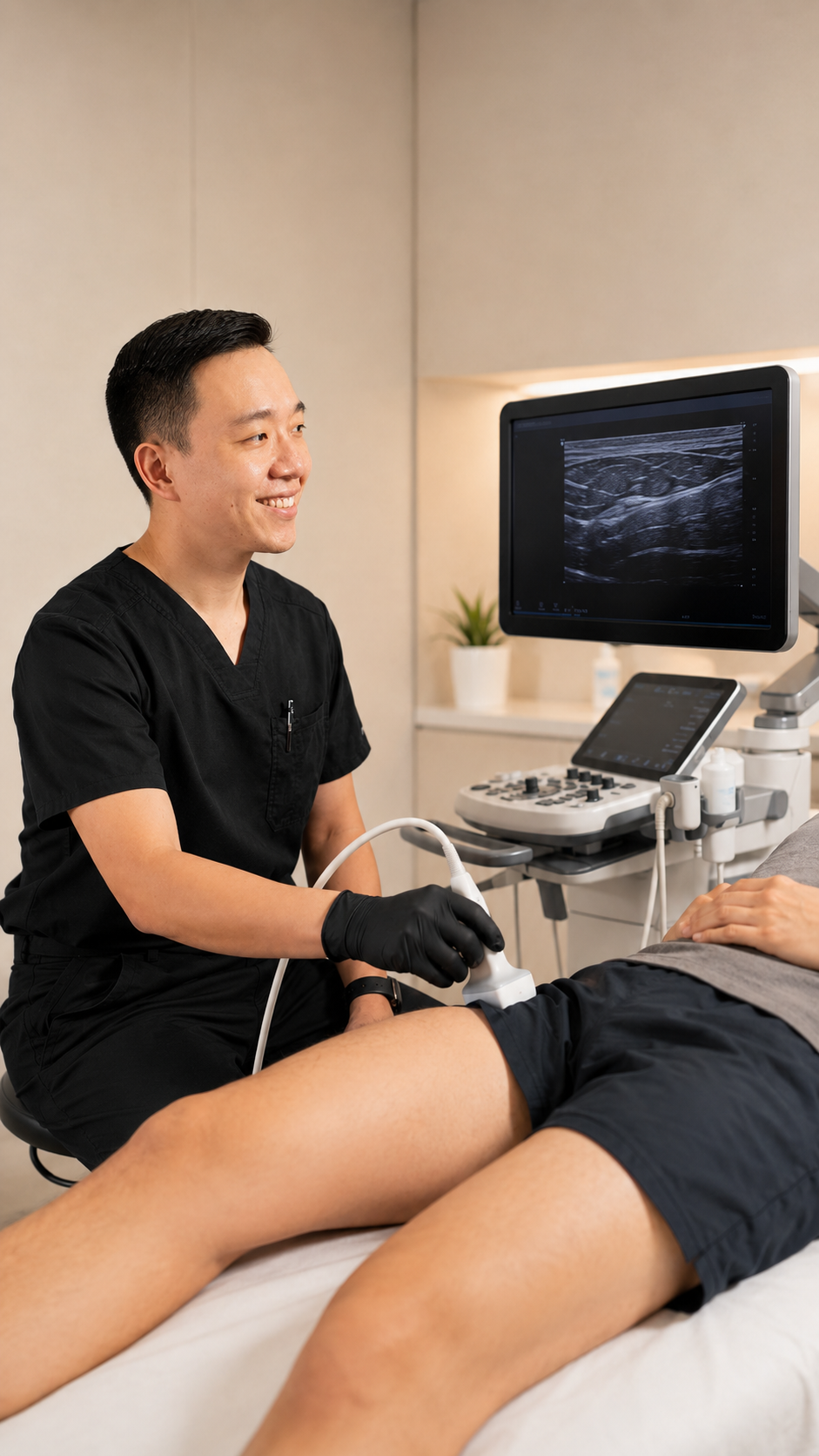
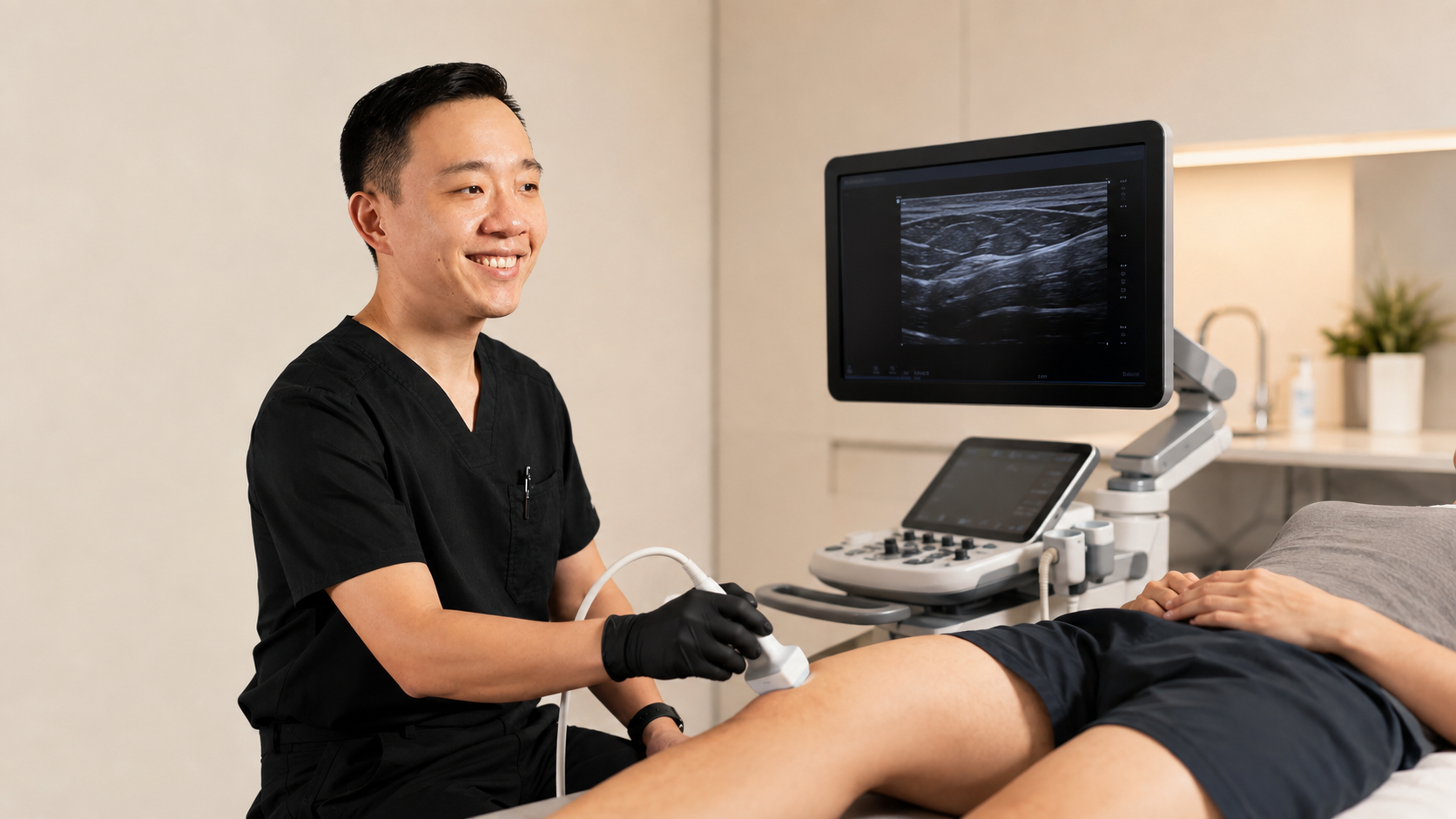
Regenerative medicine is a broad area of medicine focused on supporting the repair, restoration, or replacement of damaged cells and tissues. Rather than referring to one specific procedure, the term includes many different technologies and treatments—from established medical therapies to newer approaches that are still being studied.
Within musculoskeletal and pain medicine, regenerative medicine often refers to treatments intended to influence the body's biological response to an injured or painful joint, tendon, ligament, or other tissue. These approaches are sometimes called orthobiologics.
One of the most familiar examples is platelet-rich plasma, or PRP, which is prepared from a patient's own blood. Other treatments may also be described as regenerative, although the evidence, mechanisms, regulatory status, and appropriate uses can differ significantly from one treatment to another.
The American Academy of Orthopaedic Surgeons describes orthobiologics as biologic substances that may be used to help manage selected orthopedic conditions or support healing. However, the evidence is not equally strong for every condition or every regenerative treatment.
At Ask Dr. Hu, regenerative approaches are considered within a broader integrative pain management plan rather than automatically recommended as a stand-alone treatment.
What Does “Regenerative” Actually Mean?
The word regenerative can sometimes create the impression that a treatment will automatically regrow damaged cartilage, rebuild a tendon, or restore a joint to its original condition.
That is not necessarily what the term means.
In medicine, regenerative approaches are generally intended to influence biological processes involved in tissue repair, healing, or restoration of function. The actual response depends on many factors, including:
The tissue being treated
The type and severity of the injury
How long the problem has been present
The patient's age and overall health
The specific treatment being used
The quality of the available medical evidence
Rehabilitation and activity after treatment
A treatment may improve pain or function without completely regenerating damaged tissue. For that reason, patients should be cautious about claims that a regenerative procedure can reliably “regrow” cartilage, reverse arthritis, or permanently repair an injury.
What Types of Regenerative Medicine Are Used for Musculoskeletal Pain?
There are many areas within regenerative medicine. In musculoskeletal care, the treatments patients most commonly encounter include orthobiologic procedures such as platelet-rich plasma.
Platelet-Rich Plasma — PRP
Platelet-rich plasma therapy uses a concentrated preparation made from the patient's own blood.
A small amount of blood is drawn and processed, usually using a centrifuge, to separate and concentrate platelets within the plasma. The resulting preparation is then injected into a selected area.
Platelets are well known for their role in blood clotting, but they also contain proteins and signaling molecules involved in healing processes. PRP is intended to deliver a concentrated amount of these components to the treatment area.
PRP has been studied for several musculoskeletal conditions, including certain tendon disorders and knee osteoarthritis. Evidence varies considerably by condition, PRP preparation, treatment technique, and individual patient characteristics. The AAOS notes that evidence is more encouraging for some chronic tendon problems and mild-to-moderate knee osteoarthritis than for many other proposed applications.
At Ask Dr. Hu, platelet-rich plasma is among the treatment options considered for selected musculoskeletal conditions after an appropriate evaluation.
Prolotherapy
Prolotherapy is another injection-based treatment sometimes discussed under the broader umbrella of regenerative or restorative musculoskeletal medicine.
Traditional prolotherapy generally involves injecting a solution containing dextrose into or around selected ligaments, tendons, or joints.
It is important to recognize that prolotherapy is not the same as PRP or stem-cell therapy. It does not involve concentrating platelets or administering stem cells.
Research regarding prolotherapy varies by condition, and it should not be assumed to be appropriate for every painful joint, tendon, or ligament problem.
Ask Dr. Hu offers prolotherapy for selected musculoskeletal conditions when the patient's diagnosis, examination, previous treatment and individual circumstances suggest that it may be reasonable to consider.
Is Regenerative Medicine the Same as Stem-Cell Therapy?
No.
This is one of the most important distinctions for patients to understand.
Regenerative medicine is a broad field. Stem-cell therapy is only one area within that field.
PRP, for example, is prepared from a patient's blood and is not a stem-cell treatment.
The term “regenerative medicine” is also frequently used in marketing for stem-cell, umbilical-cord, Wharton's jelly, amniotic-fluid, and exosome products. Patients should not assume that a product is proven, safe, or FDA-approved simply because it is described as regenerative.
The U.S. Food and Drug Administration has specifically warned consumers about unapproved regenerative products. The FDA states that the only stem-cell products currently FDA-approved in the United States are certain blood-forming stem-cell products derived from umbilical-cord blood for disorders affecting blood production. The agency also states that there are currently no FDA-approved exosome products.
Does Regenerative Medicine Regrow Cartilage?
Not necessarily.
Some regenerative treatments are being investigated for their effects on cartilage, tendons, ligaments, bone, and other tissues, but that does not mean they reliably restore damaged tissue to a normal state.
For example, a patient with knee osteoarthritis may experience an improvement in pain or function after a particular treatment without actually regrowing a normal layer of joint cartilage.
Clinical improvement and structural regeneration are not the same outcome.
Patients should therefore be cautious when a clinic guarantees that a treatment can:
Regrow cartilage
Reverse arthritis
Completely repair a degenerative joint
Eliminate the need for surgery
Permanently cure chronic pain
Responsible treatment recommendations should explain both the potential benefits and the limitations of the proposed therapy.
What Conditions May Be Considered for Regenerative Medicine?
Regenerative or orthobiologic treatments are being studied or used in selected patients with conditions involving structures such as:
Tendons
Ligaments
Joints
Cartilage
Muscles
Certain sports or overuse injuries
Examples may include selected cases of:
Knee osteoarthritis
Tendinopathy
Tennis elbow
Patellar tendon problems
Certain shoulder tendon conditions
Ligament injuries
Chronic overuse injuries
However, having one of these diagnoses does not automatically mean regenerative medicine is the right treatment.
The location of pain alone also does not establish the diagnosis. Knee pain, shoulder pain, hip pain, or elbow pain can arise from several different structures and sometimes from referred pain elsewhere in the body.
This is why a detailed evaluation should come before deciding on an injection or procedure.
How Do You Know Whether Regenerative Medicine Is Appropriate?
The first step is identifying the probable source of the symptoms.
A musculoskeletal evaluation may include:
Reviewing when and how the pain began
Examining movement and joint function
Evaluating strength and flexibility
Identifying areas of tenderness
Reviewing previous injuries and treatments
Reviewing medications and medical conditions
Reviewing existing X-rays, MRIs, or other imaging
Determining whether additional imaging is necessary
A patient may be more likely to consider an injection-based treatment when pain has persisted despite appropriate conservative care and there is a reasonably identifiable joint, tendon, ligament, or other musculoskeletal structure contributing to the symptoms.
You can learn more about this evaluation process through our integrative pain management services.
Is Imaging Needed Before Regenerative Medicine?
Sometimes, but not always.
An X-ray, MRI, or diagnostic ultrasound may be useful when the diagnosis is uncertain, when a more significant structural injury is suspected, or when imaging would change the treatment plan.
Imaging should be interpreted together with the patient's history and physical examination rather than in isolation.
Musculoskeletal ultrasound may also be useful for examining certain joints, tendons, muscles, ligaments, nerves, and other soft-tissue structures.
Why Is Ultrasound Guidance Used for Some Regenerative Injections?
When appropriate, ultrasound can allow a physician to visualize anatomical structures and the needle in real time during an injection.
This may help identify the intended treatment area and nearby structures such as nerves, blood vessels, tendons, and joints.
Ask Dr. Hu uses musculoskeletal ultrasound and ultrasound guidance for selected pain-management procedures when clinically appropriate. The practice emphasizes evaluation before treatment and individualized selection of procedures rather than automatically performing an injection for every patient.
Ultrasound guidance can improve procedural visualization and targeting, but it does not eliminate all risks or guarantee that a treatment will be successful.
Is Regenerative Medicine Safe?
Safety depends heavily on what treatment is being performed.
PRP prepared from a patient's own blood is very different from an unapproved laboratory-manipulated cell or tissue product.
Injection procedures can still have potential complications, including:
Temporary soreness
Bruising
Bleeding
Infection
Temporary worsening of pain
Injury to a nearby nerve, blood vessel, or other tissue
Lack of meaningful improvement
Individual health conditions and medications may also affect procedural risk.
Patients using anticoagulants or antiplatelet medications, for example, may require additional review before an injection. Active infection, certain medical conditions, allergies, and other clinical considerations may also affect candidacy.
Unapproved stem-cell, exosome, or human-cell and tissue products involve additional regulatory and safety concerns. In May 2026, the FDA again warned consumers to avoid unapproved human cell or tissue products marketed as treatments or cures for medical conditions.
Can Regenerative Medicine Help Avoid Surgery?
Sometimes regenerative or other nonsurgical treatments may be reasonable to consider before surgery, depending on the diagnosis and severity of the problem.
However, regenerative medicine should not be presented as a universal replacement for surgery.
Some structural problems may ultimately require surgical evaluation—for example, major traumatic injuries, severe instability, advanced joint destruction, progressive neurological deficits, or other conditions unlikely to respond adequately to conservative care.
The goal should be to choose the most appropriate treatment for the condition, not simply the treatment that is least invasive.
For many patients, treatment may begin with rehabilitation, exercise, activity modification, physical therapy, medication when appropriate, or another conservative approach before an injection is considered.
How Long Does Regenerative Medicine Take to Work?
There is no universal timeline.
Many regenerative approaches are intended to influence a biological healing response rather than provide immediate anesthetic pain relief. Any improvement may therefore develop gradually.
The response depends on the diagnosis, treatment used, severity of the condition, overall health, activity level, rehabilitation, and many other factors.
Some patients experience meaningful improvement while others experience little or no benefit. No responsible physician can guarantee the outcome of a regenerative procedure.
How Many Regenerative Medicine Treatments Are Needed?
This also varies.
Some treatments may be performed once and then reassessed. In other circumstances, additional treatment may be considered depending on the patient's response and the treatment being used.
More treatment is not automatically better.
Before repeating a procedure, it is reasonable to assess:
Whether symptoms improved
Whether function improved
Whether the diagnosis still appears correct
Whether rehabilitation is progressing
Whether the expected benefit justifies another treatment
Whether another treatment approach would be more appropriate
What Should I Ask Before Receiving a Regenerative Medicine Treatment?
Before undergoing treatment, consider asking:
What exactly is being injected?
Where does the material come from?
Is it derived from my own body?
What diagnosis are we treating?
What evidence supports its use for my condition?
What benefits are realistically expected?
What are the risks?
What alternatives should I consider?
Will ultrasound guidance be used?
What should I expect after treatment?
What happens if the treatment does not help?
Is this product FDA-approved, cleared, or being used under another regulatory pathway?
Be particularly cautious when treatments are promoted as cures for many unrelated diseases or when a clinic promises tissue regeneration or guaranteed results.
What Is the Difference Between Regenerative Medicine and Conventional Pain Treatment?
Regenerative medicine and conventional pain treatment do not need to be viewed as competing approaches.
A personalized treatment plan may include several strategies.
Depending on the diagnosis, this could include:
Rehabilitation and therapeutic exercise
Activity modification
Physical therapy
Medications
Acupuncture or dry needling
Diagnostic or therapeutic injections
PRP
Prolotherapy
Ultrasound-guided procedures
Imaging
Specialist consultation
Surgery when medically necessary
At Ask Dr. Hu, integrative pain management is designed around determining the probable cause of symptoms first and then selecting appropriate conservative, conventional, naturopathic, and procedural options based on the individual patient.
Frequently Asked Questions About Regenerative Medicine
Is PRP considered regenerative medicine?
PRP is commonly classified as an orthobiologic and is frequently included within musculoskeletal regenerative medicine. It is prepared by concentrating platelets from the patient's own blood and then administering the preparation to a selected treatment area.
Is regenerative medicine the same as stem-cell therapy?
No. Regenerative medicine is a much broader field. PRP, tissue engineering, cell therapies, and several other technologies may fall under the regenerative-medicine umbrella. PRP itself is not a stem-cell therapy.
Does regenerative medicine cure arthritis?
Regenerative treatments should not be described as a guaranteed cure for arthritis. Some treatments, particularly PRP, have evidence suggesting potential improvements in symptoms and function for selected patients with knee osteoarthritis, but outcomes vary and treatment does not necessarily restore a damaged joint to normal.
Can regenerative medicine regrow damaged tissue?
Some regenerative technologies are intended to support or influence tissue healing, but treatment does not necessarily result in complete tissue regeneration. Claims that a treatment will definitely regrow cartilage, tendons, or other structures should be viewed cautiously.
Does regenerative medicine work for everyone?
No. Outcomes depend on the diagnosis, severity of tissue damage, treatment selected, overall health, rehabilitation and many other factors. Some patients may improve significantly, while others may receive little benefit.
Do I need a consultation before regenerative medicine?
Yes. A medical evaluation is important before deciding whether a regenerative procedure is appropriate. The goal should be to determine what is causing the symptoms and then compare regenerative treatment with reasonable alternatives.
Evidence, Safety, and Medical Review
Regenerative medicine is a rapidly developing area, and the quality of evidence varies substantially between treatments and medical conditions.
For additional evidence-based information, patients may review resources from:
The U.S. Food and Drug Administration — Consumer Alert on Regenerative Medicine Products
The American Academy of Orthopaedic Surgeons — Orthobiologics and Regenerative Medicine
The American Academy of Orthopaedic Surgeons — Platelet-Rich Plasma
The FDA specifically cautions patients about unapproved stem-cell, exosome, umbilical-cord, Wharton's jelly, amniotic and related products marketed for orthopedic or chronic-pain conditions. Patients considering these therapies should understand exactly what product is being offered and its regulatory status.
Medical decisions should always be based on the patient's diagnosis, medical history, available evidence, expected benefits, potential risks, alternatives and individual treatment goals.
Considering Regenerative Medicine for Musculoskeletal Pain?
Regenerative medicine may be one option within a broader treatment plan, but the first step is determining what is actually causing your symptoms.
At Ask Dr. Hu, pain care begins with an individualized evaluation. Depending on your condition, recommendations may include conservative treatment, rehabilitation, diagnostic ultrasound, PRP, prolotherapy, another targeted procedure, additional imaging, or referral to another specialist.
Learn more about integrative pain management at Ask Dr. Hu, or contact our office if you would like to discuss whether an evaluation may be appropriate.
About the Author
Dr. Linh Ngo, NMD, is a naturopathic physician at Ask Dr. Hu with a clinical focus that includes integrative pain management, naturopathic treatment modalities, supportive care, and healthy aging. Her approach emphasizes careful evaluation, individualized treatment selection, and helping patients understand the potential benefits, limitations, and alternatives of their treatment options.
Learn more about Dr. Ngo and the physicians at Ask Dr. Hu.
This article is for general educational purposes and does not replace individualized medical advice. Regenerative and injection-based treatments are not appropriate for every patient or every musculoskeletal condition. A medical evaluation is necessary to determine whether a specific treatment may be appropriate.