How Much Protein Should I Eat Each Day?
Written by YiQiu Hu, NMD
Arizona-licensed naturopathic physician and concierge medicine provider
Published July 2026 | Medically reviewed July 2026
Protein is one of the most important nutrients your body needs to maintain good health. It helps build and repair muscles, supports your immune system, produces hormones and enzymes, and keeps you feeling full after meals. Despite its importance, many people are unsure how much protein they actually need each day.
The answer depends on several factors, including your age, activity level, overall health, and personal goals. Whether you're trying to maintain your weight, build muscle, recover from an illness, or simply support healthy aging, getting the right amount of protein is an important part of a balanced diet.
As a concierge naturopathic physician serving patients throughout Arizona, I help individuals develop personalized nutrition plans that fit their lifestyle, health conditions, and long-term wellness goals.
Protein is made up of amino acids, often referred to as the building blocks of life. Your body uses these amino acids to perform countless essential functions.
Protein helps:
Build and maintain muscle mass
Repair tissues after injury or exercise
Produce enzymes and hormones
Support a healthy immune system
Promote healthy skin, hair, and nails
Maintain bone health
Help you feel full longer after eating
Stabilize blood sugar when combined with healthy carbohydrates and fats
Unlike fat and carbohydrates, the body has very limited ability to store protein, making consistent daily intake important.
Why Is Protein Important?
How Much Protein Does the Average Adult Need?
The current Recommended Dietary Allowance (RDA) for healthy adults is:
0.8 grams of protein per kilogram (kg) of body weight per day
This amount is intended to prevent protein deficiency in most healthy adults but may not be ideal for everyone.
Many healthcare professionals recommend higher protein intake for individuals who are physically active, older adults, or those working toward specific health goals.
If you exercise regularly, your muscles require additional protein to recover and adapt.
General recommendations include:
Recreational exercise: 1.0–1.2 g/kg/day
Endurance athletes: 1.2–1.4 g/kg/day
Strength training: 1.6–2.2 g/kg/day
Adequate protein intake supports:
Muscle repair
Recovery after workouts
Lean muscle development
Improved exercise performance
Protein works best when combined with consistent exercise and an overall balanced diet.
Protein Needs for Active Adults
As we age, maintaining muscle becomes increasingly important.
Adults over 60 may benefit from higher protein intake because aging muscles become less responsive to smaller amounts of dietary protein.
Many experts recommend approximately:
1.0–1.2 grams per kilogram of body weight daily
Higher intake may help support:
Muscle strength
Mobility
Balance
Bone health
Independence
Reduced risk of falls
Healthy aging also includes regular resistance exercise and adequate vitamin D intake.
Protein for Healthy Aging
Higher-protein diets may support healthy weight management by helping you:
Feel full longer
Reduce unnecessary snacking
Preserve lean muscle during weight loss
Increase satisfaction after meals
For many people pursuing weight loss, protein intake between 1.2 and 1.6 grams per kilogram of body weight can be beneficial when combined with an appropriate calorie intake and regular physical activity.
The goal isn't simply to eat more protein—it’s to build balanced meals that include vegetables, healthy fats, whole grains (when appropriate), and nutrient-dense protein sources.
Protein for Weight Loss
Yes. Research suggests that spreading protein intake throughout the day may be more effective than consuming most of it in one meal.
For example, instead of eating:
10 grams at breakfast
20 grams at lunch
60 grams at dinner
You might aim for:
25–35 grams at breakfast
25–35 grams at lunch
25–35 grams at dinner
Including protein with snacks may also help maintain energy levels and reduce hunger between meals.
Does It Matter When You Eat Protein?
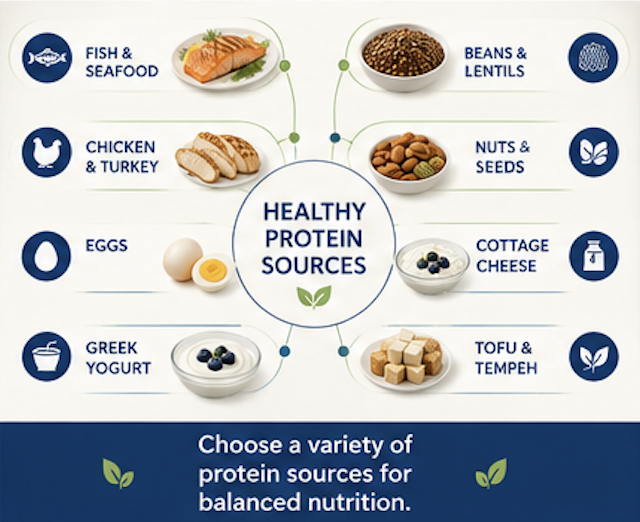
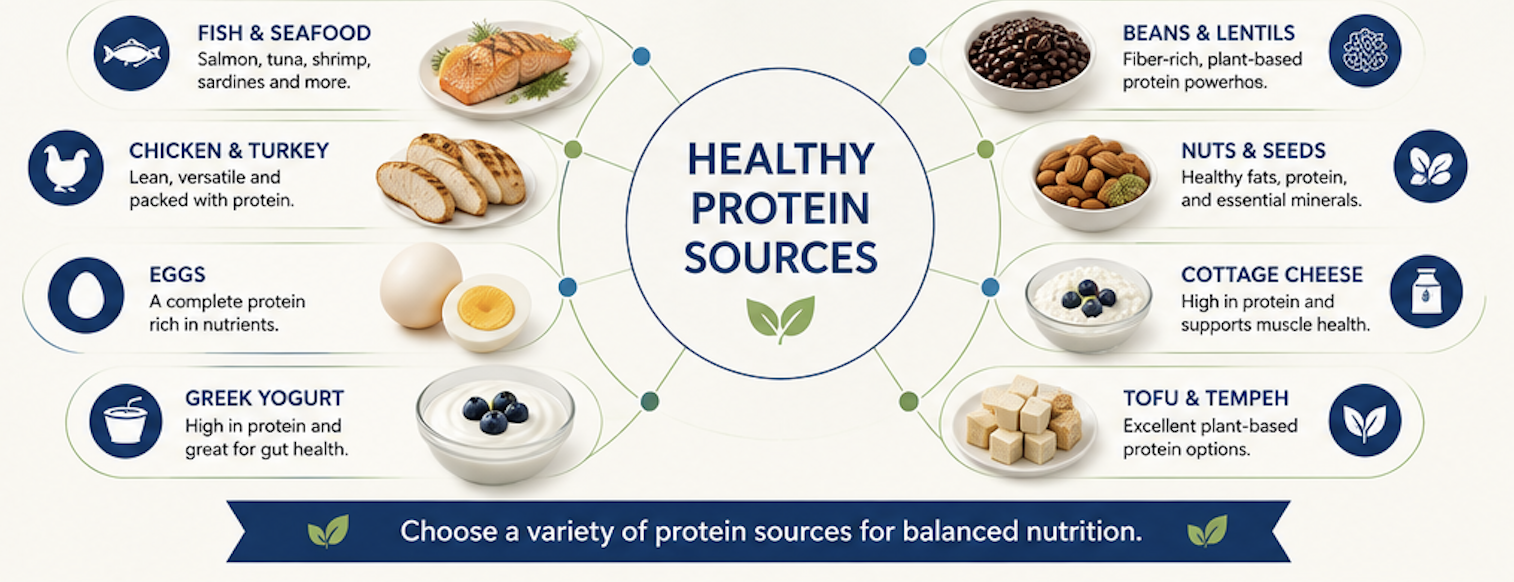
Many foods provide high-quality protein.
Excellent animal-based options include:
Chicken
Turkey
Fish
Eggs
Greek yogurt
Cottage cheese
Lean beef
Seafood
Healthy plant-based protein sources include:
Lentils
Beans
Chickpeas
Tofu
Tempeh
Edamame
Quinoa
Nuts
Seeds
Many people benefit from incorporating both plant and animal protein sources into their diet to obtain a wide variety of nutrients.
Best Healthy Sources of Protein
Not necessarily.
Most healthy adults can meet their protein needs through whole foods alone.
Protein powders may be helpful for individuals who:
Have increased protein requirements
Struggle to eat enough protein
Recover after strenuous exercise
Need convenient meal supplementation
Have certain medical conditions affecting nutrition
When choosing a supplement, look for products with minimal added sugars, artificial ingredients, and unnecessary fillers. A healthcare provider can help determine whether supplementation is appropriate for your individual needs.
Do You Need Protein Supplements?
For most healthy adults, moderately higher protein intake is generally well tolerated.
However, consuming excessive amounts of protein while neglecting other nutrients may contribute to an unbalanced diet.
Individuals with certain medical conditions, particularly chronic kidney disease, may require specialized dietary guidance and should consult their healthcare provider before significantly increasing protein intake.
Balance remains the key to long-term health.
Can You Eat Too Much Protein?
Possible signs of inadequate protein intake include:
Muscle loss
Slow recovery after exercise
Frequent hunger
Fatigue
Brittle hair or nails
Poor wound healing
Unintentional weight loss
These symptoms can have many possible causes, so it's important to seek a professional evaluation rather than self-diagnosing.
Signs You May Not Be Getting Enough Protein
Your protein needs may differ from general recommendations if you:
Are pregnant or breastfeeding
Are over age 60
Exercise frequently
Are trying to lose weight
Are recovering from surgery or illness
Have diabetes
Have kidney disease
Follow a vegetarian or vegan diet
Have digestive disorders that affect nutrient absorption
A healthcare provider can evaluate your overall health, lifestyle, laboratory results, and nutrition habits to develop recommendations tailored specifically to you.
When Should You Talk to a Healthcare Provider?
Frequently Asked Questions
-
Not necessarily. While many adults benefit from higher protein intake than the minimum recommendation, consuming extremely large amounts offers little additional benefit for most people. A balanced diet remains the foundation of good health.
-
Resistance training stimulates muscle growth, but adequate protein provides the building blocks needed for repair and development. Both exercise and nutrition work together.
-
Yes. Beans, lentils, tofu, soy products, quinoa, nuts, and seeds are excellent sources of protein and other important nutrients. Eating a variety of plant proteins helps ensure adequate intake of essential amino acids.
-
Many older adults benefit from modestly higher protein intake to help preserve muscle mass, strength, and physical function as they age.
-
Consuming protein within a couple of hours after exercise may support muscle recovery, particularly following resistance or endurance training.
The Bottom Line
Protein plays a vital role in nearly every aspect of your health, from maintaining muscle and supporting immune function to promoting healthy aging and helping you feel satisfied after meals. While the minimum daily recommendation meets the basic needs of many adults, your ideal intake depends on your age, activity level, medical history, and personal goals.
Rather than focusing on a single number, aim to include high-quality protein at each meal as part of a balanced eating pattern. Choosing nutrient-rich foods and tailoring your intake to your lifestyle can help support long-term health and wellness.
If you're unsure whether you're meeting your nutritional needs, a personalized evaluation can help you develop a plan that's both realistic and sustainable.
Looking for a Licensed Arizona Concierge Physician?
At Ask Dr. Hu, we provide personalized naturopathic and concierge medical care for patients throughout Arizona via secure telemedicine, with in-person visits available when appropriate.
Whether you're looking for preventive care, chronic disease management, integrative pain management, medical marijuana certification, hormone optimization, weight management, medical documentation, health optimization, or a more personalized healthcare experience, we're here to help.
Contact us today to learn whether our practice is the right fit for your healthcare needs.