Medical Weight Loss: A Complete Guide to Safe and Sustainable Weight Management
Written by YiQiu Hu, NMD
Arizona-licensed naturopathic physician and concierge medicine provider
Published July 2026 | Medically reviewed July 2026
Introduction
Achieving and maintaining a healthy weight is about much more than fitting into a smaller clothing size—it is one of the most effective ways to improve your overall health and reduce the risk of chronic disease. A healthy weight can lower your chances of developing type 2 diabetes, high blood pressure, heart disease, fatty liver disease, sleep apnea, joint pain, and many other medical conditions. It can also improve energy levels, mobility, sleep quality, mood, and overall quality of life.
Despite this, losing weight is rarely as simple as "eat less and exercise more." Many people have tried multiple diets, exercise programs, supplements, or online weight loss plans without achieving lasting success. While some individuals lose weight initially, maintaining those results over the long term is often the greatest challenge.
Medical weight loss takes a different approach. Rather than relying on temporary diets or one-size-fits-all solutions, it focuses on understanding the unique factors that influence your weight and developing a personalized treatment plan based on your health, lifestyle, and goals. This may include nutrition counseling, exercise recommendations, behavioral coaching, laboratory testing, prescription medications when appropriate, and ongoing physician support.
As an Arizona naturopathic physician providing concierge medical care throughout the state, I believe successful weight management should prioritize long-term health rather than rapid weight loss. My goal is to help patients build sustainable habits, improve metabolic health, and achieve results they can maintain for years—not just weeks.
In this guide, you'll learn how medical weight loss works, who may benefit from physician-guided treatment, the role of nutrition and lifestyle changes, how medications such as GLP-1 therapies fit into a comprehensive plan, and what you can realistically expect throughout your weight loss journey.

What Is Medical Weight Loss?
Medical weight loss is a physician-supervised approach to helping individuals achieve and maintain a healthier body weight using evidence-based treatments that are tailored to each person's unique needs. Unlike commercial diet programs that often provide generalized advice, medical weight loss begins with a comprehensive evaluation of your overall health, medical history, lifestyle, and potential barriers to successful weight management.
Your body weight is influenced by far more than calorie intake alone. Hormones, genetics, metabolism, sleep quality, stress, medications, underlying medical conditions, and daily habits all play important roles in determining how easily you gain or lose weight. A medical weight loss program considers all of these factors when developing an individualized treatment plan.
Depending on your situation, a physician-guided weight loss program may include:
A comprehensive medical evaluation
Review of previous weight loss attempts
Nutrition counseling
Physical activity recommendations
Lifestyle and behavioral coaching
Laboratory testing to identify underlying metabolic concerns
Treatment of contributing medical conditions
Prescription weight loss medications when appropriate
Regular follow-up visits to monitor progress and adjust the treatment plan
The goal is not simply to reduce the number on the scale. Successful medical weight loss aims to improve body composition, metabolic health, cardiovascular health, energy levels, mobility, and overall quality of life while reducing the risk of future chronic disease.
Unlike short-term diets that often produce temporary results, physician-guided weight management emphasizes creating sustainable habits that support lifelong health.
How Medical Weight Loss Differs From Traditional Dieting
Many popular diets promise rapid weight loss through strict rules, eliminating entire food groups, or dramatically restricting calories. While these approaches may produce quick results initially, they are often difficult to maintain over time.
One of the biggest reasons diets fail is that they typically focus only on food while ignoring the many biological and behavioral factors that influence body weight.
Medical weight loss takes a much broader and more individualized approach.
Instead of asking, "What diet should you follow?" a physician asks questions such as:
Why has weight gain occurred?
Are hormones contributing?
Is insulin resistance present?
Are medications affecting metabolism?
Is poor sleep increasing hunger hormones?
Is chronic stress making weight loss more difficult?
Are nutritional deficiencies reducing energy and motivation?
Is there an underlying medical condition that should be treated?
Addressing these questions allows treatment to target the root causes of weight gain rather than simply restricting calories.
Another important difference is personalization. Two people with the same weight may require completely different treatment plans depending on their medical history, laboratory results, activity level, dietary preferences, and health goals.
For example:
One patient may primarily benefit from improving nutrition and increasing physical activity.
Another may have untreated hypothyroidism contributing to weight gain.
Someone with polycystic ovary syndrome (PCOS) may benefit from improving insulin sensitivity.
Another patient may be an appropriate candidate for GLP-1 medications alongside lifestyle changes.
Medical weight loss also focuses heavily on long-term maintenance. Rather than pursuing rapid weight loss at any cost, physician-guided programs prioritize healthy, sustainable progress that patients can realistically maintain for years.
This comprehensive approach often leads not only to weight loss but also to improvements in blood sugar control, cholesterol, blood pressure, mobility, sleep quality, and overall well-being.
One of the biggest misconceptions about obesity is that weight is determined solely by personal discipline or willpower. Modern medical research has shown that this simply is not true.
Body weight is regulated by a complex interaction between the brain, hormones, genetics, metabolism, and environmental factors. While healthy eating and physical activity remain essential, these biological systems can make weight loss significantly easier—or much more difficult—for different individuals.
Appetite Hormones
Several hormones help regulate hunger and fullness.
Hormones such as ghrelin stimulate appetite, while hormones like GLP-1, peptide YY (PYY), and leptin help signal fullness. When these systems become disrupted, a person may experience increased hunger, stronger food cravings, or difficulty recognizing when they are full.
This is one reason why maintaining weight loss can feel so challenging. After losing weight, the body often responds by increasing hunger signals while simultaneously slowing metabolism in an effort to regain lost weight.
Metabolism
Metabolism refers to the amount of energy your body uses throughout the day.
Metabolic rate varies naturally between individuals due to factors including:
Genetics
Age
Muscle mass
Hormonal health
Physical activity
Previous weight loss attempts
Extremely restrictive diets can sometimes slow metabolic rate, making continued weight loss more difficult and increasing the likelihood of weight regain.
Insulin Resistance
Insulin resistance occurs when the body's cells become less responsive to insulin, making it more difficult to regulate blood sugar levels efficiently.
This condition commonly develops before type 2 diabetes and is frequently associated with:
Excess abdominal weight
Prediabetes
Polycystic ovary syndrome (PCOS)
Metabolic syndrome
Fatty liver disease
Improving insulin sensitivity through nutrition, physical activity, weight loss, and appropriate medical treatment can often make future weight management more successful.
Sleep
Sleep is one of the most overlooked factors in weight management.
Poor sleep can:
Increase hunger hormones
Reduce fullness signals
Increase cravings for high-calorie foods
Reduce exercise performance
Increase insulin resistance
Raise stress hormone levels
Adults who consistently obtain adequate, high-quality sleep often find it easier to maintain healthy eating habits and support long-term weight management.
Chronic Stress
Stress activates the body's hormonal stress response, including increased cortisol production.
Chronic elevations in cortisol may contribute to:
Increased appetite
Emotional eating
Abdominal fat accumulation
Poor sleep
Reduced motivation for physical activity
Learning healthy stress-management techniques can be an important component of a comprehensive weight loss program.
Genetics
Some individuals naturally gain weight more easily than others because of inherited genetic differences that influence appetite, metabolism, fat storage, and energy expenditure.
Genetics may increase susceptibility to obesity, but they do not determine your future. Healthy lifestyle habits, medical treatment when appropriate, and ongoing support can still lead to meaningful improvements in health and body weight.
Understanding these biological influences helps explain why obesity is recognized as a complex chronic medical condition, not simply a lack of willpower.
Why Losing Weight Is About More Than Willpower
Medical weight loss is appropriate for many adults—not only those with severe obesity.
You may benefit from physician-guided weight management if you:
Have overweight or obesity
Have struggled to lose weight despite repeated dieting
Frequently regain weight after losing it
Have prediabetes or type 2 diabetes
Have high blood pressure
Have elevated cholesterol or triglycerides
Have fatty liver disease
Have polycystic ovary syndrome (PCOS)
Have obstructive sleep apnea
Experience weight-related joint pain
Have metabolic syndrome
Want to reduce your long-term risk of chronic disease
Are interested in learning whether prescription weight loss medications may be appropriate
Medical weight loss can also benefit individuals who may not meet criteria for obesity but who have excess body fat contributing to metabolic health concerns. In these cases, improving body composition, not simply reducing body weight, can lead to significant improvements in overall health.
It is also important to recognize that no two patients share the same goals. For some individuals, the priority may be reducing blood sugar levels or improving cardiovascular health. Others may hope to increase mobility, relieve joint pain, improve fertility, enhance athletic performance, or simply feel more energetic throughout the day.
A personalized medical weight loss program takes these goals into account and creates a plan designed specifically for your health needs, preferences, and lifestyle.
Ultimately, successful weight management is not about achieving perfection, it is about making steady, sustainable improvements that enhance your long-term health. With the right guidance, realistic expectations, and ongoing support, lasting weight loss is possible for many individuals.
Who Can Benefit From Medical Weight Loss?
Understanding Body Mass Index (BMI) and Waist Circumference
When evaluating your overall health, your physician will often look beyond the number on the scale. While body weight is one measurement, it does not tell the whole story. Two additional tools commonly used during a medical weight loss evaluation are Body Mass Index (BMI) and waist circumference.
Neither measurement is perfect on its own, but together they can provide valuable information about your risk for obesity-related health conditions.
What Is Body Mass Index (BMI)?
Body Mass Index (BMI) is a calculation based on your height and weight that estimates whether your body weight falls within a healthy range.
The standard BMI categories for adults are:
BMICategory: Below 18.5 / Underweight18.5–24.9 / Healthy weight 25.0–29.9 / Overweight 30.0–34.9 / Obesity (Class I) 35.0–39.9 / Obesity (Class II) 40 or higher Obesity (Class III)
Research has consistently shown that higher BMI values are associated with an increased risk of conditions such as:
Type 2 diabetes
High blood pressure
Heart disease
Stroke
Obstructive sleep apnea
Osteoarthritis
Fatty liver disease
Certain cancers
Because of this, BMI remains a useful screening tool in medical practice.
The Limitations of BMI
Although BMI is widely used, it should never be the only measurement used to assess health.
BMI cannot distinguish between:
Muscle and fat
Bone density
Body fat percentage
Fat distribution
For example, a muscular athlete may have a BMI that falls into the overweight category despite having very little body fat. On the other hand, someone with a "normal" BMI may still carry excess abdominal fat that increases their risk of metabolic disease.
This is why physicians interpret BMI alongside many other factors, including medical history, physical examination, laboratory results, lifestyle habits, and body composition.
Why Waist Circumference Matters
Where your body stores fat can be just as important as how much fat you have.
Excess fat around the abdomen—often called visceral fat—surrounds internal organs and is associated with a higher risk of:
Insulin resistance
Type 2 diabetes
Heart disease
High blood pressure
Fatty liver disease
Metabolic syndrome
Unlike fat stored under the skin, visceral fat is more metabolically active and contributes to chronic inflammation and hormonal changes that affect overall health.
Measuring waist circumference provides another way to estimate this risk.
In general, increased health risks begin when waist circumference exceeds approximately:
40 inches (102 cm) in men
35 inches (88 cm) in women
These values are general guidelines and may vary depending on an individual's ethnicity and body composition.
Looking Beyond the Numbers
Ultimately, the goal of medical weight loss is not simply achieving a lower BMI or smaller waist measurement.
The true objective is improving your health.
Many patients experience significant improvements in:
Blood pressure
Blood sugar
Cholesterol
Energy levels
Joint pain
Mobility
Sleep quality
Physical fitness
even before reaching their "ideal" body weight.
A physician-supervised weight loss program focuses on these meaningful health improvements rather than chasing an arbitrary number on the scale.
Components of a Medical Weight Loss Program
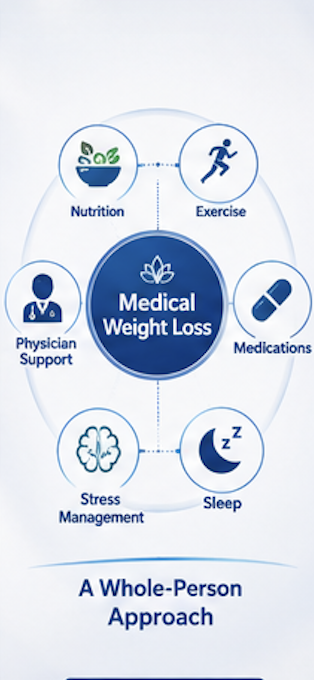
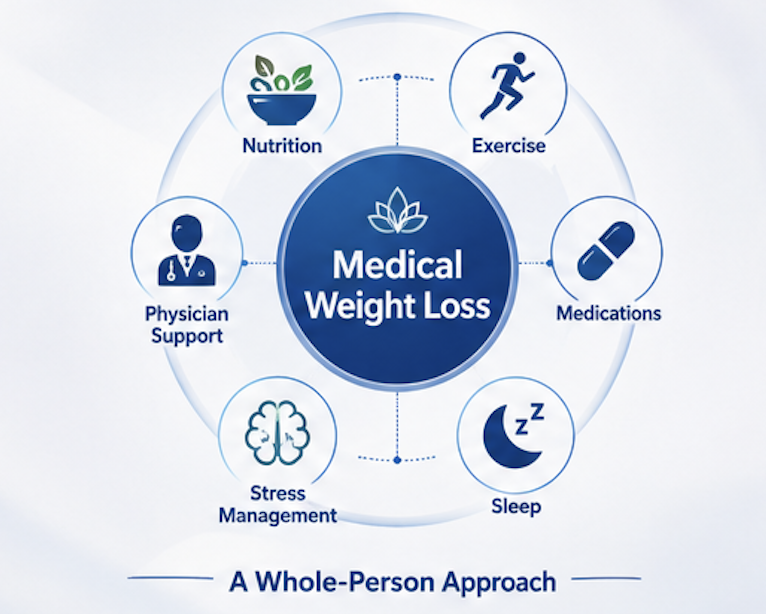
Successful weight loss rarely depends on a single intervention.
Instead, long-term success comes from addressing multiple aspects of health that work together to influence metabolism, appetite, energy balance, and daily habits.
While every treatment plan is personalized, most physician-guided medical weight loss programs include several core components.
Nutrition forms the foundation of every successful weight management program.
Rather than promoting extreme diets or eliminating entire food groups, medical weight loss emphasizes building eating habits that are nutritious, enjoyable, and sustainable over the long term.
A healthy eating pattern typically includes:
Plenty of vegetables
Fruits
Lean protein
Whole grains
Healthy fats
High-fiber foods
Adequate hydration
Instead of focusing only on calories, physicians often evaluate the overall quality of the diet.
For example, replacing highly processed foods with minimally processed, nutrient-dense foods can improve:
Satiety
Blood sugar control
Cholesterol
Energy levels
Overall nutritional intake
Protein deserves special attention during weight loss because it helps preserve lean muscle mass while increasing feelings of fullness. Adequate protein intake also supports recovery after exercise and helps maintain metabolic health.
Similarly, dietary fiber slows digestion, promotes fullness, and supports a healthy gut microbiome.
Rather than following rigid meal plans indefinitely, patients are encouraged to develop eating patterns they can realistically maintain throughout life.
The best diet is often the one that is nutritionally balanced, enjoyable, and sustainable.
Physical Activity
Exercise plays an important role in improving overall health, although many people are surprised to learn that nutrition generally has a greater impact on weight loss than exercise alone.
That said, physical activity provides numerous benefits beyond burning calories.
Regular exercise helps:
Preserve lean muscle mass during weight loss
Improve insulin sensitivity
Lower blood pressure
Improve cholesterol
Increase cardiovascular fitness
Support mental health
Improve sleep
Reduce stress
Help maintain weight loss after reaching a goal weight
A balanced exercise program usually includes both aerobic activity and strength training.
Examples of aerobic exercise include:
Walking
Cycling
Swimming
Hiking
Jogging
Dancing
Strength training may involve:
Free weights
Resistance bands
Bodyweight exercises
Weight machines
Maintaining muscle mass becomes increasingly important with age because muscle tissue helps support a healthy metabolism.
Fortunately, patients do not need to spend hours in the gym to benefit. Even modest increases in daily movement—such as walking more frequently, taking the stairs, or incorporating short exercise sessions into a busy schedule—can significantly improve long-term health.
Sleep
Sleep is often overlooked in discussions about weight loss, yet it has a powerful influence on appetite, metabolism, and overall health.
Adults who consistently obtain adequate, high-quality sleep generally have an easier time maintaining healthy eating habits.
Insufficient sleep has been linked to:
Increased hunger
Stronger cravings for high-calorie foods
Poor blood sugar regulation
Reduced insulin sensitivity
Increased fatigue
Lower motivation to exercise
Weight gain over time
Developing healthy sleep habits may include:
Maintaining a consistent bedtime
Limiting screen time before bed
Reducing caffeine late in the day
Creating a cool, dark sleeping environment
Treating medical conditions such as obstructive sleep apnea
Improving sleep often enhances many other aspects of a weight loss program.
Stress Management
Chronic stress affects far more than emotional well-being.
When stress becomes persistent, the body releases hormones such as cortisol that can increase appetite and encourage fat storage, particularly around the abdomen.
Stress may also contribute to:
Emotional eating
Mindless snacking
Poor sleep
Reduced motivation to exercise
Increased cravings for comfort foods
Because of this, effective stress management is often an important component of sustainable weight loss.
Healthy coping strategies may include:
Walking outdoors
Meditation
Yoga
Deep breathing exercises
Journaling
Spending time with family and friends
Counseling when appropriate
Hobbies that promote relaxation
Managing stress does not eliminate life's challenges, but it can reduce the likelihood that stress will interfere with healthy lifestyle choices.
Behavioral Change
One of the biggest differences between temporary dieting and lasting weight management is behavior.
Many people already know what foods are healthier. The challenge is consistently making those choices despite busy schedules, stress, social situations, travel, or emotional triggers.
Medical weight loss focuses on identifying habits that contribute to weight gain and replacing them with healthier routines that become sustainable over time.
Behavioral strategies may include:
Setting realistic goals
Meal planning
Grocery shopping with intention
Preparing healthy meals in advance
Keeping nutritious snacks readily available
Monitoring food intake when appropriate
Practicing mindful eating
Learning portion awareness
Recognizing emotional eating patterns
Developing healthier coping strategies
Instead of pursuing perfection, physician-guided weight loss encourages gradual improvements that accumulate over months and years.
Even small lifestyle changes, when maintained consistently, can produce meaningful health benefits.
Ongoing Physician Monitoring
Perhaps the greatest advantage of medical weight loss is the ongoing partnership between you and your physician.
Weight management is rarely a straight line. Progress often includes periods of rapid improvement, slower progress, and occasional setbacks. Regular follow-up visits allow your treatment plan to evolve as your needs change.
During follow-up appointments, your physician may monitor:
Weight trends
Waist circumference
Blood pressure
Laboratory values
Medication effectiveness
Side effects
Nutritional status
Physical activity
Lifestyle challenges
Long-term health goals
Treatment plans can then be adjusted based on your progress rather than relying on a one-size-fits-all approach.
For patients using prescription weight loss medications, physician supervision is especially important to ensure that treatment remains both safe and effective.
Regular follow-up also provides accountability, education, encouragement, and opportunities to celebrate milestones along the way.
Medical weight loss is not simply about prescribing medication or recommending a diet, it is about developing a long-term partnership focused on improving your health. With personalized guidance, ongoing monitoring, and evidence-based care, patients are often better equipped to achieve lasting success than when attempting to lose weight on their own.
GLP-1 Medications for Weight Loss
One of the most significant advances in obesity treatment over the past several years has been the development of GLP-1 receptor agonists and newer medications that also target GIP receptors. These medications have helped many individuals achieve meaningful and sustained weight loss when used as part of a comprehensive medical weight loss program.
Although these medications have received considerable attention in the media, they are not "magic injections." They work best when combined with healthy nutrition, regular physical activity, adequate sleep, stress management, and ongoing physician supervision.
Understanding how these medications work can help patients make informed decisions about whether they may be appropriate.
What Is GLP-1?
GLP-1 stands for Glucagon-Like Peptide-1, a hormone that your body naturally produces after eating.
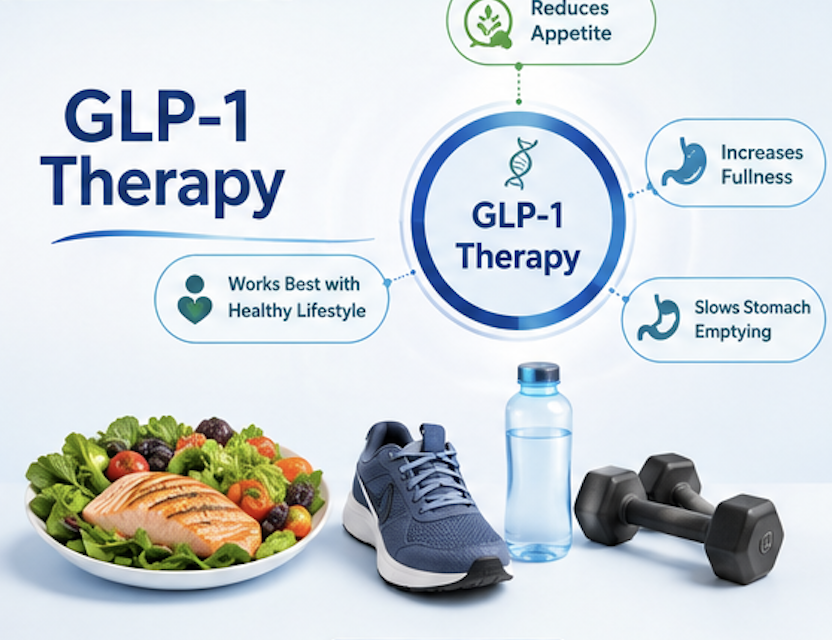
GLP-1 helps regulate several important functions involved in weight management, including:
Increasing feelings of fullness
Reducing appetite
Slowing stomach emptying
Helping regulate blood sugar levels
Improving insulin release after meals
Reducing food cravings in many individuals
Scientists developed medications that mimic the effects of this natural hormone, allowing these beneficial effects to last much longer than the body's own GLP-1.
For many patients, this means they naturally feel satisfied with smaller portions and have less desire to snack between meals.
Common GLP-1 Medications
Several prescription medications are currently approved for weight management or diabetes treatment.
Examples include:
Semaglutide
Tirzepatide
Liraglutide
Although each medication works somewhat differently, they all help regulate appetite and improve metabolic health.
Tirzepatide also activates an additional hormone pathway known as GIP (Glucose-Dependent Insulinotropic Polypeptide), which may provide additional weight loss benefits for some patients.
The most appropriate medication depends on an individual's medical history, treatment goals, insurance coverage, medication tolerance, and physician recommendations.
Who May Benefit From GLP-1 Therapy?
GLP-1 medications are not intended for everyone.
They may be considered for adults who:
Have obesity
Are overweight with weight-related medical conditions
Have been unable to achieve adequate results through lifestyle modification alone
Have type 2 diabetes
Have prediabetes
Have metabolic syndrome
Need additional support to reduce appetite and improve long-term weight management
Before prescribing medication, your physician should review:
Medical history
Current medications
Family history
Previous weight loss attempts
Laboratory testing
Potential risks and contraindications
This helps ensure treatment is both appropriate and safe.
Benefits of GLP-1 Therapy
When combined with healthy lifestyle changes, GLP-1 medications may provide numerous benefits beyond weight loss.
Potential benefits include:
Significant reduction in body weight
Improved blood sugar control
Reduced appetite
Fewer food cravings
Improved insulin sensitivity
Lower blood pressure in some individuals
Improvements in cholesterol and triglycerides
Reduced risk of progression from prediabetes to diabetes
Better mobility
Reduced joint pain associated with excess weight
Improved quality of life
Many patients also report that these medications help reduce the constant "food noise" or persistent thoughts about eating throughout the day.
This can make healthy eating feel much more achievable.
Possible Side Effects
Like all prescription medications, GLP-1 therapies may cause side effects.
The most common include:
Nausea
Vomiting
Diarrhea
Constipation
Bloating
Heartburn
Reduced appetite
Fortunately, these symptoms are often temporary and improve as the body adjusts to treatment.
To reduce side effects, physicians typically begin with a lower dose and gradually increase the medication over time.
Patients can also minimize gastrointestinal symptoms by:
Eating smaller meals
Eating slowly
Staying hydrated
Avoiding overeating
Limiting high-fat meals if they worsen symptoms
Serious side effects are uncommon but should always be discussed with your physician before starting therapy.
Why Physician Monitoring Is Important
GLP-1 medications are most effective when used as part of a comprehensive treatment plan rather than as a stand-alone solution.
Regular follow-up appointments allow your physician to:
Monitor progress
Adjust dosing
Manage side effects
Evaluate laboratory results
Ensure adequate nutrition
Help preserve muscle mass
Determine whether treatment goals are being achieved
Some patients require medication for an extended period, while others may eventually transition to maintaining weight through lifestyle modifications alone.
Every treatment plan should be individualized.
Other Prescription Weight Loss Medications
Although GLP-1 medications have received the most attention in recent years, they are not the only prescription options available.
Depending on your health history and treatment goals, your physician may recommend alternative medications that target appetite, metabolism, or calorie absorption through different mechanisms.
Examples include:
Phentermine
Phentermine is an appetite suppressant that has been used for decades.
It may be appropriate for certain patients requiring short-term assistance with weight loss, although it is not suitable for everyone, particularly individuals with uncontrolled high blood pressure, certain heart conditions, or other specific medical concerns.
Naltrexone/Bupropion
This combination medication works on areas of the brain involved in appetite regulation and food cravings.
It may be beneficial for individuals who struggle with emotional eating or persistent hunger.
As with any medication, careful review of medical history and current medications is necessary before treatment.
Orlistat
Orlistat works differently by reducing the absorption of dietary fat in the intestines.
Because it affects fat absorption, some patients experience gastrointestinal side effects, particularly after consuming high-fat meals.
While it may be an appropriate option for some individuals, it is generally less commonly used today than newer medications.
Choosing the Right Medication
There is no single "best" weight loss medication.
The most appropriate treatment depends on factors such as:
Current weight
Body Mass Index (BMI)
Medical conditions
Blood sugar control
Blood pressure
Current medications
Family history
Lifestyle
Personal preferences
Cost and insurance coverage
A personalized approach allows treatment to be matched to each patient's unique circumstances.
Medication should always complement healthy lifestyle changes, not replace them.
Why Nutrition Still Matters - Even With GLP-1 Therapy
One of the biggest misconceptions surrounding GLP-1 medications is that nutrition no longer matters.
In reality, healthy eating becomes even more important during medical weight loss.
Although GLP-1 medications reduce appetite, your body still requires adequate nutrition to:
Preserve muscle mass
Support metabolism
Maintain bone health
Produce hormones
Support immune function
Maintain energy levels
Because patients often eat smaller portions while taking these medications, every bite becomes more nutritionally important.
Prioritizing high-quality foods helps maximize both weight loss and overall health.
Protein Remains a Priority
One of the biggest concerns during rapid weight loss is losing muscle in addition to body fat.
Maintaining adequate protein intake helps:
Preserve lean muscle
Support metabolism
Increase fullness
Improve recovery after exercise
Reduce excessive hunger
Many patients benefit from including a source of lean protein at every meal.
Examples include:
Fish
Chicken
Turkey
Eggs
Greek yogurt
Cottage cheese
Beans
Lentils
Tofu
Focus on Nutrient-Dense Foods
Since appetite is reduced, patients should focus on foods that provide the greatest nutritional value.
These include:
Vegetables
Fruits
Whole grains
Healthy fats
Lean proteins
Legumes
Nuts and seeds
Highly processed foods may still fit occasionally, but building meals around whole, minimally processed foods supports better long-term health.
Stay Hydrated
Some individuals naturally drink less water while taking GLP-1 medications because they feel less hungry and thirsty.
Adequate hydration remains essential for:
Digestion
Kidney health
Energy
Exercise performance
Preventing constipation
Many physicians recommend carrying a reusable water bottle throughout the day as a simple reminder to stay hydrated.
Continue Exercising
Exercise remains one of the best ways to preserve muscle mass during weight loss.
A balanced routine should ideally include:
Cardiovascular exercise
Strength training
Flexibility exercises
Daily movement
Maintaining muscle helps preserve metabolic rate and supports long-term weight maintenance.
Building Lifelong Habits
Eventually, medications may be reduced or discontinued for some patients.
The habits developed during treatment become the foundation for maintaining results afterward.
Learning how to grocery shop, prepare healthy meals, manage portions, exercise consistently, and navigate social situations creates skills that support lifelong success.
For this reason, medical weight loss should be viewed as an opportunity to develop healthier habits- not simply as a temporary medication program.
Common Myths About Medical Weight Loss
Weight loss is surrounded by misinformation, especially online. Separating fact from fiction can help patients make informed decisions and avoid unrealistic expectations.
Myth #1: "Weight Loss Medication Is Cheating"
One of the most common misconceptions is that using prescription medication means someone is taking the "easy way out."
The reality is that obesity is recognized as a complex, chronic medical condition influenced by genetics, hormones, metabolism, environment, and behavior. Just as medications may be appropriate for conditions like high blood pressure or diabetes, weight loss medications can be an evidence-based treatment for carefully selected patients.
These medications are tools—not shortcuts—and they work best when combined with healthy lifestyle changes.
Myth #2: "You Just Need More Willpower"
As discussed earlier in this guide, weight management involves much more than motivation.
Hormones that regulate hunger, insulin resistance, sleep quality, stress, medications, and genetics all influence body weight.
Understanding and addressing these underlying factors often leads to greater long-term success than relying on willpower alone.
Myth #3: "Carbohydrates Are Always Bad"
Carbohydrates are an important source of energy, and not all carbohydrates are created equal.
Highly processed carbohydrates and sugary beverages can contribute to excess calorie intake, but nutrient-rich carbohydrates—such as vegetables, fruits, legumes, and whole grains—provide fiber, vitamins, minerals, and sustained energy.
Rather than eliminating all carbohydrates, many patients benefit from choosing higher-quality carbohydrate sources and paying attention to portion sizes.
Myth #4: "Exercise Alone Is Enough to Lose Significant Weight"
Exercise offers tremendous health benefits, including improved cardiovascular fitness, better insulin sensitivity, stronger muscles and bones, improved mood, and long-term weight maintenance.
However, for most individuals, nutrition has a greater influence on initial weight loss than exercise alone.
The most effective programs combine both healthy eating and regular physical activity rather than relying exclusively on one or the other.
Myth #5: "Fast Weight Loss Is Always Better"
Rapid weight loss may sound appealing, but losing weight too quickly can increase the risk of muscle loss, nutritional deficiencies, gallstones, fatigue, and difficulty maintaining results.
In most cases, gradual, sustainable weight loss supported by healthy lifestyle changes leads to better long-term outcomes.
The goal is not simply to lose weight quickly, it is to improve your health in a way that you can maintain for years to come.
How Much Weight Can You Expect to Lose?
One of the first questions many patients ask is, "How much weight can I realistically expect to lose?" While this is an understandable question, there is no single answer that applies to everyone.
Successful weight loss depends on many factors, including your starting weight, age, genetics, metabolism, medical conditions, medications, physical activity, nutrition, sleep quality, stress levels, and how consistently you follow your treatment plan.
For this reason, physician-guided medical weight loss focuses on steady, sustainable progress rather than rapid or unrealistic weight loss.
Healthy Weight Loss Takes Time
Many commercial programs advertise dramatic transformations in just a few weeks. Although rapid weight loss is possible in some situations, it is often difficult to maintain and may increase the risk of losing muscle mass instead of primarily body fat.
For most individuals, a gradual rate of weight loss is healthier and more sustainable. This allows your body time to adapt while helping preserve lean muscle, support metabolism, and reduce the likelihood of regaining weight.
Remember that progress is not always linear. It is common to experience periods where the scale changes quickly, followed by temporary plateaus. These fluctuations are a normal part of the weight loss process and do not necessarily mean your treatment plan is failing.
Even Modest Weight Loss Improves Health
Many people assume they need to lose a large amount of weight before experiencing health benefits. Fortunately, this is not true.
Relatively modest reductions in body weight can lead to meaningful improvements in overall health, including:
Improved blood sugar control
Lower blood pressure
Improved cholesterol levels
Reduced stress on joints
Better mobility
Improved sleep quality
Increased energy
Reduced risk of developing type 2 diabetes
Improved cardiovascular health
These improvements often occur before patients reach their long-term weight goal.
Success Is About More Than the Scale
The number on the scale is only one way to measure progress.
Other important indicators of success include:
Smaller waist circumference
Better-fitting clothes
Increased strength and endurance
Improved laboratory results
Lower blood pressure
Better sleep
Improved mood
Greater confidence
Reduced need for certain medications
Increased participation in daily activities
A successful medical weight loss program focuses on improving your overall health, not simply reaching a specific number.
Is Medical Weight Loss Safe?
When supervised by a qualified healthcare professional, medical weight loss is generally a safe and evidence-based approach to improving health.
The key difference between medical weight loss and many commercial programs is that treatment is individualized and monitored over time.
Rather than following a generic diet plan, your physician evaluates your overall health before making recommendations.
This may include reviewing:
Medical history
Current medications
Previous weight loss attempts
Family history
Laboratory testing
Blood pressure
Underlying medical conditions
Lifestyle factors
This comprehensive evaluation helps identify potential barriers to weight loss while reducing the risk of complications.
Ongoing Monitoring
Regular follow-up visits allow your physician to:
Evaluate progress
Adjust treatment plans
Monitor medication effectiveness
Identify side effects early
Review laboratory results
Assess nutritional status
Support long-term success
If prescription medications are used, ongoing monitoring helps ensure that treatment remains both safe and effective.
Avoiding Unsafe Weight Loss Practices
Unfortunately, many weight loss products marketed online promise rapid results without scientific evidence.
Patients should be cautious of:
Extreme calorie restriction
Unregulated supplements
"Fat-burning" products
Detox cleanses
Miracle weight loss claims
Programs promising effortless or permanent weight loss
If something sounds too good to be true, it usually is.
Safe, sustainable weight loss requires time, consistency, and an individualized plan developed with your healthcare provider.
Maintaining Weight Loss Long-Term
Losing weight is an important accomplishment, but maintaining that weight loss is often the greater challenge.
The human body naturally attempts to restore lost weight by increasing hunger and reducing energy expenditure after significant weight loss. These biological responses help explain why maintaining results can be difficult without continued attention to healthy habits.
Fortunately, long-term success is achievable with ongoing lifestyle changes and appropriate medical support.
Build Habits, Not Temporary Diets
Short-term diets often fail because they rely on rules that are difficult to maintain indefinitely.
Instead of asking:
"What diet should I follow?"
A better question is:
"What healthy habits can I continue for the rest of my life?"
Successful long-term habits often include:
Eating regular balanced meals
Prioritizing lean protein
Choosing whole, minimally processed foods
Drinking adequate water
Exercising consistently
Sleeping well
Managing stress
Monitoring weight periodically
Small habits performed consistently usually have a greater long-term impact than dramatic lifestyle changes that are impossible to sustain.
Continue Follow-Up Care
Many patients benefit from continued physician follow-up even after reaching their weight goal.
Regular visits provide opportunities to:
Monitor overall health
Reinforce healthy habits
Address weight regain early
Adjust medications if needed
Review laboratory testing
Set new health goals
Weight management should be viewed as an ongoing process rather than a temporary project.
Expect Occasional Setbacks
Every successful weight loss journey includes obstacles.
Vacations, holidays, illness, stressful life events, and busy schedules can temporarily interrupt healthy routines.
Rather than viewing these situations as failures, it is helpful to see them as opportunities to return to healthy habits without guilt.
Consistency over months and years matters far more than perfection on any single day.
-
Insurance coverage varies depending on your individual health plan, the services provided, and whether prescription medications are included. Some laboratory testing, office visits, or medications may be covered, while others may not. Your physician's office can help explain your available options.
-
No.
Many patients successfully lose weight through nutrition, exercise, behavioral changes, and physician guidance alone. Prescription medications are simply one treatment option that may be appropriate for certain individuals based on their medical history and health goals.
-
Some individuals regain weight after stopping medication, particularly if healthy lifestyle habits have not been established. This is why nutrition, physical activity, sleep, and behavioral changes remain essential—even while taking medication.
The goal is to develop sustainable habits that support long-term success.
-
Medical weight loss is highly individualized.
Some patients achieve their goals within several months, while others benefit from longer-term treatment depending on the amount of weight they hope to lose and their overall health.
Rather than focusing on speed, physician-guided care emphasizes safe, lasting progress.
-
Yes.
Major medical organizations recognize obesity as a chronic, complex disease influenced by genetics, hormones, metabolism, environmental factors, and behavior.
Recognizing obesity as a medical condition helps reduce stigma while encouraging evidence-based treatment rather than blame or shame.
-
Nutrition generally has a greater influence on initial weight loss than exercise alone. However, regular physical activity remains extremely important for preserving muscle mass, improving cardiovascular health, increasing energy, supporting mental health, and maintaining weight loss over the long term.
For the best results, healthy eating and regular exercise should work together.
Frequently Asked Questions
Why Choose Ask Dr. Hu for Medical Weight Loss in Arizona?
At Ask Dr. Hu, I believe successful weight management begins with understanding the whole person—not simply treating a number on the scale.
As an Arizona naturopathic physician providing concierge medical care throughout the state, I work with patients to develop individualized treatment plans based on their unique medical history, lifestyle, goals, and overall health.
Rather than relying on restrictive diets or temporary solutions, my approach emphasizes long-term wellness through evidence-based medicine, sustainable lifestyle changes, and ongoing physician support.
Depending on your needs, your personalized weight management plan may include:
Comprehensive medical evaluation
Nutrition guidance
Physical activity recommendations
Laboratory testing
Metabolic health assessment
GLP-1 medication evaluation when appropriate
Ongoing follow-up and progress monitoring
Preventive healthcare strategies
Personalized coaching and education
Through convenient virtual concierge appointments available throughout Arizona, patients receive individualized care designed to fit their busy lives while maintaining direct access to their physician.
My goal is not simply to help you lose weight, it is to help you improve your overall health, reduce your risk of chronic disease, and develop lifelong habits that support lasting wellness.


If you've struggled with weight loss despite your best efforts, know that you're not alone, and you don't have to navigate the journey by yourself.
Weight management is a complex process influenced by many factors beyond willpower. With the right evaluation, personalized guidance, and evidence-based treatment, many individuals can achieve meaningful improvements in both their weight and overall health.
Whether your goal is to improve your energy, reduce your risk of chronic disease, better manage conditions like diabetes or high blood pressure, or simply feel healthier and more confident, physician-guided medical weight loss can provide the structure and support needed for long-term success.
At Ask Dr. Hu, I'm committed to helping patients throughout Arizona build sustainable habits, not quick fixes, through personalized concierge medical care.
Ready to take the next step?
Whether you're interested in lifestyle-based weight management, learning more about GLP-1 medications, or creating a customized medical weight loss plan, I'd be honored to partner with you on your journey toward better health.
Schedule a consultation today to begin building a healthier future, one sustainable step at a time.