Healthy Living: A Complete Guide to Building Lifelong Healthy Habits
Written by YiQiu Hu, NMD
Arizona-licensed naturopathic physician and concierge medicine provider
Published July 2026 | Medically reviewed July 2026
Healthy living isn't about following a perfect diet, exercising for hours every day, or chasing the latest wellness trend. Instead, it's about building sustainable habits that improve your physical, mental, and emotional well-being over time.
Whether your goal is to prevent chronic disease, improve your energy, lose weight, optimize your health, or simply feel better each day, the choices you make consistently have a greater impact than occasional bursts of motivation.
As a naturopathic physician providing concierge medical care throughout Arizona, I believe healthcare should focus on prevention just as much as treatment. This guide explains the foundations of healthy living and offers practical strategies you can begin using today.

What Does Healthy Living Mean?
Healthy living is the practice of making everyday choices that support your body's ability to function at its best.
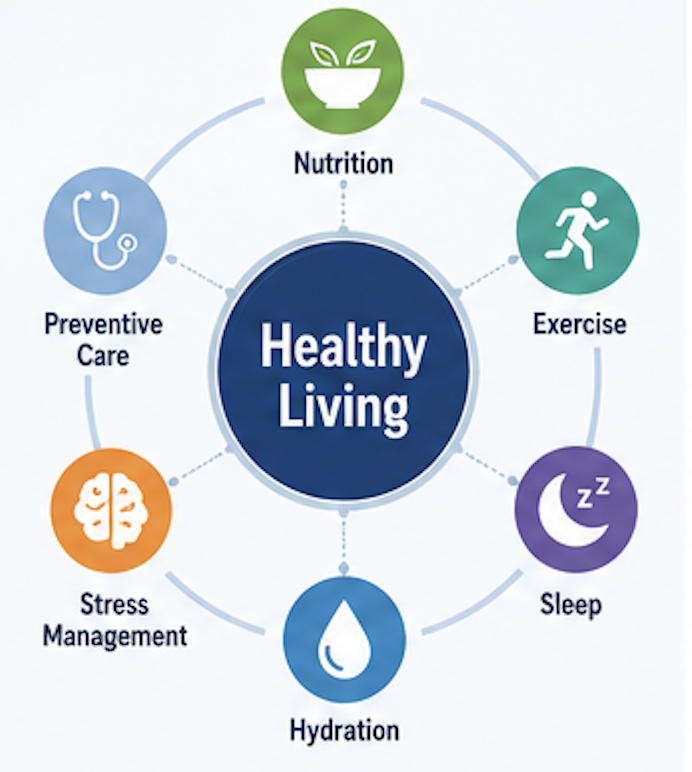
Rather than relying on a single habit, healthy living combines several important areas of wellness, including:
Nutritious eating
Regular physical activity
Quality sleep
Stress management
Adequate hydration
Preventive healthcare
Healthy relationships
Avoiding harmful habits such as smoking
Each of these areas influences the others. Improving just one aspect of your lifestyle often creates positive changes in several others.
Why Healthy Habits Matter More Than Quick Fixes
Many people look for rapid solutions when they want to improve their health. Crash diets, detoxes, extreme exercise plans, and miracle supplements often promise fast results but rarely lead to lasting change.
Long-term health is built through consistency.
Small improvements repeated every day can produce significant benefits over months and years. For example:
Walking 30 minutes most days
Drinking more water
Cooking meals at home
Sleeping an extra hour each night
Managing stress more effectively
These habits may seem simple, but together they can significantly reduce the risk of chronic disease while improving quality of life.
The Pillars of a Healthy Lifestyle
Healthy Nutrition
Nutrition provides the fuel your body needs to function, heal, and stay healthy.
Rather than focusing on restrictive diets, aim for a balanced eating pattern that includes:
Vegetables
Fruits
Lean proteins
Healthy fats
Whole grains (when appropriate)
High-fiber foods
Nuts and seeds
Limiting highly processed foods, sugary beverages, and excessive added sugars may help improve weight management, blood sugar control, cholesterol, and overall health.
Remember that healthy eating doesn't have to be perfect. Consistency matters far more than occasional indulgences.
Regular Physical Activity
Exercise benefits nearly every organ system in the body.
Regular movement can help:
Improve cardiovascular health
Build muscle strength
Maintain healthy bones
Improve insulin sensitivity
Support weight management
Reduce anxiety and depression
Improve sleep quality
Increase energy levels
Aim for a combination of:
Aerobic exercise
Strength training
Flexibility exercises
Balance training
You don't need an expensive gym membership. Walking, cycling, swimming, hiking, resistance bands, and bodyweight exercises can all provide meaningful health benefits.
Quality Sleep
Sleep is one of the most overlooked aspects of health.
During sleep, your body:
Repairs tissues
Regulates hormones
Consolidates memories
Strengthens immune function
Supports metabolism
Poor sleep has been associated with:
Weight gain
Diabetes
Heart disease
Depression
Reduced concentration
Increased inflammation
Most adults benefit from approximately 7–9 hours of quality sleep each night.
Developing a consistent bedtime routine, limiting screen time before bed, and maintaining a comfortable sleep environment can improve sleep quality.
Stress Management
Stress is a normal part of life, but chronic stress can negatively affect nearly every body system.
Long-term stress may contribute to:
High blood pressure
Digestive problems
Anxiety
Depression
Sleep disturbances
Chronic pain
Weakened immune function
Healthy stress management techniques include:
Mindfulness
Meditation
Deep breathing
Exercise
Time outdoors
Journaling
Hobbies
Spending time with family and friends
Managing stress doesn't mean eliminating challenges—it means improving your ability to respond to them.
Staying Hydrated
Water plays a role in nearly every biological process.
Proper hydration supports:
Brain function
Digestion
Temperature regulation
Joint lubrication
Kidney function
Physical performance
Hydration needs vary based on age, activity level, climate, and medical conditions.
A simple goal is to drink water consistently throughout the day and increase intake during exercise or hot weather.
Avoiding Harmful Habits
Healthy living also involves reducing behaviors that increase disease risk.
These include:
Smoking
Vaping nicotine products
Excessive alcohol consumption
Recreational drug use
Chronic sleep deprivation
Sedentary lifestyle
Reducing or eliminating these habits can have a significant positive impact on long-term health.
Preventive Healthcare
Many serious medical conditions develop gradually before symptoms appear.
Preventive healthcare focuses on identifying health concerns early, when they are often easier to manage.
Preventive care may include:
Annual wellness visits
Routine blood work
Blood pressure screening
Cholesterol testing
Diabetes screening
Cancer screenings
Vaccinations when appropriate
Personalized risk assessments
Regular preventive care allows patients and physicians to make informed decisions before problems become more serious.
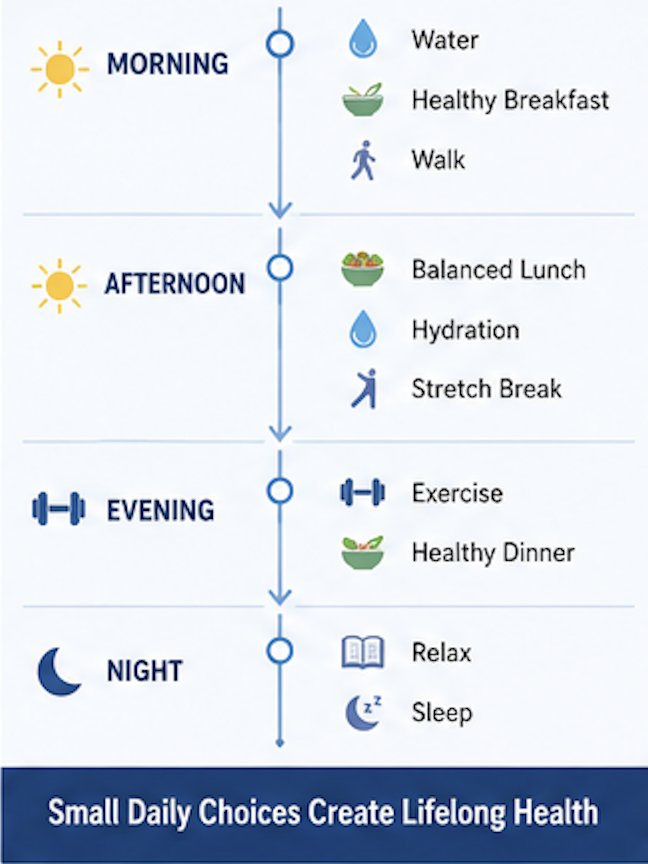
Creating lifelong habits doesn't require changing everything overnight.
Instead:
Start Small
Choose one or two habits to improve first.
Examples include:
Walking after dinner
Preparing lunch at home
Drinking one additional bottle of water daily
Make Habits Easy
Reduce barriers by preparing healthy meals in advance, keeping exercise equipment accessible, or scheduling workouts like appointments.
Focus on Progress
Healthy living isn't about perfection.
Missing one workout or eating dessert doesn't erase your progress. The goal is consistency over months and years.
Track Your Progress
Many people stay motivated by tracking:
Exercise
Sleep
Water intake
Weight
Blood pressure
Daily steps
Mood
Nutrition
Monitoring progress can reinforce positive habits and identify areas for improvement.
Building Healthy Habits That Last
Common Mistakes That Prevent Long-Term Success
Many people struggle because they:
Set unrealistic goals
Expect immediate results
Follow overly restrictive diets
Ignore sleep and stress
Exercise inconsistently
Focus only on weight instead of overall health
Compare themselves to others
Healthy living should be individualized. What works well for one person may not be appropriate for another.
When Lifestyle Changes Aren't Enough
Healthy habits form the foundation of good health, but some medical conditions require additional evaluation or treatment.
Persistent fatigue, unexplained weight changes, chronic pain, digestive symptoms, hormonal concerns, high blood pressure, abnormal cholesterol, or elevated blood sugar may indicate an underlying medical issue.
Working with a healthcare provider can help identify these conditions early through a thorough medical history, physical examination, and appropriate laboratory testing. In some cases, prescription medications, targeted therapies, or referrals to specialists may be recommended alongside lifestyle changes.
Seeking medical guidance does not mean you've failed—it means you're using every available tool to improve your health.
How Personalized Healthcare Can Help
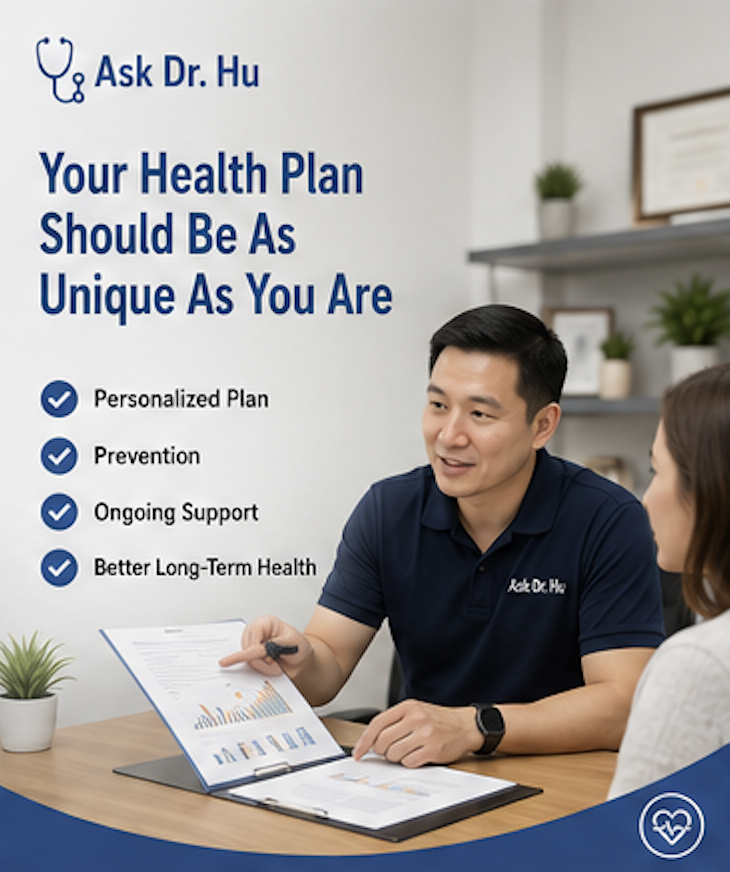
Every person has different genetics, medical history, goals, and lifestyle factors.
Personalized healthcare goes beyond generic recommendations by creating an individualized plan based on your unique needs.
This may include:
Comprehensive health evaluations
Advanced laboratory testing when appropriate
Nutrition counseling
Exercise recommendations
Weight management strategies
Hormone evaluations
Chronic disease prevention
Ongoing accountability and follow-up
A personalized approach can make healthy living more practical, sustainable, and effective.
-
No. Healthy living also includes sleep, stress management, hydration, preventive healthcare, mental well-being, and avoiding harmful habits.
-
While timelines vary, many habits become easier with consistent practice over several weeks. Long-term success depends on making gradual, sustainable changes rather than attempting to change everything at once.
-
Yes. Healthy lifestyle choices are associated with a lower risk of conditions such as heart disease, type 2 diabetes, high blood pressure, obesity, and certain cancers.
-
Not necessarily. Most people can meet many of their nutritional needs through a balanced diet. Supplements may be appropriate in certain situations, but they should ideally be chosen based on individual needs and guidance from a qualified healthcare professional.
-
No. Healthy lifestyle changes can provide meaningful benefits at almost any age. Even small improvements in nutrition, physical activity, sleep, or stress management can positively affect your health and quality of life.
Frequently Asked Questions
Healthy living is not about being perfect, it's about making intentional choices that support your long-term well-being. Small, consistent actions can lead to meaningful improvements in energy, resilience, and overall health over time.
If you're looking for personalized guidance, preventive healthcare, or help creating a sustainable wellness plan, Ask Dr. Hu provides concierge naturopathic medical care for patients throughout Arizona. Together, we can develop a practical approach tailored to your health goals, helping you build healthy habits that last for years to come.