Am I a Candidate for Hormone Replacement Therapy?
Written by YiQiu Hu, NMD
Arizona-licensed naturopathic physician and concierge medicine provider
Published July 2026 | Medically reviewed July 2026
Hormone replacement therapy (HRT) may improve symptoms and quality of life for appropriately selected patients. However, potential benefits and risks vary by the type of therapy, the condition being treated, and the individual’s health history.
Persistent symptoms may warrant an evaluation, but symptoms alone do not determine whether treatment is appropriate. A clinician should review the patient’s medical history, possible alternative causes, relevant testing, contraindications, treatment options, and monitoring needs before therapy begins.
Who May Benefit from Hormone Replacement Therapy?
Hormone replacement therapy may be appropriate for adults who have symptoms consistent with declining or imbalanced hormone levels.
Women often seek HRT during perimenopause or menopause, while men may benefit from evaluation for low testosterone (low T) as they age. In some cases, younger adults with certain medical conditions or hormonal disorders may also be candidates.
Potential candidates often experience symptoms that interfere with work, relationships, sleep, exercise, or overall quality of life.
Common Symptoms That May Suggest Hormonal Imbalance
Symptoms vary depending on which hormones are affected.
Women may experience:
Hot flashes
Night sweats
Mood changes
Vaginal dryness
Pain during intercourse
Poor sleep
Fatigue
Brain fog
Decreased libido
Men may experience:
Low energy
Reduced muscle mass
Increased body fat
Decreased sex drive
Erectile dysfunction
Difficulty concentrating
Low motivation
Depressed mood
Reduced exercise performance
While these symptoms may be caused by hormonal changes, they can also result from thyroid disorders, sleep problems, nutritional deficiencies, chronic illness, stress, depression, or other medical conditions. A proper evaluation helps determine the underlying cause.
Age Alone Does Not Determine Eligibility
Many people assume that simply getting older means they need hormone therapy.
In reality, age is only one factor.
Some people in their 40s may experience significant hormone deficiency, while others in their 60s have hormone levels that do not require treatment.
Your symptoms, laboratory testing, medical history, and treatment goals are generally much more important than age alone.
Laboratory Testing Is Only One Piece of the Puzzle
Hormone levels naturally fluctuate throughout the day and over time.
For this reason, physicians do not rely on laboratory results alone when deciding whether someone is a candidate for hormone replacement therapy.
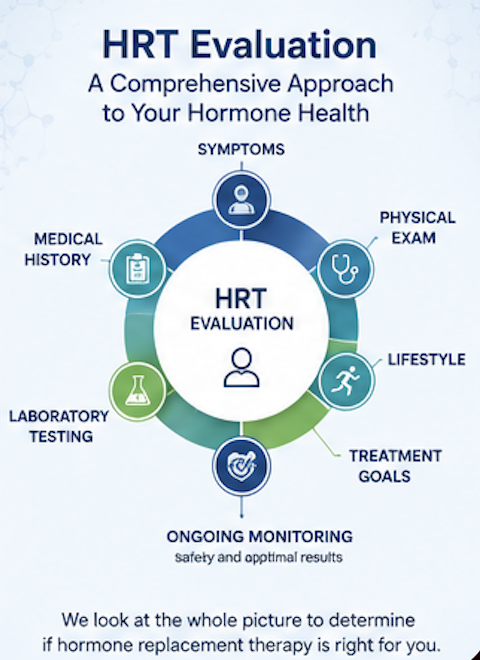
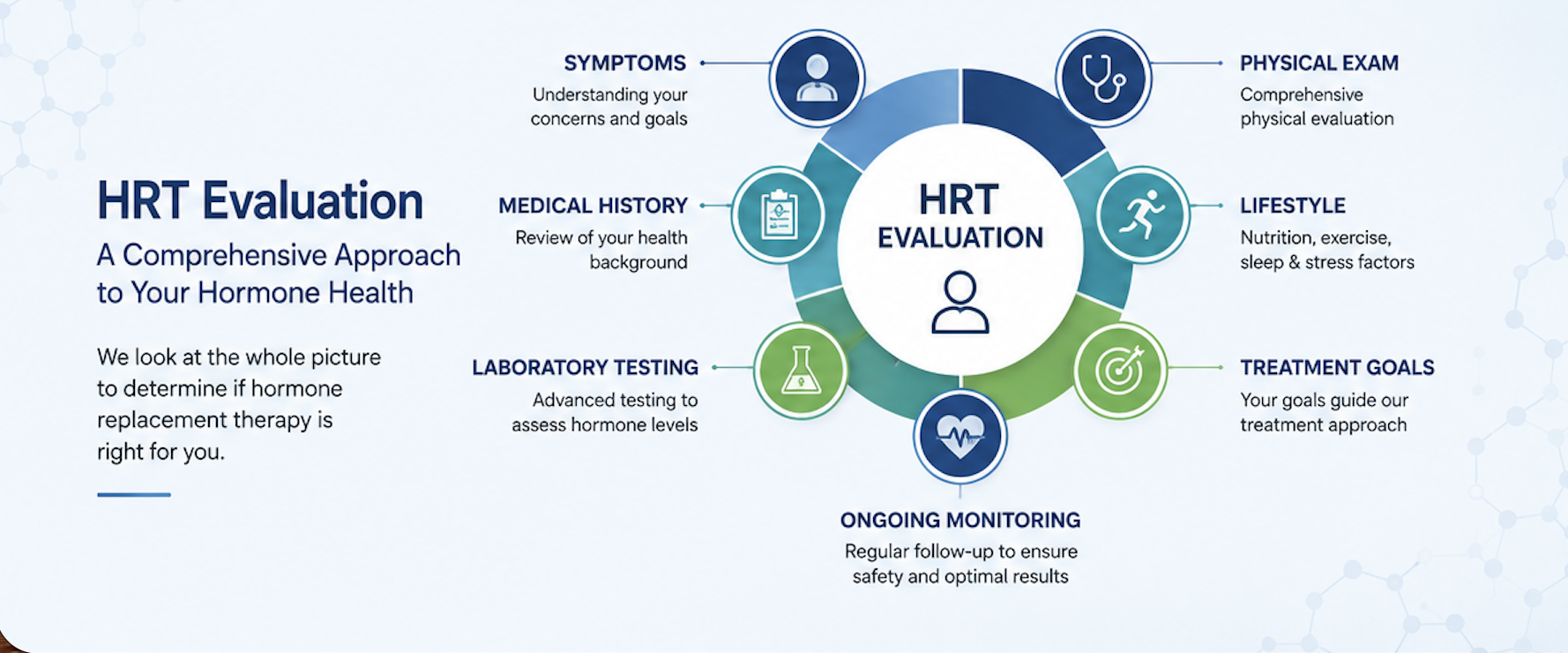
Instead, providers typically evaluate:
Your symptoms
Medical history
Physical examination
Laboratory testing
Current medications
Family history
Individual health risks
Overall treatment goals
The combination of these factors helps determine whether HRT is likely to provide meaningful benefits.
Who May Not Be a Good Candidate for HRT?
Some medical conditions require extra caution or may make hormone therapy inappropriate.
Depending on the individual situation, HRT may not be recommended for people with:
Certain hormone-sensitive cancers
Unexplained vaginal bleeding
Active blood clots
Certain liver diseases
Recent heart attack or stroke
Untreated severe medical conditions
These situations do not automatically eliminate HRT as an option, but they often require careful discussion, additional evaluation, or alternative treatment approaches.
Every Treatment Plan Should Be Personalized
There is no one-size-fits-all hormone replacement program.
If treatment is appropriate, your physician may individualize:
Medication type
Dosage
Delivery method (cream, injection, patch, pellet, or oral medication when appropriate)
Laboratory monitoring schedule
Follow-up visits
Lifestyle recommendations
The goal is to improve symptoms while minimizing potential risks through ongoing monitoring and adjustments.
When Should You Consider an Evaluation?
Consider scheduling an evaluation if you have persistent symptoms that have lasted several weeks or months, especially if they are affecting your daily life.
Early evaluation can help determine whether hormones are contributing to your symptoms or whether another medical condition requires attention.
Even if hormone therapy is not appropriate, identifying the underlying cause often leads to effective treatment options.
Frequently Asked Questions
-
Blood work is usually recommended because it helps evaluate hormone levels, identify other medical conditions, and guide safe treatment decisions.
-
Not necessarily. Some younger adults develop hormone deficiencies due to medical conditions, surgery, or other factors. Eligibility depends on your overall evaluation rather than age alone.
-
It depends on the therapy being considered. Menopausal hormone therapy may be guided primarily by symptoms and medical history. Testosterone therapy generally requires compatible symptoms and consistently low levels confirmed through appropriate testing. Normal results may warrant evaluating other possible causes before considering treatment.
-
Symptoms such as fatigue, mood changes, poor sleep, or low libido can have many causes. A comprehensive medical evaluation helps determine whether hormonal imbalance is contributing.
-
Not always. Some patients use HRT for a limited period, while others continue longer-term under physician supervision. Treatment plans are individualized.
The Bottom Line
Many adults experiencing symptoms of hormone imbalance may be candidates for hormone replacement therapy, but eligibility depends on much more than age or a single laboratory value.
A comprehensive medical evaluation, including your symptoms, health history, physical examination, and laboratory testing, helps determine whether HRT is safe and appropriate for your individual needs.
If you are experiencing persistent symptoms such as fatigue, hot flashes, low libido, mood changes, or poor sleep, discussing your concerns with a qualified healthcare provider is the best first step toward finding the right treatment.
At Ask Dr. Hu, we provide personalized naturopathic and concierge medical care for patients throughout Arizona via secure telemedicine, with in-person visits available when appropriate.
Whether you're looking for preventive care, chronic disease management, integrative pain management, medical marijuana certification, hormone optimization, weight management, medical documentation, health optimization, or a more personalized healthcare experience, we're here to help.
Contact us today to learn whether our practice is the right fit for your healthcare needs.