What Is Preventive Care?
Written by YiQiu Hu, NMD
Arizona-licensed naturopathic physician and concierge medicine provider
Published July 2026 | Medically reviewed July 2026

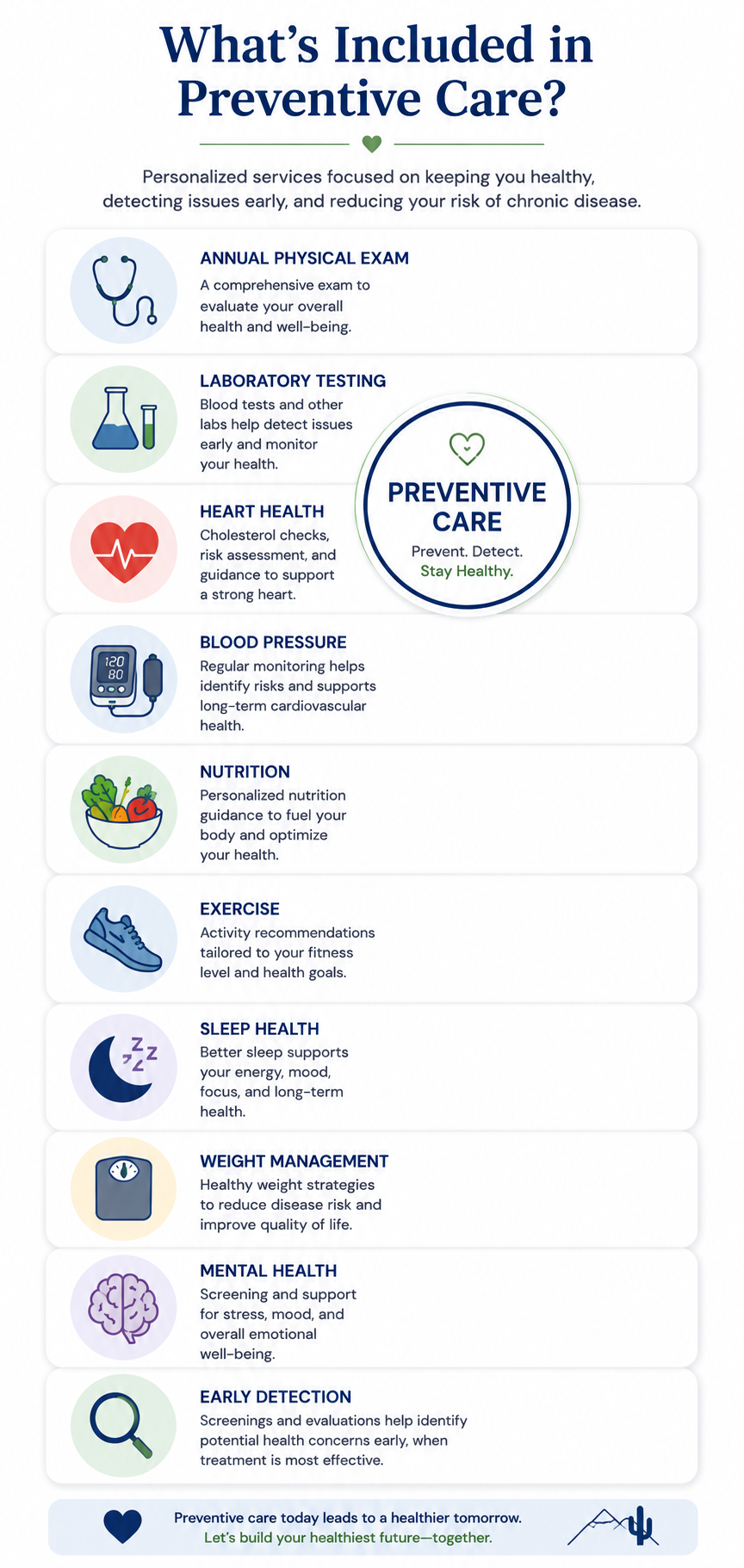
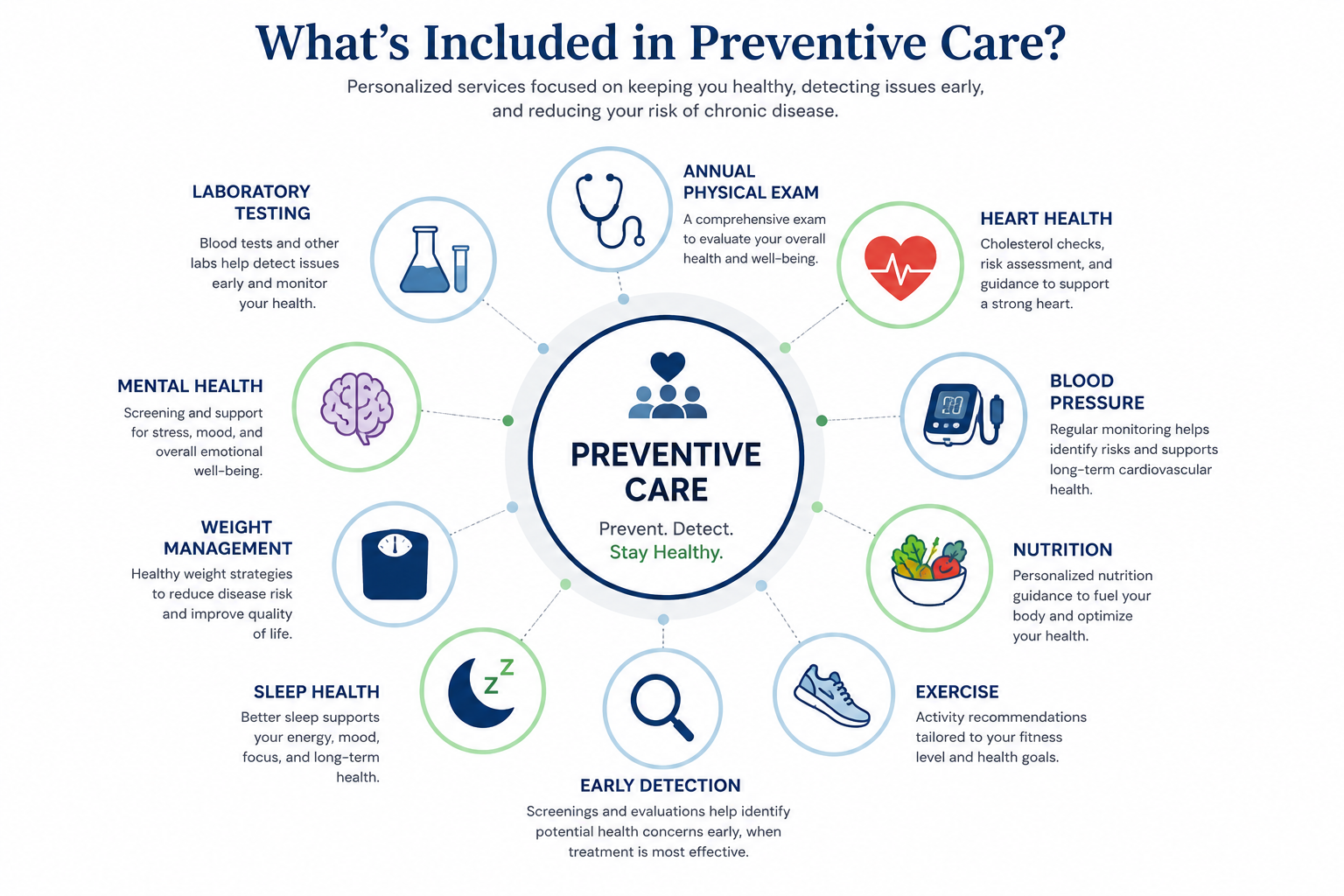
Preventive care is medical care focused on keeping you healthy before illness develops. Rather than waiting until symptoms appear, preventive care emphasizes regular health evaluations, recommended screenings, healthy lifestyle counseling, and early detection of medical conditions. The goal is to reduce your risk of disease, identify health concerns as early as possible, and help you enjoy a longer, healthier life.
At Ask Dr. Hu, preventive care is one of the foundations of our concierge medical practice. We believe that the best healthcare doesn't simply treat illness, it works proactively to prevent it whenever possible.
What Does Preventive Care Mean?
Preventive care refers to healthcare services that help prevent disease, identify health risks early, and promote long-term wellness. These services are recommended for people who feel healthy as well as those managing chronic medical conditions.
Preventive care often includes:
Comprehensive physical exams
Blood pressure monitoring
Routine laboratory testing
Cholesterol screening
Diabetes screening
Cancer screenings
Lifestyle and nutrition counseling
Exercise recommendations
Mental health screening
Sleep assessment
Tobacco and alcohol counseling
Immunizations when appropriate
The exact services you need depend on your age, medical history, family history, lifestyle, and individual risk factors.
Why Is Preventive Care Important?
Many serious health conditions develop gradually without causing noticeable symptoms. High blood pressure, elevated cholesterol, diabetes, fatty liver disease, and certain cancers may progress silently for years before becoming apparent.
Preventive care helps identify these conditions earlier, when treatment is often simpler, more effective, and less costly.
Benefits of preventive care include:
Earlier detection of disease
Lower risk of preventable complications
Improved long-term health outcomes
Better management of chronic conditions
Reduced healthcare costs over time
Greater peace of mind about your health
Rather than reacting to illness, preventive care allows you and your physician to stay ahead of potential health problems.
What Services Are Included in Preventive Care?
Preventive care can include many different services depending on your individual needs.
Common preventive services include:
Physical Examinations
Regular physical exams allow your physician to monitor your overall health, identify changes over time, and discuss any new concerns.
Routine blood work may evaluate:
Blood sugar
Cholesterol
Kidney function
Liver function
Thyroid function
Vitamin levels
Hormone levels (when appropriate)
Inflammatory markers
Testing recommendations vary based on your medical history and symptoms.
Health Screenings
Screenings may include:
Blood pressure checks
Diabetes screening
Cholesterol screening
Colon cancer screening
Breast cancer screening
Cervical cancer screening
Prostate cancer screening
Osteoporosis screening
These screenings are designed to identify disease before symptoms develop.
Lifestyle Counseling
Preventive medicine also focuses on daily habits that influence long-term health, including:
Nutrition
Physical activity
Sleep
Stress management
Smoking cessation
Alcohol moderation
Small lifestyle improvements can significantly reduce the risk of many chronic diseases.
Who Should Receive Preventive Care?
Everyone benefits from preventive care.
Whether you are in your twenties or your seventies, routine preventive visits help establish a baseline of health and identify changes over time.
Preventive care is especially important for individuals who:
Have a family history of chronic disease
Have high blood pressure or high cholesterol
Are overweight or obese
Have diabetes or prediabetes
Smoke or previously smoked
Experience chronic stress
Have multiple medications
Want to optimize their health before problems develop
Even healthy adults should schedule routine preventive evaluations rather than waiting until they become ill.
How Often Should You Have Preventive Care?
The appropriate schedule depends on your age, health status, and individual risk factors.
Many adults benefit from:
Routine laboratory testing as recommended by their physician
Age-appropriate cancer screenings
Regular blood pressure monitoring
Ongoing review of medications and supplements
Periodic reassessment of lifestyle goals
Patients with chronic medical conditions may benefit from more frequent follow-up visits to monitor progress and adjust treatment plans.
Preventive Care vs. Treatment: What's the Difference?
Preventive care focuses on reducing the risk of disease before it develops.
Treatment focuses on managing illness after it has already occurred.
For example:
Preventive Care
Cholesterol screening
Blood pressure monitoring
Nutrition counseling
Colon cancer screening
Treatment
Managing pneumonia
Treating diabetes complications
Prescribing antibiotics for infection
Managing uncontrolled hypertension
Treating heart disease after a heart attack
Both are important, but preventive care aims to reduce the likelihood that treatment will be needed in the first place.
How Concierge Medicine Supports Preventive Care
Traditional primary care appointments are often limited by time, making it difficult to address long-term health goals in depth.
Concierge medicine provides more time to focus on prevention through:
Comprehensive annual health evaluations
Personalized risk assessments
Detailed laboratory review
Lifestyle coaching
Nutrition guidance
Exercise planning
Ongoing communication between visits
Individualized health optimization plans
This proactive approach allows patients and physicians to work together to identify potential concerns early and create realistic strategies for maintaining long-term health.
Frequently Asked Questions
-
No. Preventive care is valuable at every stage of life. Establishing healthy habits and monitoring your health early can reduce your risk of developing chronic diseases later.
-
Often, yes. Blood work is commonly used to evaluate cholesterol, blood sugar, kidney function, liver function, thyroid health, and other important markers when clinically appropriate.
-
Preventive visits focus on maintaining health, identifying risk factors, and detecting disease early. Sick visits are designed to evaluate and treat specific symptoms or medical problems.
-
Yes. While no healthcare approach can prevent every illness, preventive care can significantly reduce the risk of many conditions by encouraging healthy lifestyle choices, identifying risk factors early, and monitoring your health over time.
-
Yes. In fact, preventive care is one of the greatest strengths of concierge medicine. With more time available during visits and easier communication between appointments, physicians can provide more personalized recommendations and monitor your progress more closely.
Take Charge of Your Health Before Problems Develop
Preventive care is one of the most effective investments you can make in your long-term health. By identifying potential health concerns early and making informed lifestyle choices, you can reduce your risk of chronic disease and improve your overall quality of life.
At Ask Dr. Hu, we believe healthcare should focus not only on treating illness but also on helping patients stay healthy. Through personalized preventive care, comprehensive evaluations, and ongoing support, we work with patients throughout Arizona to build long-term health strategies tailored to their individual needs.
If you're ready to take a proactive approach to your health, contact Ask Dr. Hu to learn more about our concierge medicine services and schedule your preventive health consultation.
Looking for a Licensed Arizona Concierge Physician?
At Ask Dr. Hu, we provide personalized naturopathic and concierge medical care for patients throughout Arizona via secure telemedicine, with in-person visits available when appropriate.
Whether you're looking for preventive care, chronic disease management, integrative pain management, medical marijuana certification, hormone optimization, weight management, medical documentation, health optimization, or a more personalized healthcare experience, we're here to help.
Contact us today to learn whether our practice is the right fit for your healthcare needs.