What Is Medical Weight Loss?
Written by YiQiu Hu, NMD
Arizona-licensed naturopathic physician and concierge medicine provider
Published July 2026 | Medically reviewed July 2026
Many people struggle with losing weight despite trying different diets, exercise routines, or commercial weight loss programs. Medical weight loss offers a personalized, evidence-based approach that focuses on improving overall health rather than simply reducing the number on the scale.
Unlike fad diets that promise rapid results, medical weight loss is supervised by a qualified healthcare provider who evaluates your health, identifies factors contributing to weight gain, and develops an individualized treatment plan designed for long-term success.
Whether your goal is improving energy, reducing chronic disease risk, or achieving a healthier weight, medical weight loss emphasizes sustainable lifestyle changes supported by medical expertise.

What Does Medical Weight Loss Mean?
Medical weight loss refers to a physician-guided program that helps patients lose weight safely through individualized care.
Rather than following a one-size-fits-all diet, treatment is tailored to each person's:
Medical history
Current health conditions
Laboratory results
Medications
Lifestyle
Eating habits
Activity level
Personal goals
The objective is not simply to lose weight quickly but to improve long-term metabolic health and reduce the risk of weight-related medical conditions.
How Is Medical Weight Loss Different From Dieting?
Traditional diets often focus on temporary calorie restriction and may not address the reasons why weight gain occurred in the first place.
Medical weight loss takes a broader approach by identifying contributing factors such as:
Hormonal imbalances
Insulin resistance
Poor sleep
Stress
Nutritional deficiencies
Certain medications
Chronic health conditions
Emotional eating patterns
Treatment plans can then be adjusted to address these underlying issues while supporting healthy, sustainable weight loss.
What Does a Medical Weight Loss Program Include?
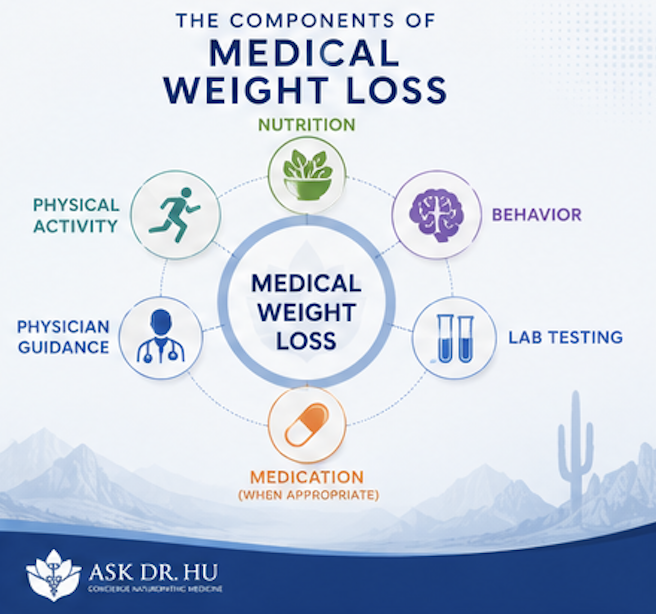
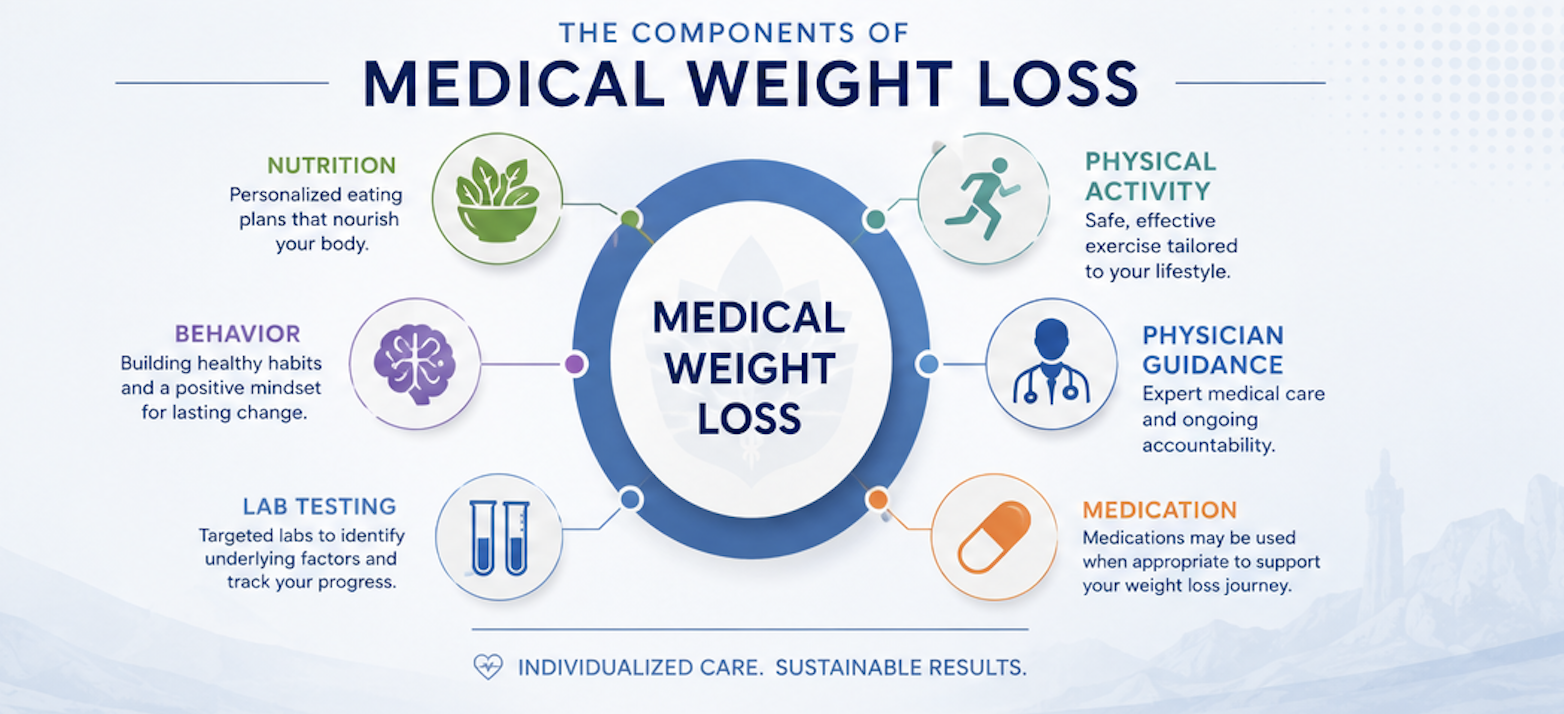
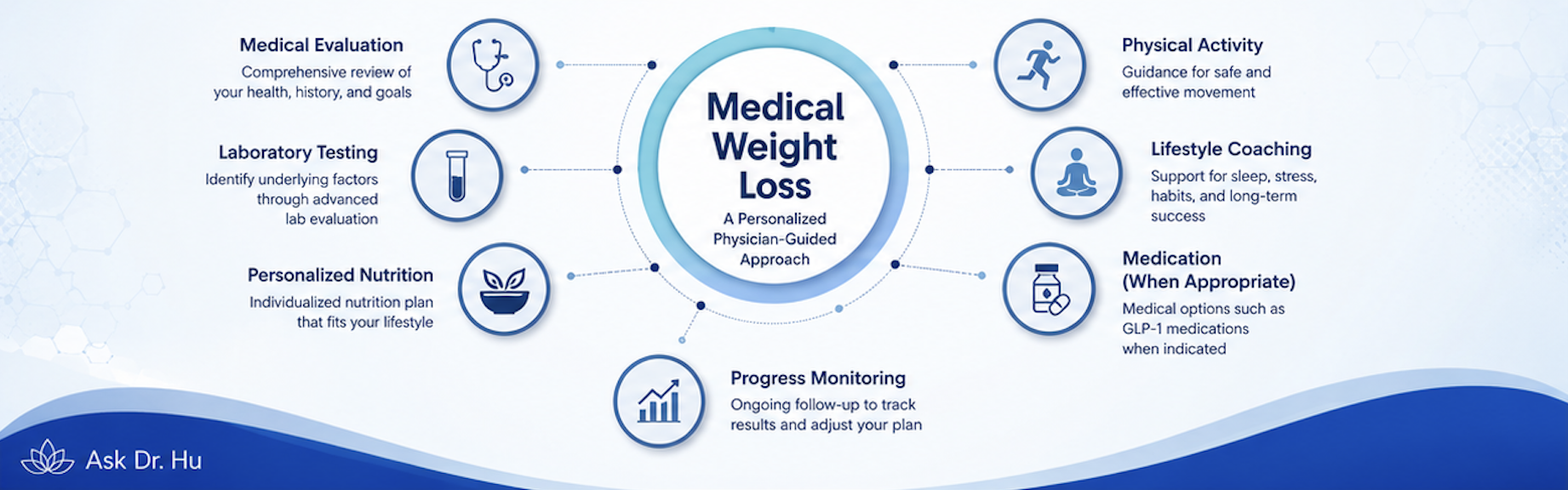
Every program is different, but many physician-supervised plans include:
Comprehensive health evaluation
Medical history review
Physical examination
Laboratory testing when appropriate
Nutrition counseling
Exercise recommendations
Behavioral coaching
Progress monitoring
Regular follow-up visits
Prescription medications when medically appropriate
The goal is to create a realistic plan that fits each patient's lifestyle and health needs.
Who May Benefit From Medical Weight Loss?
Medical weight loss may be appropriate for adults who:
Have obesity
Are overweight with weight-related health conditions
Have difficulty losing weight on their own
Have repeatedly regained weight after dieting
Want physician guidance during their weight loss journey
Even individuals seeking modest weight reduction may benefit from structured medical support if lifestyle changes alone have not been successful.
Are Weight Loss Medications Always Required?
No.
Medication is only one possible tool within a comprehensive medical weight loss program.
Many patients achieve meaningful results through:
Improved nutrition
Increased physical activity
Better sleep
Stress management
Behavioral changes
Ongoing medical accountability
For some individuals, prescription medications such as GLP-1 receptor agonists or other FDA-approved treatments may be appropriate after discussing the potential benefits and risks with their healthcare provider.
The decision to use medication should always be individualized.
How Long Does Medical Weight Loss Take?
Healthy weight loss is generally gradual.
For many adults, gradual loss of approximately 1 to 2 pounds per week is a common general target. However, an appropriate rate should be individualized and may differ based on health status, starting weight, and treatment method.
Starting weight
Medical conditions
Lifestyle changes
Nutrition
Physical activity
Medication use
Individual metabolism
Long-term success is measured not only by weight loss but also by improvements in overall health and the ability to maintain healthy habits.
Frequently Asked Questions
-
When supervised by a qualified healthcare provider, medical weight loss is designed to prioritize safety through individualized evaluation, appropriate monitoring, and evidence-based treatment recommendations.
-
Coverage varies depending on your insurance plan and the services provided. Some evaluations, laboratory tests, and medications may be covered, while others may not.
-
Yes. Many people successfully lose weight through physician-guided nutrition, exercise, behavioral changes, and ongoing accountability without prescription medications.
-
No. Individuals who are overweight or who have weight-related health concerns may also benefit from a personalized medical weight management program.
-
Medical weight loss is individualized and supervised by a healthcare professional who considers your medical history, health conditions, medications, and laboratory results when developing a treatment plan.
Conclusion
Medical weight loss combines personalized medical care, nutrition, physical activity, lifestyle modification, and ongoing support to help patients achieve healthier, sustainable weight management. Rather than relying on short-term diets or quick fixes, physician-supervised weight loss focuses on improving overall health while creating habits that can be maintained for years to come.
If you are considering a medically supervised weight loss program, speaking with a qualified healthcare provider can help determine the approach that best fits your individual health goals.
Looking for a Licensed Arizona Concierge Physician?
At Ask Dr. Hu, we provide personalized naturopathic and concierge medical care for patients throughout Arizona via secure telemedicine, with in-person visits available when appropriate.
Whether you're looking for preventive care, chronic disease management, integrative pain management, medical marijuana certification, hormone optimization, weight management, medical documentation, health optimization, or a more personalized healthcare experience, we're here to help.
Contact us today to learn whether our practice is the right fit for your healthcare needs.