What Types of Pain Can Integrative Pain Management Treat?
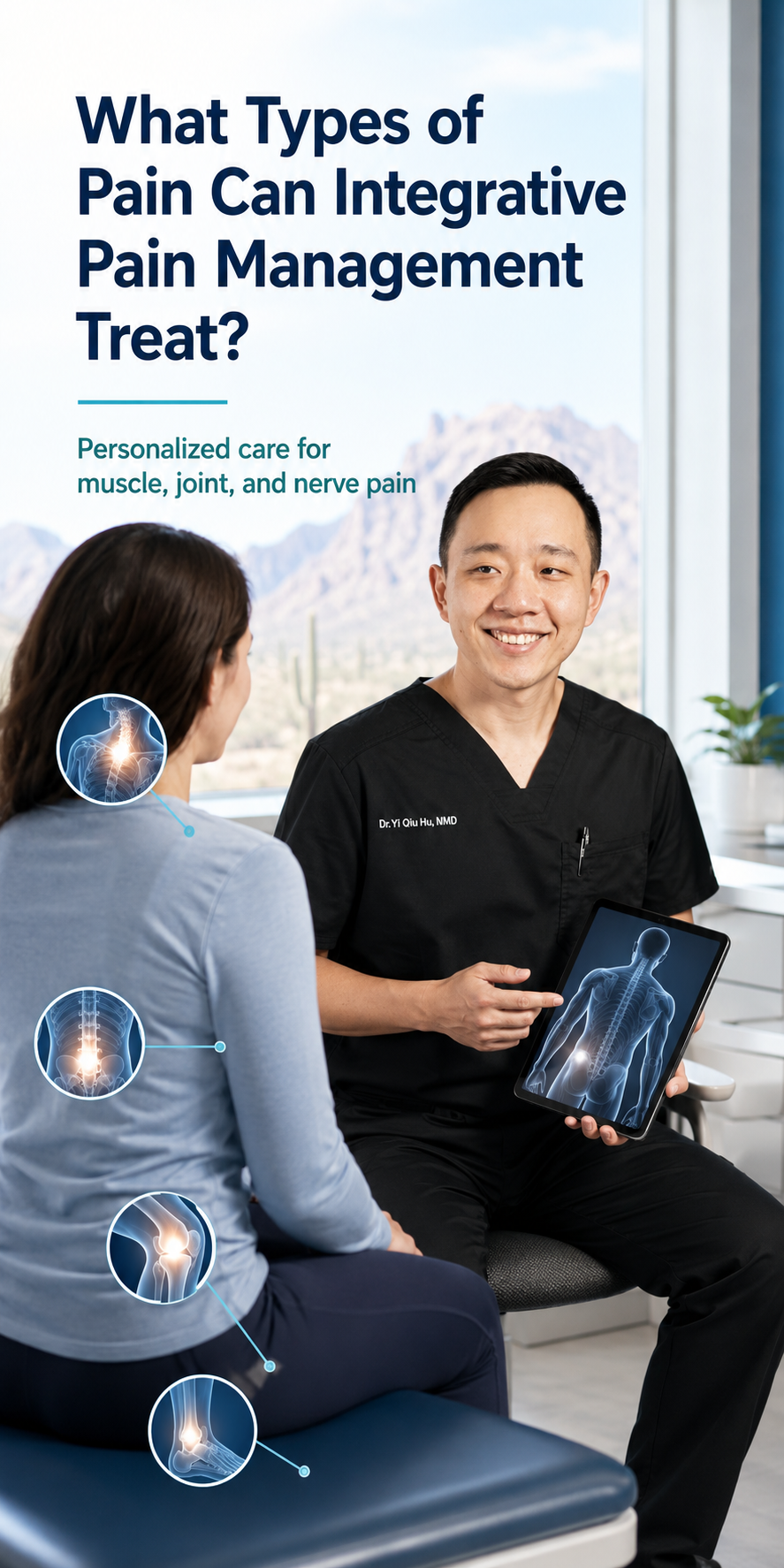
Written by YiQiu Hu, NMD
Arizona-licensed naturopathic physician and concierge medicine provider
Published July 2026 | Medically reviewed July 2026
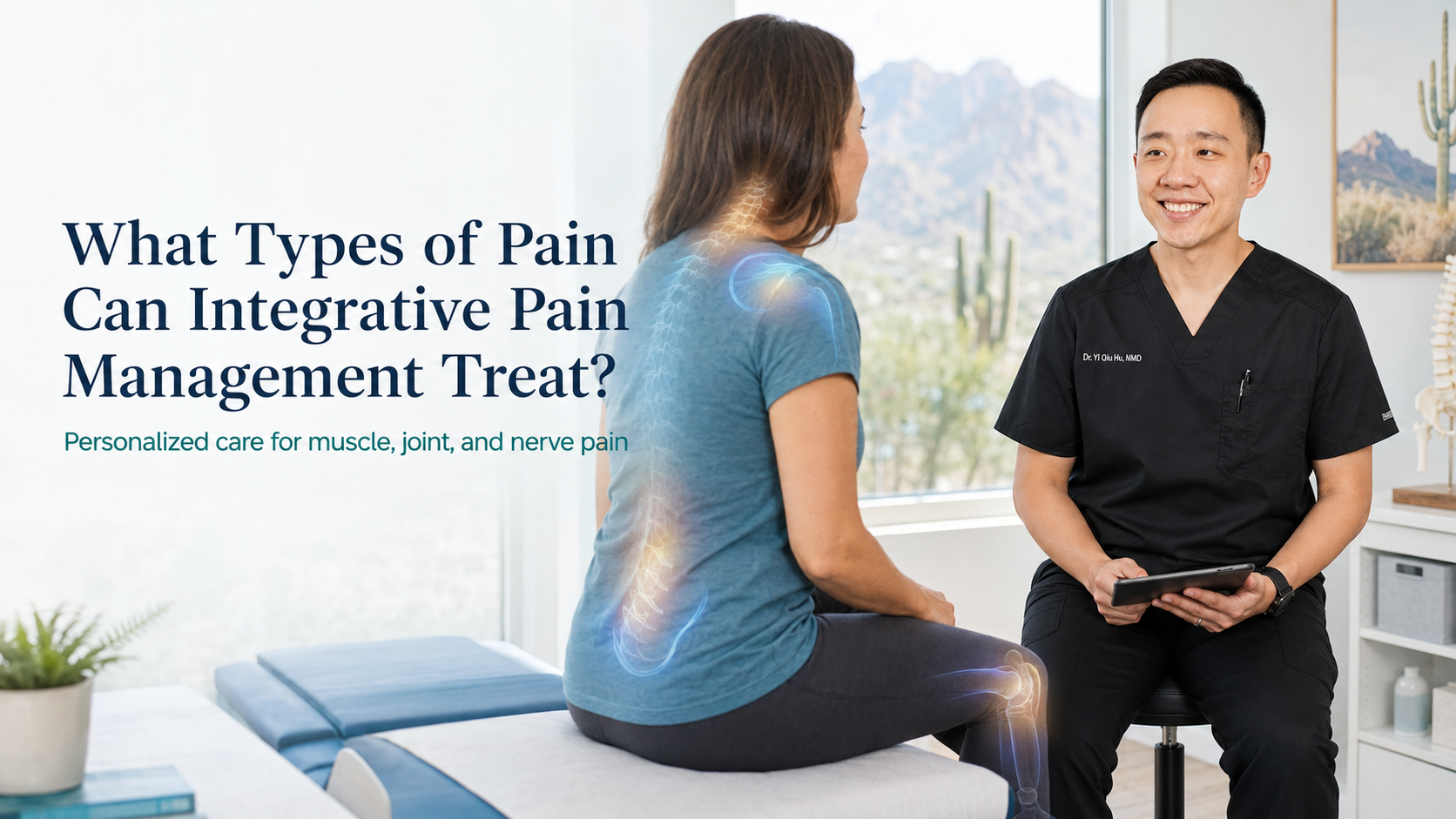
Pain can develop from an injury, irritated nerve, inflamed joint, overworked muscle, chronic medical condition, or a combination of several factors. Because the source of pain differs from one person to another, an effective treatment plan should be based on more than the location of the symptoms alone.
Integrative pain management combines a thorough medical evaluation with conventional, nonpharmacologic, and minimally invasive treatment options. Depending on the condition, a personalized plan may include rehabilitative exercise, lifestyle support, acupuncture, dry needling, trigger-point injections, perineural injection therapy, nerve blocks, joint injections, prolotherapy, platelet-rich plasma therapy, or coordination with another specialist.
Integrative care may help manage many types of musculoskeletal, joint, and nerve-related pain. However, not every treatment is appropriate for every patient, and identifying the likely source of the pain is an essential first step.
What Is Integrative Pain Management?
Integrative pain management is a patient-centered approach that considers the physical, neurological, functional, and lifestyle factors contributing to pain. Rather than relying on one treatment for every condition, it combines appropriate therapies into an individualized care plan.
The goals may include:
Reducing pain and irritation
Improving mobility and physical function
Supporting tissue recovery
Addressing muscular tension or weakness
Decreasing the frequency of pain flare-ups
Helping patients return to work, exercise, sleep, and daily activities
Reducing unnecessary reliance on pain medication when appropriate
Non-opioid and non-pharmacologic therapies are preferred for many forms of subacute and chronic pain, according to current CDC guidance. These options may include exercise therapy, physical therapy, acupuncture, behavioral approaches, non-opioid medication, and selected interventional procedures. Treatment should always be matched to the patient’s diagnosis, health history, goals, and potential risks. (CDC)
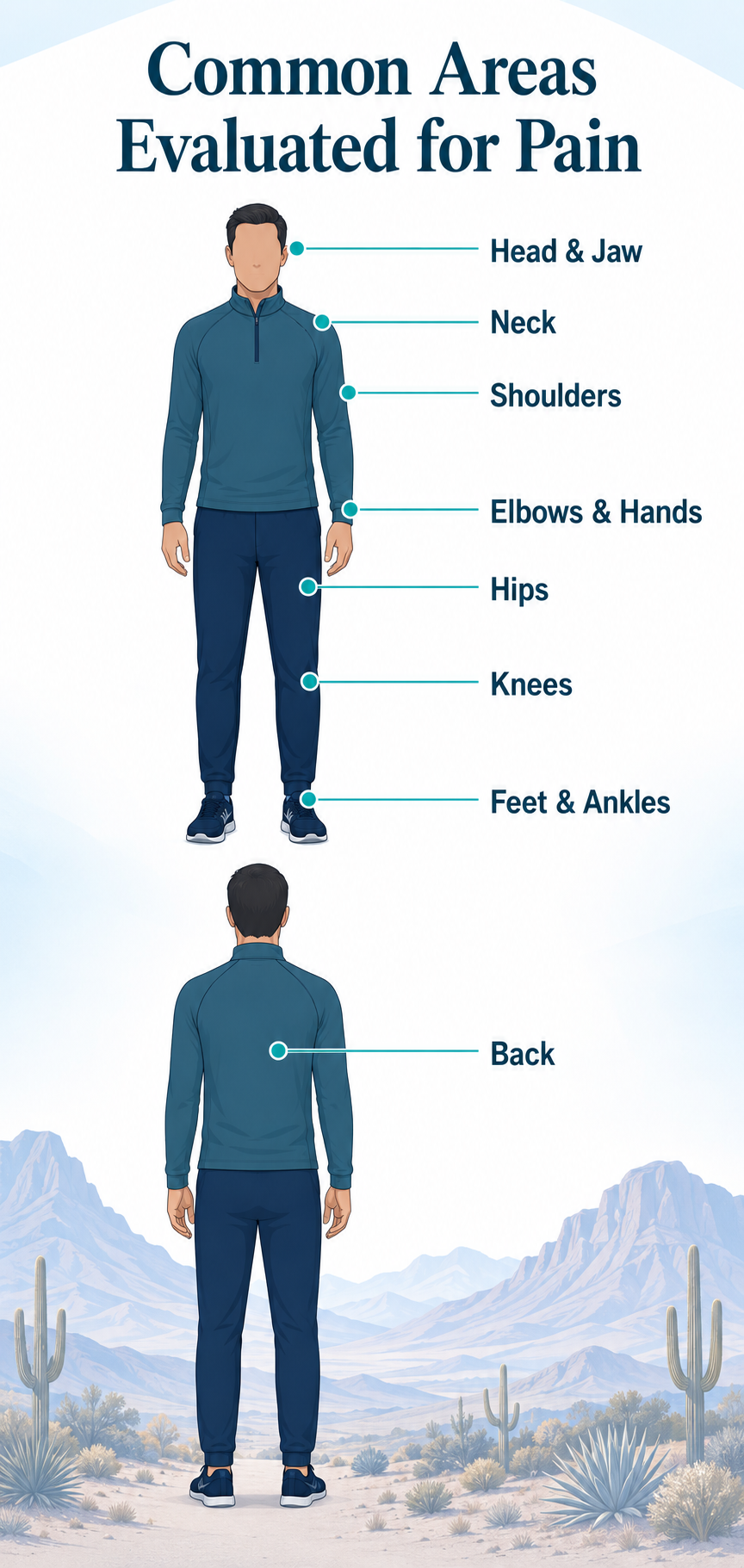
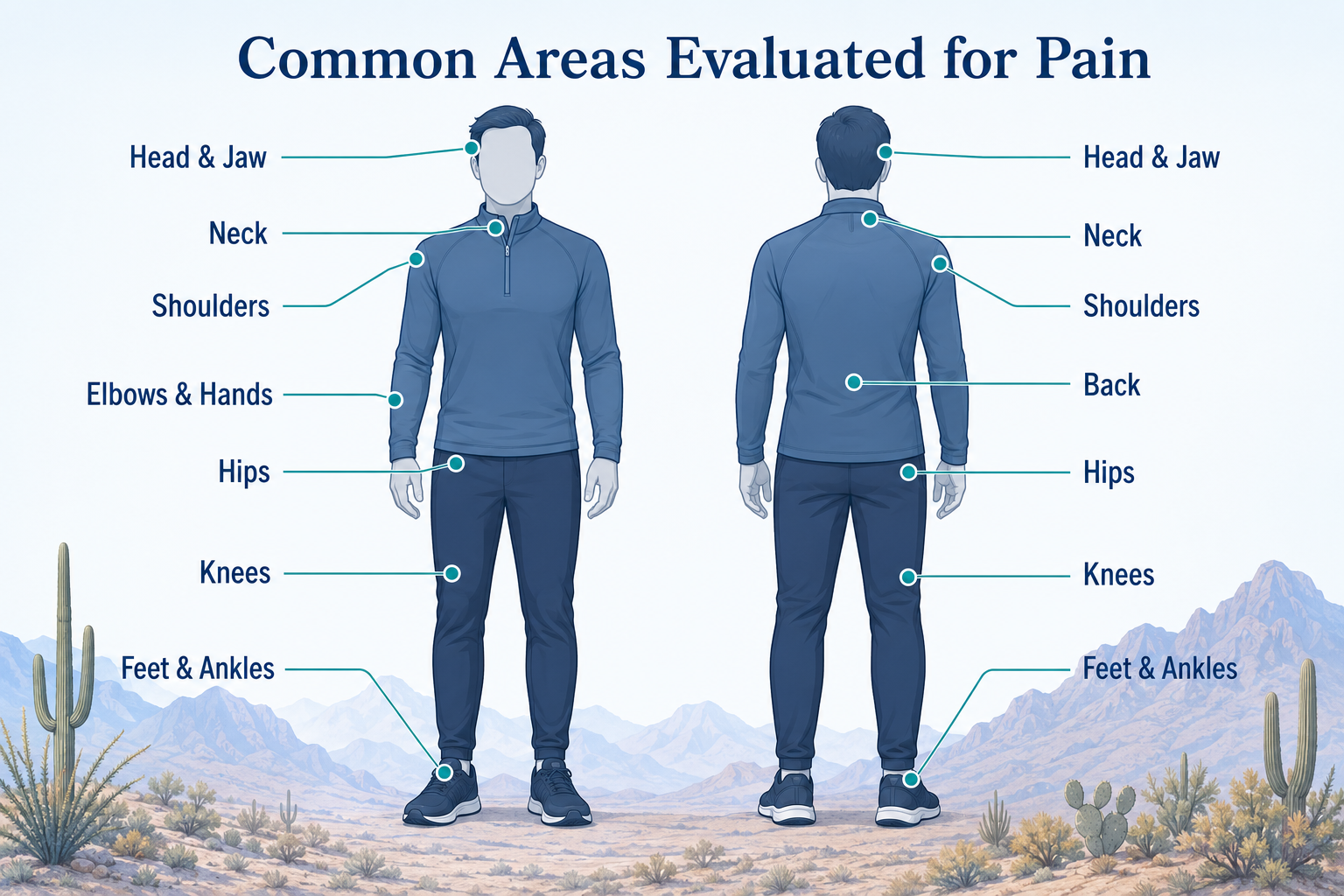
What Types of Pain May Benefit From Integrative Care?
Back Pain
Integrative pain management may be used for certain forms of upper, middle, or lower back pain, including pain associated with:
Muscle strain or spasm
Myofascial trigger points
Poor posture or repetitive stress
Facet-joint irritation
Sacroiliac joint dysfunction
Degenerative changes
Mild disc-related symptoms
Irritation of nearby nerves
Previous injuries
Back pain has many possible causes. An evaluation may include a review of symptoms, physical and neurological testing, and review of prior imaging when available. Treatment depends on whether the primary issue appears to involve muscles, joints, nerves, connective tissue, or another structure.
Neck Pain
Neck pain may develop following an injury or gradually from prolonged sitting, computer use, muscle tension, degenerative changes, or repetitive movement.
Integrative treatment may be considered for:
Muscle tightness or spasm
Myofascial pain
Cervical strain
Postural neck pain
Whiplash-related symptoms
Facet-related discomfort
Pain extending into the shoulder or upper back
Certain forms of nerve irritation
New neck pain accompanied by significant weakness, loss of coordination, severe headache, fever, confusion, or symptoms following major trauma requires prompt medical evaluation.
Shoulder Pain
The shoulder depends on muscles, tendons, ligaments, joints, and nerves working together. Pain may occur when one or more of these structures becomes irritated or injured.
Conditions that may be evaluated through an integrative approach include:
Rotator cuff tendinopathy
Shoulder impingement symptoms
Bursitis
Muscle or tendon strain
Myofascial pain
Arthritis-related discomfort
Reduced mobility
Pain following an old injury
Certain partial tendon injuries
Some shoulder conditions require imaging, physical therapy, orthopedic evaluation, or surgery. Integrative treatment should complement—not delay—necessary diagnostic or specialty care.
Hip and Pelvic Pain
Hip-area pain may come from the hip joint, nearby tendons or bursae, the lower back, sacroiliac joint, or irritated nerves.
Integrative pain management may be considered for:
Greater trochanteric pain syndrome
Gluteal tendinopathy
Hip bursitis
Muscle strain
Sacroiliac joint pain
Arthritis-related pain
Myofascial pelvic or hip pain
Pain referred from the lower back
Because hip and pelvic pain can also result from fractures, abdominal conditions, urinary problems, or reproductive-system disorders, a careful evaluation is important before treatment begins.
Knee Pain
Knee pain is common among active adults, older adults, and people with previous sports or occupational injuries.
An integrative evaluation may be appropriate for:
Osteoarthritis-related knee pain
Patellar or quadriceps tendinopathy
Bursitis
Mild ligament sprains
Overuse injuries
Muscular imbalance
Pain following a previous injury
Persistent pain after rehabilitation
Depending on the diagnosis and severity, treatment may involve exercise recommendations, physical therapy, acupuncture, injections, or referral for imaging or orthopedic care.
Elbow, Wrist, and Hand Pain
Repetitive movement, gripping, computer work, sports, and prior injuries can contribute to upper-extremity pain.
Potentially treatable conditions include:
Tennis elbow
Golfer’s elbow
Tendon irritation
Muscle strain
Wrist overuse injuries
Mild arthritis-related pain
Trigger finger
Myofascial pain
Certain forms of nerve irritation
Persistent hand weakness, progressive numbness, severe swelling, deformity, or loss of function may require imaging, electrodiagnostic testing, or evaluation by a hand specialist.
Foot and Ankle Pain
Integrative pain management may also help selected foot and ankle conditions, including:
Plantar fasciitis
Achilles tendinopathy
Ankle sprains
Chronic discomfort following an old sprain
Muscle or tendon overuse
Joint-related pain
Myofascial pain
Selected cases of nerve irritation
A suspected fracture, ruptured tendon, severe instability, infection, or inability to bear weight should be evaluated promptly.
Arthritis and Joint Pain
Joint pain may result from osteoarthritis, previous injury, overuse, inflammation, or mechanical stress. Integrative treatment may help relieve symptoms and improve function in selected patients with arthritis affecting the:
Knees
Hips
Shoulders
Hands
Wrists
Ankles
Other peripheral joints
Treatment cannot reverse every form of joint damage. The goal is often to improve comfort, mobility, strength, and daily function while determining whether additional imaging or specialist care is needed.
Patients with hot, severely swollen joints or unexplained fever require prompt evaluation to rule out infection or another urgent inflammatory condition.
Muscle and Myofascial Pain
Myofascial pain develops in muscles and the connective tissues surrounding them. Sensitive trigger points may cause pain locally or refer discomfort to another area.
Common locations include the:
Neck
Upper back
Lower back
Shoulders
Hips
Gluteal muscles
Arms and legs
Treatment may include stretching, rehabilitative exercise, massage or manual therapy, acupuncture, dry needling, or trigger-point injections, depending on the findings and the patient’s preferences.
Tendon and Ligament Pain
Tendons connect muscles to bones, while ligaments help stabilize joints. These tissues may become irritated through overuse, repetitive movement, sports, occupational activity, or acute injury.
Examples include:
Rotator cuff tendinopathy
Tennis or golfer’s elbow
Patellar tendinopathy
Achilles tendinopathy
Plantar fascia pain
Mild ligament sprains
Persistent pain after an old injury
Conservative care is generally considered first. In selected cases, procedures such as prolotherapy or platelet-rich plasma may be discussed after the diagnosis, available evidence, costs, alternatives, and uncertainties have been reviewed.
Nerve-Related Pain
Nerve pain may feel different from muscle or joint pain. Patients may describe burning, tingling, electrical sensations, hypersensitivity, numbness, or pain that travels along a specific pathway.
An integrative evaluation may be appropriate for certain cases involving:
Irritated superficial nerves
Nerve entrapment
Pain following a healed injury
Scar-related nerve irritation
Radiating pain
Peripheral neuropathic symptoms
Persistent sensitivity around an injured area
Potential treatments depend on the cause. Perineural injection therapy, selected nerve blocks, acupuncture, physical therapy, medication, or specialist referral may be considered.
Progressive weakness, loss of bowel or bladder control, numbness around the groin, or rapidly worsening neurological symptoms require emergency evaluation.
Headaches and Jaw-Related Pain
Some headaches are associated with muscle tension, neck dysfunction, jaw clenching, or myofascial trigger points. An integrative plan may help certain patients with:
Tension-type headaches
Cervicogenic headaches
Muscle-related head or facial pain
Temporomandibular joint discomfort
Jaw-muscle tension
Headaches have many possible causes, so treatment should begin only after potentially serious conditions have been considered. A sudden, extremely severe headache—especially with neurological changes, fever, confusion, or head trauma—requires urgent medical attention.
Persistent Pain After an Injury or Procedure
Pain sometimes continues after the original injury has healed or after a medical or surgical procedure. Possible reasons include scar-tissue sensitivity, altered movement, muscular compensation, persistent inflammation, nerve irritation, or incomplete structural healing.
Integrative pain management may help identify which factors are still contributing to the symptoms. It does not replace follow-up with the treating surgeon when a surgical complication or incomplete recovery is possible.
Can Integrative Pain Management Treat Acute Pain?
It can be appropriate for certain forms of acute musculoskeletal pain, such as uncomplicated strains, sprains, tendon irritation, or muscle spasm. However, acute pain should not automatically be treated as a routine pain condition.
Sudden or severe pain may indicate a fracture, infection, blood clot, internal-organ problem, neurological emergency, or another condition requiring urgent care. The first priority is determining whether the patient can safely receive outpatient pain treatment.
Does Integrative Pain Management Cure Pain?
No responsible practitioner can promise that integrative treatment will cure every pain condition. Some injuries can heal completely, while degenerative or chronic conditions may require ongoing management.
A realistic treatment plan may focus on:
Reducing symptom severity
Improving movement and function
Increasing tolerance for daily activities
Reducing flare-up frequency
Supporting rehabilitation
Identifying when specialty care is necessary
Results vary depending on the diagnosis, severity and duration of the condition, overall health, adherence to rehabilitation, and the treatment selected.
How Is the Right Treatment Selected?
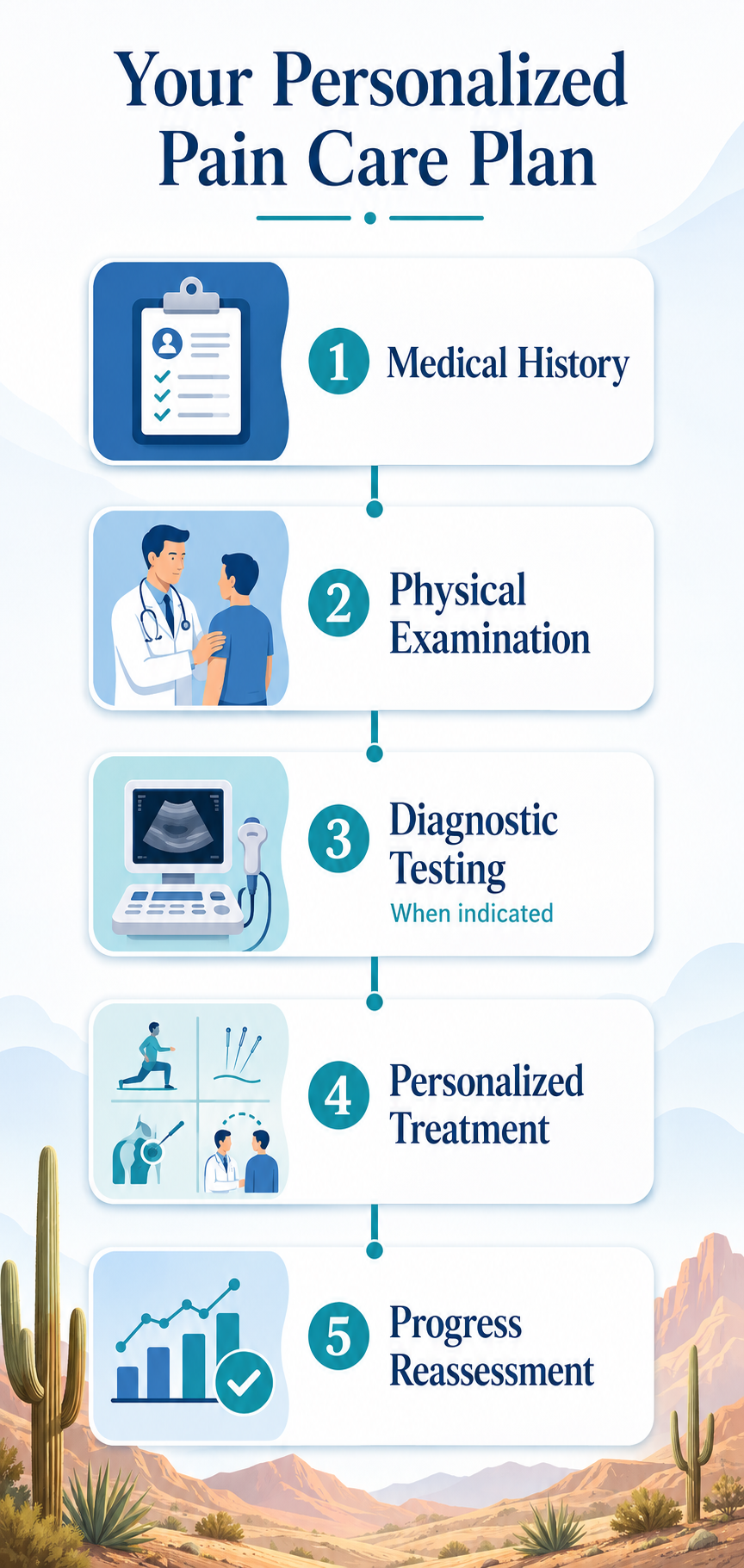
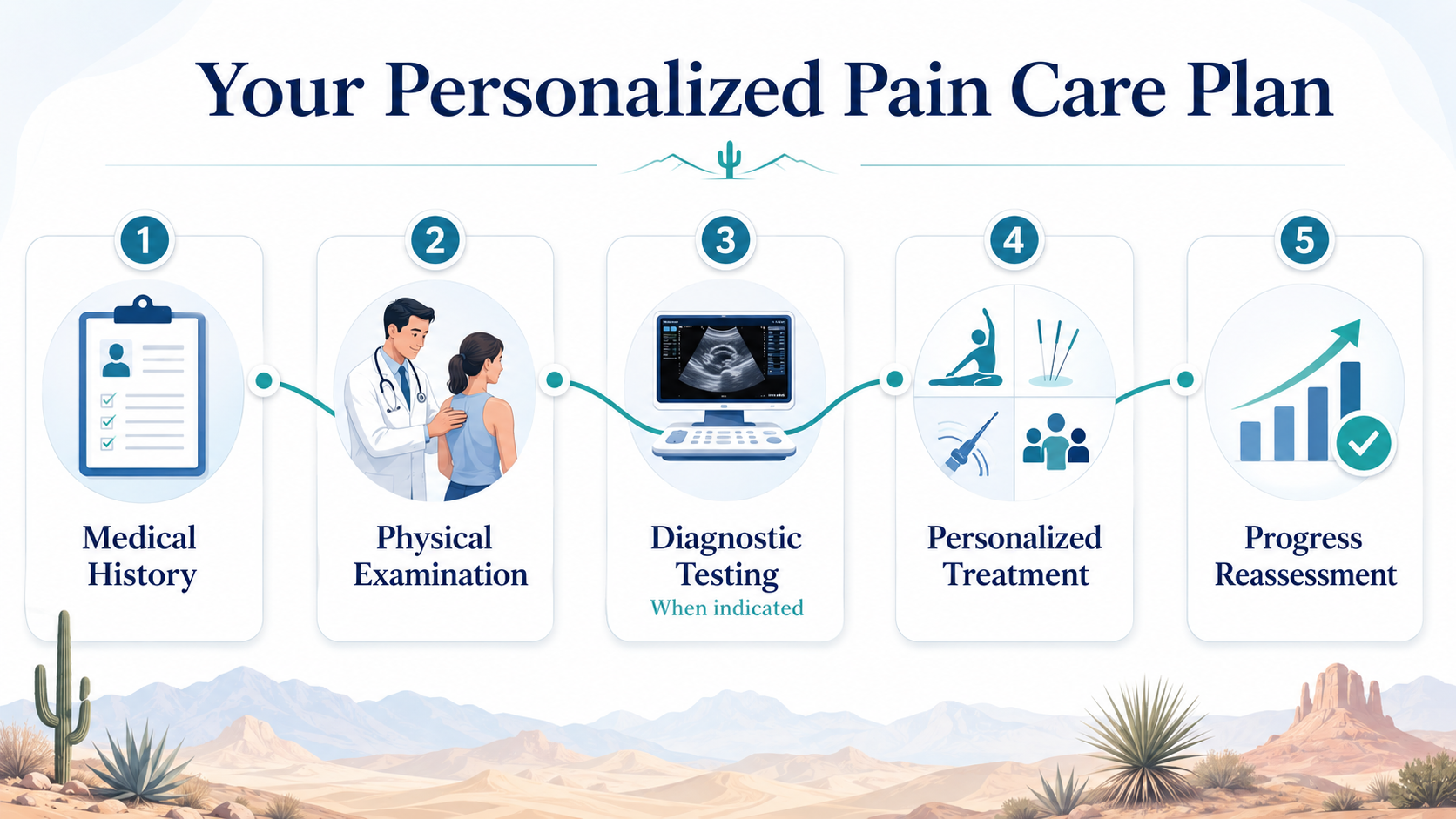
The same symptom can result from several different conditions. For example, shoulder pain may come from a tendon, muscle, joint, bursa, nerve, or even the neck. That is why treatment should not be selected based only on where it hurts.
An evaluation may include:
A detailed pain and injury history
Review of current and previous treatments
Musculoskeletal examination
Neurological screening when indicated
Evaluation of strength, mobility, and function
Review of laboratory tests or imaging
Diagnostic ultrasound when appropriate
Referral for additional testing or specialist care
After the likely source of pain is identified, the available options, potential benefits, risks, alternatives, and expected costs can be discussed.
When Should Pain Be Evaluated Urgently?
Seek urgent or emergency care for pain accompanied by:
Chest pressure, shortness of breath, sweating, or fainting
Sudden weakness, facial drooping, confusion, or difficulty speaking
Loss of bowel or bladder control
Numbness around the groin or inner thighs
A sudden, extremely severe headache
Major trauma or suspected fracture
A hot, swollen joint with fever
A cold, pale, or blue extremity
Rapidly worsening weakness or numbness
Severe abdominal pain
Signs of serious infection
Integrative pain management is intended for medically appropriate outpatient conditions and is not a substitute for emergency care.
Is Integrative Pain Management Right for Me?
You may be a candidate if pain is limiting your mobility, exercise, sleep, work, or daily activities, particularly if you would like to explore a personalized combination of conservative and minimally invasive options.
During an evaluation, your physician can determine whether the condition is appropriate for integrative care, whether more testing is needed, and whether treatment should be coordinated with physical therapy, orthopedics, neurology, rheumatology, or another specialist.
Integrative Pain Management in Arizona
Ask Dr. Hu provides individualized integrative pain management evaluations for patients in Arizona. Treatment recommendations are based on the suspected cause of pain, medical history, examination findings, goals, and preferences.
When appropriate, available options may include acupuncture, dry needling, trigger-point injections, perineural injection therapy, selected nerve blocks, prolotherapy, platelet-rich plasma therapy, and joint injections. Availability and suitability depend on the patient’s condition and examination.
Interested in learning whether integrative pain management may be appropriate for you? Contact Ask Dr. Hu to schedule a personalized evaluation.
This article is for general educational purposes and does not establish a physician-patient relationship or replace an individualized medical evaluation.
Frequently Asked Questions
-
Integrative care is commonly considered for musculoskeletal, joint, tendon, myofascial, and certain nerve-related pain conditions. The most appropriate treatment depends on the diagnosis rather than the location of pain alone.
-
It may help selected chronic pain conditions by combining rehabilitative, nonpharmacologic, and minimally invasive treatments. The goal is often to improve pain, movement, and daily function rather than promise a permanent cure.
-
Certain nerve-related pain conditions may benefit, but nerve pain must first be evaluated to identify its cause. Treatment may involve rehabilitation, medication, acupuncture, perineural injections, nerve blocks, or referral for specialized testing.
-
No. An integrative plan may include exercise, physical therapy, lifestyle support, acupuncture, dry needling, medication, injections, or a combination of treatments. Procedures are recommended only when clinically appropriate and accepted by the patient.
-
Sometimes conservative care can reduce symptoms enough that surgery is unnecessary or can be postponed. However, significant fractures, complete tendon tears, severe instability, advanced neurological compression, and other structural problems may require surgical evaluation.
-
The number of treatments varies according to the diagnosis, severity, duration of symptoms, therapy selected, and individual response. Your progress should be reassessed rather than committing to a predetermined treatment series without evaluation.
Looking for a Licensed Arizona Concierge Physician?
At Ask Dr. Hu, we provide personalized naturopathic and concierge medical care for patients throughout Arizona via secure telemedicine, with in-person visits available when appropriate.
Whether you're looking for preventive care, chronic disease management, integrative pain management, medical marijuana certification, hormone optimization, weight management, medical documentation, health optimization, or a more personalized healthcare experience, we're here to help.
Contact us today to learn whether our practice is the right fit for your healthcare needs.