How Long Does It Take to Improve With Integrative Pain Management?
Written by YiQiu Hu, NMD
Arizona-licensed naturopathic physician and virtual concierge medicine provider
Published August 2026 | Medically reviewed August 2026
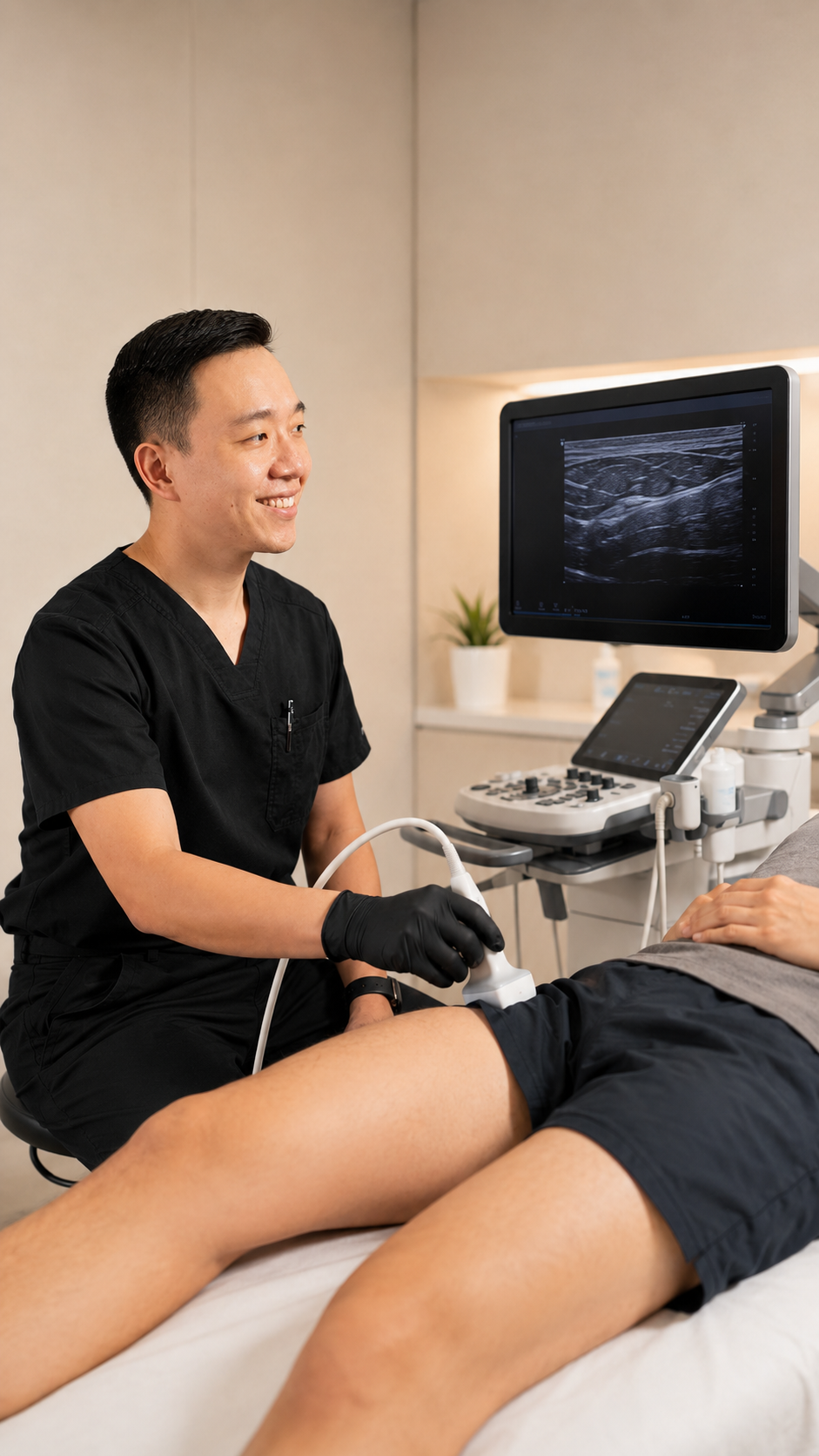
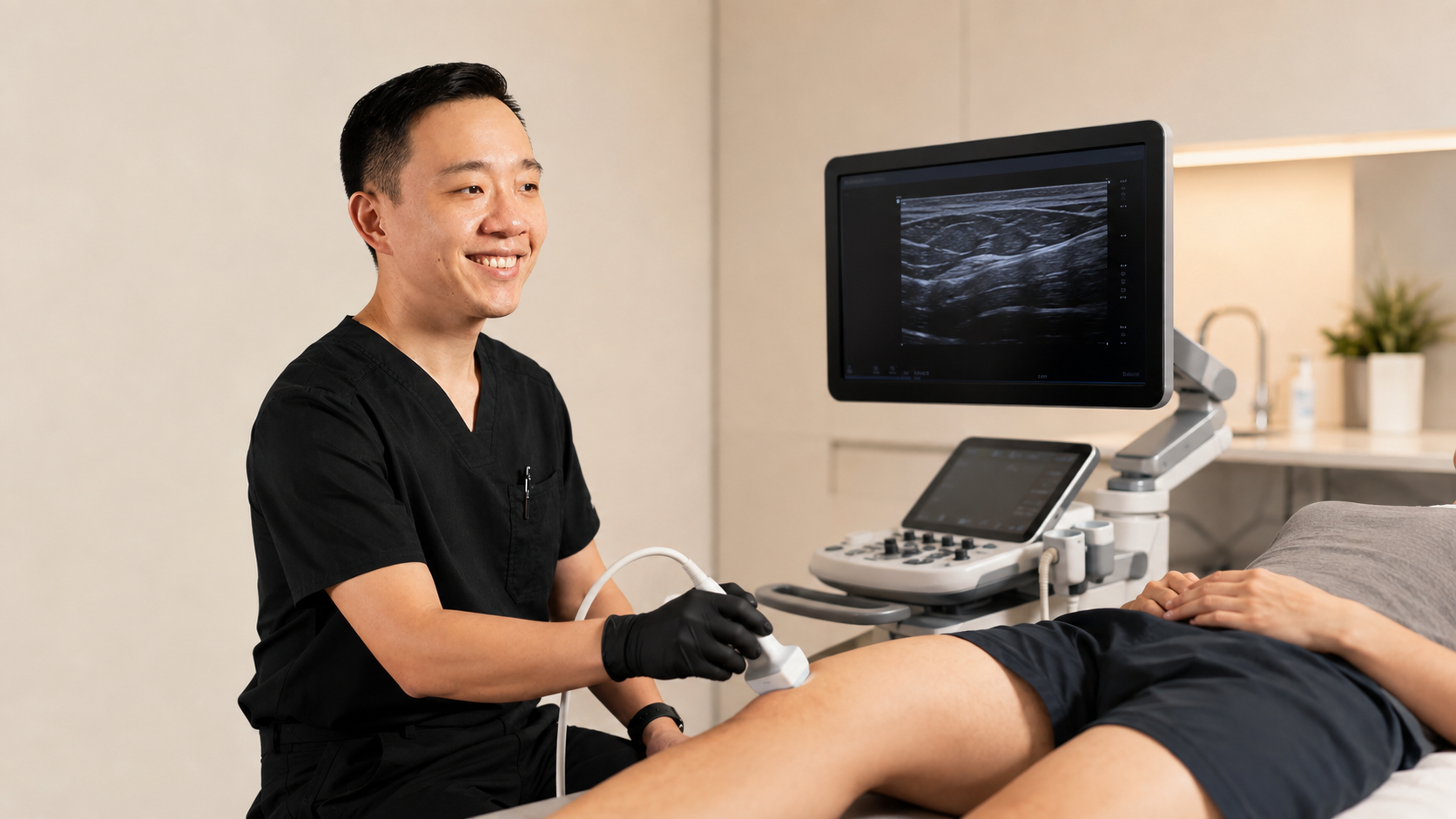
There is no single timeline for improvement with integrative pain management. Some patients notice early changes after one or a few treatments, while others need several weeks or a longer course of rehabilitation and treatment before meaningful improvement becomes apparent. Long-standing or complex pain may require months of coordinated care.
The timeline depends on what is causing the pain, how long it has been present, which tissues or structures are involved, the treatments being used, your overall health, and how consistently rehabilitation recommendations can be followed.
Just as importantly, improvement does not always mean that pain disappears immediately. Better movement, improved sleep, increased activity tolerance, greater strength, or the ability to perform everyday activities more comfortably can all be signs that treatment is moving in the right direction.
At Ask Dr. Hu, integrative pain management begins with identifying the possible source of symptoms and developing an individualized treatment plan rather than assuming that every patient should follow the same treatment schedule.
Why Is There No Standard Pain-Management Recovery Timeline?
Pain is a symptom, not a single diagnosis.
Two patients can both have knee, shoulder, or back pain while having very different underlying problems. One person may have muscular irritation that improves relatively quickly. Another may have osteoarthritis, a tendon injury, nerve irritation, reduced strength, previous surgery, or a condition that has been developing for years.
These differences can substantially affect how quickly someone responds to treatment.
Factors that commonly influence the timeline include:
The underlying diagnosis
Whether pain is acute, subacute, or chronic
How long symptoms have been present
The severity of the injury or tissue changes
Strength, mobility, and physical conditioning
Previous injuries or surgeries
Sleep and recovery
Work and activity demands
Other medical conditions
The treatment being used
Participation in physical therapy or home rehabilitation
Whether additional imaging or specialist evaluation is necessary
For this reason, integrative pain management is generally more useful when treatment is adjusted according to the individual rather than based on a predetermined number of appointments.
Can You Feel Better After the First Treatment?
Sometimes.
Certain patients may notice a change in pain, muscle tension, range of motion, or movement shortly after a treatment such as acupuncture, dry needling, trigger-point treatment, or another targeted intervention.
However, an early response does not necessarily mean that the underlying problem has completely resolved.
Likewise, not noticing dramatic improvement after one visit does not necessarily mean that a treatment will not help.
Some treatments are intended to provide symptom relief, while others are part of a longer process involving rehabilitation, progressive loading, improved mobility, strengthening, or recovery of an injured area.
This is one reason it is usually better to evaluate the trend over time rather than judging an entire treatment plan based on a single day.
How Long Does Chronic Pain Usually Take to Improve?
Chronic pain often requires more time and a broader treatment strategy than a recent uncomplicated injury.
The Centers for Disease Control and Prevention defines chronic pain as pain lasting more than three months and recommends considering appropriate nonpharmacologic and nonopioid therapies for subacute and chronic pain. Options may include exercise, physical therapy, behavioral approaches, acupuncture, nonopioid medications, and selected interventional treatments. Learn more from the CDC about nonopioid therapies for pain management.
When pain has been present for months or years, the goal is often not simply to make the pain score reach zero as quickly as possible.
Treatment may instead focus on gradually improving:
Mobility
Strength
Exercise tolerance
Sleep
Ability to work
Ability to participate in hobbies or family activities
Confidence with movement
Frequency or intensity of pain flares
Dependence on short-term symptom-relief strategies
For some chronic conditions, meaningful improvement can occur even when occasional discomfort remains.
Does the Type of Treatment Affect How Quickly You Improve?
Yes.
Different treatments have different purposes and expected timelines.
Acupuncture and Dry Needling
Some patients notice changes in muscle tension, soreness, or mobility relatively early, while others receive a series of treatments before deciding whether the therapy is helpful.
The National Center for Complementary and Integrative Health reports that evidence suggests several complementary approaches, including acupuncture, may help some chronic pain conditions, although benefits and the strength of evidence vary depending on the treatment and diagnosis. Read the NCCIH overview of chronic pain and complementary health approaches.
Exercise and Rehabilitation
Rehabilitation usually depends on gradual adaptation rather than an immediate effect.
Restoring strength, mobility, balance, coordination, or tolerance to physical activity often requires repeated practice over time. Progress may be gradual, particularly when someone has avoided movement for an extended period because of pain.
Targeted Injections
The expected response depends heavily on the injection being performed and the reason it was recommended.
Trigger-point injections, nerve-related procedures, corticosteroid injections, prolotherapy, and platelet-rich plasma therapy are different treatments with different mechanisms, evidence, risks, and expected recovery periods.
An injection should therefore not be viewed simply as a faster version of another treatment.
The appropriate procedure—and whether an injection is appropriate at all—should be determined after evaluation.
Lifestyle and Recovery Strategies
Sleep, nutrition, activity, body weight, stress, and overall health may influence pain and recovery.
Changes in these areas usually work gradually and are often most useful when combined with treatment directed toward the underlying musculoskeletal problem.
What Should Improvement Actually Look Like?
One of the most useful ways to evaluate pain treatment is to look beyond the pain number alone.
For example, treatment may be helping if you can:
Walk farther before symptoms begin
Sit or stand for longer periods
Sleep more comfortably
Move a joint through a greater range of motion
Return to exercise
Perform household activities more easily
Experience fewer severe pain episodes
Recover more quickly after activity
Use fewer symptom-relief measures
Participate in activities you had previously stopped
The CDC encourages patients and clinicians to establish treatment goals that consider both pain and function.
A patient who still reports some discomfort but has returned to walking, working, exercising, or sleeping normally may have made substantial progress.
What If I Am Improving, but Very Slowly?
Slow improvement can still be meaningful, especially with chronic or complicated musculoskeletal conditions.
The important question is whether there is a consistent positive trend.
For example, you might notice that you can gradually perform more activity with less discomfort, that pain episodes occur less frequently, or that recovery after activity is becoming easier.
In these situations, the treatment plan may simply need additional time.
Your physician may also adjust the plan as you improve—for example, placing greater emphasis on strengthening, mobility, return to exercise, or prevention of future flare-ups.
Our patient's guide to starting integrative pain management explains how evaluation, treatment selection, and follow-up can work together within a personalized plan.
What If I Am Not Improving at All?
A treatment should not simply be continued indefinitely without reassessment.
If there is no meaningful improvement in symptoms, mobility, function, or activity tolerance after an appropriate trial of treatment, several questions should be reconsidered:
Is the original diagnosis correct?
Is another structure contributing to the pain?
Is additional imaging necessary?
Could nerve involvement be present?
Is rehabilitation addressing the correct limitation?
Is the treatment appropriate for this particular condition?
Is another medical condition interfering with recovery?
Would another treatment approach be more appropriate?
Is referral to orthopedics, neurology, rheumatology, physical therapy, or another specialist necessary?
Good pain management involves reassessment, not simply repeating the same treatment regardless of response.
Does Longer-Lasting Pain Always Take Longer to Treat?
Not necessarily, but long-standing pain can be more complicated.
When pain persists for an extended period, several issues may occur simultaneously. A person may become weaker, less active, less flexible, or more hesitant to use the painful area. Sleep may deteriorate. Movement patterns may change. Other muscles or joints may begin compensating.
The nervous system can also change how pain signals are processed when symptoms persist.
For these reasons, successful treatment may require addressing more than the structure that originally became painful.
This does not mean that chronic pain is imaginary or purely psychological. It means that persistent pain can involve interactions among tissues, nerves, movement, physical conditioning, health status, sleep, and other factors.
Can Integrative Pain Management Completely Eliminate Pain?
Sometimes the underlying problem can resolve substantially. In other cases—particularly with arthritis, degenerative conditions, previous major injuries, or certain chronic pain disorders—the more realistic goal may be long-term management rather than complete elimination of every symptom.
A successful treatment plan may help you:
Experience less pain
Move more comfortably
Improve physical function
Reduce the frequency of flare-ups
Become stronger and more active
Return to important activities
Better understand how to manage future symptoms
No responsible clinician can guarantee a specific result or timeline before evaluating the condition.
When Should the Treatment Plan Be Reassessed?
Reassessment should occur throughout treatment rather than only after a predetermined number of visits.
Your physician may reconsider the plan when:
Symptoms are not improving as expected
Pain is becoming progressively worse
New symptoms develop
Treatment benefits are only temporary
Function remains significantly limited
The diagnosis remains uncertain
Rehabilitation progress has stopped
A procedure did not produce the expected response
Sometimes the appropriate next step is a different treatment. At other times, additional imaging, diagnostic testing, or specialist evaluation may be more appropriate.
The purpose of reassessment is not simply to find another procedure. It is to determine whether the diagnosis and treatment strategy still make sense.
What Is a Reasonable Expectation When Starting Treatment?
A useful expectation is to look for progress rather than an exact deadline.
Some patients respond relatively quickly. Others improve gradually. Long-standing musculoskeletal conditions may require a combination of treatment, rehabilitation, and changes in activity over a longer period.
Your treatment plan should have specific goals so that you and your physician can determine whether care is actually helping.
Rather than asking only:
“Is my pain gone yet?”
It may be more useful to ask:
“Am I moving, functioning, sleeping, working, or exercising better than I was before treatment?”
Those changes can provide a much clearer picture of recovery.
Integrative Pain Management in Arizona
Ask Dr. Hu provides individualized integrative pain management in Arizona for patients with acute and chronic musculoskeletal pain.
Evaluation may include review of your symptoms, medical history, previous treatment, available imaging, physical examination findings, movement and function, and your individual treatment goals.
Depending on your condition, recommendations may include conservative treatment, acupuncture or dry needling, rehabilitation, musculoskeletal ultrasound, targeted injections, prolotherapy, platelet-rich plasma therapy, or referral for additional testing or specialist care.
Not every treatment is appropriate for every patient, and no specific outcome or recovery timeline can be guaranteed.
You can also explore the Integrative Pain Management Resource Center for additional physician articles, patient guides, and frequently asked questions about pain evaluation and treatment.
The Bottom Line
How long it takes to improve with integrative pain management depends on the condition being treated and the individual patient.
Some people notice early improvement after one or a few treatments. Others require several weeks of treatment and rehabilitation, while more persistent or complex conditions may require a longer-term approach.
The most important signs of progress are not limited to pain intensity. Improved movement, strength, sleep, activity tolerance, and the ability to return to meaningful activities can all indicate that treatment is working.
If meaningful progress is not occurring, the treatment plan and sometimes the diagnosis should be reassessed rather than simply continuing the same approach indefinitely.
Medical Review & Evidence
This article was written for patient education and reflects an individualized, evidence-informed approach to musculoskeletal pain management.
Current CDC guidance supports considering nonpharmacologic and nonopioid treatments for subacute and chronic pain, including exercise, physical therapy, behavioral approaches, acupuncture, nonopioid medications, and selected interventional therapies.
The National Center for Complementary and Integrative Health also reviews evidence for complementary approaches used in chronic pain and notes that effectiveness varies by therapy and condition.
Individual recommendations should always be based on medical history, examination findings, diagnosis, treatment risks, and personal goals.
Written by YiQiu Hu, NMD
Arizona-licensed naturopathic physician and concierge medicine provider
Published August 2026 | Medically reviewed August 2026
This article is for general educational purposes and is not a substitute for individualized medical evaluation, diagnosis, or emergency care.
About the Author
YiQiu Hu, NMD, is an Arizona-licensed naturopathic physician and founder of Ask Dr. Hu. His practice focuses on personalized medical care, preventive medicine, chronic disease management, health optimization, and coordinated integrative care.
Through Ask Dr. Hu, Dr. Hu works with patients to understand the underlying factors contributing to their symptoms and develop individualized treatment plans based on medical history, examination findings, diagnostic testing, treatment goals, and patient preferences.
Learn more about Dr. YiQiu Hu and the Ask Dr. Hu medical team.