How Often Should I Have Routine Blood Tests?
Written by YiQiu Hu, NMD
Arizona-licensed naturopathic physician and concierge medicine provider
Published July 2026 | Medically reviewed July 2026

Routine blood tests are one of the most effective ways to monitor your health, detect medical conditions early, and track changes over time. While there is no one-size-fits-all schedule, the right testing frequency depends on your age, overall health, medical history, medications, and personal risk factors.
Some healthy adults may only need routine blood work every few years, while others benefit from annual or more frequent testing. Working with your healthcare provider to develop a personalized laboratory testing plan helps ensure that important health changes are identified before they become serious problems.
How Often Should Healthy Adults Have Blood Tests?
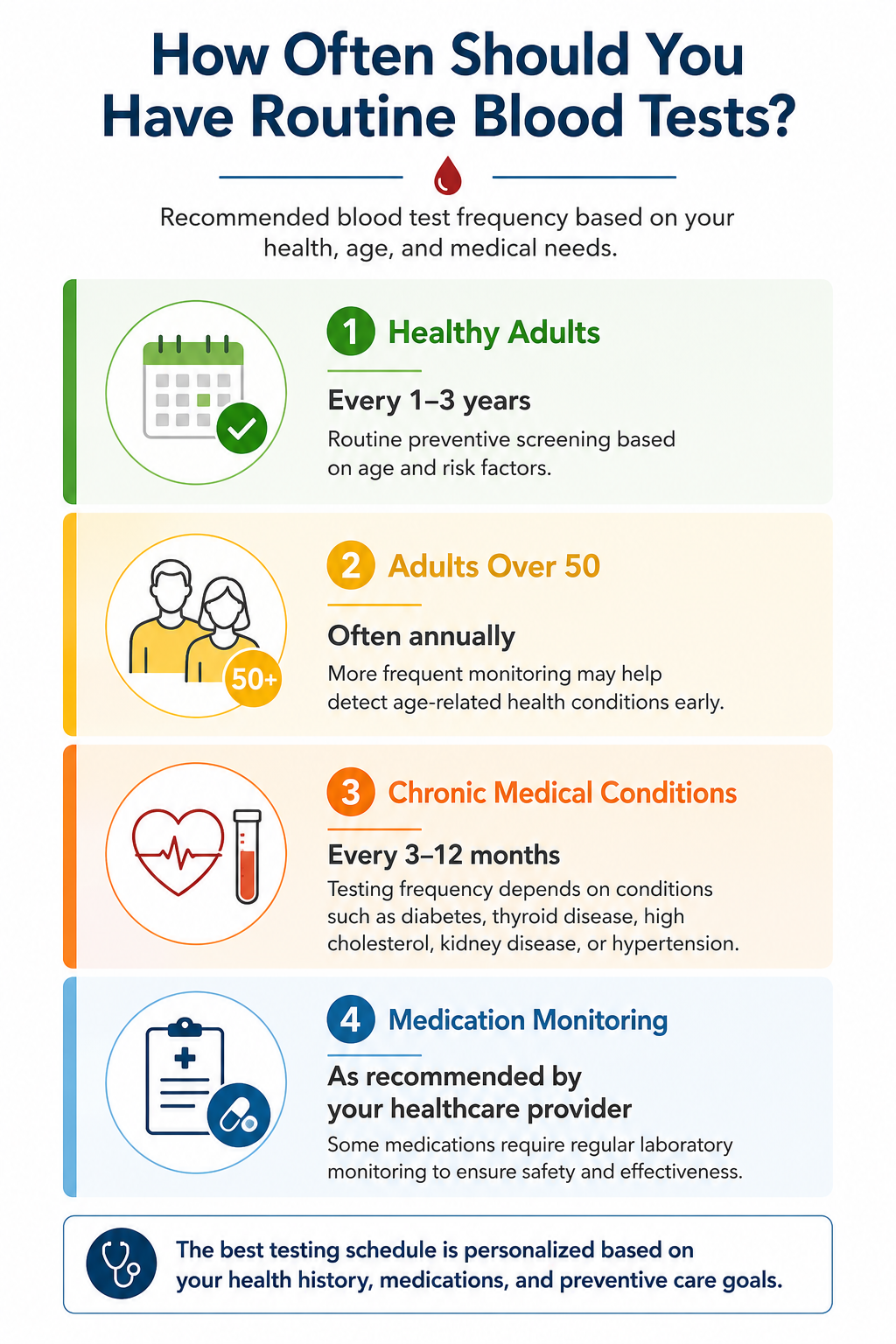
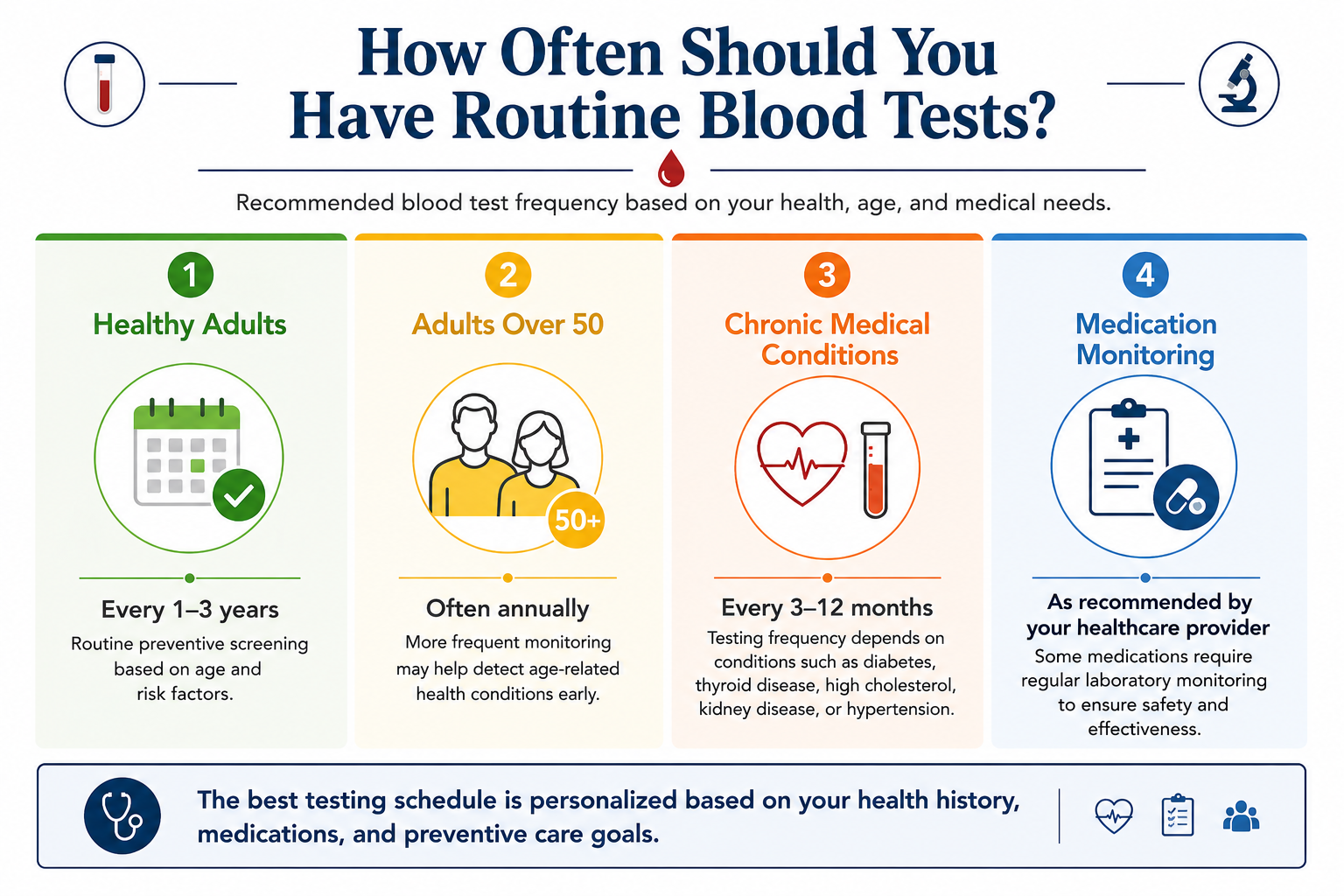
For many healthy adults with no chronic medical conditions or significant risk factors, routine blood work every 1 to 3 years is often appropriate. However, many healthcare providers recommend annual blood tests as part of a preventive health evaluation because they establish trends and may detect subtle changes before symptoms develop.
Routine testing may include:
Complete Blood Count (CBC)
Comprehensive Metabolic Panel (CMP)
Lipid Panel (cholesterol)
Hemoglobin A1c (blood sugar)
Thyroid function tests (when appropriate)
Vitamin and nutrient testing based on symptoms or risk factors
Rather than relying on a fixed schedule, testing should be individualized based on your health status and preventive care goals.
When Should Blood Tests Be Done More Frequently?
Some individuals benefit from laboratory testing more often than once a year.
More frequent blood work may be recommended if you:
Have diabetes or prediabetes
Have high blood pressure
Have high cholesterol
Have thyroid disease
Have kidney or liver disease
Take medications that require laboratory monitoring
Are receiving hormone replacement therapy
Are managing an autoimmune disease
Have a family history of chronic illness
Have recently started a new medication
Have unexplained symptoms
In these situations, your healthcare provider may recommend testing every few months or at other intervals depending on your condition and treatment plan.
Which Routine Blood Tests Are Commonly Recommended?
Routine laboratory testing often includes a combination of tests that evaluate different aspects of your health.
Common tests include:
Complete Blood Count (CBC)
Evaluates:
Red blood cells
White blood cells
Platelets
Signs of anemia or infection
Comprehensive Metabolic Panel (CMP)
Measures:
Kidney function
Liver function
Blood sugar
Electrolytes
Protein levels
Lipid Panel
Assesses:
Total cholesterol
LDL ("bad") cholesterol
HDL ("good") cholesterol
Triglycerides
Hemoglobin A1c
Provides an average of your blood sugar over approximately three months and helps screen for diabetes and prediabetes.
Additional Tests
Depending on your individual health, your provider may also recommend:
Thyroid testing
Vitamin D
Vitamin B12
Iron studies
Hormone testing
Inflammatory markers
Specialized cardiovascular risk markers
The goal is to order tests that are medically appropriate for your specific situation rather than performing unnecessary laboratory work.
Yes. As we age, our risk for many chronic conditions gradually increases.
Older adults are generally more likely to develop:
Diabetes
High cholesterol
Kidney disease
Thyroid disorders
Liver disease
Nutritional deficiencies
Because of these increased risks, many adults over age 50 benefit from annual preventive laboratory testing, although recommendations should always be individualized.
Your healthcare provider may also recommend more comprehensive testing if you have multiple medical conditions or take several prescription medications.
Does Age Change How Often You Need Blood Work?
One of the greatest benefits of routine blood work is that it may identify abnormalities before you notice any symptoms.
Routine laboratory testing can help detect:
Diabetes and prediabetes
High cholesterol
Kidney disease
Liver disease
Thyroid disorders
Certain vitamin deficiencies
Some forms of anemia
Early signs of inflammation
Detecting these conditions early often allows treatment to begin before complications develop, improving long-term health outcomes.
It is important to remember that normal blood work does not rule out every medical condition. Laboratory testing is one part of a comprehensive medical evaluation that also includes your symptoms, medical history, physical examination, and, when appropriate, imaging or additional testing.
Can Blood Tests Detect Problems Before Symptoms Start?
When Should You Talk With Your Healthcare Provider?
Rather than ordering the same blood tests every year, it is often better to discuss your health goals and risk factors with your healthcare provider.
Your testing schedule may change based on:
Your age
Personal medical history
Family history
Current medications
Lifestyle
New symptoms
Previous laboratory results
A personalized approach helps ensure you receive the right tests at the right time while avoiding unnecessary testing.
Frequently Asked Questions
-
Not always. Some healthy adults may not require yearly blood tests, while others benefit from annual monitoring. Your healthcare provider can recommend the most appropriate schedule based on your individual health needs.
-
Yes. Unnecessary testing may lead to false-positive results, additional testing, increased healthcare costs, and unnecessary anxiety. Laboratory testing should be guided by medical need rather than performed simply because a certain amount of time has passed.
-
Common preventive blood tests include a CBC, CMP, lipid panel, and blood sugar testing. Additional tests may be recommended based on your age, medical history, symptoms, or family history.
-
Many insurance plans cover preventive laboratory testing, but coverage varies depending on the specific tests ordered and your individual insurance benefits. It is a good idea to verify coverage with your insurance provider before testing.
-
Yes. Many chronic conditions develop gradually and may not cause symptoms in their early stages. Routine blood work can help detect certain health issues early, when treatment is often most effective.
The Bottom Line
Routine blood tests are an important part of preventive healthcare, but there is no universal schedule that fits everyone. The right testing frequency depends on your age, medical history, medications, lifestyle, and overall health.
For many adults, periodic blood work provides valuable insight into overall wellness and can help identify potential problems before symptoms appear. By working with your healthcare provider to create a personalized testing plan, you can make informed decisions about your health and focus on prevention rather than waiting for illness to develop.
If you're interested in comprehensive laboratory testing as part of a personalized preventive care plan, Ask Dr. Hu offers individualized blood work recommendations, detailed result reviews, and ongoing health optimization tailored to your unique needs.
Looking for a Licensed Arizona Concierge Physician?
At Ask Dr. Hu, we provide personalized naturopathic and concierge medical care for patients throughout Arizona via secure telemedicine, with in-person visits available when appropriate.
Whether you're looking for preventive care, chronic disease management, integrative pain management, medical marijuana certification, hormone optimization, weight management, medical documentation, health optimization, or a more personalized healthcare experience, we're here to help.
Contact us today to learn whether our practice is the right fit for your healthcare needs.