Is Acupuncture Effective for Pain Management?
Written by YiQiu Hu, NMD
Arizona-licensed naturopathic physician and virtual concierge medicine provider
Published August 2026 | Medically reviewed August 2026
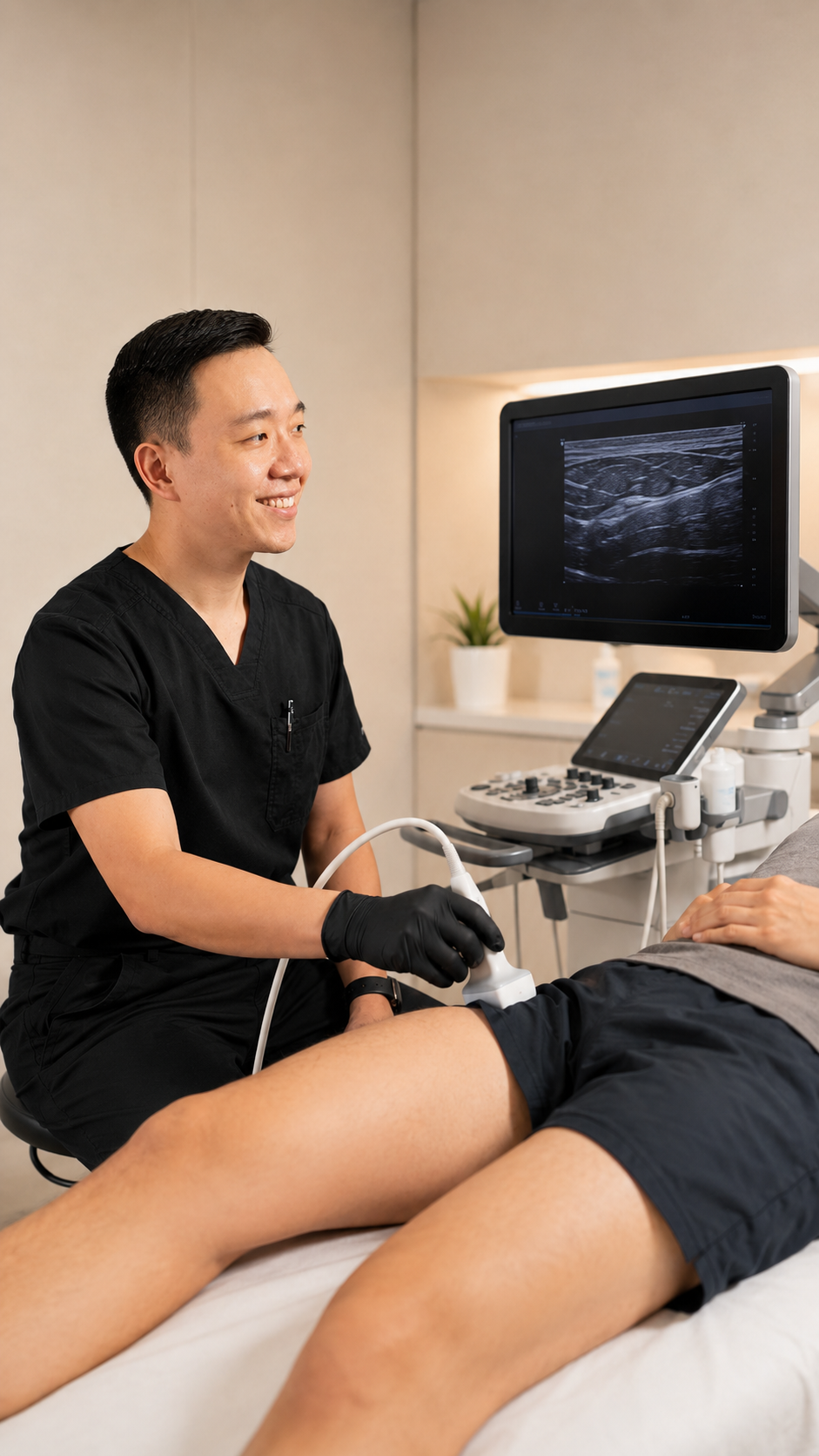
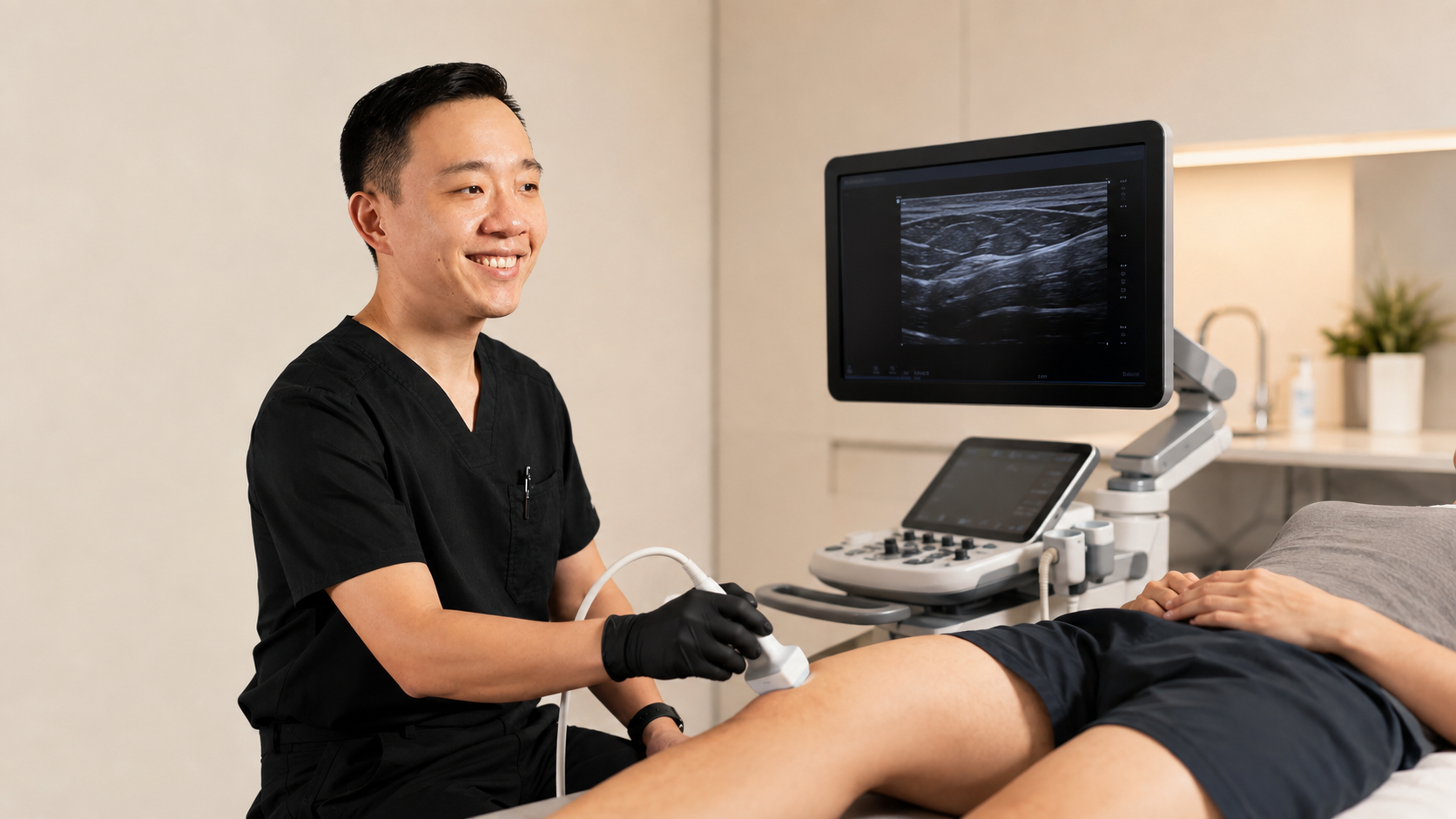
Yes, acupuncture can be an effective part of pain management for certain conditions. Research suggests that it may help reduce pain and improve function in people with chronic back or neck pain, knee osteoarthritis, headaches, and some other musculoskeletal pain conditions. However, results vary, and acupuncture is not equally effective for every type or cause of pain.
At Ask Dr. Hu, acupuncture may be considered as one component of a broader integrative pain management plan. The goal is not simply to treat the location that hurts, but to evaluate the likely source of the pain and determine which combination of conservative care, rehabilitation, medications, procedures, or other treatments may be appropriate.
What Does the Research Say About Acupuncture for Pain?
Acupuncture is one of the most extensively studied complementary approaches for pain.
According to the National Center for Complementary and Integrative Health (NCCIH), research suggests acupuncture may be helpful for several pain conditions, particularly back or neck pain and knee pain related to osteoarthritis. Studies have also found potential benefits for headaches and certain other chronic pain conditions.
A large individual-patient-data meta-analysis involving people with chronic musculoskeletal pain, osteoarthritis, headaches, and related conditions concluded that acupuncture was more effective than both no-acupuncture controls and sham acupuncture, although the difference compared with sham acupuncture was smaller. The authors concluded that acupuncture can be a reasonable treatment option for chronic pain.
This distinction is important.
Acupuncture appears to have genuine therapeutic effects, but factors surrounding the treatment—including expectations, the practitioner-patient interaction, relaxation, and other nonspecific effects—may contribute to the overall improvement experienced by some patients. NCCIH similarly notes that acupuncture generally produces a larger difference when compared with no treatment than when compared with sham acupuncture.
In other words, acupuncture should neither be dismissed as “just placebo” nor promoted as a guaranteed cure.
Which Types of Pain May Respond to Acupuncture?
Evidence is stronger for some conditions than others.
Chronic Low Back Pain
Chronic low back pain is one of the conditions for which acupuncture has been studied most extensively.
The American College of Physicians includes acupuncture among the non-drug treatment options that clinicians may consider for chronic low back pain.
More recent NIH-funded research has continued to evaluate acupuncture for chronic low back pain, including a large randomized trial in older adults published in 2025 that found improvements in pain-related disability with acupuncture in addition to usual care.
However, low back pain can arise from many different causes. Disc problems, arthritis, muscle dysfunction, nerve compression, spinal stenosis, sacroiliac dysfunction, and other conditions may require different treatment strategies.
That is why identifying the likely source of musculoskeletal pain remains important even when acupuncture is being considered.
Neck Pain
Acupuncture may also help some patients with chronic neck pain.
Research summarized by NCCIH has found acupuncture to be more effective than no treatment for back and neck pain, with smaller but measurable differences compared with sham acupuncture.
Patients with persistent neck pain should still be evaluated for possible causes such as muscular dysfunction, arthritis, nerve irritation, previous injury, posture-related strain, or other structural problems.
Knee Osteoarthritis
Knee osteoarthritis is another condition with relatively substantial acupuncture research.
Studies suggest acupuncture can provide modest improvements in osteoarthritis pain, particularly for knee osteoarthritis. The American College of Rheumatology and Arthritis Foundation have also conditionally recommended acupuncture as one possible treatment for osteoarthritis of the knee, hip, or hand.
Acupuncture does not reverse the structural changes of osteoarthritis. Instead, the goal is generally symptom reduction and improved function.
For many patients, it works best as part of a larger plan that may include exercise, strengthening, weight management when appropriate, activity modification, physical therapy, medications, or selected procedures.
Headaches and Migraines
Acupuncture may help reduce the frequency of certain headaches.
NCCIH reports moderate-quality evidence suggesting acupuncture may reduce migraine frequency, along with moderate- to low-quality evidence for reducing tension-type headache frequency.
Because recurrent headaches can occasionally have causes requiring medical evaluation, patients with a new, unusually severe, or changing headache pattern should be appropriately evaluated rather than assuming acupuncture alone is the appropriate treatment.
Myofascial and Muscular Pain
Acupuncture is also frequently used for muscular and myofascial pain.
Some research suggests that needling painful trigger-point areas may improve myofascial pain, although the available studies are smaller and the evidence is less definitive than for conditions such as chronic low back pain.
Depending on the clinical situation, treatment may overlap with or be combined with other conservative approaches such as therapeutic exercise, physical therapy, stretching, manual therapies, or dry needling.
How Might Acupuncture Reduce Pain?
The exact mechanisms responsible for acupuncture's effects are still being investigated.
Research suggests acupuncture may influence nervous-system activity and may also have local effects on the tissues in which the needles are inserted. Psychological and contextual factors surrounding treatment may contribute as well.
Pain itself is complex.
A painful experience can be influenced by the injured tissue, inflammation, muscular guarding, nerve sensitivity, movement patterns, sleep, stress, previous injuries, activity levels, and changes in how the nervous system processes pain.
For that reason, acupuncture does not necessarily need to “fix” a damaged structure in order to be clinically useful. In some patients, reducing pain enough to improve movement, sleep, exercise tolerance, or participation in rehabilitation can itself be valuable.
Does Acupuncture Work Immediately?
Some patients notice improvement after an individual treatment, while others require multiple sessions before they can determine whether acupuncture is helping.
Response varies depending on the condition being treated, how long the pain has been present, the severity of the problem, other contributing factors, and the individual's response to treatment.
Rather than promising a predetermined number of sessions, it is generally more useful to monitor measurable outcomes such as:
Pain severity
Ability to walk, exercise, work, or perform daily activities
Range of motion
Sleep
Medication use
Frequency of painful episodes
Overall function
If there is no meaningful improvement after an appropriate trial of treatment, the diagnosis and treatment strategy may need to be reconsidered.
Is Acupuncture Better Than Pain Medication?
It is not necessarily an either-or decision.
Acupuncture and medication work differently and may serve different purposes. Some patients prefer to begin with conservative, non-drug approaches when medically reasonable, while others benefit from medication, rehabilitation, procedures, or a combination of treatments.
For chronic low back pain in particular, clinical guidelines encourage consideration of nonpharmacologic treatments, including acupuncture, before automatically relying on medication alone.
The best approach depends on the cause and severity of the pain, medical history, previous treatments, medication risks, and the patient's goals.
You can learn more about how different strategies may be combined in our guide to integrative pain management.
Is Acupuncture Safe?
Acupuncture is generally considered a low-risk procedure when it is performed correctly by a properly trained healthcare professional using appropriate sterile technique.
The FDA requires acupuncture needles to be sterile and labeled for single use. Although relatively few serious complications are reported, improperly performed acupuncture can result in infections, organ injury, or other significant complications.
More common short-term effects may include temporary soreness or bruising around treated areas.
Patients should tell their treating physician about their medical conditions and medications, particularly bleeding disorders or medications that affect blood clotting, before receiving needling-based treatments.
When Should Pain Be Evaluated Before Trying Acupuncture?
Acupuncture should not be used to delay diagnosis of a potentially serious medical condition. NCCIH specifically advises patients not to postpone appropriate medical evaluation because they are using acupuncture or another complementary treatment.
Medical evaluation is particularly important when pain:
Begins after significant trauma
Is progressively worsening
Is accompanied by significant weakness or numbness
Causes new bowel or bladder dysfunction
Occurs with fever or signs of infection
Is associated with unexplained weight loss or systemic illness
Is severe and unexplained
Continues despite appropriate conservative treatment
Understanding the likely cause of pain makes it easier to determine whether acupuncture, rehabilitation, medication, imaging, an injection, or another treatment is the most appropriate next step.
Our patient guide to starting integrative pain management explains what this evaluation may involve.
Can Acupuncture Be Combined With Other Pain Treatments?
Yes. Acupuncture is often most useful as one component of a broader treatment strategy rather than as an isolated treatment.
Depending on the underlying problem, an individualized plan might include:
Acupuncture or dry needling
Therapeutic exercise
Physical therapy
Strengthening and mobility work
Activity modification
Lifestyle strategies
Medication when appropriate
Musculoskeletal ultrasound
Targeted injections
Prolotherapy
Platelet-rich plasma therapy
Nerve or trigger-point treatments
Referral to another specialist
Ask Dr. Hu's integrative pain-management approach begins with an evaluation of the patient's symptoms, history, examination findings, previous treatment, and available imaging before determining which options may be appropriate.
So, Is Acupuncture Worth Trying for Pain?
For the right patient and the right condition, yes.
Acupuncture has enough evidence to be considered a reasonable conservative treatment option for several common pain conditions, particularly chronic low back pain, neck pain, knee osteoarthritis, and certain headaches.
At the same time, patients should have realistic expectations. Improvement may be modest, not everyone responds, and acupuncture cannot correct every structural or neurologic cause of pain.
The most useful question is therefore not simply “Does acupuncture work?”
It is:
“Is acupuncture appropriate for the specific condition causing my pain, and how should it fit into my overall treatment plan?”
That decision is best made after an individualized evaluation.
Acupuncture and Integrative Pain Management at Ask Dr. Hu
Ask Dr. Hu provides individualized integrative pain-management evaluations for patients who want to better understand the possible cause of their pain and explore appropriate treatment options.
Depending on your condition and examination findings, care may include acupuncture or dry needling, rehabilitation recommendations, musculoskeletal ultrasound, selected injection therapies, regenerative procedures, or referral for additional testing or specialist care.
If you are experiencing persistent muscle, joint, tendon, or other musculoskeletal pain, you can contact Ask Dr. Hu to discuss whether an evaluation may be appropriate.
Medical Evidence and Sources
This article is based on current clinical research and guidance from established medical and scientific organizations, including:
National Center for Complementary and Integrative Health — Acupuncture: Effectiveness and Safety
Acupuncture for Chronic Pain: Individual Patient Data Meta-Analysis
JAMA Network Open — Acupuncture for Chronic Low Back Pain in Older Adults
Medical research continues to evolve, and treatment decisions should be individualized according to the patient's diagnosis, health history, goals, and clinical circumstances.
Last updated: August 2026
About the Author
Dr. YiQiu Hu, NMD is an Arizona naturopathic physician and founder of Ask Dr. Hu. His clinical interests include preventive medicine, health optimization, medical weight management, hormone care, laboratory testing, and integrative pain management. His approach emphasizes careful medical evaluation, evidence-informed treatment options, and helping patients understand the reasoning behind their care.
Learn more about Dr. Hu and the physicians at Ask Dr. Hu.
This article is intended for general educational purposes and does not replace individualized medical evaluation, diagnosis, or treatment. Acupuncture and other pain-management treatments are not appropriate for every patient or every condition.