Recovering After Regenerative Medicine Procedures
Written by YiQiu Hu, NMD
Arizona-licensed naturopathic physician and virtual concierge medicine provider
Published August 2026 | Medically reviewed August 2026
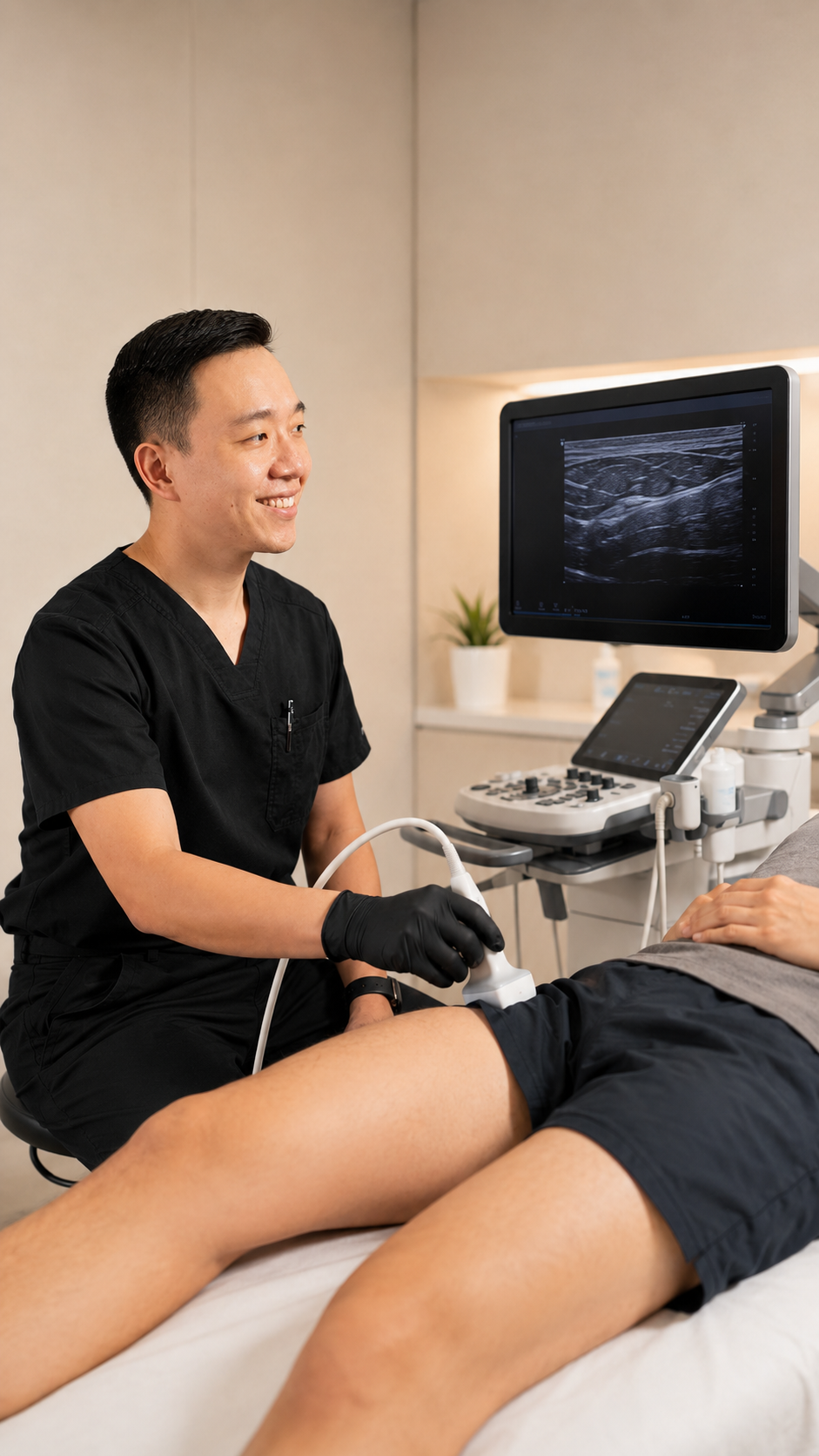
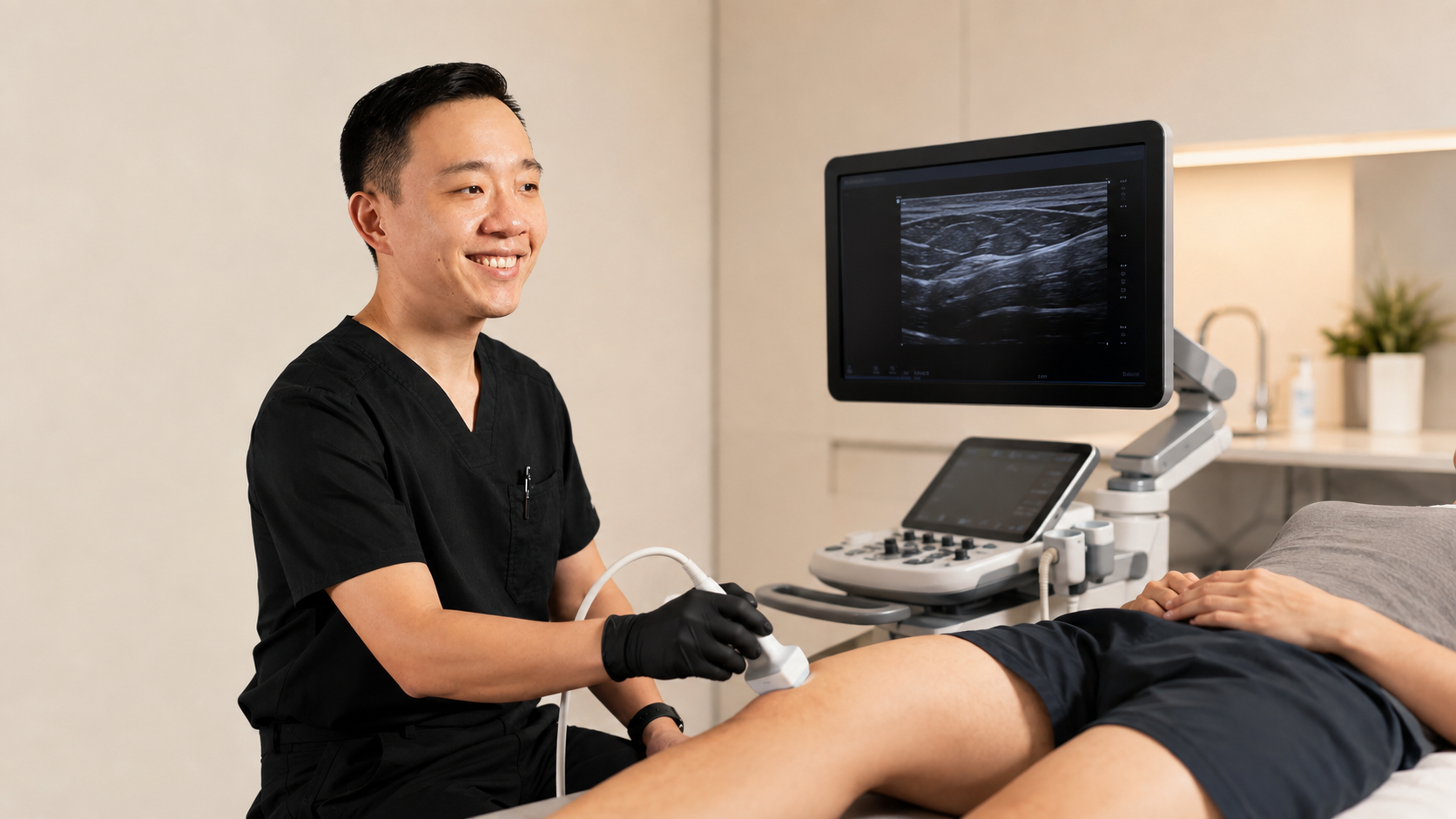
Regenerative medicine procedures such as platelet-rich plasma (PRP) and prolotherapy are sometimes used as part of a broader treatment plan for certain joint, tendon, ligament, and other musculoskeletal conditions.
But having the procedure is only one part of the process.
What you do afterward—including how much you move, when you return to exercise, how you manage discomfort, and whether you follow through with rehabilitation—may be an important part of your overall recovery plan.
Unlike an injection designed primarily to provide rapid symptom relief, some regenerative procedures are intended to interact with the body's natural healing response. That means improvement may not be immediate, and temporary soreness after treatment does not necessarily mean the procedure was unsuccessful.
This guide explains what patients may experience after regenerative medicine procedures, how activity is typically progressed, and when you should contact your physician.
If you are still deciding whether a procedure may be appropriate, begin with our Integrative Pain Management resources or learn more about integrative pain management in Arizona.
What Is Considered a Regenerative Medicine Procedure?
The term regenerative medicine is used broadly and does not refer to a single treatment.
Within musculoskeletal medicine, procedures that may be discussed as regenerative or restorative injection treatments include:
Platelet-rich plasma (PRP)
Prolotherapy
Certain other orthobiologic treatments
PRP is prepared from a patient's own blood. Blood is drawn and processed to concentrate platelets before the resulting preparation is injected into a targeted area.
Prolotherapy generally involves injecting a solution into selected joints, ligaments, tendons, or surrounding structures with the goal of stimulating a local healing response.
These approaches are not appropriate for every condition, and evidence differs substantially depending on the specific procedure, tissue being treated, and diagnosis.
The American Academy of Orthopaedic Surgeons notes that research supporting PRP is stronger for certain conditions, including some chronic tendon problems and mild-to-moderate knee osteoarthritis, while evidence remains limited or inconsistent for many other applications.
This is one reason a careful diagnosis should come before deciding on a procedure.
What Should You Expect Immediately After the Procedure?
Your experience will depend on the procedure performed, the treatment location, the number of areas treated, and your individual health.
Immediately afterward, you may notice:
Tenderness around the injection site
A feeling of pressure or fullness
Mild swelling
Bruising
Stiffness
Temporary increase in pain
Mild limitation in movement
These symptoms are often temporary.
PRP in particular does not necessarily provide immediate pain relief. In some applications, discomfort may actually increase temporarily before improvement occurs. The American Academy of Orthopaedic Surgeons notes that pain can increase during the first week or two after certain PRP treatments and that potential benefits may take several weeks to become apparent.
Your physician should explain what is reasonably expected for the specific procedure you received.
The First 24 to 72 Hours
The first few days after an injection are generally focused on protecting the treatment area while maintaining appropriate movement.
Unless your physician gives you different instructions, this usually means avoiding strenuous activity involving the treated structure.
For example, after treatment of a knee, tendon, shoulder, or elbow, you may be asked to temporarily avoid:
Heavy lifting
Running
Jumping
High-intensity exercise
Repetitive loading of the treated area
Sports
Activities that significantly increase your pain
This does not necessarily mean complete bed rest.
Gentle movement may often be appropriate and can help prevent unnecessary stiffness. The amount of activity that is appropriate depends on what was treated.
A joint injection and a tendon procedure may have very different rehabilitation plans.
Is Pain Normal After PRP or Prolotherapy?
Some temporary soreness is expected after many musculoskeletal injections.
Regenerative procedures may intentionally produce or interact with a local biological response, which can make the treated area feel more irritated before it begins feeling better.
You may experience:
Aching
Tenderness
Mild swelling
Stiffness
Pain with movement
Temporary worsening of your usual symptoms
The severity varies considerably.
Some patients experience only mild discomfort. Others may experience a noticeable flare lasting several days or occasionally longer.
Your physician should tell you what degree of discomfort is expected based on your procedure.
Pain that is severe, rapidly worsening, or associated with other concerning symptoms should not simply be assumed to be normal post-procedure soreness.
Should You Use Ice After a Regenerative Medicine Procedure?
Recommendations regarding ice vary depending on the procedure and physician.
For a typical musculoskeletal injury, ice is often used to reduce discomfort and swelling. However, because some regenerative treatments are intended to stimulate or interact with inflammatory and healing pathways, some clinicians recommend limiting ice immediately after treatment.
There is not one universal post-procedure protocol that applies to every regenerative treatment.
Follow the instructions given specifically for your procedure rather than applying a generic recovery plan.
Can You Take Ibuprofen or Other Anti-Inflammatory Medications?
This is another area where instructions may differ.
Some physicians recommend temporarily limiting nonsteroidal anti-inflammatory drugs, or NSAIDs, around certain PRP or prolotherapy procedures. Common NSAIDs include:
Ibuprofen
Naproxen
Aspirin when used for pain or inflammation
Certain prescription anti-inflammatory medications
However, medication decisions must be individualized.
Do not stop aspirin, anticoagulants, cardiovascular medications, or any prescription medication simply because you had a regenerative procedure unless the clinician responsible for that medication tells you it is safe to do so.
For example, aspirin prescribed to reduce cardiovascular risk serves a very different purpose from occasional ibuprofen taken for muscle soreness.
Ask your physician what pain medications are appropriate before and after your procedure.
When Can You Return to Normal Activity?
There is no single regenerative medicine recovery timeline.
Your return to activity depends on:
The structure being treated
Your diagnosis
Whether the condition is acute or chronic
The severity of the injury
The procedure performed
Your baseline activity level
Whether you have additional injuries
Your response during the first several days
Your rehabilitation plan
For some procedures, normal daily activity may resume relatively quickly.
Returning to strenuous exercise or sports usually requires a more deliberate progression.
Your physician may recommend moving through several stages:
Phase 1: Protect the Treatment Area
Immediately after the procedure, reduce activities that place excessive stress on the treated structure.
The goal is usually relative rest, not necessarily complete inactivity.
Phase 2: Restore Comfortable Movement
As initial soreness improves, gentle range-of-motion activities may be introduced or increased.
The goal is to prevent unnecessary stiffness while avoiding excessive loading.
Phase 3: Rebuild Strength and Capacity
Once the treatment area tolerates movement appropriately, progressive strengthening may begin.
Depending on your condition, this may involve:
Home exercises
Physical therapy
Resistance training
Mobility work
Balance exercises
Tendon-loading exercises
Gradual cardiovascular activity
Phase 4: Return to Higher-Level Activity
Running, jumping, heavy lifting, occupational activity, or sports should generally be reintroduced progressively rather than all at once.
Returning because the area "feels better" is not always the same as being fully prepared for demanding activity.
Why Rehabilitation Matters
An injection does not automatically correct every factor contributing to musculoskeletal pain.
For example, persistent symptoms may also involve:
Muscle weakness
Reduced mobility
Poor movement mechanics
Repetitive overuse
Reduced tendon capacity
Joint instability
Previous injury
Occupational demands
Training errors
For this reason, regenerative medicine may work best as one component of a broader treatment plan rather than a stand-alone procedure.
Your plan might combine the procedure with exercise, physical therapy, activity modification, nutrition, sleep, and gradual return to normal movement.
Our Patient's Guide to Starting Integrative Pain Management explains how these different components may fit together.
How Long Does It Take for PRP to Work?
One of the most common misunderstandings about PRP is expecting it to behave like a fast-acting pain-relieving injection.
PRP responses often develop more gradually.
Depending on the condition, improvements may occur over several weeks and may continue evolving over the following months.
Not every patient improves, and treatment response varies based on factors including:
The diagnosis
Severity of tissue damage
Chronicity of the condition
PRP preparation
Treatment location
General health
Rehabilitation
Activity demands
The American Academy of Orthopaedic Surgeons emphasizes that PRP evidence differs significantly between conditions and that more research remains necessary for many musculoskeletal applications.
For that reason, it is better to evaluate progress over an appropriate clinical timeframe rather than deciding whether treatment worked based on the first few days.
What If You Feel Better Quickly?
Feeling better is encouraging, but it does not necessarily mean you should immediately return to full activity.
A common mistake after musculoskeletal procedures is doing too much too soon because discomfort has improved.
The tissue may still be adapting even when pain has decreased.
Follow your return-to-activity plan rather than using pain alone as the measure of readiness.
What If You Are Still Sore After a Week?
Some soreness may persist beyond the first several days, particularly after certain PRP or tendon procedures.
The important questions are:
Is the discomfort gradually improving?
Is swelling stable or decreasing?
Can you progressively perform normal activities?
Are there any new neurological or systemic symptoms?
Is the pain consistent with what your physician told you to expect?
If symptoms are worsening rather than gradually stabilizing or improving, contact your physician.
Warning Signs After a Regenerative Medicine Procedure
Although temporary soreness is common, certain symptoms deserve prompt medical evaluation.
Contact your physician if you develop:
Increasing redness around the injection site
Progressive warmth or swelling
Drainage from the injection site
Fever or chills
Severe or rapidly worsening pain
New numbness or weakness
Significant loss of movement
A new rash or suspected allergic reaction
Persistent bleeding
Seek urgent or emergency medical attention for symptoms such as:
Difficulty breathing
Chest pain
Fainting
Severe allergic reaction
Sudden paralysis or major weakness
New loss of bowel or bladder control
Severe neurological symptoms
These symptoms should not be treated as routine recovery from an injection.
When Will Your Physician Reevaluate You?
Follow-up depends on the procedure and condition.
A follow-up visit allows your physician to evaluate more than whether you simply have less pain.
Your progress may be assessed according to:
Pain intensity
Range of motion
Strength
Ability to exercise
Walking tolerance
Work activities
Sleep
Sports participation
Functional goals that matter to you
For example, improving from a pain level of 8/10 to 4/10 may be meaningful, but being able to walk two miles again, lift your child, return to the gym, or resume work may provide a better picture of functional recovery.
This is why your treatment plan should be personalized to your goals.
Learn more about how Ask Dr. Hu approaches integrative pain management.
Will You Need More Than One Treatment?
Possibly, but additional treatment should not automatically be scheduled simply because a certain number of injections is part of a predetermined package.
The appropriate number of procedures depends on:
Your diagnosis
Treatment used
Clinical response
Functional improvement
Severity of the condition
Rehabilitation progress
Available evidence
Risks and costs
Some patients may receive one procedure and then focus primarily on rehabilitation.
Others may be considered for additional treatment.
If there has been little or no improvement, reassessing the diagnosis or treatment strategy may sometimes be more appropriate than automatically repeating the same procedure.
Regenerative Medicine Does Not Mean Guaranteed Regeneration
The terminology surrounding regenerative medicine can be confusing.
A procedure being described as "regenerative" does not mean that it has been proven to regrow cartilage, completely repair a damaged tendon, reverse arthritis, or permanently eliminate pain.
Research varies greatly among different treatments and diagnoses.
The American Academy of Orthopaedic Surgeons' orthobiologics guidance describes encouraging applications for some musculoskeletal conditions while also emphasizing that rigorous evidence remains limited for many uses.
Patients should also understand that PRP prepared from a patient's own blood is not the same thing as commercially marketed stem-cell, exosome, umbilical-cord, amniotic, or other cellular products.
The U.S. Food and Drug Administration has specifically warned patients about unapproved regenerative medicine products—including certain stem-cell, exosome, umbilical-cord, and related products—marketed for orthopedic and other medical conditions.
A trustworthy treatment discussion should include what is known, what remains uncertain, the potential risks, reasonable alternatives, expected cost, and realistic expectations.
How to Support Recovery at Home
There is no supplement, food, or recovery trick that guarantees that a regenerative procedure will work.
The fundamentals of recovery still matter.
Try to support your body with:
Adequate Protein and Nutrition
Protein provides amino acids needed for normal tissue maintenance and repair.
A balanced diet that provides sufficient calories, protein, vegetables, fruits, whole-food carbohydrates, healthy fats, vitamins, and minerals generally makes more sense than relying on a collection of "healing" supplements.
Adequate Hydration
Normal hydration supports circulation, physical performance, and general recovery.
Consistent Sleep
Sleep plays an important role in recovery, pain perception, metabolic health, and physical performance.
Avoiding Tobacco
Nicotine and tobacco exposure can adversely affect circulation and tissue healing and should ideally be minimized or avoided.
Progressive Movement
Movement should be progressed according to your procedure and condition rather than following an arbitrary timeline found online.
The goal is to provide enough stimulus to rebuild strength and function without repeatedly aggravating the treated tissue.
Frequently Asked Questions
Can I drive after PRP or prolotherapy?
It depends on the body area treated, medications used during the procedure, and whether you can safely operate a vehicle afterward.
Treatment involving your knee, ankle, hip, or another area needed for safe driving may require temporary restrictions. Arrange transportation beforehand if your physician recommends it.
Can I work the day after a regenerative medicine procedure?
Many people can return to sedentary work relatively quickly, but physically demanding jobs may require temporary restrictions.
Discuss your occupation with your physician before the procedure so recovery can be planned appropriately.
Can I exercise after PRP?
Usually not at your normal intensity immediately after treatment.
Exercise is commonly reintroduced progressively based on the structure treated, your symptoms, and your rehabilitation plan.
How long will I be sore after PRP?
Some patients experience only mild soreness for a few days, while others have a more noticeable flare lasting longer. Certain PRP applications may cause increased discomfort during the first week or two.
Contact your physician if pain is severe, rapidly worsening, or accompanied by concerning symptoms.
Should I stretch after a regenerative injection?
Gentle movement may sometimes be appropriate, but aggressive stretching is not automatically beneficial after every procedure.
A tendon, ligament, muscle, or joint may each require a different rehabilitation strategy.
How soon can I return to the gym?
There is no universal answer.
Returning to resistance training depends on the area treated, the procedure performed, your symptoms, and the load placed on that structure. A gradual progression is usually preferable to immediately returning to your previous weight or training volume.
How do I know whether the treatment worked?
Look at function as well as pain.
Consider whether you can move better, exercise longer, sleep more comfortably, perform your job, participate in activities, or accomplish the functional goals established before treatment.
A Personalized Recovery Plan Matters
There is no single recovery schedule that is appropriate after every regenerative medicine procedure.
A PRP injection into a knee joint is different from treatment of a chronically injured tendon. A recreational walker has different physical demands from a competitive athlete. Someone with a new injury may require a different plan from someone who has experienced pain for several years.
The best recovery plan considers:
What structure was treated
Your diagnosis
Your overall health
Your current level of function
Your occupational demands
Your exercise and sports goals
The specific procedure performed
How you respond during recovery
Regenerative medicine should therefore be viewed as part of a comprehensive treatment strategy rather than an isolated procedure.
At Ask Dr. Hu, integrative pain management begins with an individualized evaluation to identify the likely source of symptoms and determine whether conservative treatment, rehabilitation, diagnostic ultrasound, targeted injections, regenerative procedures, or specialist care may be appropriate.
Not every patient needs an injection, and not every musculoskeletal condition is an appropriate candidate for regenerative treatment.
Evidence, Medical Review, and E-E-A-T
This patient guide was developed using current medical literature, clinical guidance, and physician experience in musculoskeletal and integrative pain care.
Helpful authoritative resources include:
American Academy of Orthopaedic Surgeons: Platelet-Rich Plasma
American Academy of Orthopaedic Surgeons: Orthobiologics and Regenerative Medicine
Regenerative medicine is a rapidly evolving area of musculoskeletal care. Evidence varies by treatment and diagnosis, and terminology can be used inconsistently. Patients should be cautious of claims that a treatment can guarantee tissue regeneration, permanently cure arthritis, or replace appropriate medical or surgical evaluation.
This article is intended for general education and does not replace an individualized medical examination, diagnosis, or post-procedure instructions from your treating physician.
Recovering From a Regenerative Medicine Procedure in Arizona
If you are considering PRP, prolotherapy, or another musculoskeletal procedure, the first step should be determining what is causing your symptoms and whether a procedure is appropriate.
Ask Dr. Hu provides individualized integrative pain management evaluations in Arizona, with treatment recommendations based on your medical history, examination findings, previous treatment, imaging when appropriate, and personal goals.
Care may include rehabilitation recommendations, ultrasound evaluation, acupuncture or dry needling, targeted injection procedures, regenerative treatment when appropriate, or referral for additional imaging or specialist evaluation.
Contact Ask Dr. Hu to request an integrative pain management evaluation and discuss the next appropriate step for your condition.
About the Author
YiQiu Hu, NMD, is an Arizona-licensed naturopathic physician and founder of Ask Dr. Hu. His clinical work includes concierge medicine, preventive healthcare, health optimization, diagnostic evaluation, medical weight management, hormone care, laboratory testing, and individualized treatment planning.
Ask Dr. Hu's approach emphasizes careful evaluation, clear patient education, evidence-informed treatment options, and helping patients understand the potential benefits, limitations, alternatives, and risks of their healthcare decisions.
Learn more about Dr. YiQiu Hu and the physicians at Ask Dr. Hu.
Medical disclaimer: This article is provided for general educational purposes only. It does not establish a physician-patient relationship and should not be used as a substitute for individualized medical advice, diagnosis, treatment, or instructions provided by the clinician who performed your procedure.