How Rehabilitation, Exercise, and Movement Support Pain Recovery
Written by YiQiu Hu, NMD
Arizona-licensed naturopathic physician and virtual concierge medicine provider
Published August 2026 | Medically reviewed August 2026
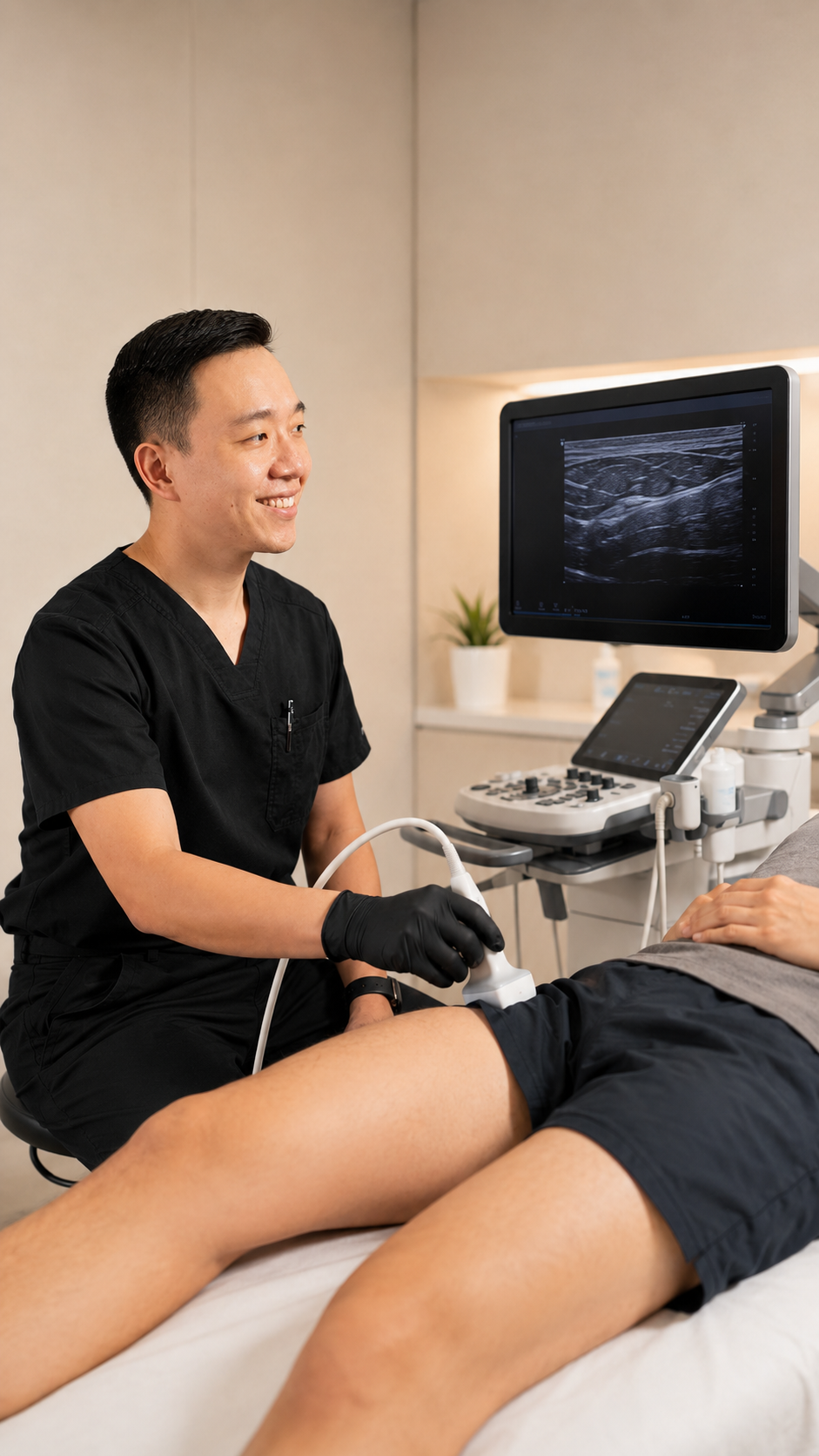
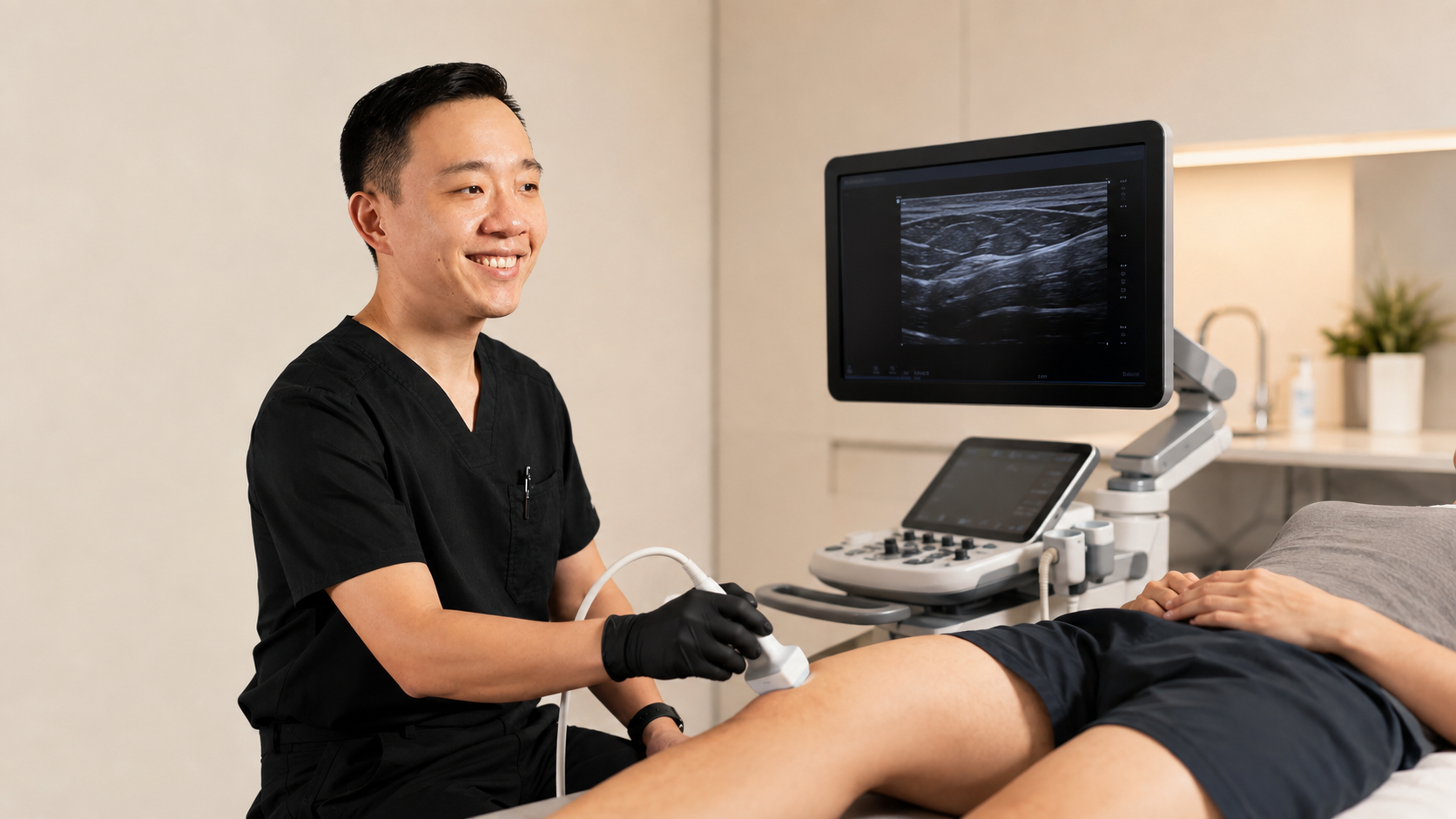
When something hurts, the natural reaction is often to stop using it.
Rest can be appropriate after certain acute injuries, procedures, or significant symptom flares. But for many musculoskeletal conditions, recovery eventually requires something more: gradually restoring movement, strength, mobility, coordination, and confidence in the affected area.
Rehabilitation is therefore not simply exercise added after pain improves. In many situations, appropriately selected movement is an important part of the treatment itself.
The key word is appropriate.
Back pain, osteoarthritis, tendon injuries, muscle strains, nerve-related symptoms, postoperative conditions, and acute traumatic injuries do not all require the same exercises or progression. Effective rehabilitation begins with understanding what is causing the symptoms and determining what the affected tissues can safely tolerate.
This is one reason an individualized integrative pain management plan may combine medical evaluation, activity modification, rehabilitation, medications or supportive treatments, and targeted procedures when appropriate.
What Is Rehabilitation?
Rehabilitation is the process of restoring function after pain, injury, illness, surgery, or a period of reduced activity.
Although people often associate rehabilitation exclusively with physical therapy, the broader concept can include physician-directed activity recommendations, home exercise programs, formal physical therapy, progressive strengthening, mobility training, balance work, cardiovascular conditioning, sport-specific training, occupational rehabilitation, and gradual return to normal activities.
The goal is not simply to make a painful area feel better temporarily.
Good rehabilitation attempts to improve what the person can actually do.
That might mean walking farther, climbing stairs without difficulty, returning to work, lifting a child, reaching overhead, sleeping more comfortably, returning to the gym, or participating in a favorite sport.
For that reason, functional improvement is often just as important as the pain score itself.
Why Can Movement Help Musculoskeletal Pain?
Muscles, tendons, bones, joints, and other parts of the musculoskeletal system are designed to tolerate physical load.
When activity decreases substantially because of pain, immobilization, fear of reinjury, or prolonged rest, a person can gradually lose strength, endurance, mobility, coordination, and confidence with movement.
Appropriately dosed activity can help reverse some of those changes.
Exercise therapy is included in major clinical guidelines for several musculoskeletal conditions. The World Health Organization recommends structured exercise programs as part of care for chronic primary low back pain, and the American College of Physicians includes exercise and multidisciplinary rehabilitation among nonpharmacologic approaches for chronic low back pain. A Cochrane review also found moderate-certainty evidence that exercise is probably more effective than no treatment, usual care, or placebo for chronic low back pain.
That does not mean every painful condition should simply be “exercised through.”
The diagnosis, stage of healing, severity of injury, neurological findings, overall health, previous activity level, and response to loading all matter.
Pain Does Not Always Mean That Movement Is Causing More Damage
One of the most important concepts in rehabilitation is that pain and tissue damage are related, but they are not always identical.
Pain is an important protective signal, especially after an acute injury. But with persistent pain, the relationship between pain intensity and the amount of structural tissue damage can become less straightforward.
The nervous system itself can become more sensitive, movements can become associated with threat, and patients may begin avoiding activities they previously performed comfortably. The International Association for the Study of Pain notes that persistent pain does not always correlate directly with ongoing tissue damage and that gradual, controlled movement can be helpful in restoring function.
This distinction is important.
The goal is not to tell patients that their pain is imaginary or that they should ignore it.
Rather, rehabilitation helps determine which movements are safe, how much activity the body currently tolerates, and how that capacity can gradually be increased.
What Types of Exercise May Be Used During Pain Recovery?
There is no single exercise program that is best for every musculoskeletal problem. Depending on the diagnosis and the patient's functional needs, rehabilitation may incorporate:
Mobility and range-of-motion exercises to maintain or restore comfortable movement.
Strength and resistance training to improve the capacity of muscles and other tissues to tolerate physical demands.
Aerobic activity such as walking, cycling, swimming, or other appropriately selected cardiovascular exercise.
Motor-control and coordination exercises to improve how muscles and joints work together during movement.
Balance and proprioceptive training when stability or joint-position awareness has been affected.
Isometric exercises, which create muscular tension with little or no joint movement and can be useful in selected rehabilitation programs.
Progressive loading for certain tendon, muscle, bone, and joint conditions.
Functional exercise that recreates movements needed for work, sports, household activities, or daily living.
Graded exposure to previously painful movements when avoidance and movement-related fear have become part of the problem.
Sport- or activity-specific rehabilitation when the goal is returning safely to higher physical demands.
For chronic low back pain specifically, evidence supports several different approaches rather than one universally superior exercise style. The appropriate program is often chosen according to the individual's abilities, preferences, goals, and clinical presentation.
Strength Is About More Than Building Muscle
Strength training is sometimes misunderstood as something intended only for athletes or people trying to build muscle.
In rehabilitation, strength has a more practical purpose.
A stronger musculoskeletal system generally has greater capacity to handle the loads encountered during daily life.
Consider someone with knee pain who has difficulty standing from a chair. Improving the strength and control of the muscles surrounding the hips and knees may help make that task easier.
A patient recovering from shoulder pain may need enough strength to reach overhead, lift objects, or perform occupational tasks.
Someone with persistent back pain may benefit from gradually restoring trunk, hip, and overall body capacity rather than permanently avoiding lifting.
The exact exercises matter less than whether the program appropriately addresses the person's functional limitations and progresses without repeatedly overwhelming the affected tissues.
Mobility Matters, but More Flexibility Is Not Always Better
Patients with pain often assume that the painful area simply needs to be stretched.
Sometimes mobility work is appropriate. Sometimes it is not the main problem.
A joint may feel stiff because of arthritis, guarding, inflammation, immobilization, or restricted range of motion. In those cases, targeted mobility exercises may be useful.
But excessive stretching is not automatically beneficial, particularly when a painful structure is already irritated or when joint instability rather than stiffness is contributing to the problem.
The purpose of mobility work is therefore not to make every joint as flexible as possible.
It is to develop enough comfortable movement to perform the activities that matter to the individual patient.
Aerobic Exercise Can Also Be Part of Pain Rehabilitation
Pain rehabilitation does not have to focus exclusively on the painful body part.
Walking, cycling, aquatic exercise, and other forms of cardiovascular activity may help patients maintain general conditioning while recovering.
Regular physical activity also provides broader health benefits. Current CDC recommendations advise most adults who are able to work toward at least 150 minutes of moderate-intensity aerobic activity per week plus muscle-strengthening activity on at least two days. Similar recommendations apply to many adults living with chronic health conditions or arthritis.
Those numbers are general public-health targets, not an automatic starting prescription for someone experiencing pain.
A person who has been sedentary for months because of an injury may need to begin with only a few minutes of tolerable activity and progress gradually.
Rehabilitation should meet the patient where they are rather than where a guideline says a healthy adult should eventually be.
Should Exercise Hurt?
This is one of the most common questions in musculoskeletal rehabilitation.
The answer depends on the condition.
Some rehabilitation programs are designed to remain essentially pain-free. With other conditions, a limited and temporary increase in symptoms during or after exercise may be acceptable.
What matters is the overall pattern.
Exercise should generally not produce progressive neurological symptoms, major loss of function, significant swelling, instability, severe worsening, or a sustained flare that repeatedly leaves the patient worse than before.
A rehabilitation professional or treating physician may modify the load, range of motion, repetitions, resistance, frequency, or exercise selection based on how the patient responds.
Instead of asking only, “Did this hurt?” it can be useful to ask:
How much did it hurt?
How long did the increase last?
Was function better or worse afterward?
Is the same activity becoming easier over time?
Those patterns provide useful information about whether the current exercise dose is appropriate.
Rehabilitation for Acute Pain Is Different From Rehabilitation for Chronic Pain
The stage of the problem matters.
Immediately after a significant acute injury, the priority may be protecting the injured structure, controlling symptoms, determining whether imaging or specialist evaluation is needed, and avoiding activities that could worsen the injury.
As healing progresses, carefully selected movement may be introduced and gradually advanced.
Chronic pain often requires a different approach.
Once dangerous or unstable pathology has been excluded and the condition is medically appropriate for rehabilitation, prolonged avoidance can sometimes become counterproductive. Restoring normal activity, strength, endurance, and confidence may become increasingly important.
This is why distinguishing acute from persistent pain and establishing an appropriate diagnosis should come before blindly following an online exercise routine.
Our Integrative Pain Management Resource Library explores these diagnostic and treatment considerations in greater detail.
Different Conditions Require Different Rehabilitation Strategies
“Exercise more” is not a diagnosis.
A patient with knee osteoarthritis may need a very different program from someone recovering from an Achilles tendon injury.
A patient with shoulder weakness after a rotator-cuff problem may require a different progression than someone with cervical radiculopathy.
Someone with nonspecific chronic low back pain may benefit from remaining active and progressively rebuilding physical capacity, while a person with an unstable fracture requires protection and specialist management.
This is why an accurate musculoskeletal evaluation matters.
The location of pain alone does not identify the structure involved or determine the correct treatment.
If you are new to the process, our Patient's Guide to Starting Integrative Pain Management explains how history, examination, previous treatment, imaging, functional goals, and other findings can help guide an individualized plan.
Rehabilitation May Be Important Even When a Procedure Is Used
Injections and other procedures can sometimes play an important role in musculoskeletal treatment.
But a procedure does not necessarily correct every factor contributing to pain.
For example, reducing joint irritation does not automatically restore lost strength. Treating a painful tendon does not automatically rebuild its ability to tolerate running or lifting. Improving pain around a shoulder does not necessarily correct months of reduced range of motion and weakness.
That is why rehabilitation and procedural treatment are often complementary rather than competing strategies.
At Ask Dr. Hu, integrative pain management may include conservative treatment and rehabilitation recommendations alongside treatments such as acupuncture, dry needling, ultrasound-guided injections, prolotherapy, platelet-rich plasma therapy, or other interventions when clinically appropriate.
When rehabilitation follows an injection or regenerative procedure, the timing and progression should be individualized according to the procedure performed, tissue treated, diagnosis, and physician's post-procedure instructions.
How Quickly Should Exercise Progress?
Rehabilitation usually works best when the demand placed on the body increases gradually.
If the stimulus is too small, the body may not receive enough challenge to adapt.
If it is too aggressive, symptoms may flare or tissue may be overloaded.
The ideal level lies somewhere between those extremes.
Progression can involve increasing resistance, repetitions, duration, range of motion, speed, complexity, frequency, or the difficulty of the activity.
A patient might progress from a short walk to a longer walk, from body-weight resistance to external weight, or from simple controlled movements to the more demanding movements required for work or sport.
Progress should be based on response rather than an arbitrary calendar whenever possible.
Consistency Usually Matters More Than Finding the “Perfect” Exercise
Patients frequently encounter conflicting claims about the best exercise for pain.
Pilates.
Yoga.
Core strengthening.
Walking.
Resistance training.
Stretching.
Swimming.
Physical therapy.
In reality, there is rarely one universally superior form of movement for every patient.
The International Association for the Study of Pain emphasizes individualized, person-centered exercise for acute and chronic pain, while chronic low-back-pain research supports multiple forms of exercise rather than one mandatory technique.
The most useful exercise program is often one that is medically appropriate, addresses the patient's limitations, can be progressively adjusted, and is realistic enough for the patient to follow consistently.
When Should Pain Be Evaluated Before Starting an Exercise Program?
Not every musculoskeletal symptom should be self-treated with exercise.
Medical evaluation is particularly important when pain follows significant trauma, is severe or rapidly worsening, is associated with substantial swelling or deformity, or occurs with progressive weakness, numbness, loss of coordination, bowel or bladder changes, fever, unexplained systemic symptoms, or other concerning findings.
Patients should also consider evaluation when symptoms persist despite reasonable self-care, repeatedly return, significantly limit normal activities, or when the underlying diagnosis is uncertain.
In those situations, the first question is not “Which exercise should I do?”
It is “What is causing the problem?”
Our complete guide to integrative pain management explains how medical history, orthopedic examination, neurological assessment, previous imaging, diagnostic ultrasound, and other information may be used to evaluate musculoskeletal pain.
Movement Should Support the Patient's Goals
Successful rehabilitation is not defined by being able to complete a particular set of clinic exercises.
It is defined by returning to life.
For one person, success may mean walking through the grocery store without needing to stop.
For another, it might mean getting back to pickleball.
Another patient may want to lift weights again, garden, hike, work a physical job, play with grandchildren, or simply wake up with enough mobility to get through the day comfortably.
Those goals matter because rehabilitation should ultimately prepare the body for the activities the patient wants and needs to perform.
Rehabilitation as Part of Integrative Pain Management
Effective pain treatment often requires more than choosing between medication, an injection, or physical therapy.
Different pieces of the treatment plan may address different parts of the problem.
A comprehensive strategy may consider the underlying diagnosis, tissue health, strength, mobility, physical conditioning, sleep, body weight, nutrition, stress, previous injuries, medications, occupational demands, and the patient's personal goals.
Some people primarily need education, appropriate movement, and time.
Others benefit from formal rehabilitation.
Some require diagnostic imaging or specialist referral.
Others may benefit from targeted medical procedures combined with rehabilitation.
The objective is not to use every available treatment. It is to identify the smallest combination of appropriate interventions that helps the patient safely restore function.
Frequently Asked Questions
Is exercise always good for musculoskeletal pain?
No. Exercise is helpful for many musculoskeletal conditions, but the appropriate type and timing depend on the diagnosis. Acute fractures, significant tissue injuries, unstable joints, severe neurological problems, postoperative restrictions, and other conditions may require temporary protection or specific medical guidance before exercise is advanced.
Is walking good for chronic pain?
Walking can be an accessible form of physical activity for many people and may be useful as part of a broader rehabilitation program. The appropriate distance and intensity depend on the patient's condition and current capacity. For chronic low back pain, walking can be a useful home-based addition, although it does not necessarily need to be the only form of rehabilitation.
Should I stop exercising if I feel pain?
Not necessarily, but significant or worsening pain should not automatically be ignored. Whether discomfort is acceptable depends on the diagnosis and rehabilitation program. New neurological symptoms, severe pain, instability, major swelling, or persistent worsening should prompt reassessment.
Do I need physical therapy?
Some patients can follow a physician-directed or home exercise plan. Others benefit from formal physical therapy, particularly when movement limitations are substantial, the exercise program is complex, recovery has stalled, or professional supervision would improve safety and progression.
Can rehabilitation help even if I have arthritis or structural changes on imaging?
Often, yes. Structural changes do not automatically mean movement should stop. Exercise and physical activity are recommended components of care for many people with arthritis, and the CDC notes that physical activity can reduce pain and improve physical function and quality of life in adults with arthritis. The appropriate program should still be individualized.
Medical Accuracy & Trusted Sources
The role of rehabilitation in musculoskeletal care is supported by major clinical guidelines and systematic reviews, although the strength of evidence and optimal type of exercise vary by diagnosis.
The World Health Organization guideline for chronic primary low back pain includes structured exercise programs among recommended non-surgical approaches.
The American College of Physicians clinical guideline recommends nonpharmacologic approaches including exercise and multidisciplinary rehabilitation for many patients with chronic low back pain.
A Cochrane systematic review of exercise therapy for chronic low back pain found moderate-certainty evidence that exercise probably improves pain compared with no treatment, usual care, or placebo, while effects on functional limitations were smaller.
The International Association for the Study of Pain emphasizes person-centered exercise programs tailored to the patient's needs, abilities, expectations, and barriers to physical activity.
The Centers for Disease Control and Prevention also recommends regular physical activity for adults with arthritis and notes benefits for pain and physical function.
Research does not support treating every pain condition with the same exercise prescription. Rehabilitation should be individualized according to the diagnosis, severity, stage of recovery, medical history, physical capacity, and treatment goals.
Medical disclaimer: This article is intended for general educational purposes and does not provide individualized medical advice, diagnose a condition, or establish a physician-patient relationship. New, severe, persistent, or worsening musculoskeletal symptoms should be evaluated by an appropriate healthcare professional.
Considering Integrative Pain Management in Arizona?
Pain treatment should do more than temporarily reduce symptoms. When possible, the goal is to identify the underlying problem, improve function, restore movement, and help patients return to the activities that matter to them.
Ask Dr. Hu provides individualized integrative pain management in Arizona, including comprehensive musculoskeletal evaluation, conservative treatment recommendations, rehabilitation planning, diagnostic musculoskeletal ultrasound, ultrasound-guided procedures, acupuncture, dry needling, prolotherapy, platelet-rich plasma therapy, and other treatment options when medically appropriate.
You can also explore our complete Integrative Pain Management Resource Library for additional physician-written articles, patient guides, and answers to common questions about musculoskeletal pain and recovery.
About the Author
YiQiu Hu, NMD is an Arizona-licensed naturopathic physician and founder of Ask Dr. Hu. His clinical interests include personalized concierge medicine, preventive healthcare, health optimization, diagnostic evaluation, medical weight management, hormone care, laboratory testing, and integrative pain management.
Dr. Hu earned his NMD from Sonoran University of Health Sciences and a B.S. in Biomedical Sciences from Northern Arizona University. His approach emphasizes careful evaluation, clear patient education, evidence-informed treatment, and individualized medical decision-making.
Learn more about Dr. YiQiu Hu and the physicians at Ask Dr. Hu.