Specialty Laboratory Testing: A Complete Guide for Patients
Written by YiQiu Hu, NMD
Arizona-licensed naturopathic physician and concierge medicine provider
Published August 2026 | Medically reviewed August 2026
Routine laboratory testing is an important foundation of medical care. A complete blood count, metabolic panel, cholesterol panel, blood-sugar testing, thyroid testing, and other commonly ordered studies can help identify many health concerns.
However, routine testing does not answer every clinical question.
Some patients continue to experience fatigue, digestive symptoms, difficulty concentrating, hormonal concerns, reduced exercise recovery, or other persistent symptoms even after an initial medical evaluation. Others may have a specific family history, environmental exposure, chronic condition, or health goal that deserves a more detailed assessment.
In these situations, specialty laboratory testing may provide additional information.
Specialty testing can examine selected biomarkers, biological pathways, immune-response patterns, nutritional factors, genetic variations, environmental exposures, or aspects of digestive and metabolic health that are not ordinarily included in routine laboratory panels.
The goal is not to order every available test. The goal is to choose the testing most likely to answer a meaningful clinical question and use the results responsibly.
This guide explains what specialty laboratory testing is, how it differs from routine blood work, when it may be useful, what its limitations are, and how physicians interpret the results.


What Is Specialty Laboratory Testing?
Specialty laboratory testing refers to advanced or highly targeted testing that evaluates areas of health beyond the measurements ordinarily included in routine blood work.
Depending on the panel, specialty testing may use:
Blood
Dried blood spots
Urine
Saliva
Stool
Buccal or cheek swabs
Other specialized specimens
Laboratory tests performed on samples collected from the body are generally considered in vitro diagnostic tests. These tests may be used to detect a disease, evaluate a health condition, monitor treatment, or provide information relevant to prevention and personalized care.
Some specialty tests measure familiar markers in greater detail. Others evaluate biomarkers or biological patterns that are not routinely ordered.
You may also hear specialty laboratory testing described as:
Advanced laboratory testing
Functional laboratory testing
Comprehensive testing
Precision testing
Specialized diagnostic testing
These terms are not always used consistently. The name of a panel does not establish its quality or clinical usefulness. The important questions are what the test measures, how reliably it measures it, whether the result is clinically meaningful, and whether it is likely to influence your care.
How Is Specialty Testing Different From Routine Laboratory Testing?
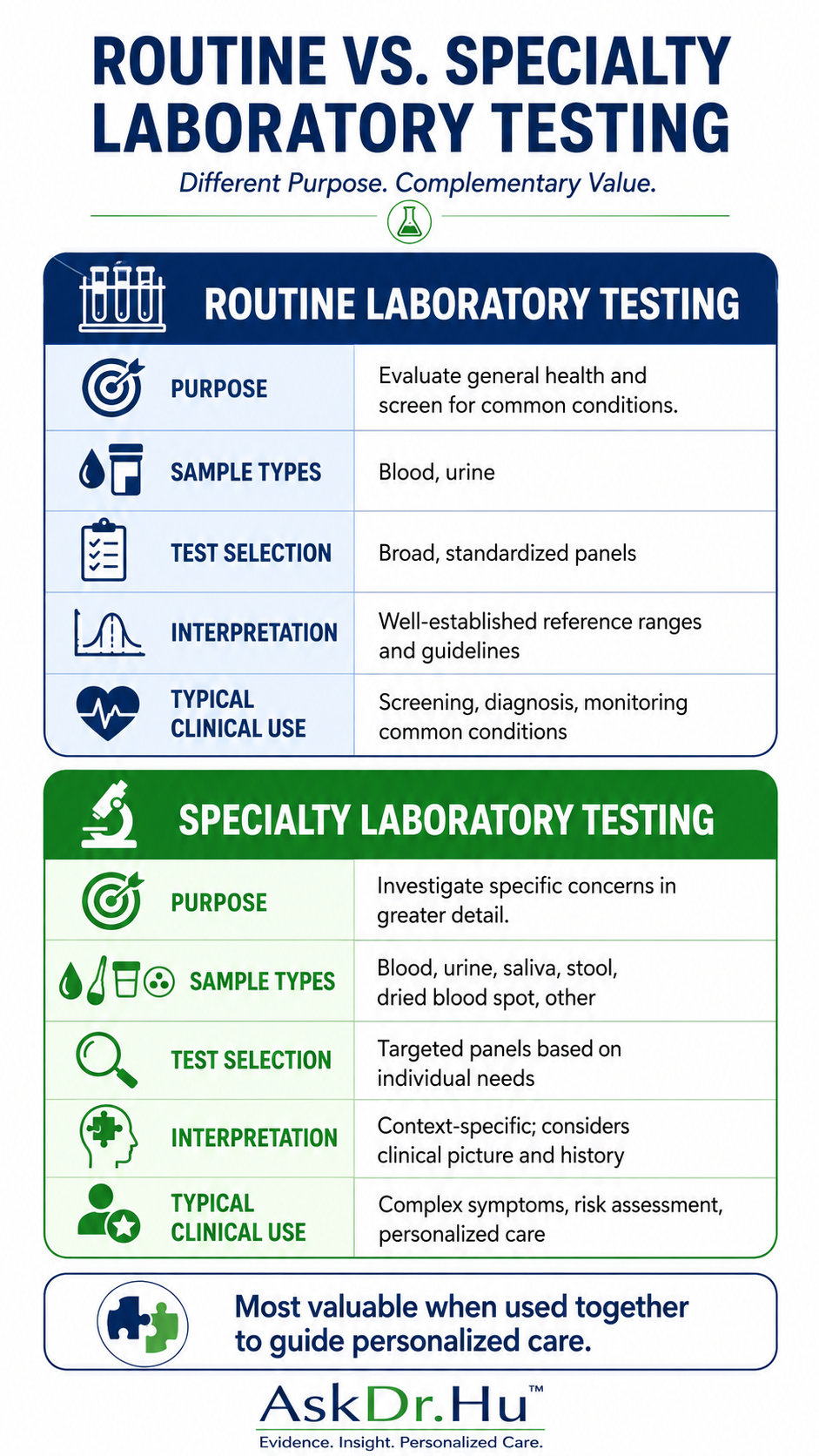
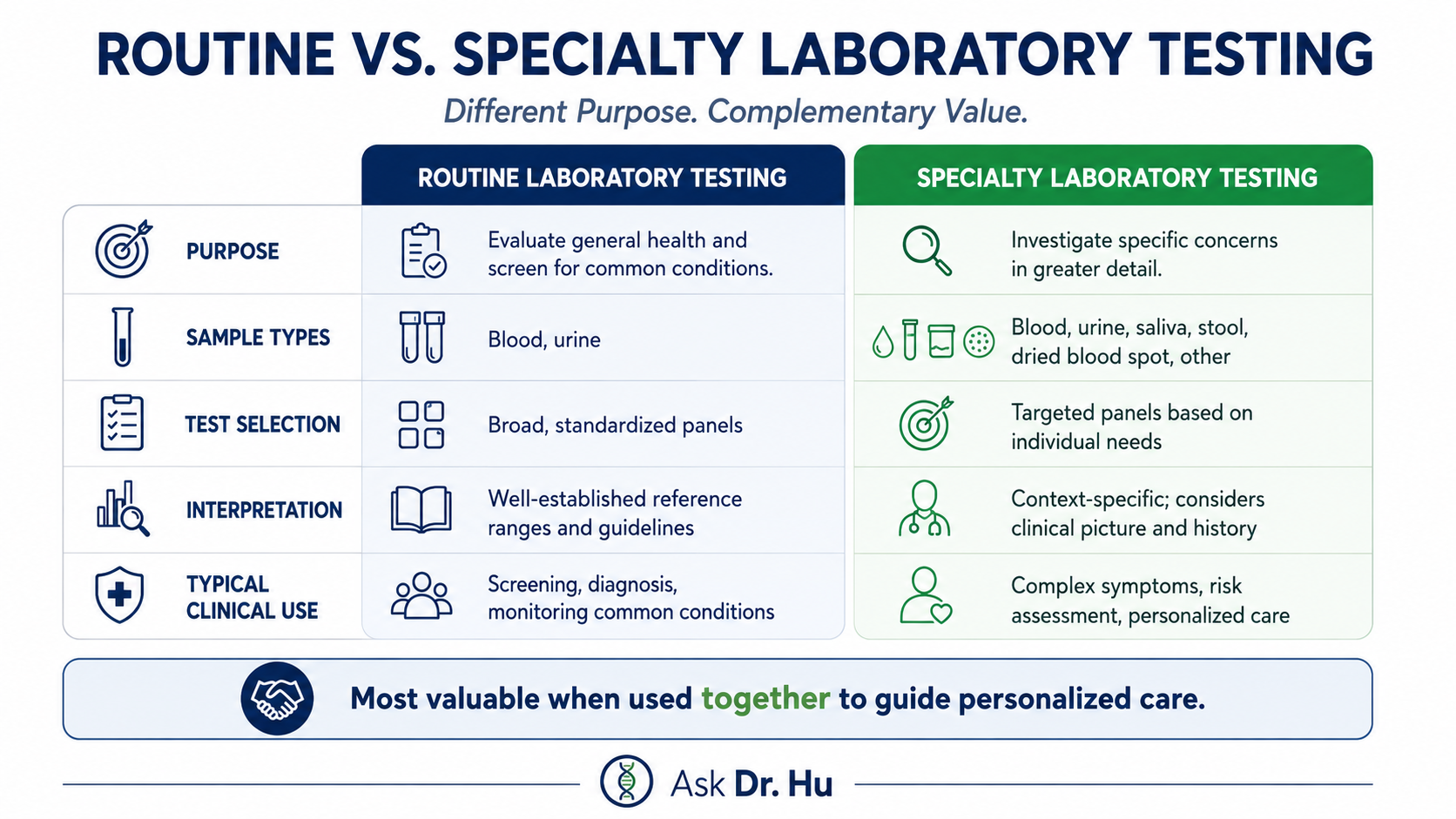
Routine and specialty laboratory testing are not competitors. They serve different purposes and are often most useful when used together.
Routine testing commonly evaluates broad areas such as:
Blood-cell counts
Kidney and liver function
Blood sugar
Electrolytes
Cholesterol
Thyroid function
Iron status
Selected vitamin levels
Medication safety
These tests are widely available and often provide the best starting point for evaluating symptoms, screening for common conditions, or monitoring ongoing treatment.
You can learn more about these foundational tests in our guide to understanding routine laboratory testing and our patient guide to understanding blood work.
Specialty testing may examine a narrower health concern in greater depth or measure a wider group of related markers. For example, a specialty panel might examine advanced cardiovascular markers, hormone metabolism, gastrointestinal function, nutrient relationships, environmental exposures, immune activity, or genetic variations.
A specialty test is not automatically more accurate or more useful simply because it measures more biomarkers. Its value depends on whether the test is appropriate for the clinical question being investigated.
When Might Specialty Laboratory Testing Be Helpful?
Specialty testing may be considered when there is a clear reason to look beyond routine screening.
Persistent or Unexplained Symptoms
Symptoms such as fatigue, digestive discomfort, headaches, difficulty concentrating, sleep disruption, skin changes, reduced exercise tolerance, or changes in overall well-being can have many possible causes.
A careful medical evaluation should usually come first. Depending on the situation, that evaluation may include routine blood work, medication review, physical examination, imaging, or referral to another healthcare professional.
When the initial evaluation does not provide sufficient clarity, focused specialty testing may offer additional information.
A Complex or Multifactorial Health Concern
Some health concerns involve several overlapping factors.
For example, fatigue may be influenced by sleep, anemia, thyroid function, blood-sugar regulation, medication effects, nutritional status, mood, chronic illness, or other conditions. Digestive symptoms may require consideration of diet, infection, inflammation, medication use, gastrointestinal disease, and bowel function.
Specialty testing may help organize selected parts of a complex clinical picture, but it should not be used to prematurely attribute every symptom to a single abnormal biomarker.
More Detailed Risk Assessment
Certain patients may benefit from a more detailed evaluation because of their family history, previous laboratory results, medical conditions, or personal risk factors.
Examples may include a more extensive cardiovascular risk assessment or targeted genetic testing when the result is expected to influence screening, treatment, or preventive planning.
Environmental or Occupational Exposure
Testing may be appropriate when there is a credible history of exposure to a heavy metal, environmental chemical, mold-damaged environment, infectious organism, or occupational hazard.
The decision to test should be based on the type of exposure, timing, symptoms, available testing methods, and whether the result can be interpreted meaningfully.
An isolated laboratory result cannot always establish where an exposure occurred or prove that it caused a particular symptom.
Personalized Treatment Planning
Testing may occasionally help determine whether a particular nutritional, lifestyle, medication, or supplement strategy deserves consideration.
However, a treatment should not be based on a colorful laboratory report alone. The potential benefits, risks, cost, evidence, and alternatives should still be reviewed.
Prevention and Health Optimization
Patients who feel generally well may sometimes consider additional cardiovascular, metabolic, nutritional, hormonal, or genetic assessment.
This should remain targeted. Preventive testing is most valuable when the result could lead to an evidence-informed action rather than simply producing more data.
Our preventive care and health optimization service explains how laboratory data can be combined with medical history, lifestyle, risk factors, and long-term goals.
Common Types of Specialty Laboratory Testing
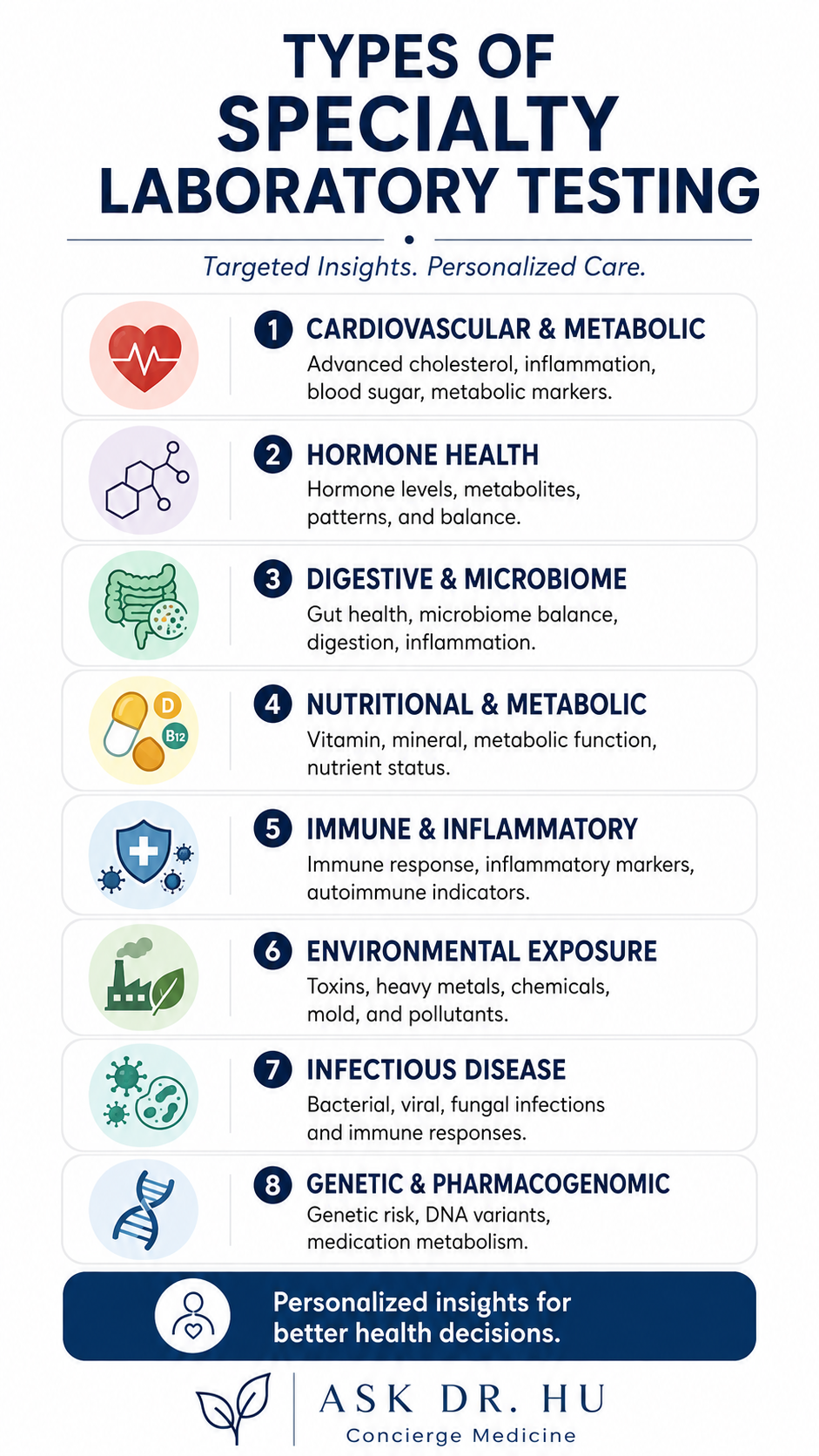
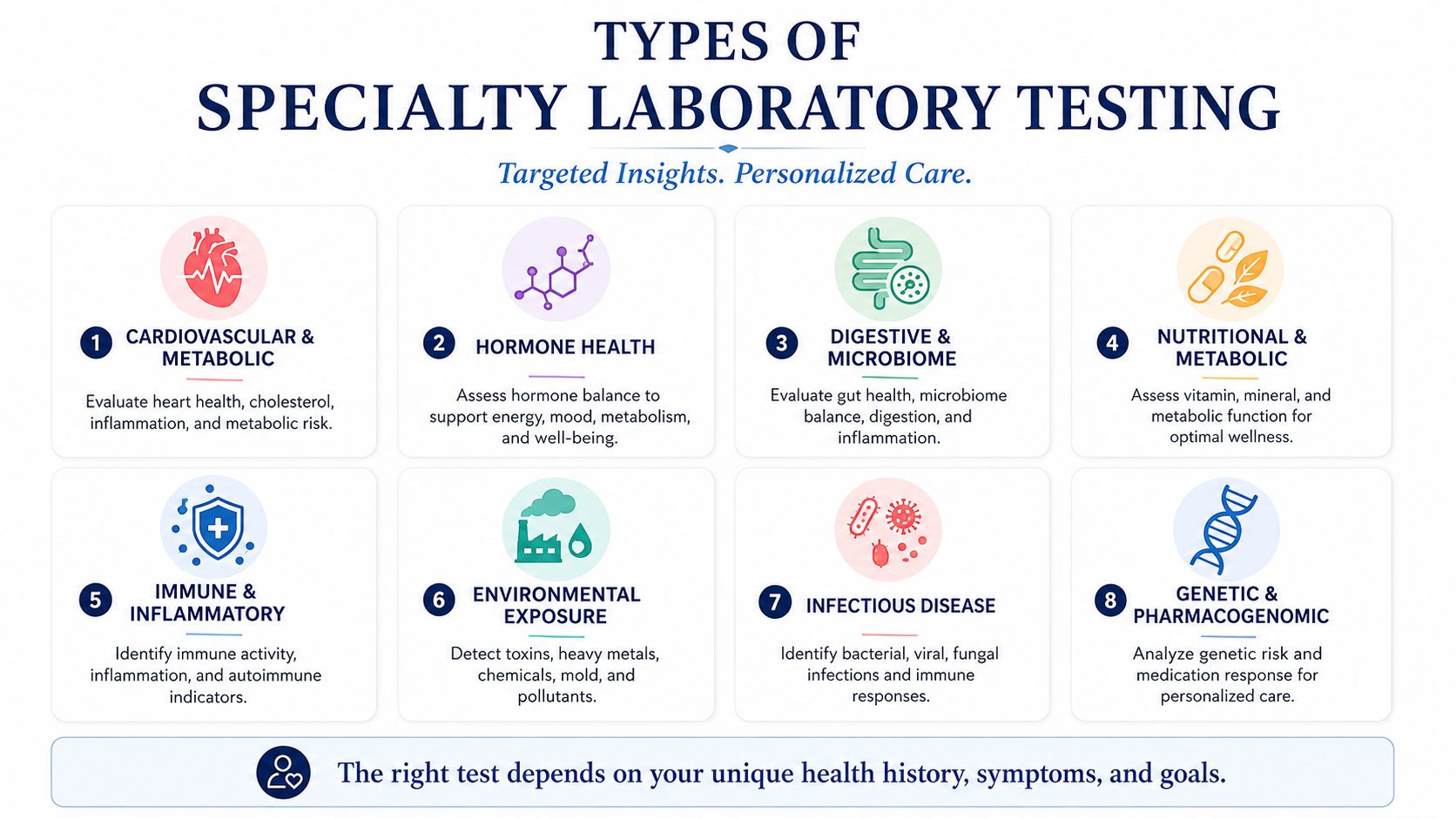
There are many types of specialty tests. The most appropriate option depends on the patient and the clinical question.
Advanced Cardiovascular and Metabolic Testing
A standard lipid panel is an important starting point for evaluating cholesterol and cardiovascular risk. More detailed testing may examine additional lipoproteins, particle patterns, inflammatory markers, blood-sugar regulation, inherited risk factors, or other cardiometabolic biomarkers.
These results should be interpreted alongside established risk factors such as:
Age
Blood pressure
Diabetes
Tobacco exposure
Family history
Physical activity
Body composition
Previous cardiovascular disease
Standard cholesterol measurements
Advanced markers may refine selected decisions, but they do not replace blood-pressure management, diabetes screening, healthy nutrition, exercise, or other established preventive measures.
Nutritional and Metabolic Testing
Nutritional testing may evaluate vitamins, minerals, fatty acids, amino acids, metabolic byproducts, or markers associated with nutrient processing.
Some nutrient tests have well-established clinical applications. Others have more uncertain relationships with symptoms or health outcomes.
A low or high result should be interpreted in relation to:
Dietary intake
Supplement use
Medications
Digestive or absorption disorders
Kidney and liver function
Inflammation
Sample quality
The laboratory method used
Testing should not automatically lead to high-dose supplementation. Excessive intake of certain vitamins or minerals can cause adverse effects.
Hormone Testing
Hormones may be measured through blood, urine, or saliva depending on the hormone and the clinical purpose.
Specialty hormone panels may examine:
Reproductive hormones
Adrenal-related hormones
Hormone metabolites
Daily hormone patterns
Hormone-binding proteins
Selected metabolic relationships
The value of a hormone measurement can depend on the collection time, menstrual-cycle phase, age, medication use, hormone therapy, sleep schedule, acute illness, and specimen type.
Hormonal symptoms should not be diagnosed solely from one result.
Gastrointestinal and Microbiome Testing
Specialty gastrointestinal testing may evaluate stool organisms, digestive markers, inflammatory markers, pancreatic function, intestinal immune activity, microbial metabolites, or selected gastrointestinal pathogens.
These panels may provide useful information in certain circumstances, but the human microbiome is complex. Detecting an organism does not always mean it is causing disease, and failing to detect one organism does not exclude every gastrointestinal condition.
Persistent abdominal pain, gastrointestinal bleeding, unexplained weight loss, persistent vomiting, severe diarrhea, anemia, or other concerning symptoms may require conventional medical evaluation, imaging, endoscopy, or specialist care rather than relying on a specialty stool panel alone.
Immune and Inflammatory Testing
Some specialty panels evaluate antibodies, inflammatory mediators, immune-response patterns, or other markers associated with immune activity.
Abnormal immune markers do not always establish an autoimmune disease, allergy, infection, or inflammatory disorder.
Depending on the result, confirmation through a standard clinical laboratory, additional examination, or consultation with an allergist, immunologist, rheumatologist, gastroenterologist, neurologist, or another specialist may be appropriate.
Infection-Related Testing
Specialty testing may examine antibodies, immune responses, microbial DNA, antigens, or other markers related to selected infections.
The meaning of a result depends on the organism, test method, timing of exposure, immune response, previous treatment, and likelihood that the infection is actually present.
Antibody results may sometimes reflect past exposure rather than active infection. A positive result may require confirmation before treatment, particularly when treatment carries meaningful risks.
Environmental Exposure and Heavy-Metal Testing
Exposure testing may evaluate substances such as lead, mercury, arsenic, or other environmental chemicals.
The correct specimen and collection method are essential. Blood, urine, hair, and other samples do not provide equivalent information, and the most appropriate method depends on the substance and the suspected exposure.
Patients should be cautious about testing performed immediately after a “provocation” or chelation procedure unless the method has a clearly established clinical purpose and interpretation.
Treatment for a suspected environmental exposure should be based on credible exposure history, validated testing, symptoms, and appropriate medical guidance.
Genetic and Pharmacogenomic Testing
Genetic testing can provide information about inherited variants, carrier status, disease susceptibility, medication metabolism, or selected nutritional pathways.
Genetics may influence health, but genes are rarely the only factor involved. Environment, lifestyle, age, other genes, medications, and existing medical conditions can all affect the meaning of a result.
Different consumer genetic tests may examine different variants and therefore produce different conclusions about the same health concern. The FDA advises patients to review clinically important genetic results with a qualified healthcare professional and notes that a genetic result does not represent a person’s complete risk of developing a condition.
What Can Specialty Laboratory Testing Tell You?
Appropriately selected testing may help:
Identify a pattern that deserves further evaluation
Refine a differential diagnosis
Establish a baseline for monitoring
Evaluate a suspected exposure
Clarify whether confirmatory testing is needed
Support a more focused nutrition or lifestyle plan
Help prioritize several possible next steps
Monitor selected aspects of treatment
Facilitate a referral to another healthcare professional
The most valuable result is usually not the result that looks most abnormal. It is the result that is reliable, clinically relevant, consistent with the patient’s history, and capable of changing an appropriate medical decision.
What Specialty Testing Cannot Do
Specialty testing has important limitations.
A specialty laboratory panel generally cannot:
Diagnose every medical condition
Prove that one abnormal marker caused your symptoms
Replace a medical history or physical examination
Exclude every disease when results are normal
Guarantee that a recommended treatment will work
Replace urgent medical evaluation
Determine your complete future health risk
Establish that every detected organism is harmful
Establish that every antibody represents active disease
Turn an association into proof of causation
Patients should be cautious when a test is presented as capable of explaining nearly every symptom or when a treatment program is sold before the results have been properly reviewed.
Understanding Laboratory Accuracy and Clinical Usefulness
Several different questions should be considered when evaluating a laboratory test.
Analytical Validity
Analytical validity asks whether the laboratory can accurately and reliably measure the substance it claims to measure.
For example, if a test claims to measure a particular antibody or nutrient, does the method consistently detect and quantify that marker?
Clinical Validity
Clinical validity asks whether the measured result is meaningfully associated with the disease, symptom, exposure, or health state being evaluated.
A test can measure a biomarker accurately without that biomarker being a reliable way to diagnose a particular condition.
Clinical Utility
Clinical utility asks whether using the result is likely to improve a medical decision or patient outcome.
This is the most practical question:
Will the result change what we appropriately do next?
The Clinical Laboratory Improvement Amendments, commonly called CLIA, establish federal quality standards intended to help ensure that patient laboratory results are accurate, reliable, and timely.
CLIA certification is an important laboratory-quality requirement. However, it does not automatically mean that every claimed clinical interpretation of every test has been independently demonstrated to improve patient outcomes.
Some tests have undergone FDA review, while others may be laboratory-developed tests or fall under a different regulatory pathway. The regulatory status and available evidence can vary substantially between tests.
Why More Testing Is Not Always Better
It can be tempting to believe that measuring hundreds of biomarkers must provide a more complete picture of your health.
In reality, testing a very large number of markers can make interpretation more difficult.
Every laboratory measurement has some degree of biological and analytical variation. When many markers are tested, it becomes increasingly likely that at least some results will fall outside their reference ranges even when they are not clinically important.
This can lead to:
Unnecessary worry
Repeated laboratory testing
Additional expense
Inappropriate supplements or medications
Incorrect diagnoses
Unnecessary dietary restrictions
Delayed evaluation of the actual problem
The likelihood that a positive result represents a true condition also depends on how likely that condition was before testing. This is one reason targeted testing is usually more useful than ordering an extensive panel without a clear clinical question.
Laboratory errors or misleading results can occur during patient preparation, specimen collection, transportation, analysis, reporting, or interpretation. Appropriate test selection and specimen handling reduce the risk of false-positive and false-negative findings.
How Physicians Select Specialty Laboratory Tests
Specialty testing should begin with a clinical evaluation—not a laboratory catalog.
1. Define the Clinical Question
The first step is identifying what the test is intended to clarify.
Examples include:
Is there evidence of a particular exposure?
Is a nutritional deficiency plausible?
Does a cardiovascular marker meaningfully affect risk management?
Is an infection likely enough to justify testing?
Could the result change treatment?
Would conventional testing be more appropriate first?
2. Review Previous Testing
Existing blood work, imaging, specialist notes, medication history, and previous diagnoses should be reviewed before ordering a new panel.
This helps avoid unnecessary duplication and may reveal that a standard test has not yet been completed.
3. Select the Most Focused Test
The largest panel is not automatically the best choice.
A smaller, targeted panel may be easier to interpret, less expensive, and more likely to answer the clinical question.
4. Discuss Benefits, Limitations, and Costs
Before testing, patients should understand:
Why the test is being recommended
What the test measures
What the results may and may not establish
Whether confirmation may be necessary
How much the testing will cost
Whether insurance may provide coverage
How the results could affect care
5. Plan for Interpretation Before Ordering
A test should not be ordered without considering what will happen after the result is available.
Possible next steps might include observation, repeating the test, conventional confirmation, lifestyle changes, medication review, referral, or no immediate action.
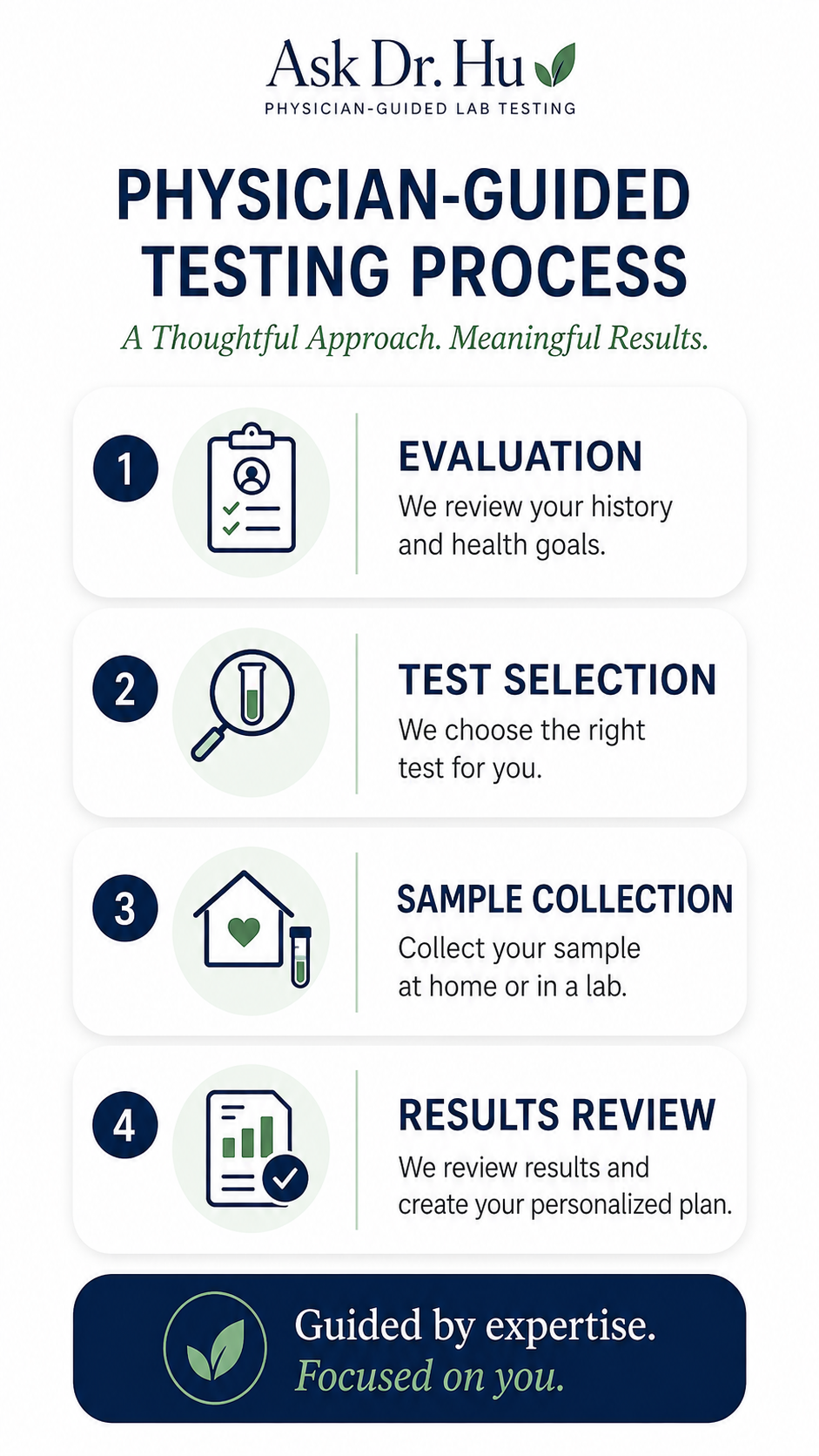
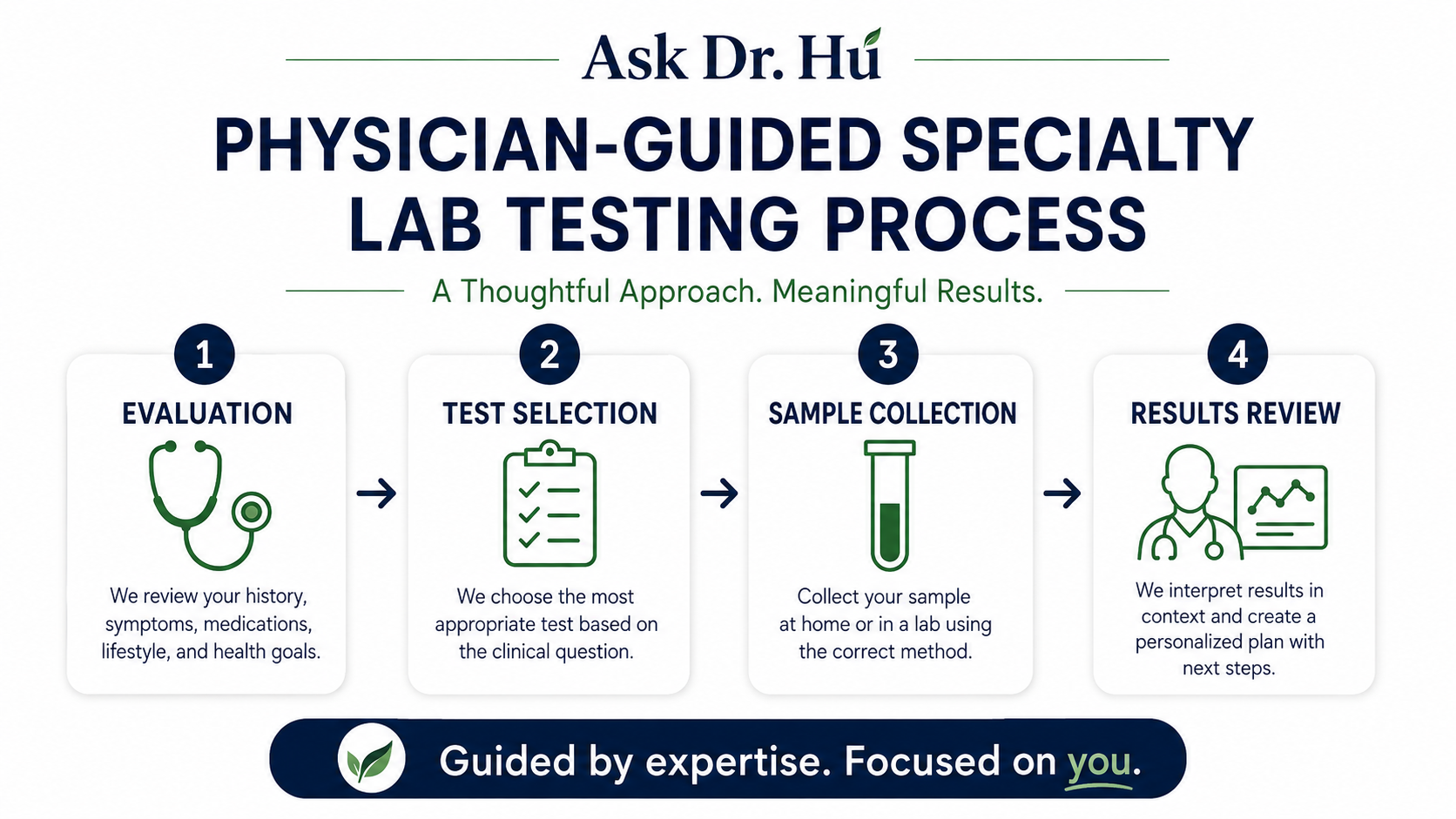
At Ask Dr. Hu, specialty testing is selected according to the patient’s symptoms, medical history, previous laboratory findings, exposures, risk factors, and personal goals. Available options include select Vibrant Wellness panels and other advanced testing when clinically appropriate. Learn more about our physician-guided specialty laboratory testing service.
How to Prepare for Specialty Laboratory Testing
Preparation instructions vary considerably between tests.
Depending on the panel, you may be asked to:
Fast for a specified period
Collect the sample at a particular time
Complete the test during a certain menstrual-cycle phase
Avoid strenuous exercise before collection
Maintain your normal diet
Temporarily avoid selected supplements
Collect saliva at several times during the day
Collect urine over a specified period
Complete a stool-collection kit
Schedule a blood draw
Freeze or refrigerate a specimen
Ship the sample on a particular day
Follow the directions for your specific test rather than assuming that all laboratory preparation is the same.
Tell your physician about all medications, vitamins, herbs, hormones, and other supplements you take. Certain substances can interfere with laboratory methods or temporarily change biological measurements.
Do not stop a prescription medication unless the prescribing clinician specifically instructs you to do so.
At-Home Collection Versus Laboratory Collection
Some specialty tests can be collected at home using saliva, urine, stool, cheek-swab, or dried-blood-spot kits.
Other panels require a venous blood draw or professional specimen collection.
At-home testing can be convenient, but sample quality remains important. Incorrect timing, incomplete collection, contamination, improper storage, or delayed shipping can affect the result.
At Ask Dr. Hu, the selected panel may use blood, dried blood spot, urine, saliva, stool, or a combination of specimens. Collection requirements are reviewed before the testing kit is completed.
How Specialty Laboratory Results Are Interpreted
Laboratory interpretation involves more than identifying which values are highlighted in red.
A physician may consider:
The reason the test was ordered
Your symptoms
Your medical and family history
Medications and supplements
Dietary patterns
Possible exposures
Timing of collection
Sample quality
Other laboratory results
Trends over time
The strength of evidence supporting the marker
Whether the result requires confirmation
Whether acting on the result is likely to help
A reference range is a statistical tool. It is not always the same as a diagnostic threshold or an ideal treatment target.
A mildly abnormal result may be unimportant, while a result inside the reference interval may still deserve attention when it has changed significantly over time or conflicts with other clinical findings.
Results are usually most useful when interpreted as a pattern rather than as isolated numbers.
What Happens After Your Results Are Available?
Physician Review
Your physician reviews the complete report and identifies which results appear most clinically relevant.
Large reports may contain many borderline or incidental findings. These should not all be treated equally.
Results Consultation
During your follow-up visit, your physician should explain:
What the major findings mean
Which findings may be incidental
Which results need confirmation
How the findings relate to your symptoms
What the test cannot establish
Which next steps are reasonable
Confirmatory Evaluation
A specialty result may occasionally need to be repeated or confirmed through a conventional laboratory, imaging study, physical examination, or specialist evaluation.
Confirmation is particularly important when the proposed diagnosis or treatment could have significant medical, financial, or emotional consequences.
Personalized Plan
Depending on the findings, next steps may include:
Nutrition or lifestyle changes
Medication review
Carefully selected supplementation
Additional conventional testing
Referral to another healthcare professional
Environmental investigation
Monitoring without immediate treatment
Repeat testing after an appropriate interval
Not every abnormal result requires treatment.
How Much Does Specialty Laboratory Testing Cost?
Costs vary widely depending on:
The laboratory
Number of biomarkers
Type of specimen
Collection requirements
Shipping requirements
Complexity of interpretation
Whether physician consultations are included
Whether confirmatory testing is required
Specialty tests are frequently not covered by insurance or may be considered out-of-network or noncovered services. Patients should verify benefits directly with their insurance company when coverage is important.
Ask for a written explanation of the expected cost and what the testing package includes before authorizing the test.
Current pricing and included services for Ask Dr. Hu testing packages are listed on our specialty laboratory testing page.
Questions to Ask Before Ordering a Specialty Test
Consider asking your physician:
What clinical question are we trying to answer?
Is there a routine test that should be completed first?
How reliable is this testing method?
What are the major limitations?
How would a positive result affect my care?
How would a negative result affect my care?
Could the result require confirmation?
What will the test and follow-up consultation cost?
Does the laboratory hold appropriate certification?
Are there risks associated with acting on the result?
A useful test should have a clear purpose and a reasonable plan for what happens next.
Frequently Asked Questions
-
The terms often overlap, but there is no single universal definition. “Functional testing” is commonly used for panels intended to evaluate biological pathways or patterns beyond routine screening. The quality and usefulness of an individual test should be assessed based on the specific method and clinical evidence rather than the label used to market it.
-
No.
Many patients can receive an appropriate evaluation using medical history, physical examination, routine laboratory testing, imaging, and other established diagnostic methods.
Specialty testing is most appropriate when there is a specific reason to believe that additional information may influence care.
-
Some specialized tests are used diagnostically, but many specialty panels should not be used alone to establish a diagnosis.
An abnormal result may need to be confirmed and interpreted alongside symptoms, examination findings, conventional testing, and established diagnostic criteria.
-
Accuracy varies between tests.
A laboratory may be able to measure a biomarker reliably while the clinical meaning of that biomarker remains uncertain. Patients should consider analytical validity, clinical validity, clinical usefulness, specimen handling, and the qualifications of the laboratory and interpreting clinician.
-
Some tests can be completed at home using urine, saliva, stool, dried blood spot, or cheek-swab collection.
Other tests require a professional blood draw. Carefully following collection, storage, and shipping instructions is essential.
-
No.
A normal specialty panel does not exclude every possible medical condition. Some illnesses require different laboratory methods, imaging, physical examination, specialist evaluation, or observation over time.
-
Not necessarily.
An abnormal result may reflect biological variation, an incidental finding, collection conditions, medication use, temporary illness, laboratory variation, or a marker that has uncertain clinical significance.
The result should be evaluated before treatment is started.
-
Coverage varies by insurance plan and by test. Many specialty panels are not covered or require patients to pay directly.
Ask the laboratory and your insurer about expected coverage before completing testing.
-
Turnaround time depends on the laboratory, specimen, and complexity of the panel. Some results are available within several days, while more extensive testing may require several weeks.
Your physician should provide an estimated turnaround time when the test is ordered.
Final Thoughts
Specialty laboratory testing can provide valuable information when it is selected for a clear reason and interpreted responsibly.
Its purpose is not to replace routine medical care or generate the greatest possible amount of data. Its purpose is to help answer a meaningful clinical question.
The most effective testing strategy usually combines:
A detailed medical history
Appropriate physical examination
Review of previous records
Conventional laboratory testing when indicated
Carefully selected specialty testing
Thoughtful interpretation
Confirmation when necessary
A realistic plan for what happens next
At Ask Dr. Hu, we use a physician-guided approach to specialty laboratory testing. We begin by reviewing your symptoms, previous testing, medications, lifestyle, exposures, concerns, and health goals. When advanced testing is appropriate, we help select a focused panel, explain its limitations, and review the results with you in detail.


Explore our specialty laboratory testing services, visit our growing physician resource library, or contact Ask Dr. Hu to request a consultation.
Information on this page is provided for general educational purposes and does not replace individualized medical advice, diagnosis, or treatment. Laboratory testing recommendations should be based on your medical history, symptoms, risk factors, and consultation with a qualified healthcare professional.
Interested in Specialty Laboratory Testing?
This article is intended for general educational purposes and does not constitute medical, legal, employment, disability, or insurance advice.