Can Pain Be Treated Without Surgery?
Written by YiQiu Hu, NMD
Arizona-licensed naturopathic physician and virtual concierge medicine provider
Published August 2026 | Medically reviewed August 2026
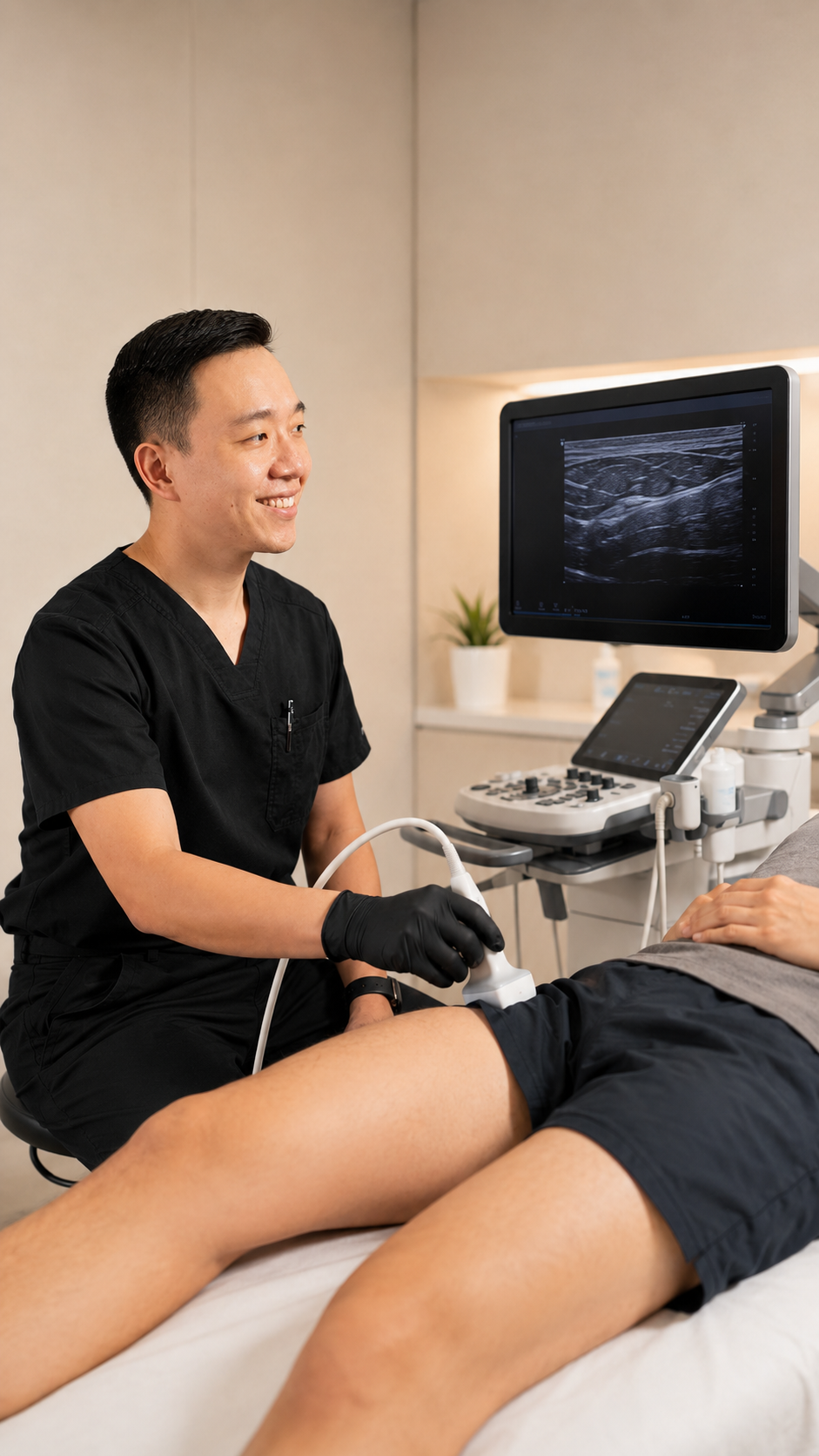
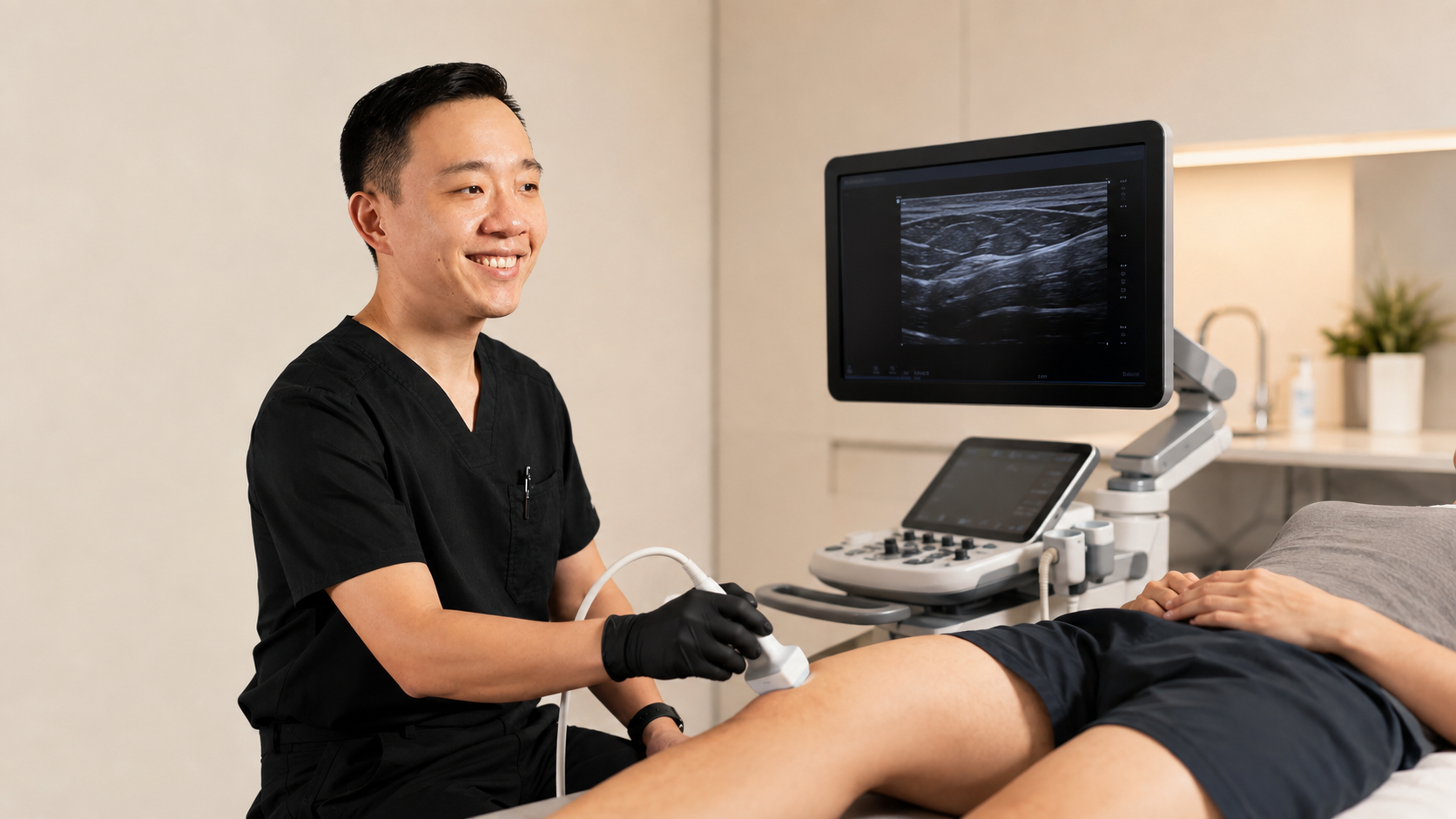
Yes. Many types of musculoskeletal pain can be treated without surgery. Depending on the cause of the pain, treatment may include rehabilitation and exercise, activity modification, medications, acupuncture or dry needling, targeted injections, ultrasound-guided procedures, and other conservative or integrative approaches.
Surgery can be necessary for certain injuries and medical conditions, but it is not automatically the first step simply because pain is persistent or severe.
The most appropriate approach begins with identifying why you are hurting and which structures may be contributing to the problem. A personalized treatment plan can then be developed around your diagnosis, overall health, activity goals, previous treatments, and preferences.
If you are exploring nonsurgical options, you can learn more about integrative pain management at Ask Dr. Hu.
Does Having Chronic Pain Mean I Will Eventually Need Surgery?
No.
Chronic pain does not automatically mean that a joint, tendon, muscle, spine, or other structure needs to be surgically repaired.
Pain is complex. The amount of pain someone experiences does not always correspond directly with the amount of structural change visible on an X-ray or MRI. Age-related changes, arthritis, disc degeneration, tendon abnormalities, and other imaging findings may sometimes be present even in people who have relatively little pain.
For that reason, treatment decisions should generally consider the entire clinical picture, including:
Where the pain is located
How and when the pain started
Activities that make it better or worse
Physical examination findings
Strength and range of motion
Neurologic symptoms
Previous injuries
Previous treatments and their results
Imaging findings when clinically relevant
Medical history
Current medications
Functional limitations
Personal treatment goals
Understanding the suspected source of the symptoms can help determine whether conservative treatment, a targeted procedure, additional diagnostic testing, or a surgical consultation is appropriate.
You can also read What Types of Pain Can Integrative Pain Management Treat? for examples of conditions that may benefit from evaluation.
What Types of Pain May Be Treated Without Surgery?
Nonsurgical treatment may be considered for many common musculoskeletal problems.
Depending on the diagnosis and severity, these may include:
Back pain
Neck pain
Shoulder pain
Knee pain
Hip pain
Elbow pain
Wrist pain
Ankle and foot pain
Osteoarthritis
Tendon pain or tendinopathy
Muscle strains
Ligament injuries
Myofascial pain
Trigger points
Certain nerve-related pain conditions
Overuse injuries
Sports-related injuries
Some degenerative joint and spine conditions
Whether a particular condition can be appropriately treated without surgery depends on its cause and severity.
For example, one patient with knee pain may primarily need rehabilitation and strengthening, while another may benefit from an injection or additional imaging. A patient with a severe traumatic injury or advanced structural problem may instead require orthopedic evaluation.
There is therefore no single nonsurgical treatment that is appropriate for every type of pain.
What Nonsurgical Treatments Are Available for Pain?
There are many ways to approach pain without immediately turning to surgery.
The best treatment often involves combining several strategies rather than relying on one therapy alone.
Exercise and Rehabilitation
Movement and rehabilitation are important components of treatment for many musculoskeletal conditions.
Depending on the problem, rehabilitation may focus on:
Strength
Flexibility
Mobility
Stability
Balance
Movement mechanics
Gradual return to activity
Improving tolerance for daily activities
For many common pain conditions, remaining appropriately active is preferable to prolonged inactivity.
The American College of Physicians has recommended several noninvasive approaches for low-back pain, including exercise and selected nonpharmacologic therapies, depending on whether symptoms are acute or chronic.
A physician may recommend formal physical therapy, a structured rehabilitation program, or an individualized home exercise plan depending on your condition.
Activity Modification
Sometimes the painful structure needs time to recover while activity is temporarily adjusted.
This does not necessarily mean complete rest.
Activity modification might involve temporarily changing:
Exercise intensity
Repetitive movements
Work-related activities
Running or jumping volume
Lifting technique
Ergonomics
Sports participation
The goal is usually to reduce unnecessary aggravation while maintaining as much appropriate movement and function as possible.
Nonopioid Medications
Medication can sometimes help manage symptoms while the underlying problem is being addressed.
Depending on the condition and the patient's medical history, options may include medications such as acetaminophen, topical medications, or nonsteroidal anti-inflammatory drugs.
Medication decisions should be individualized because even commonly used over-the-counter medications can have contraindications, drug interactions, or potential side effects.
Current CDC guidance recommends maximizing appropriate nonopioid and nonpharmacologic therapies for subacute and chronic pain before considering opioid therapy.
Acupuncture and Dry Needling
Acupuncture and dry needling may be incorporated into treatment for selected musculoskeletal pain conditions.
These approaches use thin needles placed at specific locations or into targeted muscles and trigger points.
They may be considered as part of a broader treatment plan for conditions involving muscular tension, myofascial pain, or certain musculoskeletal symptoms.
Their usefulness varies depending on the condition, and they should not be viewed as substitutes for diagnosing an underlying injury when additional evaluation is needed.
Targeted Injection Therapy
Some patients may benefit from injections directed toward a particular joint, tendon region, nerve, ligament, or other musculoskeletal structure.
Depending on the diagnosis, treatment options may include:
Joint injections
Trigger-point injections
Perineural injections
Selected nerve blocks
Corticosteroid injections
Prolotherapy
Platelet-rich plasma, or PRP, procedures
These treatments are not interchangeable.
The appropriate injection depends on what is believed to be generating the pain, the health of the surrounding tissues, the patient's medical history, previous treatments, and the goals of care.
The evidence for individual injection treatments also varies significantly depending on the condition being treated. A procedure that may be reasonable for one diagnosis may have limited benefit for another.
Ultrasound-Guided Procedures
Musculoskeletal ultrasound can allow a physician to visualize structures such as muscles, tendons, joints, nerves, blood vessels, and certain ligaments in real time.
When clinically appropriate, ultrasound may also be used to guide the placement of a needle during an injection.
This can be particularly useful when treatment needs to be directed toward a specific anatomical structure.
Ask Dr. Hu offers selected ultrasound-guided and integrative pain-management services after an appropriate medical evaluation.
Lifestyle Factors
Pain treatment does not always stop at the injured joint or painful muscle.
Sleep, physical activity, body weight, nutrition, stress, recovery, smoking, metabolic health, and other factors can influence recovery and the way chronic pain affects daily life.
Addressing these issues will not eliminate every structural problem, but they may form an important part of a comprehensive treatment plan.
Is Conservative Treatment Always Tried Before Surgery?
Not always, but frequently.
For many musculoskeletal conditions, an initial period of conservative treatment is reasonable when there are no signs that immediate surgical intervention is necessary.
This may include some combination of:
Rehabilitation
Appropriate exercise
Activity modification
Medication
Physical therapy
Acupuncture or dry needling
Injection therapy
Lifestyle changes
Monitoring over time
The response to treatment can also provide useful clinical information.
For example, improving strength and function over several weeks may support continuing conservative care. Persistent or worsening symptoms despite appropriate treatment may prompt additional imaging, diagnostic evaluation, or referral to an orthopedic, neurologic, or other specialist.
If you are new to this type of approach, our Patient's Guide to Integrative Pain Management explains how an evaluation and individualized treatment process may work.
How Long Should I Try Nonsurgical Treatment?
There is no universal time period.
The appropriate duration depends on:
The diagnosis
Severity of the injury
How long symptoms have been present
Whether symptoms are improving
Your functional limitations
Your age and overall health
Imaging findings
Neurologic findings
The treatment being attempted
Your personal goals
A mild muscular or overuse injury may improve relatively quickly.
Chronic tendon problems, arthritis, or long-standing back pain may require a longer rehabilitation and treatment process.
Rather than focusing only on a predetermined number of weeks, physicians often monitor whether meaningful progress is occurring.
Important measures may include improvements in:
Walking
Strength
Range of motion
Sleep
Exercise tolerance
Work activities
Daily activities
Ability to participate in hobbies
Overall quality of life
Pain intensity matters, but improved function is also an important treatment goal.
Can Nonsurgical Treatment Completely Eliminate Pain?
Sometimes, but that cannot be guaranteed.
Some painful conditions can resolve completely. Others are better viewed as conditions that can be improved or managed over time.
For example, treatment may not reverse every age-related or degenerative change within a joint or spine. It may nevertheless be possible to substantially improve function and reduce symptoms through rehabilitation, lifestyle strategies, medication, procedures, or a combination of treatments.
The objective of pain management should therefore be broader than simply reaching a pain score of zero.
A successful plan may help you:
Move more comfortably
Return to exercise
Sleep better
Work with fewer limitations
Reduce pain flares
Improve strength and mobility
Participate in hobbies again
Use fewer symptom-relieving medications when clinically appropriate
Maintain independence and function
When Might Surgery Be Necessary?
Although many pain problems can be managed nonsurgically, surgery remains an important and sometimes necessary treatment.
A surgical evaluation may be appropriate when there is:
A serious traumatic injury
Significant structural instability
Certain fractures
Severe joint damage
Progressive neurologic impairment
Significant weakness caused by nerve compression
A condition unlikely to heal adequately without surgical repair
Persistent disabling symptoms despite appropriate conservative treatment
Surgical decisions should consider the diagnosis, expected benefits, potential risks, available alternatives, and how severely the condition is affecting the patient's function and quality of life.
Seeking a surgical opinion also does not mean that you have committed to surgery. A specialist consultation can help clarify the available options.
Are There Symptoms That Should Not Wait for Routine Pain Management?
Yes.
Routine pain-management appointments are not appropriate for medical emergencies.
Seek urgent or emergency medical evaluation for symptoms such as:
Severe trauma
Sudden or rapidly worsening weakness
New paralysis
New loss of bowel or bladder control
Numbness around the groin or saddle region
Severe pain associated with significant fever or signs of serious infection
Chest pain
Difficulty breathing
Stroke-like symptoms
Rapidly worsening swelling or other concerning acute symptoms
These situations require evaluation for potentially serious underlying medical conditions rather than routine conservative pain management.
How Is the Right Nonsurgical Treatment Chosen?
The most important step is usually not choosing a procedure.
It is establishing the best possible understanding of the problem first.
At an integrative pain-management evaluation, the physician may review:
Your symptoms and how they began
Your medical and injury history
Previous treatments
Current medications
Previous X-rays, MRI studies, or other imaging
Physical examination findings
Strength, mobility, and neurologic findings when appropriate
Your functional limitations
Your treatment goals
Additional imaging or diagnostic testing may sometimes be recommended, but it is not automatically necessary for every patient before treatment begins.
The resulting plan may involve a single treatment or, more commonly, several approaches used together.
This individualized process is central to integrative pain management.
Can Pain Be Treated Without Surgery? The Bottom Line
Yes. Many pain conditions can be treated without surgery, and surgery is not automatically the first or only option for persistent musculoskeletal pain.
Treatment may involve rehabilitation, exercise, activity modification, medications, acupuncture or dry needling, ultrasound-guided procedures, targeted injections, lifestyle strategies, or combinations of these approaches.
The correct treatment depends on the underlying cause of the pain rather than simply how much it hurts.
At the same time, nonsurgical treatment is not appropriate for every condition. Serious injuries, progressive neurologic problems, certain structural abnormalities, and symptoms that fail to improve despite appropriate conservative care may require specialist or surgical evaluation.
A careful medical evaluation can help determine which path makes the most sense.
You can explore additional educational articles in our Integrative Pain Management Resource Center.
Considering Nonsurgical Pain Treatment in Arizona?
Ask Dr. Hu provides individualized integrative pain-management evaluations for patients in Arizona.
Your evaluation may include a review of your symptoms, previous imaging and treatment, medical history, physical examination findings, and functional goals before treatment options are discussed.
Depending on the condition, recommendations may include conservative care, rehabilitation, acupuncture or dry needling, diagnostic ultrasound, selected ultrasound-guided injections or other targeted procedures, additional testing, or referral to another specialist.
Contact Ask Dr. Hu to request a pain-management evaluation.
Treatment recommendations are individualized. Not every patient or medical condition is appropriate for injection therapy or other procedures, and no specific outcome can be guaranteed.
Medical Review & Editorial Standards
This article was written for patient education by YiQiu Hu, NMD, an Arizona-licensed naturopathic physician.
Information regarding nonsurgical and nonopioid pain-management approaches was reviewed alongside guidance from the Centers for Disease Control and Prevention regarding nonopioid therapies for pain and clinical guidance from the American College of Physicians regarding evidence-based treatment of musculoskeletal conditions. Current CDC guidance favors maximizing appropriate nonpharmacologic and nonopioid treatments for subacute and chronic pain.
Pain treatment should be individualized according to the underlying diagnosis, medical history, medications, examination findings, imaging when appropriate, treatment goals, and potential risks and benefits of available therapies.
This information is intended for general educational purposes and does not replace individualized medical advice, diagnosis, or treatment and does not establish a physician-patient relationship.
Last medically reviewed: August 2026
About the Author
YiQiu Hu, NMD
Dr. YiQiu Hu is an Arizona naturopathic physician and founder of Ask Dr. Hu. He provides concierge medicine, preventive healthcare, health optimization, diagnostic evaluation, and individualized medical care for patients throughout Arizona. His clinical interests include integrative pain management, laboratory medicine, medical weight management, hormone care, preventive healthcare, and the ongoing management of complex health concerns.
Dr. Hu's approach emphasizes thorough medical evaluation, clear explanations, evidence-informed treatment options, and helping patients understand the potential benefits, limitations, and alternatives of their treatment choices.
He earned his Doctor of Naturopathic Medicine degree from Sonoran University of Health Sciences and a Bachelor of Science in Biomedical Sciences from Northern Arizona University.