Conservative Treatment: Evidence-Based Options for Musculoskeletal Pain
Written by YiQiu Hu, NMD
Arizona-licensed naturopathic physician and virtual concierge medicine provider
Published August 2026 | Medically reviewed August 2026
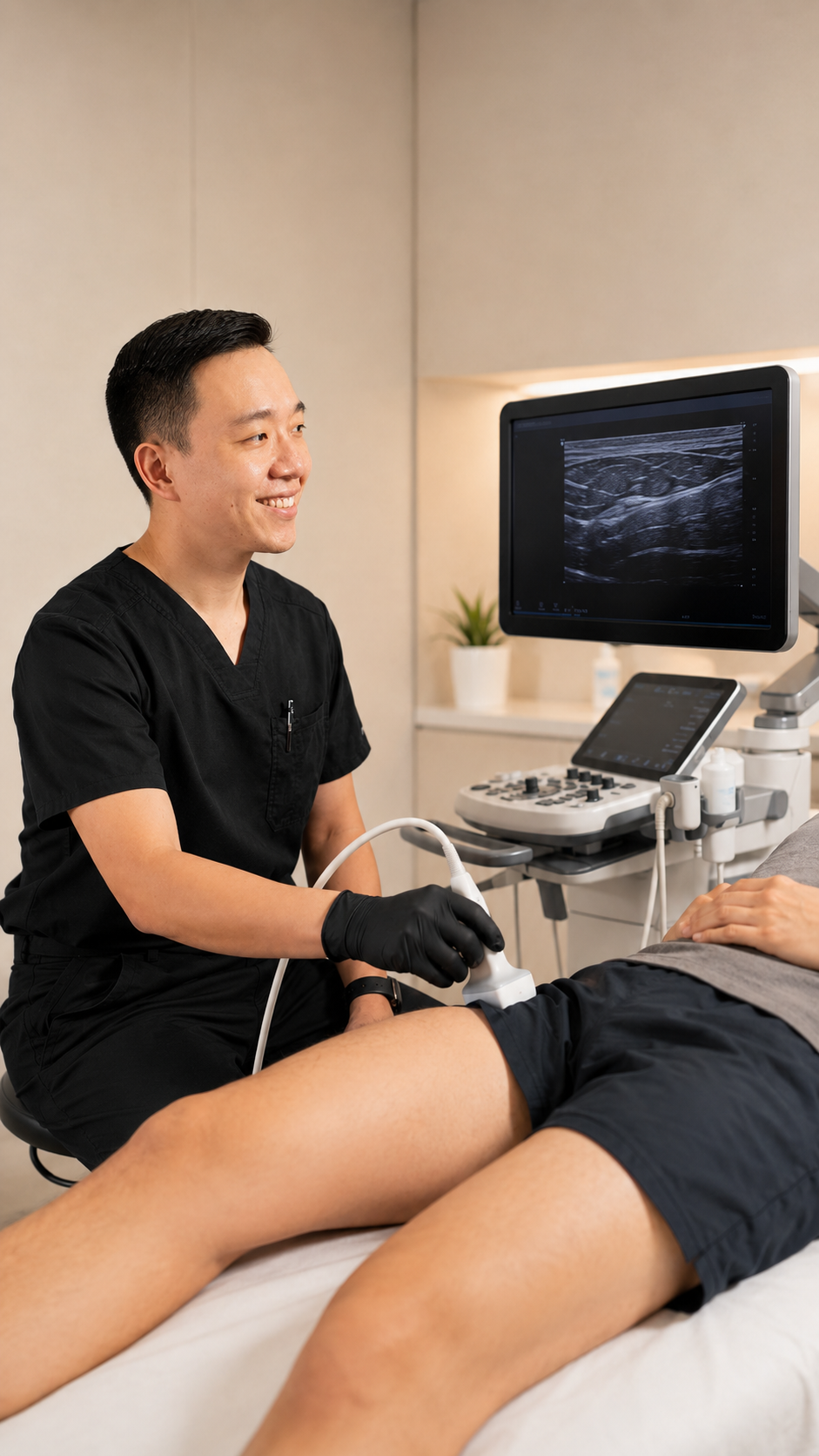
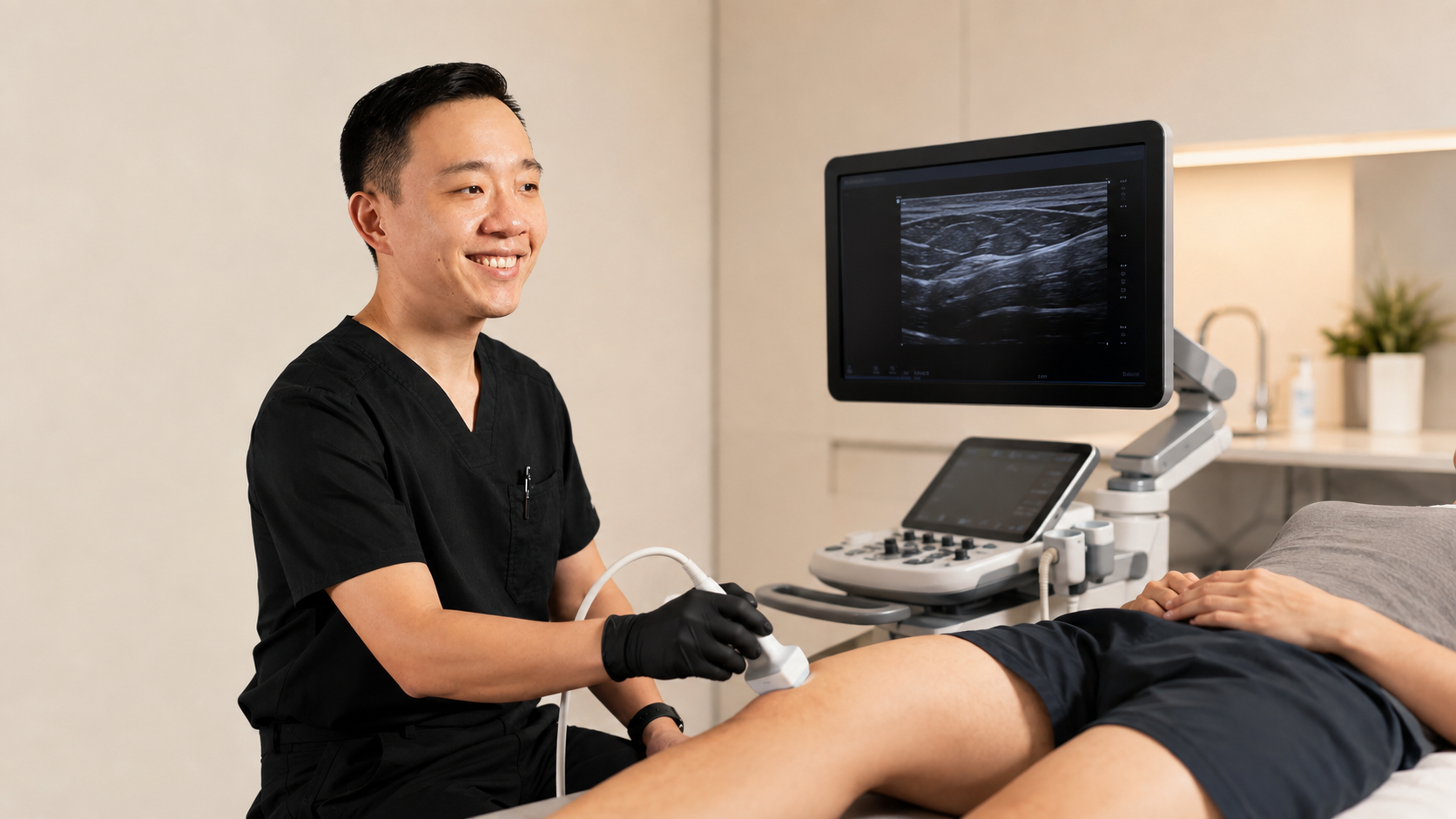
Musculoskeletal pain does not automatically mean that you need an injection, procedure, or surgery.
For many conditions involving muscles, tendons, ligaments, joints, and the spine, treatment begins with a combination of conservative therapies designed to reduce symptoms, restore movement, improve strength, and allow the affected tissues to recover.
Conservative treatment does not mean simply resting and hoping the problem goes away. In many cases, an effective conservative plan is active and structured. It may involve therapeutic exercise, physical therapy, activity modification, medications, supportive devices, manual therapies, lifestyle changes, and gradual progression back to normal activity.
The appropriate treatment depends heavily on what is actually causing the pain.
That is why conservative treatment should ideally follow an appropriate musculoskeletal evaluation rather than being applied as the same generic treatment to every painful knee, shoulder, back, or joint.
At Ask Dr. Hu, this individualized approach is part of our broader philosophy of integrative pain management, which combines medical evaluation with conservative, rehabilitative, complementary, and procedural treatment options when appropriate.
What Is Conservative Treatment?
In musculoskeletal medicine, conservative treatment generally refers to treatments that attempt to improve pain and function without major surgery.
Depending on the condition, conservative treatment may include:
Activity modification
Therapeutic exercise
Physical therapy
Strengthening and mobility work
Heat or cold therapy
Nonopioid medications
Topical medications
Bracing, taping, or supportive devices
Manual therapy
Acupuncture
Weight management when clinically relevant
Sleep and recovery optimization
Ergonomic or biomechanical changes
A gradual return to activity
Some clinicians also use the term more broadly to include selected minimally invasive procedures performed before surgery. However, injections and other procedures are better considered separately from strictly noninvasive conservative therapy.
The important point is that conservative treatment is not a single treatment.
It is a treatment strategy.
Why the Diagnosis Matters Before Choosing Treatment
"Knee pain," "shoulder pain," and "back pain" describe where something hurts. They do not necessarily tell us why it hurts.
Shoulder pain, for example, may arise from a rotator-cuff tendon, bursa, joint, cervical nerve, muscular trigger point, or another structure.
Knee pain might involve osteoarthritis, a meniscus, tendon, ligament, patellofemoral mechanics, referred pain, or an inflammatory condition.
Even treatments that are considered relatively low risk may be ineffective when they are directed at the wrong problem.
For this reason, an individualized pain-management plan begins by considering:
How the symptoms started
Where the pain is located
Which movements worsen or relieve it
Whether weakness, numbness, or instability is present
Previous injuries
Occupational and recreational demands
Medical conditions
Previous treatments
Physical examination findings
Imaging, when clinically appropriate
You can learn more about the evaluation process in our integrative pain-management resources.
1. Activity Modification Without Unnecessary Immobilization
One of the first steps in treating many musculoskeletal injuries is temporarily modifying the activity that aggravates the affected tissue.
This does not necessarily mean complete rest.
For example, someone with an irritated tendon may temporarily reduce heavy loading, repetitive movements, or a particular exercise while continuing other activities that do not significantly aggravate the condition.
This concept is sometimes called relative rest.
The goal is to reduce excessive stress on the injured or irritated tissue without creating unnecessary deconditioning from prolonged inactivity.
For many common musculoskeletal problems, appropriately maintaining or gradually restoring activity is an important part of recovery. Guidelines for conditions such as uncomplicated low-back pain similarly emphasize nonpharmacologic treatment and continued activity rather than prolonged bed rest.
The correct amount of activity depends on the diagnosis and severity of the injury.
2. Therapeutic Exercise
Exercise is one of the most broadly useful components of conservative musculoskeletal care.
However, "exercise" does not simply mean exercising harder.
A rehabilitation program may target several different deficits, including:
Muscle strength
Joint mobility
Tendon loading capacity
Balance
Coordination
Core stability
Posture
Movement mechanics
Cardiovascular conditioning
Functional endurance
The exercises appropriate for one condition may be inappropriate for another.
A patient recovering from an ankle sprain may require progressive balance and stability training, while someone with rotator-cuff–related shoulder pain may require a different progression focused on shoulder and scapular strength.
Exercise-based approaches are supported across multiple chronic musculoskeletal pain conditions, although the magnitude of benefit and ideal program vary by diagnosis. An Agency for Healthcare Research and Quality review found improvements in pain and/or function from several nonpharmacologic treatments, including exercise, for selected chronic pain conditions.
The objective is usually not merely to make pain disappear temporarily.
It is to improve the body's ability to tolerate normal physical demands.
3. Physical Therapy and Rehabilitation
Physical therapy can provide a more structured approach to exercise and functional recovery.
A physical therapist may evaluate:
Strength deficits
Range-of-motion limitations
Movement patterns
Balance
Joint mechanics
Functional limitations
Work-related demands
Sports-related movements
Treatment may include therapeutic exercise, progressive loading, mobility work, neuromuscular training, manual techniques, education, and a home exercise program.
Not every patient with musculoskeletal pain requires formal physical therapy.
Some patients may appropriately perform a physician-directed or home-based rehabilitation program, while more complicated injuries, substantial functional limitations, postoperative cases, or persistent symptoms may benefit from professional rehabilitation.
What matters most is that rehabilitation is matched to the actual problem and progresses appropriately.
4. Heat and Cold Therapy
Heat and cold are simple interventions that may provide temporary symptom relief.
Cold therapy is often used after an acute injury or during periods of increased swelling or irritation.
Heat may be more comfortable for muscle tightness, stiffness, or certain chronic pain conditions.
These therapies generally do not correct the underlying structural or biomechanical problem by themselves. They are better viewed as tools that can make movement or rehabilitation more comfortable.
For example, heat may help someone loosen a stiff area before performing mobility exercises, while cold may help temporarily manage soreness following activity.
5. Nonopioid Pain Medications
Medication can sometimes make conservative treatment more manageable by reducing pain enough for a patient to sleep, move, work, or participate in rehabilitation.
Depending on the patient's condition and medical history, options may include:
Nonsteroidal anti-inflammatory drugs (NSAIDs)
Acetaminophen
Topical NSAIDs
Other topical pain-relieving medications
Selected prescription medications for specific pain mechanisms
No pain medication is appropriate for everyone.
NSAIDs, for example, can pose gastrointestinal, kidney, cardiovascular, and medication-interaction concerns in certain patients. Acetaminophen has its own dose limitations and liver-related precautions.
The safest choice therefore depends on factors such as medical history, kidney and liver function, cardiovascular risk, gastrointestinal history, other medications, age, and the type of pain being treated.
The CDC's current pain guidance recommends maximizing appropriate nonpharmacologic and nonopioid therapies for many common types of acute pain and notes that nonopioid therapies can be at least as effective as opioids for many common musculoskeletal conditions.
Medication is usually most useful when it supports a larger treatment plan rather than functioning as the entire plan.
6. Braces, Splints, Taping, and Other Supportive Devices
Temporary external support can be useful for selected musculoskeletal conditions.
Examples may include:
Ankle braces after certain sprains
Wrist splints for selected wrist or nerve-related conditions
Knee braces for certain instability or osteoarthritis patterns
Orthotics when clinically appropriate
Taping techniques
Short-term immobilization after specific injuries
The key word is selected.
A brace is not automatically helpful simply because a joint hurts.
Prolonged or unnecessary immobilization can sometimes contribute to stiffness, weakness, or dependence on the device.
Supportive devices work best when there is a clear reason to use them and a plan for progression when appropriate.
7. Manual Therapy
Manual therapy may include joint mobilization, soft-tissue techniques, massage, manipulation, or other hands-on treatments.
These techniques can provide symptom relief for some patients and may help improve movement temporarily.
For certain chronic pain conditions, systematic reviews have found evidence of modest improvements with treatments such as massage or spinal manipulation, although results vary according to the condition and study.
Manual therapy is generally most useful as part of a broader treatment program rather than as the sole long-term strategy.
If treatment repeatedly provides only temporary relief without improvement in strength, mobility, function, or activity tolerance, the overall plan may need to be reconsidered.
8. Acupuncture
Acupuncture may be incorporated into conservative treatment for selected musculoskeletal and chronic pain conditions.
Research suggests potential benefits for some patients with certain chronic pain conditions, although the magnitude of benefit varies and acupuncture should not be presented as universally effective. AHRQ's review of noninvasive treatments identified acupuncture among the therapies associated with improvements in some chronic musculoskeletal pain populations.
At Ask Dr. Hu, complementary therapies such as acupuncture may be considered within a broader integrative pain-management plan when clinically appropriate.
The decision should depend on the diagnosis, treatment goals, available evidence, risks, patient preferences, and response to previous treatments.
9. Addressing Sleep, Body Weight, and Recovery
Musculoskeletal recovery does not occur in isolation.
Sleep, physical conditioning, nutrition, body weight, stress, and other medical conditions can influence how well a patient moves, recovers, and tolerates rehabilitation.
These factors should not be used to dismiss pain as a "lifestyle problem."
They are simply additional variables that may influence recovery.
For example:
Poor sleep can make pain more difficult to tolerate.
Excess body weight can increase mechanical demand on certain weight-bearing joints.
Inadequate conditioning can make normal activity feel more difficult.
Poor recovery between intense training sessions can contribute to repetitive overuse problems.
Smoking can adversely affect healing in several musculoskeletal and surgical settings.
Patients interested in these broader foundations can also explore our Healthy Living & Nutrition Resource Center.
10. Gradual Return to Normal Activity
A successful conservative treatment program should eventually answer an important question:
How do we safely return you to the activities you want or need to perform?
That may include:
Walking comfortably
Returning to work
Lifting
Running
Playing a sport
Gardening
Caring for children
Exercising
Sleeping without significant discomfort
Performing daily activities independently
Pain intensity matters, but function matters too.
A patient who reports slightly less pain but still cannot perform necessary activities may not have achieved the primary treatment goal.
Rehabilitation therefore often progresses from symptom management toward increasingly realistic functional demands.
How Long Should Conservative Treatment Be Tried?
There is no universal number of weeks that every patient should complete conservative treatment before considering another option.
The appropriate timeframe depends on:
The diagnosis
Severity of the injury
Duration of symptoms
Degree of functional impairment
Whether symptoms are improving
Previous treatments
Imaging findings
Neurological findings
The patient's health
Treatment goals
Some acute musculoskeletal problems may improve substantially over several weeks.
Chronic tendinopathy, osteoarthritis, longstanding back pain, or substantial deconditioning may require a longer rehabilitation process.
The important question is not simply, "Has enough time passed?"
It is:
Is the patient making meaningful progress?
If symptoms, strength, mobility, and function are steadily improving, continuing conservative treatment may be reasonable.
If there is little progress despite an appropriate and well-executed program, the diagnosis and treatment strategy should be reassessed.
When Conservative Treatment Is Not Enough
Conservative treatment is often an appropriate starting point, but it is not always the endpoint.
Persistent symptoms may warrant additional evaluation or treatment, including:
Diagnostic imaging
Musculoskeletal ultrasound
Specialist consultation
Targeted injections
Other interventional treatments
Selected regenerative procedures
Surgical evaluation
The appropriate next step depends on why treatment has not worked.
Sometimes the original diagnosis was incomplete.
Sometimes rehabilitation has not adequately addressed the underlying problem.
Sometimes there is significant structural pathology that cannot reasonably be corrected with conservative treatment alone.
And sometimes conservative treatment has helped, but additional treatment may allow further improvement.
This stepwise approach is one reason an individualized pain-management evaluation can be useful.
Conservative Treatment Should Not Delay Necessary Medical Care
Not every musculoskeletal condition should be managed conservatively at home.
Prompt medical evaluation may be appropriate after significant trauma or when symptoms include concerning features such as:
Inability to bear weight after an injury
Obvious deformity
Significant unexplained swelling
Progressive muscle weakness
New or worsening neurological symptoms
Loss of bowel or bladder control
Saddle-area numbness
Fever with severe musculoskeletal or spinal pain
A hot, markedly swollen joint
Symptoms suggesting fracture, infection, or another serious condition
Emergency symptoms should be evaluated in the appropriate emergency setting.
Conservative treatment is valuable when it is medically appropriate. It should not become a reason to postpone evaluation of a potentially serious condition.
What Happens If Conservative Treatment Works?
The ultimate goal is generally not to remain in treatment forever.
Ideally, a successful treatment plan helps the patient develop greater independence.
That might mean learning:
Which exercises maintain strength
How to modify aggravating activities
How to progress exercise safely
How to recognize an early recurrence
When temporary symptom-control strategies are appropriate
When medical reassessment is needed
For chronic or recurrent conditions, complete elimination of every symptom is not always realistic.
Meaningful improvement may instead include better mobility, greater activity tolerance, fewer flare-ups, improved sleep, less reliance on medication, and greater ability to participate in work, exercise, recreation, and everyday life.
The Best Conservative Treatment Is Individualized
There is no single conservative treatment protocol that works for every person with musculoskeletal pain.
Two patients with pain in exactly the same location may require completely different treatment plans.
One patient may primarily need progressive strengthening.
Another may need temporary activity modification followed by tendon loading.
Another may need medication management and formal physical therapy.
Another may require additional imaging because the examination does not match a straightforward musculoskeletal diagnosis.
And another may eventually be an appropriate candidate for a procedure or surgical evaluation.
The treatment should follow the diagnosis—not the other way around.
If you are beginning the process of evaluating persistent pain, our Patient's Guide to Starting Integrative Pain Management explains what an individualized evaluation and treatment plan may involve.
You can also read What Is Integrative Pain Management? and What Types of Pain Can Integrative Pain Management Treat? for additional background.
Evidence Base and Medical Review
This article reflects an evidence-informed approach to musculoskeletal pain care. Conservative treatment recommendations should always be individualized according to the diagnosis, medical history, functional limitations, risks, and patient preferences.
Authoritative resources informing the general principles discussed here include:
The American College of Physicians clinical practice guideline on noninvasive treatments for acute, subacute, and chronic low-back pain, which emphasizes appropriate nonpharmacologic treatment for many patients with low-back pain.
The CDC Clinical Practice Guideline for Prescribing Opioids for Pain, which emphasizes appropriate use of nonpharmacologic and nonopioid therapies in outpatient pain care.
The Agency for Healthcare Research and Quality review of noninvasive nonpharmacological treatments for chronic pain, which evaluated exercise, psychological therapies, acupuncture, manual approaches, multidisciplinary rehabilitation, and other interventions across selected chronic pain conditions.
Evidence varies considerably by diagnosis and treatment. A therapy shown to help one musculoskeletal condition should not automatically be assumed to help another.
For personalized evaluation and treatment options, learn more about Integrative Pain Management at Ask Dr. Hu.
Medical Disclaimer
This article is intended for general educational purposes only. It does not diagnose a medical condition, provide individualized medical advice, or establish a physician-patient relationship. Musculoskeletal pain can have many causes, and appropriate evaluation and treatment depend on the individual patient's symptoms, medical history, examination findings, diagnosis, and clinical circumstances.
About the Author
YiQiu Hu, NMD is an Arizona-licensed naturopathic physician and founder of Ask Dr. Hu. His clinical work includes personalized medical care, preventive health, diagnostic evaluation, health optimization, laboratory testing, hormone care, medical weight management, and integrative pain management.
Dr. Hu's approach emphasizes careful evaluation before treatment, clear patient education, evidence-informed decision-making, and individualized treatment plans that may incorporate conventional, rehabilitative, and complementary options when appropriate.
Learn more about Dr. YiQiu Hu and the physicians at Ask Dr. Hu.