Preparing for Your First Musculoskeletal Evaluation
Written by YiQiu Hu, NMD
Arizona-licensed naturopathic physician and virtual concierge medicine provider
Published August 2026 | Medically reviewed August 2026
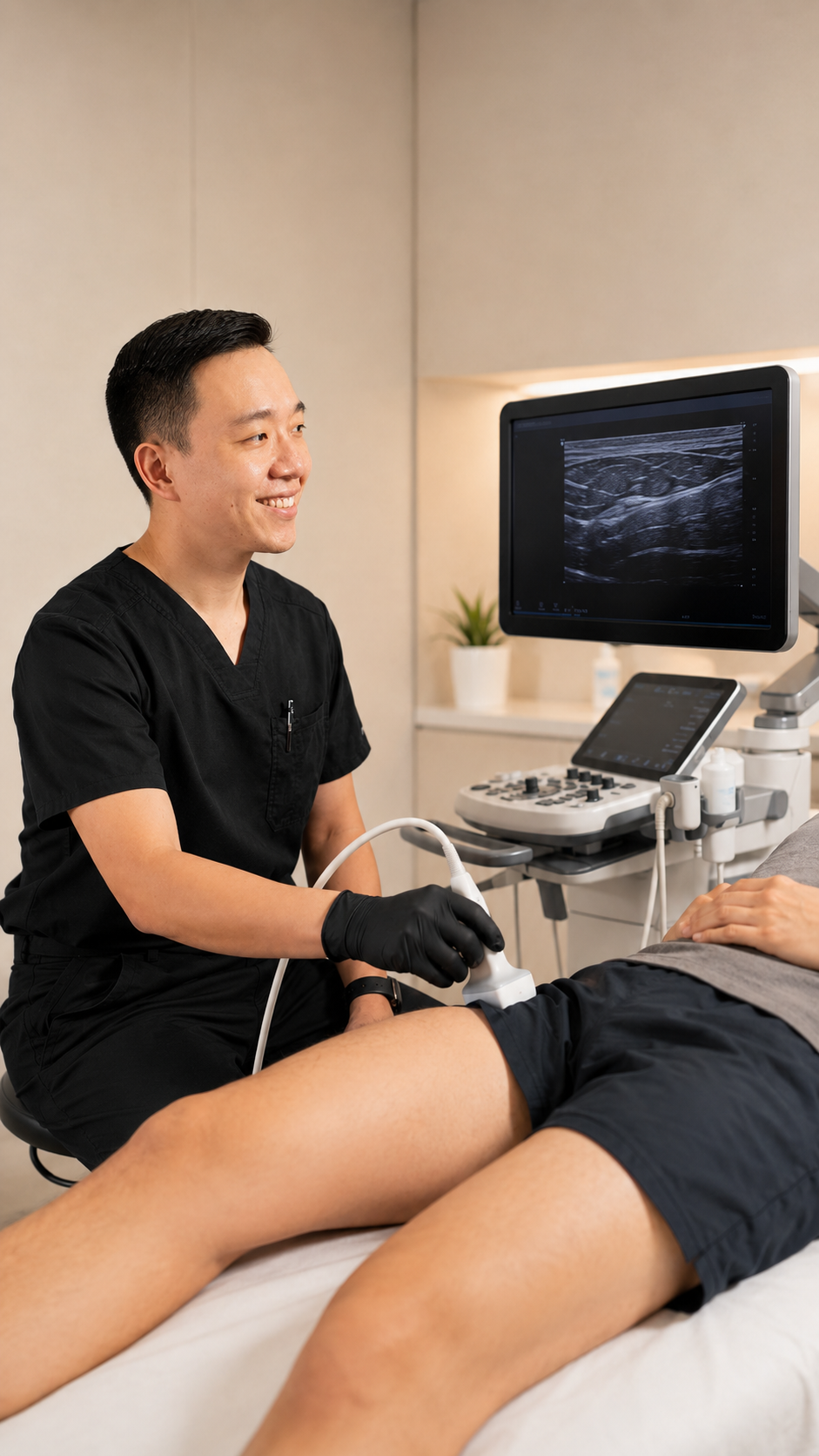
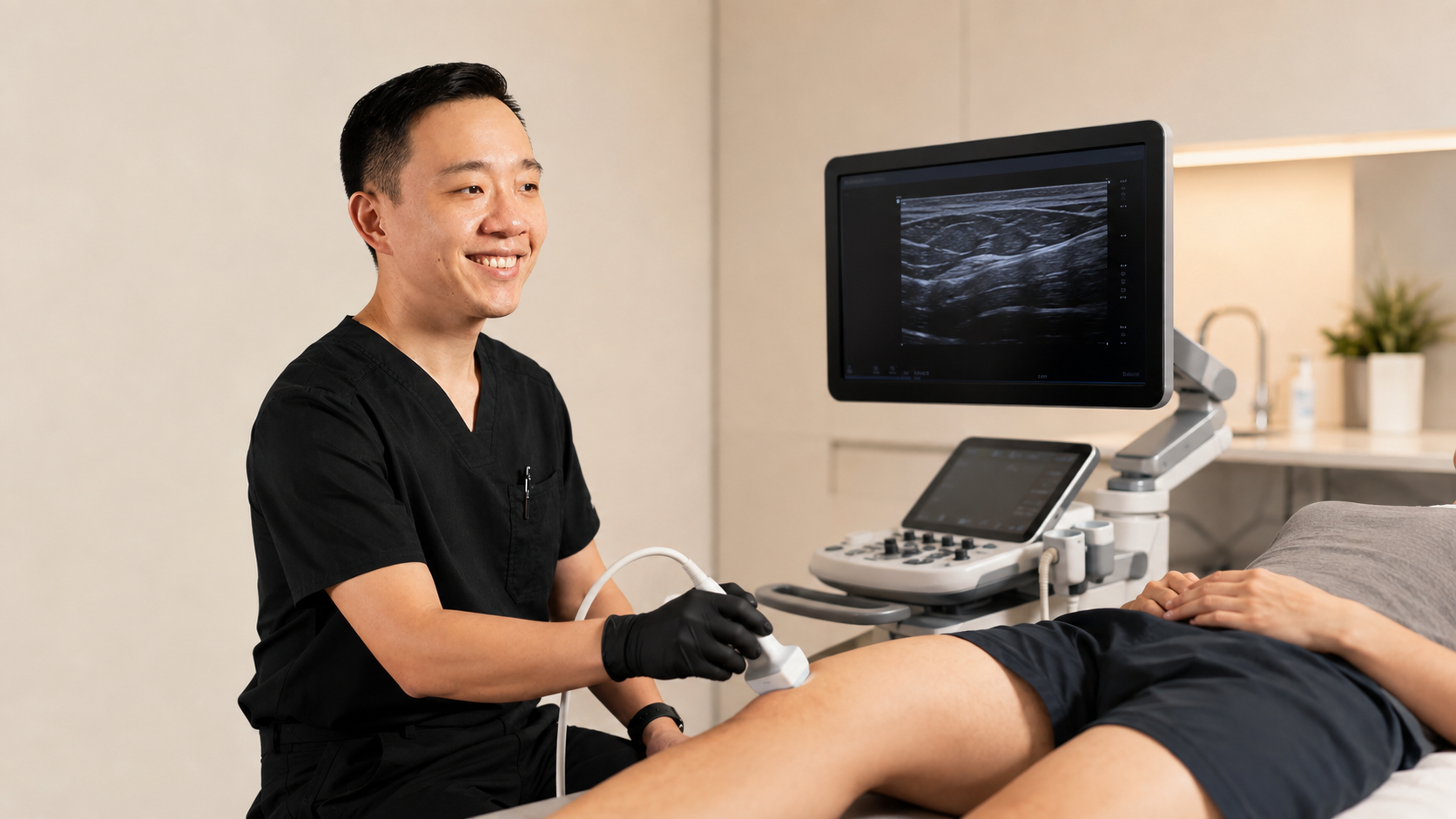
Whether you are dealing with a recent injury, persistent joint pain, recurring muscle discomfort, or symptoms that have not improved with previous treatment, a musculoskeletal evaluation can help determine what may be causing the problem and what to do next.
Your first appointment is more than an opportunity to point to where it hurts.
A thoughtful musculoskeletal evaluation may involve reviewing how your symptoms began, identifying movements that reproduce the problem, discussing previous injuries and treatments, examining the affected area, reviewing existing imaging, and deciding whether additional testing is actually necessary.
A little preparation beforehand can make that process significantly more productive.
This guide explains what information to gather, what to bring, what to wear, which symptoms to think about beforehand, and what questions you may want to ask during your first appointment.
If you are new to this type of care, you may also want to read A Patient's Guide to Starting Integrative Pain Management.
What Is a Musculoskeletal Evaluation?
A musculoskeletal evaluation is an assessment of symptoms involving structures such as:
Muscles
Tendons
Ligaments
Joints
Bones
Fascia
Peripheral nerves
Supporting soft tissues
Musculoskeletal problems can result from injuries, repetitive activity, arthritis, overuse, degeneration, altered movement mechanics, nerve irritation, or several contributing factors at the same time.
That is why identifying the source of pain usually requires more than simply knowing its location.
For example, shoulder pain could potentially arise from the rotator cuff, biceps tendon, shoulder joint, surrounding muscles, neck, or irritated nerves. Knee pain could involve a tendon, ligament, meniscus, joint surface, muscle, bursa, or another nearby structure.
A clinical musculoskeletal examination traditionally includes techniques such as inspection, palpation, assessment of movement, and testing of the involved structures.
For a deeper explanation of this diagnostic process, read Finding the Source of Pain: Why an Accurate Diagnosis Matters.
Why Preparing for the Appointment Matters
Your physician receives important information from the physical examination, but your history is equally important.
Knowing when the problem started, what triggers it, what has already been tried, and how it affects your activities can help narrow the possible causes.
For many musculoskeletal complaints, the clinical history includes details such as the location and duration of symptoms, mechanism of injury, swelling, functional limitations, associated symptoms, and prior medical or surgical history.
Preparing these details beforehand can help you avoid forgetting important information once you are in the examination room.
You do not need to arrive with your own diagnosis.
Your job is simply to describe what you have experienced as accurately as possible.
Before Your Appointment, Think About How the Problem Started
One of the first questions you will probably be asked is:
When did this begin?
Try to remember whether your symptoms:
Started suddenly
Developed gradually
Followed a specific injury
Appeared after exercise or repetitive activity
Began after changing your workout routine
Developed after an accident
Followed surgery or another medical procedure
Started without any obvious trigger
If there was an injury, try to remember what happened.
For example:
Did you fall?
Twist?
Lift something?
Feel a pop?
Land awkwardly?
Collide with another person?
Increase your running mileage?
Begin a new exercise program?
Spend unusually long hours performing a repetitive activity?
These details can sometimes provide important diagnostic clues.
Be Ready to Describe Exactly Where You Feel the Symptoms
Try to identify the location as specifically as you can.
Instead of simply saying:
“My shoulder hurts.”
Consider whether the discomfort is primarily:
In the front
On the side
Behind the shoulder
Near the shoulder blade
Deep inside the joint
Traveling into the arm
The same principle applies to other body areas.
For knee pain, is it:
Above the kneecap?
Below it?
Along the inner or outer joint line?
Behind the knee?
Deep inside the joint?
If the pain travels, be ready to explain where it begins and where it goes.
Radiating pain, numbness, tingling, burning, or electrical sensations can be particularly important because they may suggest that nerves should also be considered during the evaluation.
Think About What the Pain Feels Like
Pain intensity matters, but the quality of the sensation can also be useful.
You might describe your symptoms as:
Aching
Sharp
Burning
Throbbing
Stabbing
Tight
Sore
Tender
Tingling
Electric
Heavy
Deep
Cramping
There is no perfect vocabulary.
Use whichever description most closely matches what you actually experience.
Your physician may also ask whether you experience symptoms such as:
Clicking
Popping
Catching
Locking
Grinding
Instability
Weakness
Numbness
Tingling
Swelling
Stiffness
Reduced range of motion
These details can sometimes help distinguish between possible musculoskeletal or neurologic causes.
Identify What Makes the Symptoms Better or Worse
Before the appointment, think about the activities that reliably change your symptoms.
For example, does the pain become worse with:
Walking
Running
Climbing stairs
Squatting
Lifting
Reaching overhead
Sitting
Standing
Bending
Twisting
Sleeping on one side
Getting out of a chair
Driving
Typing
Throwing
Exercising
Also consider what makes it better.
Examples might include:
Rest
Movement
Changing positions
Stretching
Heat
Ice
Massage
Medication
Exercise
Avoiding a particular activity
This information can be extremely useful because different tissues and conditions may respond differently to movement, loading, positioning, and rest.
Pay Attention to When the Symptoms Occur
Try to notice the pattern.
Ask yourself:
Is the pain constant or intermittent?
Is it worse in the morning?
Does it worsen later in the day?
Does prolonged sitting trigger it?
Does exercise improve it or aggravate it?
Does it wake you from sleep?
Is there significant morning stiffness?
Does it improve after you begin moving?
Does it appear only during specific activities?
A symptom pattern can sometimes provide as much information as a single pain score.
Think About What You Can No Longer Do Normally
One of the most useful things you can tell your physician is how the problem is affecting your function.
Instead of focusing only on whether your pain is a 5 or 7 out of 10, think about what the condition prevents you from doing.
For example:
I cannot walk more than 20 minutes.
I cannot sleep comfortably on my right side.
I stopped playing tennis.
I cannot lift my child without pain.
I cannot squat normally.
I have difficulty climbing stairs.
I cannot work at my computer for more than an hour.
I stopped going to the gym.
I cannot raise my arm overhead comfortably.
These functional limitations can help establish meaningful treatment goals.
They also provide something measurable to follow over time.
Reducing pain from a 7 to a 5 may be helpful, but being able to walk, exercise, sleep, work, or participate in an important activity again may be an even more meaningful measure of recovery.
Bring Your Previous Imaging
If you have previously had imaging of the problem area, bring it when possible.
This may include:
X-rays
MRI
CT scans
Ultrasound studies
Ideally, bring both the radiology report and access to the actual images if available.
A report summarizes the radiologist's interpretation, while the images may provide additional clinical context when reviewed together with your symptoms and examination.
Do not worry if you have never had imaging.
You do not automatically need an MRI or X-ray before a musculoskeletal evaluation.
The appropriate imaging study depends on the condition being evaluated, and the American College of Radiology publishes different imaging recommendations depending on the anatomical region, symptoms, clinical scenario, trauma history, and suspected diagnosis.
Sometimes imaging is important.
Other times the history and physical examination provide enough information to begin conservative treatment.
For more on why testing should be targeted rather than automatic, read Finding the Source of Pain: Why an Accurate Diagnosis Matters.
Bring Relevant Medical Records
You generally do not need to arrive with your entire medical chart.
Focus on records directly related to the current problem.
Useful documents may include:
Prior orthopedic evaluations
Pain-management consultations
Physical therapy evaluations
Operative reports
Procedure records
Injection records
Imaging reports
Relevant laboratory results
Emergency-room records related to the injury
Previous specialist recommendations
If you have already tried several treatments, knowing exactly what was done and how you responded can prevent unnecessary repetition.
Make a List of Treatments You Have Already Tried
Before your appointment, think through everything you have attempted for the problem.
This could include:
Rest
Activity modification
Physical therapy
Chiropractic care
Home exercise
Strengthening
Stretching
Massage
Acupuncture
Dry needling
Steroid injections
Joint injections
Nerve blocks
Trigger-point injections
PRP
Prolotherapy
Surgery
Bracing
Taping
Heat or ice
Prescription medication
Over-the-counter medication
For each treatment, try to remember:
What was done?
How long did you try it?
Did it help?
How much did it help?
How long did the improvement last?
Saying “physical therapy did not work,” for example, provides less information than saying:
“I completed eight weeks of physical therapy twice weekly. My mobility improved, but the pain with running did not change.”
That distinction matters.
Bring an Updated Medication and Supplement List
Bring a complete list of medications and supplements you currently use.
Include:
Prescription medications
Over-the-counter medications
Vitamins
Herbal products
Nutritional supplements
This is especially important if a procedure or injection could eventually be considered.
Tell your physician if you take medications that affect bleeding or clotting.
Do not stop a prescribed anticoagulant or other medication on your own before a pain-management appointment or procedure.
Any medication adjustment should be based on individualized medical instructions because stopping a medication can carry risks of its own.
Tell Your Physician About Important Medical Conditions
Your musculoskeletal problem does not exist separately from the rest of your health.
Conditions that may be relevant can include:
Diabetes
Cardiovascular disease
Kidney disease
Autoimmune disease
Osteoporosis
Bleeding disorders
Neuropathy
Cancer history
Previous serious infections
Joint replacement
Previous spine or orthopedic surgery
Pregnancy or possible pregnancy may also affect certain imaging or treatment decisions.
The goal is not to assume that these conditions caused your pain. It is to make sure that your evaluation and treatment recommendations take your overall health into account.
Wear Clothing That Allows the Area to Be Examined
A musculoskeletal examination usually requires seeing and moving the affected area.
Wear comfortable clothing whenever possible.
Depending on the problem, useful choices might include:
Shoulder or arm:
A loose-fitting shirt or sleeveless shirt can make shoulder examination easier.
Knee or leg:
Shorts or loose pants that can be moved above the knee are helpful.
Hip:
Loose athletic clothing usually works well.
Back:
Comfortable clothing that allows you to bend and move is preferable.
Your physician may need to evaluate posture, movement, strength, range of motion, tenderness, joint stability, or neurologic function.
Some examinations also compare the painful side with the unaffected side.
You May Be Asked to Perform Certain Movements
Do not be surprised if your physician asks you to:
Walk
Bend
Squat
Reach
Rotate
Raise an arm
Move a joint through different positions
Push or pull against resistance
Stand on one leg
The examination may evaluate range of motion, strength, tenderness, joint function, posture, movement patterns, and neurologic findings depending on the problem being investigated.
Some maneuvers are designed to reproduce your familiar symptoms.
That does not necessarily mean the physician is trying to make the condition worse. Reproducing a characteristic symptom under controlled circumstances can sometimes provide useful diagnostic information.
Tell your physician if something causes significant pain or if you are uncomfortable continuing a maneuver.
Do You Need to Stop Pain Medication Before the Appointment?
Usually, do not change your normal medication routine unless your physician specifically instructs you to do so.
Some patients consider stopping pain medication before an evaluation because they want the physician to see “how bad it really is.”
That is generally unnecessary unless specific instructions have been provided.
Your physician can still obtain useful information from your symptom history and examination while knowing what medication you are taking.
The same principle applies to anti-inflammatory medications.
If you are being evaluated for a future injection or regenerative procedure, medication instructions may be different and should be provided specifically for that procedure.
Should You Exercise Before Your Appointment?
You generally do not need to intentionally aggravate your condition before an evaluation.
Continue your normal activities to the extent that they are safe and tolerable unless you have previously been instructed otherwise.
There is no benefit to deliberately causing a major pain flare just so symptoms will be present during the appointment.
If a particular movement reliably reproduces the problem, simply explain that to your physician.
Take Notes About Your Symptoms if They Come and Go
Intermittent symptoms can be frustrating because they may not occur during the appointment.
That does not make them less important.
If something happens only occasionally, consider keeping a simple record for several days beforehand.
You might note:
What you were doing
Where the symptom occurred
How long it lasted
What it felt like
Whether weakness or numbness occurred
What made it improve
If there is visible swelling, bruising, abnormal movement, or another temporary physical change, a photograph or short video may occasionally provide useful context.
Do not intentionally reproduce something dangerous simply to record it.
Think About Your Goals Before the Appointment
Successful pain management should not be defined only by making a number on a pain scale smaller.
Ask yourself:
What would I like to be able to do again?
Examples include:
Walk without significant pain
Return to hiking
Sleep through the night
Play golf
Lift weights
Care for children or grandchildren
Work comfortably
Return to running
Avoid surgery if reasonably possible
Improve mobility
Reduce reliance on medication
Your goals help your physician understand what matters most to you.
They can also influence treatment choices.
A competitive athlete trying to return to sport may have different priorities from someone whose primary goal is walking comfortably around the grocery store.
Bring Questions With You
It is easy to forget questions once the examination begins.
Writing them down beforehand can help.
Useful questions may include:
What do you think is causing my pain?
Are there several possible causes?
Do I need imaging?
Would an X-ray, MRI, or ultrasound change the treatment plan?
Are there conservative treatments I should try first?
Would physical therapy or rehabilitation be appropriate?
Are there activities I should temporarily avoid?
Which activities are safe to continue?
What should improvement look like?
When should we reassess?
At what point would a procedure be considered?
Are there situations in which I should see an orthopedic surgeon or another specialist?
If an injection or other procedure is eventually recommended, you should also understand the purpose of the treatment, expected benefits, important risks, alternatives, recovery instructions, and how success will be measured.
What Happens During the First Musculoskeletal Evaluation?
Every appointment is different, but a first evaluation commonly follows several steps.
1. Review of Your Symptoms
Your physician will ask when your symptoms began, where they occur, what they feel like, what makes them better or worse, and how they affect your activities.
2. Review of Medical History
Relevant medical conditions, medications, previous injuries, surgeries, and treatments may be discussed.
3. Physical Examination
Depending on the problem, your physician may assess:
Posture
Walking or movement
Range of motion
Strength
Flexibility
Tenderness
Joint stability
Neurologic function
Specific orthopedic maneuvers
4. Review of Existing Imaging
Previous X-rays, MRI studies, CT scans, or ultrasound studies may be reviewed when available.
5. Development of a Working Diagnosis
Sometimes the diagnosis is relatively clear at the first visit.
Other times there may be several possibilities that require additional evaluation.
6. Discussion of Next Steps
Depending on the findings, your next step might involve:
Activity modification
Home exercise
Physical therapy
Rehabilitation
Medication
Acupuncture or dry needling
Diagnostic imaging
Musculoskeletal ultrasound
Targeted injections
Referral to another specialist
Further observation and reassessment
An individualized evaluation should come before automatically selecting a procedure.
You can learn more about the broader approach in Integrative Pain Management: A Complete Guide to Personalized Pain Care.
Will You Need Imaging?
Not necessarily.
There is a common assumption that good musculoskeletal care requires an MRI for every painful joint.
It does not.
Imaging is most useful when the result is likely to help establish a diagnosis, evaluate a suspected injury or disease, rule out an important condition, or change treatment.
The appropriate study also depends on what your physician suspects.
In different situations, that might mean:
X-ray
MRI
CT
Diagnostic ultrasound
No immediate imaging
The American College of Radiology maintains condition-specific Appropriateness Criteria because the best imaging approach varies substantially depending on the body region and clinical situation.
Your symptoms and physical examination should therefore help guide the decision rather than imaging automatically being ordered first.
What If Your MRI Already Shows an Abnormality?
Bring it.
But remember that an imaging abnormality must still be interpreted in context.
The important question is not simply:
“What does the MRI show?”
It is:
“Does what the MRI shows explain the symptoms I am actually experiencing?”
A responsible evaluation brings together your history, examination, imaging, response to previous treatment, and overall clinical picture.
This is one of the reasons accurately identifying the source of pain is so important before selecting treatment.
What If Your Pain Has Been Present for Years?
A musculoskeletal evaluation can still be useful.
Long-standing pain may be more complicated than a recent injury. Chronic symptoms can involve ongoing tissue problems, altered movement, nerve irritation, arthritis, previous injuries, deconditioning, or changes in how the nervous system processes pain.
Understanding whether symptoms are acute or chronic can therefore influence both the evaluation and the treatment strategy.
Read Understanding Acute vs. Chronic Pain for a more detailed explanation.
When Should You Seek Urgent Care Instead of Waiting for a Routine Evaluation?
Most musculoskeletal complaints can be evaluated during a scheduled appointment, but certain symptoms may indicate a more serious problem.
Seek prompt or emergency medical evaluation for symptoms such as:
Major trauma or suspected fracture
New or rapidly worsening weakness
Loss of bowel or bladder control
Numbness around the groin or saddle region
A hot, severely swollen joint accompanied by fever
Severe rapidly worsening swelling
A pale, cold, or poorly perfused limb
Chest pain
Difficulty breathing
Sudden neurologic symptoms
Severe unexplained illness
Other rapidly worsening or concerning symptoms
Routine pain-management appointments should not delay emergency evaluation when a serious condition may be present. Red-flag symptoms are specifically considered during musculoskeletal and spine evaluations to help identify situations requiring urgent investigation or referral.
A Simple Checklist Before Your Appointment
Before leaving for your appointment, consider whether you have:
Your current medication and supplement list
Relevant imaging reports
Access to the actual imaging studies when available
Previous orthopedic, physical therapy, or procedure records
A list of treatments you have already tried
Notes about when your symptoms began
Information about activities that make symptoms better or worse
A description of how the problem limits your daily activities
Comfortable clothing appropriate for examination
A short list of questions you want answered
You do not need to prepare perfectly.
Even a few minutes spent organizing this information can make it easier for you and your physician to focus on the most important issues.
The Goal of the First Visit Is Not Necessarily to Perform a Procedure
Some patients arrive at a pain-management appointment expecting an injection, MRI, or other treatment immediately.
Sometimes treatment can reasonably begin at the first visit.
Sometimes it should not.
A good first evaluation may instead conclude that:
Conservative treatment should be tried first.
Rehabilitation is the appropriate next step.
Additional imaging is necessary.
Existing imaging provides enough information.
Diagnostic ultrasound could be helpful.
A targeted procedure may be reasonable.
Another specialist should evaluate the condition.
More time and reassessment are appropriate.
The goal of the first appointment is not to perform the most treatment.
It is to determine the most appropriate next step.
At Ask Dr. Hu, integrative pain management begins with an individualized evaluation of your symptoms, medical history, previous treatments, physical examination findings, available imaging, and functional goals before specific treatment recommendations are made.
The Bottom Line
Preparing for your first musculoskeletal evaluation does not require extensive research or trying to diagnose yourself.
Instead, focus on telling the story of your symptoms clearly.
Know:
When the problem started
Where you feel it
What it feels like
What makes it better or worse
Which activities you can no longer do normally
Which treatments you have already tried
What imaging or testing has already been performed
What you hope to accomplish with treatment
Bring relevant records, medication information, and your questions.
From there, your physician can combine your history with the physical examination and any appropriate testing to determine what may be contributing to your symptoms and which next steps make sense.
Pain treatment works best when the plan is built around the patient and the likely diagnosis—not simply around the location that hurts.
For additional educational resources, visit the Integrative Pain Management Resource Center.
If persistent joint, muscle, tendon, nerve, neck, back, or other musculoskeletal pain is interfering with your daily activities, you can also learn about integrative pain management evaluations at Ask Dr. Hu.
Medical Review, Editorial Standards, and Transparency
This patient guide was written and medically reviewed by YiQiu Hu, NMD, an Arizona-licensed naturopathic physician with clinical interests that include diagnostic evaluation, preventive medicine, individualized treatment planning, and integrative pain management.
The medical concepts discussed in this guide were reviewed with reference to established clinical resources, including the American College of Radiology Appropriateness Criteria, which provides evidence-based guidance regarding the appropriate use of imaging for musculoskeletal conditions, and the National Library of Medicine's Clinical Methods, which describes established principles of musculoskeletal physical examination.
Ask Dr. Hu's educational resources are intended to help patients better understand medical conditions, evaluations, and treatment options. They do not replace individualized medical advice, diagnosis, emergency care, or evaluation by an appropriate healthcare professional.
About the Author
YiQiu Hu, NMD is an Arizona-licensed naturopathic physician and founder of Ask Dr. Hu. He provides concierge medicine, preventive healthcare, health optimization, diagnostic evaluation, and individualized medical care for patients throughout Arizona. His clinical interests include preventive healthcare, medical weight management, hormone care, integrative pain management, and laboratory testing.
Dr. Hu earned his Doctor of Naturopathic Medicine degree from Sonoran University of Health Sciences and a Bachelor of Science in Biomedical Sciences from Northern Arizona University. In addition to clinical practice, he has experience in medical leadership across multidisciplinary healthcare practices.
Meet Dr. Hu and the Ask Dr. Hu medical team.
Medical disclaimer: This article is for general educational purposes and does not establish a physician-patient relationship or replace individualized medical evaluation. Seek urgent or emergency medical care for severe, rapidly worsening, or potentially life-threatening symptoms.