Can Integrative Pain Management Reduce My Need for Medications?
Written by YiQiu Hu, NMD
Arizona-licensed naturopathic physician and virtual concierge medicine provider
Published August 2026 | Medically reviewed August 2026
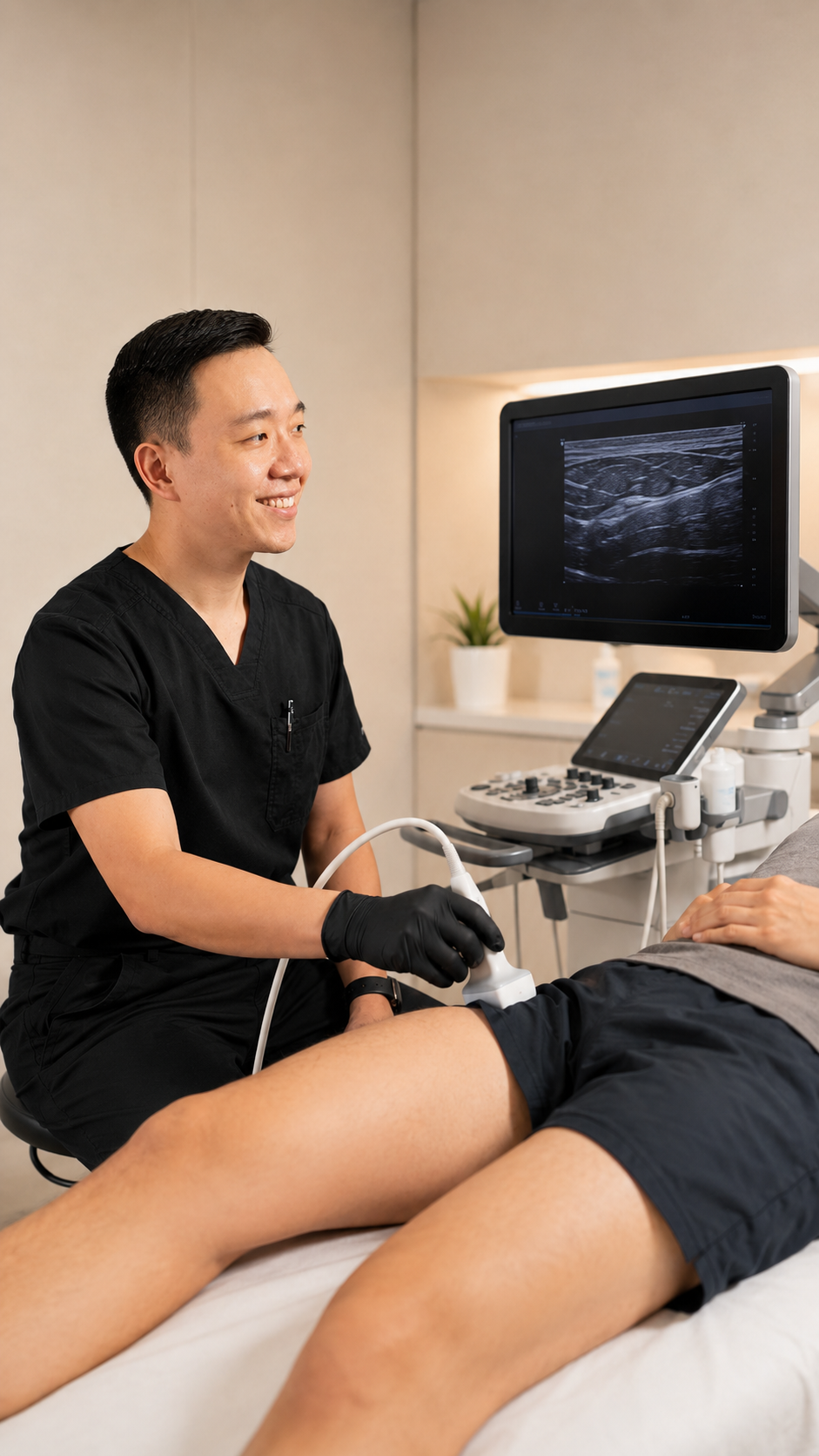
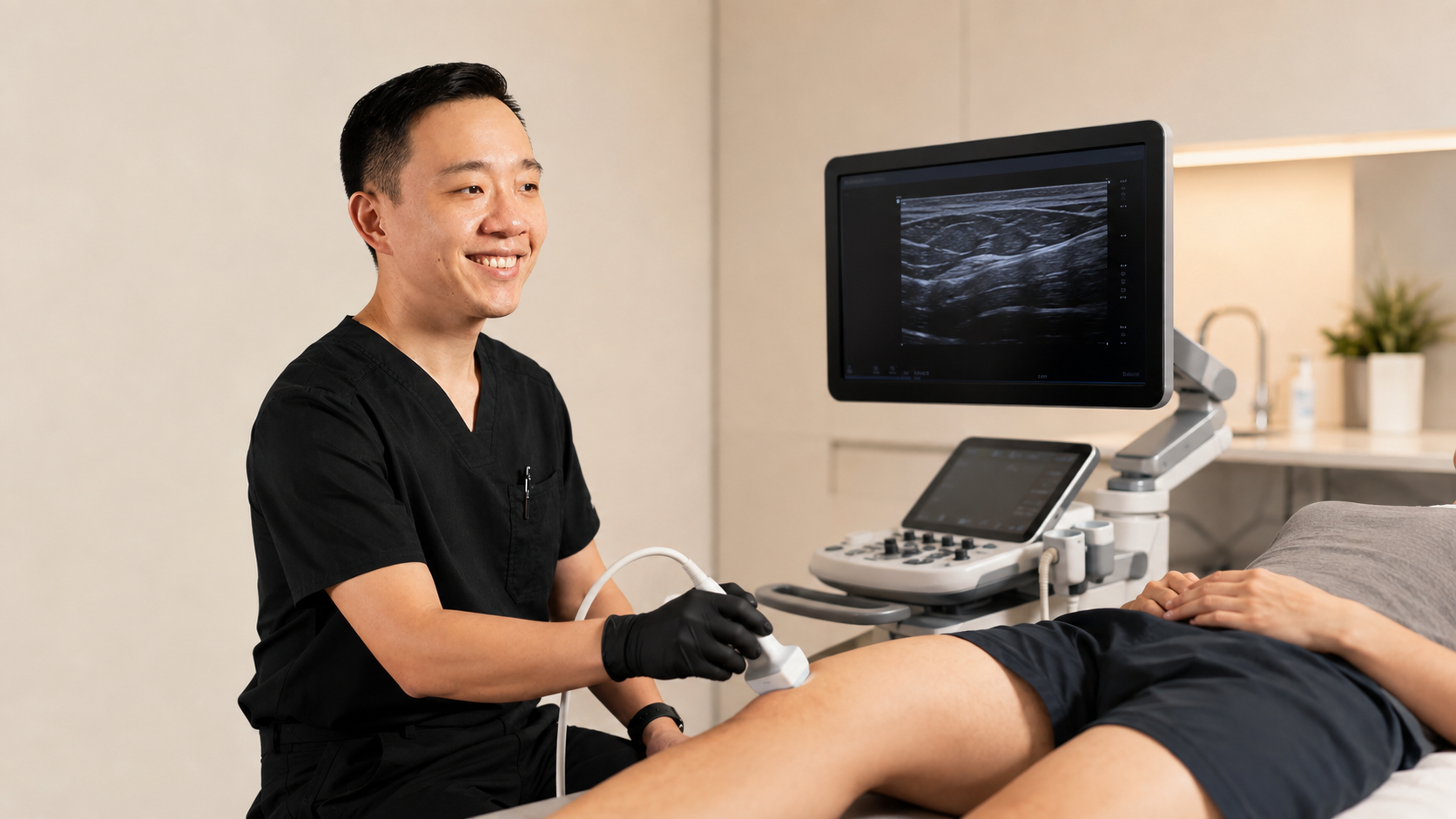
Yes, integrative pain management may help some patients reduce their reliance on pain medication, particularly when treatment successfully improves the underlying condition, physical function, movement, or other factors contributing to the pain.
However, reducing medication is not appropriate or achievable for every patient. The goal of integrative pain management is not necessarily to eliminate medications. Instead, medications are considered alongside rehabilitation, exercise, lifestyle strategies, acupuncture, targeted procedures, and other treatments as part of an individualized plan.
Current CDC guidance encourages clinicians to maximize appropriate nonpharmacologic and non-opioid therapies for subacute and chronic pain while making medication decisions according to each patient's circumstances.
If you are taking prescription pain medication, particularly an opioid or another medication that may require gradual dose reduction, do not stop or reduce it on your own. Medication changes should be discussed with the clinician responsible for prescribing it.
Why Might Integrative Pain Management Reduce the Need for Medication?
Pain medication can be valuable. It may help control symptoms while an injury heals, make movement more comfortable, reduce inflammation in selected circumstances, or help someone function despite an ongoing painful condition.
However, medication is only one component of pain care.
Integrative pain management looks at the broader clinical picture and asks why the pain is occurring, what structures or systems may be involved, and whether additional approaches could improve function or reduce symptoms.
Depending on the diagnosis, a personalized treatment plan might include rehabilitation, therapeutic exercise, activity modification, acupuncture, dry needling, targeted injections, appropriate medications, lifestyle changes, diagnostic imaging, or referral to another healthcare professional.
If these approaches provide meaningful improvement, some patients may eventually find that they need medication less frequently or can discuss lowering a medication dose with their prescribing clinician.
That is different from simply stopping medication because a patient wants to be medication-free.
Treating the Source of Pain May Change How Much Symptom Relief Is Needed
One of the first priorities in pain management is understanding the likely source of the symptoms.
Knee pain, for example, may involve arthritis, a tendon problem, a ligament injury, referred pain, muscular dysfunction, or several contributing factors. Shoulder pain can likewise arise from different tissues and conditions.
Treating every patient with the same pain medication does not address those differences.
A detailed musculoskeletal evaluation may help determine whether rehabilitation, activity modification, a specific procedure, additional imaging, or another treatment is appropriate. Ask Dr. Hu's integrative pain management services begin with an individualized evaluation rather than automatically recommending a particular procedure or treatment.
When treatment addresses an important contributor to the pain and function improves, the amount of symptom-focused treatment a patient needs may sometimes decrease.
Rehabilitation and Exercise Can Be an Important Part of Medication-Sparing Pain Care
Movement is frequently an important component of musculoskeletal recovery.
Depending on the condition, rehabilitation may focus on improving strength, mobility, joint control, flexibility, endurance, movement patterns, or tolerance for everyday activities.
The purpose is not simply to exercise through pain. Appropriate rehabilitation should be matched to the diagnosis and gradually progressed according to the patient's response.
For many musculoskeletal conditions, improving physical function can give patients another way to manage symptoms besides relying only on medication. Nonpharmacologic approaches such as exercise and physical therapy are included among the options emphasized in current pain-management guidance.
If you are beginning pain treatment, our guide to understanding your personalized pain treatment plan explains how diagnosis, examination findings, imaging, previous treatments, and personal goals may influence the recommendations you receive.
Can Acupuncture and Other Non-Medication Treatments Help?
For selected conditions, nonpharmacologic treatments may provide another way to manage pain.
Acupuncture is one example. Research reviewed by the National Center for Complementary and Integrative Health suggests that acupuncture may provide benefit for certain painful conditions, including some forms of back or neck pain and osteoarthritis, although effectiveness varies by diagnosis and individual response.
You can read more in our FAQ, Is Acupuncture Effective for Pain Management?.
Depending on the condition, an integrative plan may also include dry needling, manual or rehabilitative strategies, activity modification, sleep and recovery support, or other conservative treatments.
These approaches are not substitutes for necessary medical treatment. Their role is to expand the available treatment options so medication does not automatically become the only tool used to manage persistent pain.
Can Injections or Other Procedures Reduce Medication Use?
Possibly, but it depends heavily on the diagnosis and the treatment being considered.
Some patients with an identifiable musculoskeletal or peripheral nerve problem may be candidates for targeted procedures. Depending on the clinical situation, options offered through integrative pain management may include trigger-point injections, selected nerve blocks, joint injections, perineural injection therapy, prolotherapy, platelet-rich plasma therapy, or other procedures.
The purpose, evidence, risks, and expected duration of benefit differ substantially among these treatments.
A procedure should therefore not be performed simply because a patient wants to stop medication. The physician first needs to determine whether there is an appropriate treatment target and whether the expected benefits justify the risks and costs.
When appropriate treatment leads to improved pain and function, the patient and prescribing clinician may then reassess whether the current medication regimen is still necessary.
Does Integrative Pain Management Mean Avoiding Medication?
No.
Integrative medicine does not mean anti-medication medicine.
Sometimes medication is the most reasonable treatment. In other situations, medication works best when combined with rehabilitation or another therapy. Some patients may ultimately require less medication, while others may continue medication because its benefits outweigh its risks.
The important question is not:
“How do I get off all of my medications?”
A more useful question is:
“What combination of treatments gives me the best balance of pain control, function, safety, and quality of life?”
That is the type of individualized decision an integrative approach is intended to support.
What About Opioid Pain Medication?
Opioid medication requires particular care.
For patients with subacute or chronic pain, the CDC recommends maximizing appropriate non-opioid therapies and making decisions about opioid treatment through individualized discussions of benefits and risks.
For someone already receiving opioid therapy, reducing the dose may be appropriate in certain circumstances—but it should not automatically be the goal for every patient.
The CDC specifically advises against abruptly discontinuing opioids or rapidly reducing higher doses except in certain urgent safety circumstances. When a taper is appropriate, the plan should be individualized and coordinated with the patient.
For that reason, integrative pain management should support coordinated medication management rather than force medication discontinuation.
How Do I Know Whether I May Be Able to Reduce Medication?
There is no single test that determines whether someone will eventually need less pain medication.
Your physician may consider factors such as:
The cause of your pain
Whether the underlying condition is improving
How much the medication is currently helping
Your ability to move and perform normal activities
Whether rehabilitation is improving function
Whether other treatments have been effective
Medication side effects or safety concerns
How long you have been taking the medication
Other medical conditions and medications
Your personal treatment goals
Medication reduction is generally more reasonable to discuss when pain and function are stable or improving and there are safe alternative strategies for managing symptoms.
The process should be individualized rather than based on an arbitrary deadline.
What If I Want to Avoid Surgery and Long-Term Medication?
Many patients seek integrative pain management because they want to understand whether additional options are available before considering surgery or depending exclusively on medication.
For selected musculoskeletal conditions, conservative care, rehabilitation, complementary therapies, or minimally invasive procedures may be reasonable options before surgery.
However, surgery is sometimes the appropriate treatment, especially when there is significant structural injury, progressive neurologic impairment, instability, severe degeneration, or another condition unlikely to respond adequately to conservative management.
You can learn more in Can Pain Be Treated Without Surgery?.
The goal is not to avoid medication or surgery at all costs. It is to use the most appropriate treatment for the actual condition.
What Is the Goal of Integrative Pain Management?
The ultimate goal should be broader than simply lowering a pain score or reducing the number of medications on a medication list.
A successful treatment plan may aim to help you:
Move more comfortably
Return to work or exercise
Sleep better
Improve strength and mobility
Participate more fully in everyday activities
Reduce recurring flare-ups
Understand how to manage symptoms independently
Use medication thoughtfully when it is beneficial
Some patients may accomplish these goals while still using medication. Others may eventually require less.
Both can represent successful pain management.
Integrative Pain Management at Ask Dr. Hu
Ask Dr. Hu provides individualized integrative pain management in Arizona, with in-person evaluation and procedures available in Phoenix when appropriate.
Care may include musculoskeletal evaluation, conservative treatment recommendations, rehabilitation planning, acupuncture or dry needling, musculoskeletal ultrasound, ultrasound-guided procedures, targeted injections, prolotherapy, platelet-rich plasma therapy, medication management, or referral to another healthcare professional depending on the patient's condition.
No particular treatment or reduction in medication can be guaranteed before an appropriate evaluation.
If pain is interfering with your movement, sleep, exercise, work, or daily activities, you can also explore our complete Integrative Pain Management Resource Center or contact Ask Dr. Hu to request an evaluation.
Evidence and Medical Review
This article reflects an evidence-informed approach to pain care and is consistent with current guidance emphasizing individualized treatment and appropriate use of nonpharmacologic and non-opioid therapies.
For additional evidence-based information, patients and clinicians may review:
Evidence for specific pain treatments varies according to the diagnosis, intervention, patient population, and outcome being studied. Treatment recommendations should therefore be individualized rather than based on the availability of a particular therapy.
About the Author
YiQiu Hu, NMD, is an Arizona naturopathic physician and founder of Ask Dr. Hu. His clinical interests include preventive healthcare, medical weight management, hormone care, integrative pain management, laboratory testing, health optimization, and individualized medical treatment.
Dr. Hu earned his Doctor of Naturopathic Medicine degree from Sonoran University of Health Sciences and a Bachelor of Science in Biomedical Sciences from Northern Arizona University. He also has experience serving in medical leadership roles within multidisciplinary healthcare practices. Learn more about Dr. Hu and the physicians at Ask Dr. Hu.
Medical Disclaimer: This article is for general educational purposes and does not replace individualized medical evaluation, diagnosis, or treatment. Do not stop, reduce, or change a prescription medication without discussing the change with the clinician responsible for prescribing it. Seek urgent or emergency medical care for severe or rapidly worsening symptoms or other symptoms that may represent a medical emergency.