How Do I Know Which Pain Treatment Is Right for Me?
Written by YiQiu Hu, NMD
Arizona-licensed naturopathic physician and virtual concierge medicine provider
Published August 2026 | Medically reviewed August 2026
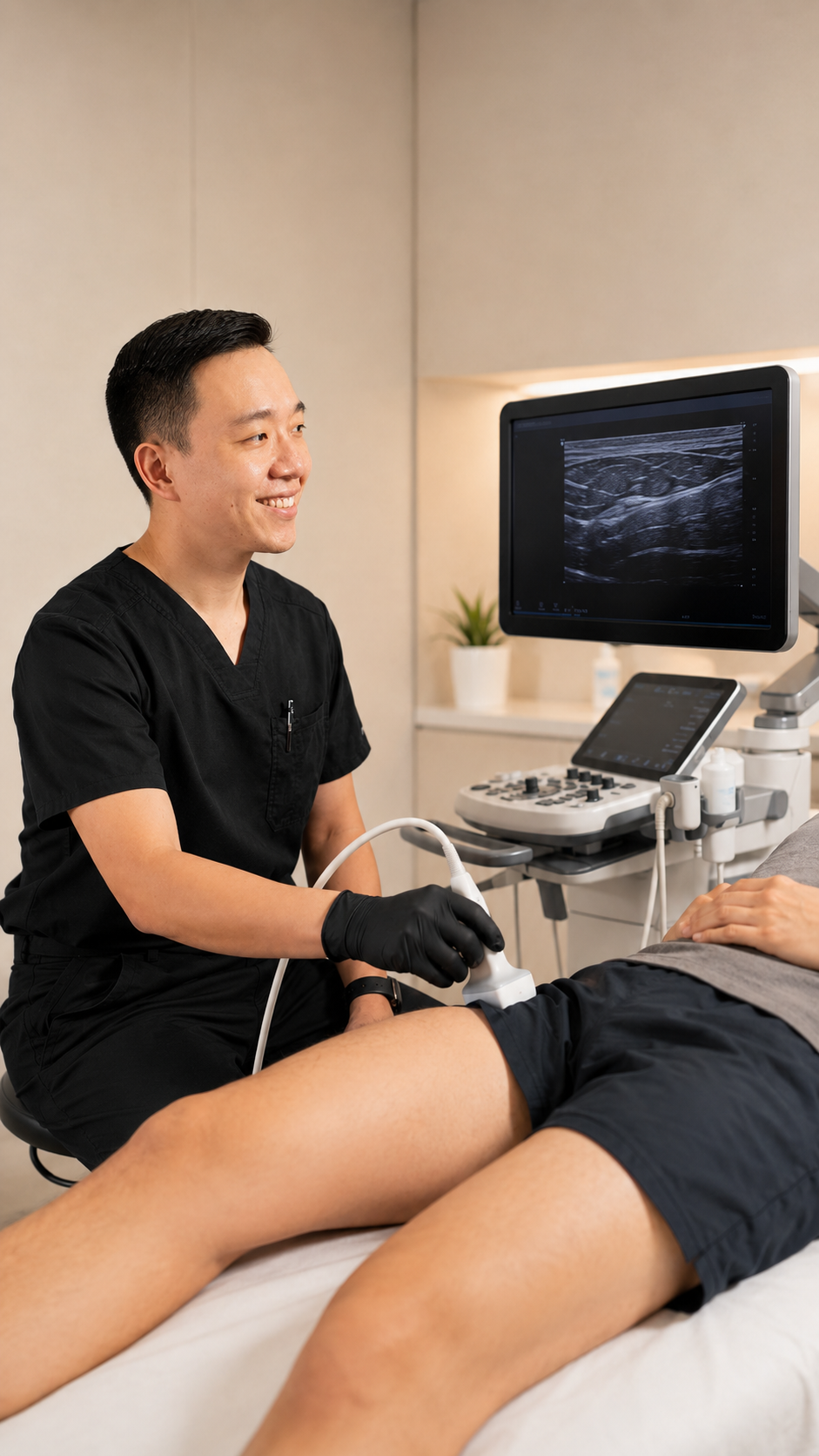
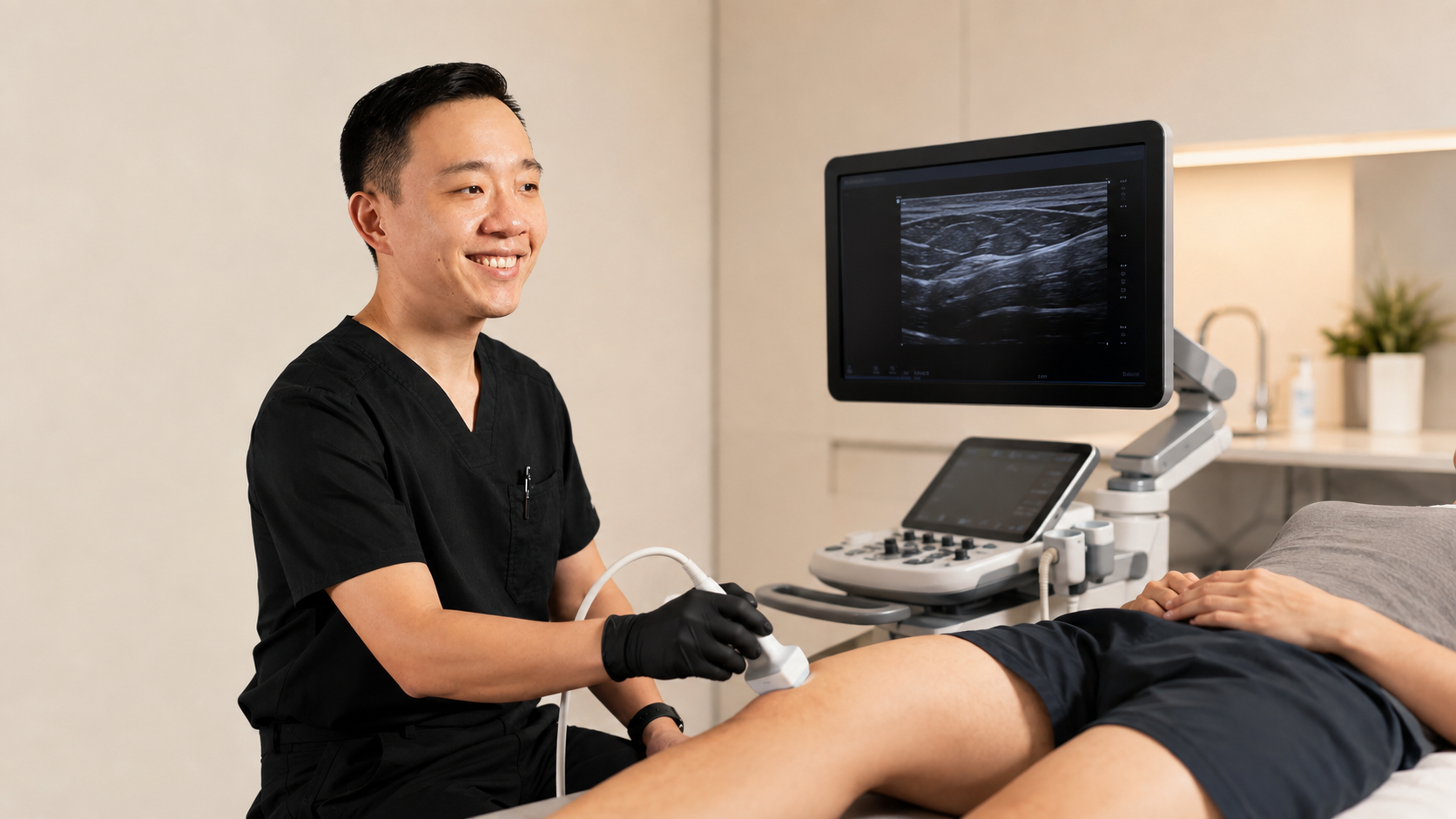
The right pain treatment depends on the likely cause of your symptoms, not simply where you feel pain. Your physician may consider how the problem started, your physical examination, previous injuries, medical conditions, prior treatments, imaging when appropriate, the activities you want to return to, and the potential benefits and risks of each option.
For some patients, the appropriate starting point may be exercise, physical therapy, activity modification, or another conservative treatment. Others may benefit from acupuncture, dry needling, medication, an injection, or a targeted procedure. Some conditions require additional imaging or specialist evaluation before treatment should begin.
The goal is not to find the most aggressive treatment. It is to identify the least-invasive reasonable treatment—or combination of treatments—that fits your diagnosis and goals while balancing potential benefits, risks, and alternatives.
This individualized approach is a central part of integrative pain management.
Why There Is No Single “Best” Pain Treatment
It is understandable to search for the best treatment for knee pain, shoulder pain, back pain, or another painful area.
The problem is that pain location is not the same thing as a diagnosis.
Two patients can have pain in almost exactly the same location and have very different underlying problems.
For example, shoulder pain might potentially involve the:
Rotator cuff
Biceps tendon
Shoulder joint
Bursa
Surrounding muscles
Cervical spine
Peripheral nerves
Likewise, knee pain may be related to osteoarthritis, a tendon, ligament, meniscus, patellofemoral mechanics, surrounding muscles, inflammation, referred pain, or more than one contributing factor.
Because the underlying problem can differ, the treatment should differ as well.
That is why identifying the likely source of your symptoms is usually more useful than choosing a treatment based only on where you hurt. You can learn more in Finding the Source of Pain: Why an Accurate Diagnosis Matters.
What Does a Physician Consider Before Recommending Treatment?
Choosing an appropriate pain treatment generally involves putting several pieces of information together rather than relying on a single symptom or test.
1. What Is Most Likely Causing the Pain?
The diagnosis—or at least the most likely source of the symptoms—is one of the most important considerations.
A treatment intended for irritated muscle tissue may not be appropriate for advanced joint degeneration. A treatment directed toward a tendon will not necessarily help pain coming from a nerve. And a procedure performed at the location where pain is felt may not address symptoms that are actually referred from another area.
This is one reason a thoughtful musculoskeletal evaluation should generally come before deciding on a procedure.
2. How Long Have You Had the Problem?
A recent injury may be managed differently from pain that has persisted for months or years.
Acute pain can sometimes improve as an injury heals and the affected area gradually returns to normal activity. Persistent pain may require a broader evaluation of tissue health, strength, movement, previous injury, nerve involvement, sleep, activity patterns, medical conditions, and other contributing factors.
The duration of symptoms therefore helps influence both the evaluation and treatment strategy.
3. What Does the Physical Examination Show?
Your examination may provide information that cannot be obtained from an MRI report or pain score alone.
Depending on the problem, your physician may assess:
Range of motion
Strength
Joint stability
Tenderness
Swelling
Muscle function
Movement patterns
Neurologic function
Reflexes or sensation when appropriate
Which movements reproduce your symptoms
These findings can help determine which structures should be considered and whether conservative treatment, additional testing, or a more targeted intervention may be appropriate.
4. Do You Need Imaging?
Not every patient needs an MRI, X-ray, or ultrasound before beginning treatment.
Sometimes the history and examination provide enough information to begin an appropriate conservative plan. In other situations, imaging may help clarify the diagnosis, evaluate an injury, rule out certain conditions, or plan a procedure.
Imaging should generally answer a clinical question rather than simply being ordered because pain exists.
If you are unsure whether testing is necessary, read Do I Need Imaging Before Starting Treatment?.
5. What Treatments Have You Already Tried?
Your previous response to treatment provides useful information.
Tell your physician if you have already tried:
Physical therapy
Home exercises
Activity modification
Chiropractic treatment
Massage
Acupuncture
Dry needling
Anti-inflammatory medication
Other pain medication
Steroid injections
Nerve blocks
Trigger-point injections
PRP
Prolotherapy
Surgery
It is also helpful to explain how long you tried the treatment and what happened afterward.
For example, saying that physical therapy “didn't work” provides less information than explaining that you completed eight weeks of therapy, your range of motion improved, but your pain during running did not.
Sometimes a treatment truly was not effective. Other times the treatment may have been appropriate but incomplete, too short, incorrectly targeted, or limited by another problem that had not yet been identified.
Does Pain Treatment Usually Start Conservatively?
For many musculoskeletal problems, it is reasonable to begin with less-invasive treatments when there is no medical reason to proceed directly to a procedure or surgical evaluation.
A conservative plan might include:
Temporary activity modification
Therapeutic exercise
Physical therapy
Strengthening
Mobility work
Gradual return to activity
Heat or cold when appropriate
Bracing or supportive devices
Ergonomic changes
Nonopioid medication when appropriate
Acupuncture
Dry needling
Sleep and recovery strategies
Weight management when clinically relevant
Importantly, conservative treatment does not necessarily mean doing nothing.
An effective plan is often active and progressive, with the goal of restoring movement, strength, tolerance, and function.
Read more about evidence-informed conservative treatment for musculoskeletal pain.
When Might Acupuncture or Dry Needling Be Considered?
Acupuncture or dry needling may be incorporated into a broader treatment plan for selected patients with musculoskeletal or persistent pain.
Research reviewed by the National Center for Complementary and Integrative Health suggests acupuncture may provide benefit for certain chronic pain conditions, although effectiveness varies depending on the condition and individual patient.
These treatments may be used alongside exercise, rehabilitation, activity modification, and other therapies rather than automatically replacing them.
The important question is not simply whether acupuncture can help pain in general, but whether it is a reasonable option for your particular condition and goals.
When Might an Injection or Procedure Be Appropriate?
Some patients may eventually benefit from a targeted procedure, particularly when symptoms continue despite appropriate conservative treatment or when the examination suggests a specific joint, tendon, muscle, soft-tissue, or peripheral nerve source.
Depending on the diagnosis, options might include:
Trigger-point injections
Nerve blocks
Perineural injection therapy
Joint injections
Corticosteroid injections
Prolotherapy
Platelet-rich plasma (PRP) therapy
Other ultrasound-guided procedures
However, not every patient with persistent pain needs an injection.
Before recommending a procedure, your physician should consider the suspected diagnosis, available evidence, previous treatment, medical conditions, medications, allergies, bleeding risk, infection risk, expected benefit, recovery requirements, alternatives, and your personal preferences.
When appropriate, ultrasound guidance may also be used to visualize anatomy and needle placement during selected procedures.
What About PRP or Prolotherapy?
Regenerative procedures such as platelet-rich plasma therapy and prolotherapy are sometimes discussed for selected musculoskeletal problems.
They should not automatically be considered the “next step” simply because pain has persisted.
Whether one of these treatments makes sense depends on the specific diagnosis, tissue involved, quality of available evidence for that condition, previous treatment, overall health, treatment goals, expected recovery, cost, and potential risks.
Evidence for regenerative procedures varies substantially by condition and procedure. A treatment that may be reasonable for one tendon or joint problem may have limited evidence or little rationale for another.
For that reason, regenerative treatment should follow an individualized evaluation rather than being chosen solely because it is newer or more intensive.
Should I Choose the Treatment That Relieves Pain the Fastest?
Not necessarily.
Short-term pain relief can be valuable, but it is only one treatment goal.
A good treatment plan may also consider whether you can:
Walk farther
Sleep comfortably
Return to exercise
Go back to work
Lift normally
Climb stairs
Participate in sports
Care for your family
Improve strength or mobility
Reduce recurrent flare-ups
Reduce reliance on medication when medically appropriate
The Centers for Disease Control and Prevention emphasizes individualized, patient-centered pain care and notes that treatment decisions should consider pain, function, quality of life, benefits, and risks rather than applying a one-size-fits-all approach. The CDC also recognizes the importance of multimodal and multidisciplinary pain management when appropriate.
Sometimes the most useful treatment is therefore the one that helps you make meaningful functional progress—not necessarily the one that produces the fastest temporary change in a pain score.
Can More Than One Treatment Be Used?
Yes.
Pain management frequently involves a combination of approaches.
For example, a patient might use a procedure to reduce symptoms while simultaneously working on strength and mobility through rehabilitation. Another patient might combine activity modification, acupuncture, home exercise, and gradual return to activity.
Persistent pain can involve several contributing factors, so expecting a single treatment to solve every part of the problem may not always be realistic.
A personalized plan allows different therapies to serve different purposes.
You can read more about how these pieces fit together in Understanding Your Personalized Pain Treatment Plan.
How Do My Medical Conditions Affect Treatment Selection?
Your overall health matters when choosing pain treatment.
Your physician may need to consider conditions such as:
Diabetes
Kidney disease
Cardiovascular disease
Osteoporosis
Autoimmune disease
Neuropathy
Bleeding disorders
History of serious infection
Previous joint replacement
Previous orthopedic or spine surgery
Pregnancy or possible pregnancy
Your medication list matters as well.
Anticoagulants, antiplatelet medications, corticosteroids, diabetes medications, immunosuppressive treatments, and other medications can affect the risks or timing of certain procedures.
Do not stop a prescribed medication in preparation for a pain procedure unless the clinician managing your care has specifically instructed you to do so.
How Much Should My Preferences Matter?
A great deal.
There may be more than one medically reasonable way to manage a condition.
One patient may prioritize avoiding injections. Another may want to return to a demanding sport as quickly and safely as possible. Someone else may primarily want to walk comfortably, sleep through the night, reduce medication use, or delay surgery when reasonably possible.
Treatment decisions should involve a discussion of:
Expected benefits
Important risks
Alternatives
Recovery time
Cost
Treatment burden
Evidence for the specific condition
Your goals
Your comfort with the treatment
Shared decision-making is particularly important when several reasonable options exist.
How Do I Know Whether a Treatment Is Working?
Before beginning treatment, decide what improvement should actually look like.
Pain intensity is one measurement, but function can be even more useful.
Consider tracking goals such as:
Walking for 30 minutes instead of 10
Sleeping through the night
Returning to the gym
Raising your arm overhead
Sitting comfortably through the workday
Climbing stairs
Returning to golf, tennis, running, or hiking
Taking less rescue medication under appropriate medical supervision
If a treatment is not producing meaningful progress within a reasonable period, the plan may need to be adjusted.
That does not necessarily mean immediately moving to a more aggressive procedure.
Sometimes the more important step is reconsidering the diagnosis.
When Should the Diagnosis Be Re-Evaluated?
Reassessment may be appropriate if:
Symptoms are progressively worsening
A treatment that should reasonably help produces no improvement
New weakness or numbness develops
The location or character of the symptoms changes
Symptoms repeatedly return
Imaging and examination findings do not seem to match
Function continues to decline
New systemic symptoms appear
Pain treatment should be an ongoing clinical process rather than a fixed sequence of procedures.
Your response to treatment provides additional information that can help guide the next decision.
When Should Pain Be Evaluated Urgently?
Routine pain-management appointments are not appropriate for every situation.
Seek prompt or emergency medical care for symptoms such as:
Severe trauma or suspected fracture
Sudden or progressive weakness
New paralysis
New loss of bowel or bladder control
Numbness involving the groin or saddle region
Chest pain or difficulty breathing
Stroke-like symptoms
A hot, severely swollen joint accompanied by fever
Rapidly worsening redness or swelling
Severe unexplained pain accompanied by significant systemic illness
These situations may require emergency evaluation, imaging, laboratory testing, hospital care, or specialist treatment rather than routine integrative pain management.
So, Which Pain Treatment Is Right for Me?
There is usually no reliable way to choose the best treatment simply by looking at a menu of procedures.
The better questions are:
What is most likely causing the pain?
What treatment has the best balance of potential benefit and risk for that particular problem?
What have you already tried?
What are you trying to get back to doing?
Is there a less-invasive reasonable option?
Would additional testing change the treatment decision?
How will you know whether the treatment worked?
Answering those questions turns pain treatment from trial-and-error into a more deliberate clinical strategy.
At Ask Dr. Hu, our approach to integrative pain management in Arizona begins with an individualized evaluation. Depending on your condition, recommendations may involve conservative treatment, rehabilitation, acupuncture or dry needling, diagnostic imaging, musculoskeletal ultrasound, targeted injections, selected regenerative procedures, or referral to another specialist when appropriate.
You can also explore our Integrative Pain Management Resource Center for additional physician-written articles, patient guides, and frequently asked questions about pain evaluation and treatment.
Evidence and Medical Review
This article is intended to provide general patient education and reflects an individualized, evidence-informed approach to pain management.
Pain treatment should be tailored to the individual rather than applied as a rigid sequence. The CDC Clinical Practice Guideline for Prescribing Opioids for Pain emphasizes informed, person-centered decision-making and a multimodal approach to pain care when appropriate.
The National Center for Complementary and Integrative Health reviews evidence regarding nonpharmacologic and complementary approaches such as acupuncture, exercise-related practices, mindfulness, and other strategies for selected chronic pain conditions.
For low-back pain specifically, the American College of Physicians has recommended several nonpharmacologic approaches, including exercise and selected complementary treatments, depending on whether symptoms are acute or chronic.
Individual evidence, risks, benefits, and appropriate treatment options differ by diagnosis. Information on this page is educational and does not replace an individualized medical evaluation.
About the Author
YiQiu Hu, NMD, is an Arizona-licensed naturopathic physician and founder of Ask Dr. Hu. His clinical interests include preventive healthcare, health optimization, integrative pain management, medical weight management, hormone care, laboratory testing, and individualized treatment planning. His approach emphasizes thorough medical evaluation, clear explanations, evidence-informed care, and helping patients understand the available options before making treatment decisions. Meet Dr. Hu and the Ask Dr. Hu physicians.
Written by YiQiu Hu, NMD
Arizona-licensed naturopathic physician
Published August 2026 | Medically reviewed August 2026