What Is Prolotherapy?
Written by YiQiu Hu, NMD
Arizona-licensed naturopathic physician and virtual concierge medicine provider
Published August 2026 | Medically reviewed August 2026
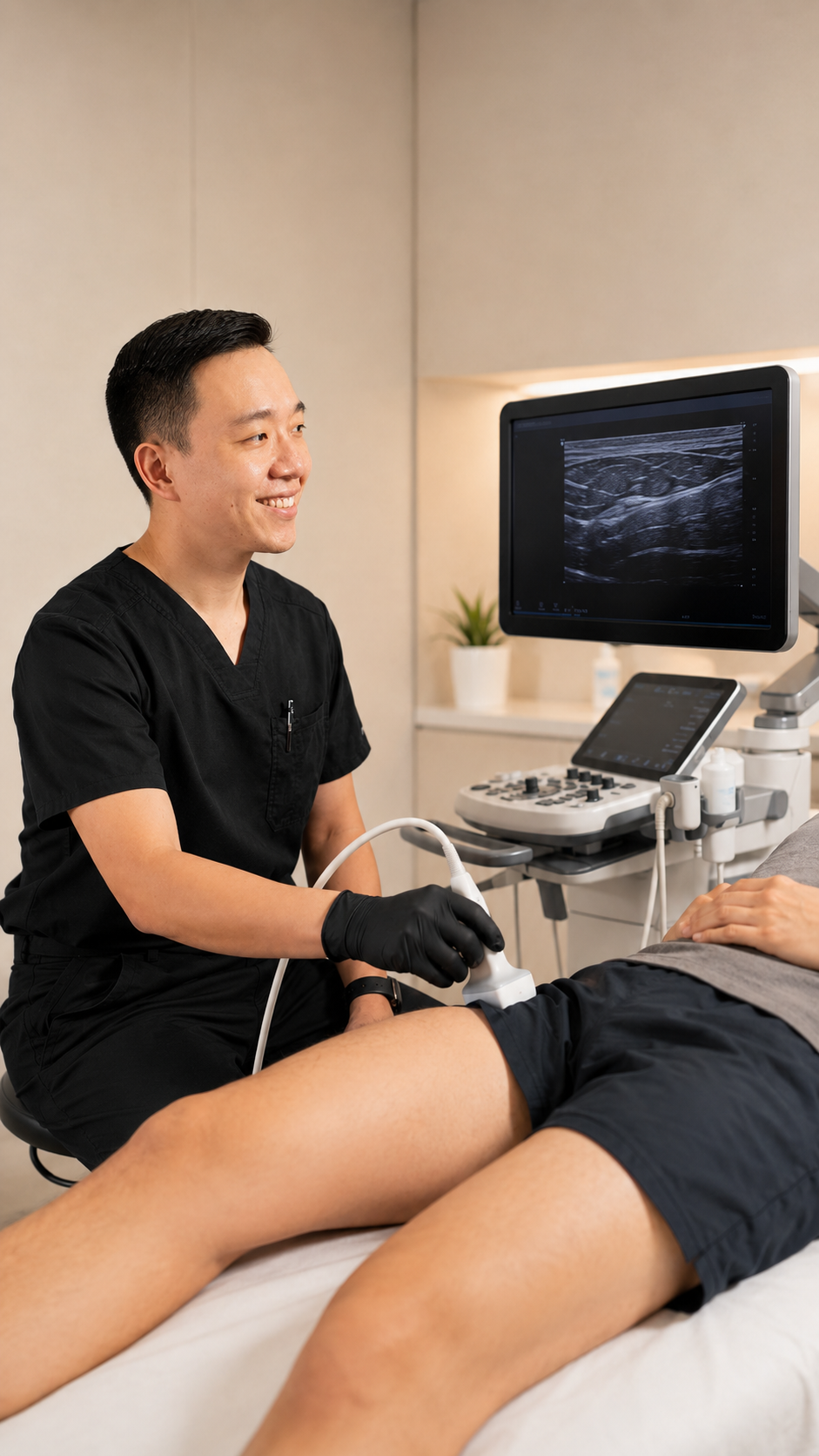
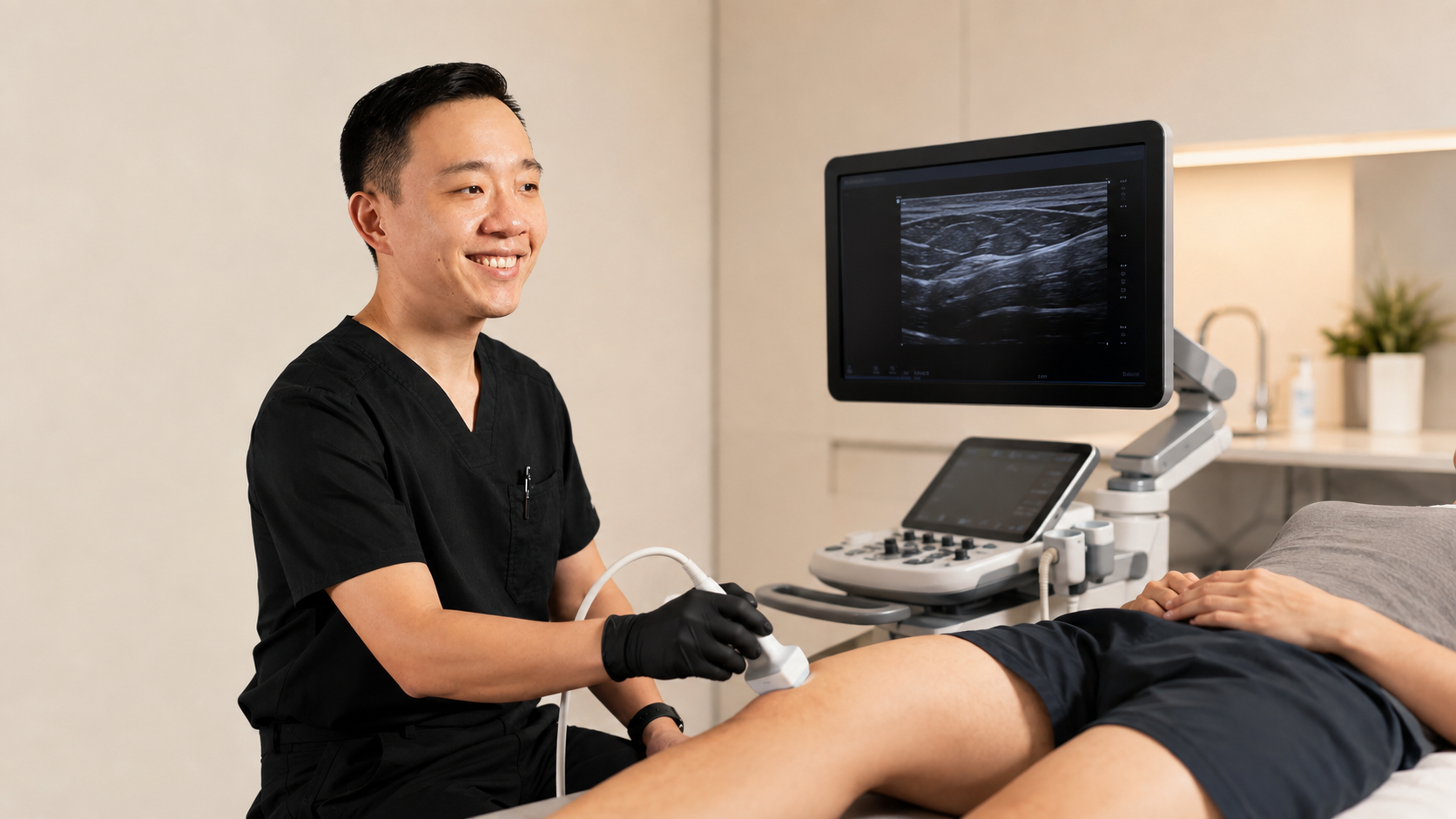
Prolotherapy is an injection-based treatment that may be used for certain painful musculoskeletal conditions involving joints, tendons, ligaments, and surrounding connective tissues.
Most modern prolotherapy treatments use a concentrated dextrose solution, although formulations and injection techniques can vary.
The basic idea is that placing a targeted solution into or around an affected musculoskeletal structure may influence local pain and healing responses. Some clinical studies have reported improvements in pain and function for particular conditions, including knee osteoarthritis and certain tendinopathies. However, research remains mixed, treatment protocols are not standardized, and prolotherapy should not be described as a proven way to regenerate damaged cartilage, tendons, or ligaments.
For these reasons, prolotherapy is best considered one possible component of a broader integrative pain management plan rather than a treatment that is appropriate for every person with musculoskeletal pain.
What Is Injected During Prolotherapy?
The most commonly used prolotherapy solution is dextrose, which is a form of glucose.
In prolotherapy, dextrose is generally used at a higher concentration than the low-concentration dextrose solutions sometimes used for other injection techniques, such as perineural injection therapy.
Depending on the treatment protocol, the solution may also contain a local anesthetic or other components.
The specific concentration, volume, target, and injection technique should be determined by the condition being treated and the physician performing the procedure.
How Is Prolotherapy Supposed to Work?
The exact biological mechanisms of prolotherapy are still being studied.
One proposed explanation is that concentrated dextrose creates a controlled local stimulus that may influence inflammatory signaling, growth factors, cellular activity, pain signaling, and tissue-repair processes around the injected area.
This has led to prolotherapy sometimes being described as a form of regenerative injection therapy.
However, the term “regenerative” should be interpreted carefully. Current human evidence does not establish that prolotherapy consistently regenerates damaged cartilage, reconstructs torn ligaments, or restores tendons to their original condition.
A more accurate description is that prolotherapy may influence pain, function, and local healing responses in selected musculoskeletal conditions, although the degree of benefit varies.
You can learn more about how these therapies fit into the broader field in our guide to regenerative medicine for musculoskeletal pain.
What Conditions May Be Treated With Prolotherapy?
Prolotherapy has been studied or used for several musculoskeletal conditions.
Examples may include selected cases of:
Knee osteoarthritis
Chronic tendon-related pain
Tendinopathy
Certain ligament injuries
Persistent pain around ligament or tendon attachment sites
Selected joint-related pain conditions
Some sports or repetitive-use injuries
The amount and quality of research are not the same for every condition.
For example, systematic reviews have reported potentially beneficial effects for knee osteoarthritis and several tendinopathies, but researchers have also identified differences in study design, injection protocols, comparison treatments, follow-up periods, and risk of bias.
That means evidence supporting prolotherapy for one condition should not automatically be applied to every type of joint, tendon, ligament, neck, or back pain.
Is Prolotherapy Effective?
The most accurate answer is: it may be effective for some carefully selected patients and conditions, but the evidence is not conclusive for every use.
A 2024 systematic review and meta-analysis evaluating dextrose prolotherapy for knee osteoarthritis found improvements in pain, stiffness, and physical function in the included studies.
A separate 2024 systematic review of randomized controlled trials involving sports-related tendinopathies concluded that prolotherapy appeared promising as an additional conservative treatment, while also emphasizing the need for larger and stronger clinical trials.
Earlier systematic review data for osteoarthritis also identified potential improvements in pain and function but noted that many of the available studies had a high risk of bias.
This is why prolotherapy should not be presented as universally effective or as a guaranteed method for repairing damaged tissue.
Instead, the decision to use it should depend on the suspected pain source, examination findings, previous treatments, available imaging, treatment goals, medical history, and the quality of evidence for the particular condition.
Why Does an Accurate Diagnosis Matter Before Prolotherapy?
Pain location alone does not necessarily identify which structure is causing the problem.
For example, pain around the knee might arise from the joint itself, a tendon, ligament, bursa, muscle, nerve, referred pain, or a combination of structures.
Similarly, shoulder pain could arise from the rotator cuff, biceps tendon, joint, bursa, neck, or another source.
Injecting an area simply because it hurts does not guarantee that the underlying problem is being treated.
For this reason, prolotherapy should generally be preceded by an appropriate musculoskeletal evaluation.
Our article on why finding the source of pain matters explains how history, physical examination, movement testing, imaging, and other information may be combined to determine the likely source of symptoms.
Is Ultrasound Used for Prolotherapy?
Ultrasound may be used when clinically appropriate to help visualize the treatment area and guide needle placement.
Musculoskeletal ultrasound can allow the physician to view structures such as tendons, ligaments, joints, muscles, blood vessels, and certain nerves in real time.
This may be particularly useful when the intended treatment target is relatively small, deep, or close to other important anatomical structures.
Ultrasound does not make every injection necessary or guarantee a successful outcome, but it can improve visualization of anatomy and needle placement during appropriate procedures.
Learn more in our guide to ultrasound-guided injections for musculoskeletal pain.
What Happens During a Prolotherapy Treatment?
The exact procedure depends on the body area and condition being treated.
A typical appointment may involve:
Reviewing the diagnosis, symptoms, previous treatments, medications, and medical history.
Identifying the intended injection target through physical examination and, when appropriate, imaging.
Cleaning the skin using appropriate antiseptic technique.
Using ultrasound guidance when appropriate for the treatment area.
Placing the prolotherapy solution into or around the selected joint, ligament, tendon attachment, or other target.
Providing individualized activity and recovery instructions afterward.
Some treatment plans involve more than one injection location during a session.
Prolotherapy is also frequently performed as a series of treatments rather than a single injection, although the appropriate number and spacing of treatments vary considerably among protocols and conditions.
Does Prolotherapy Hurt?
Some discomfort is expected because prolotherapy involves placing a needle into sensitive musculoskeletal tissue.
Patients may feel pressure, brief burning, aching, or soreness during the procedure.
Temporary soreness afterward is also common and does not necessarily mean that something has gone wrong.
The intensity and duration of discomfort vary depending on the area treated, number of injection sites, solution used, and individual response.
Your physician should explain what level of discomfort is expected and which symptoms should prompt additional evaluation.
How Long Does It Take for Prolotherapy to Work?
Prolotherapy is generally not intended to function like a local anesthetic or other treatment designed to produce immediate pain relief.
When improvement occurs, it may develop gradually over several weeks or over the course of multiple treatment sessions.
Response varies considerably.
Some patients may experience meaningful improvement in pain or function, while others may notice little or no benefit.
There is no reliable way to guarantee before treatment exactly how much improvement an individual patient will experience.
What Are the Risks of Prolotherapy?
Prolotherapy is a minimally invasive procedure, but it is still an injection and therefore carries potential risks.
Possible adverse effects may include:
Temporary pain or soreness
Bruising
Bleeding
Swelling
Temporary worsening of symptoms
Infection
Reaction to the injected solution or local anesthetic
Injury to nearby nerves, blood vessels, tendons, joints, or other structures
Limited or no improvement
The specific risks depend partly on where the injection is performed.
Any injection performed near major nerves, blood vessels, the chest, spine, or other sensitive structures may involve additional anatomical considerations.
The Cleveland Clinic similarly notes that prolotherapy commonly causes injection-site discomfort and that, as with other injections, injury to nearby structures is possible, while also emphasizing the uncertainty surrounding effectiveness.
Who Should Be Cautious About Prolotherapy?
An individualized medical review should take place before treatment.
Additional caution or postponement may be appropriate for people with factors such as:
Active infection
Infection, rash, or open wound near the proposed injection area
Certain bleeding disorders
Anticoagulant or antiplatelet medication use
Previous serious reactions to injectable medications or local anesthetics
Certain poorly controlled medical conditions
Pregnancy or possible pregnancy, depending on the procedure and treatment area
These factors do not always mean that an injection can never be performed. They mean that risks, medications, treatment timing, and possible alternatives should be reviewed carefully.
Is Prolotherapy the Same as PRP?
No.
Although both treatments may be discussed within regenerative or musculoskeletal medicine, they are different procedures.
Prolotherapy typically uses an injectable solution containing concentrated dextrose.
Platelet-rich plasma, or PRP, is prepared from a sample of the patient's own blood. The blood is processed to produce plasma containing a concentrated amount of platelets, which is then injected into a selected treatment area.
The research supporting each treatment also differs by condition.
One should not automatically be considered better than the other. Treatment selection should be based on the diagnosis, available evidence, risks, cost, previous treatment, and the patient's goals.
Is Prolotherapy Better Than a Steroid Injection?
Not necessarily.
These treatments have different purposes and biological effects.
Corticosteroid injections are primarily used for their anti-inflammatory effects and may provide symptom relief in certain inflammatory or painful joint and soft-tissue conditions.
Prolotherapy uses a different treatment strategy and is generally considered when the goal is not simply short-term suppression of inflammation.
Which option is more appropriate depends heavily on the diagnosis.
In some circumstances, neither injection may be the best next step.
A patient may benefit more from rehabilitation, activity modification, therapeutic exercise, medication, additional diagnostic testing, or another procedure.
This is why conservative treatment for musculoskeletal pain and appropriate rehabilitation remain important parts of musculoskeletal care even when injection therapies are being considered.
Does Prolotherapy Replace Physical Therapy or Rehabilitation?
Usually not.
Even when an injection reduces pain, the factors that contributed to a musculoskeletal problem may still need to be addressed.
Depending on the condition, treatment may need to include:
Strengthening
Mobility exercises
Progressive loading
Movement retraining
Activity modification
Physical therapy
Gradual return to exercise or sport
For many tendon, ligament, joint, and overuse conditions, rehabilitation is an important part of improving long-term function.
An injection may therefore be used alongside rehabilitation rather than instead of it.
Who May Be a Candidate for Prolotherapy?
A potential candidate might have a reasonably well-defined musculoskeletal condition that continues to cause pain or functional limitations despite an appropriate trial of conservative treatment.
The decision should consider:
The most likely source of pain
How long symptoms have been present
Physical examination findings
Imaging when appropriate
Previous treatments
Current medications
Overall medical history
Treatment goals
Available research for the condition
Risks and alternatives
Not every patient with chronic pain needs an injection.
At Ask Dr. Hu, integrative pain management begins with an individualized evaluation to determine which conservative, rehabilitative, procedural, or referral options are most appropriate.
What Should I Expect After Prolotherapy?
Temporary soreness around the treatment area is common.
Activity recommendations depend on which structure was treated and the underlying condition. Patients may be encouraged to continue normal light daily activities while temporarily modifying strenuous exercise or activities that heavily load the treated area.
Because treatment protocols vary, follow the specific instructions given by the physician performing the procedure rather than relying on a universal recovery timeline.
For a broader discussion of post-procedure care, read our guide to recovering after regenerative medicine procedures.
Contact your healthcare professional if you develop concerning or progressively worsening symptoms after an injection, particularly significant swelling, spreading redness, fever, neurological symptoms, severe pain, or symptoms suggesting an allergic reaction.
So, What Is Prolotherapy?
Prolotherapy is an injection-based musculoskeletal treatment that most commonly uses concentrated dextrose.
It may be considered for certain persistent joint, tendon, ligament, and related musculoskeletal conditions, particularly when symptoms have not improved sufficiently with appropriate conservative care.
Research suggests possible benefits for selected conditions, including knee osteoarthritis and certain tendinopathies, but the evidence remains incomplete and varies substantially by diagnosis.
Prolotherapy should therefore be viewed as one potential treatment option—not a guaranteed cure or proven method for rebuilding damaged tissue.
The most important first step is determining what is actually causing the pain and whether prolotherapy is appropriate for that particular condition.
Considering Prolotherapy for Musculoskeletal Pain?
If joint, tendon, ligament, or other musculoskeletal pain continues to interfere with exercise, work, sleep, or everyday activities, an evaluation can help determine the likely source of the problem and which treatment options make sense.
Ask Dr. Hu provides integrative pain management in Phoenix, Arizona, including musculoskeletal evaluation, ultrasound-guided procedures, prolotherapy, PRP, acupuncture, dry needling, targeted injections, rehabilitation recommendations, and referral when another form of care is more appropriate.
Schedule an integrative pain management evaluation to discuss your symptoms, previous treatment, and possible next steps.
You can also explore the complete Integrative Pain Management Resource Library for additional physician-written articles, patient guides, and frequently asked questions.
Medical Review & Evidence Standards
This article was written and medically reviewed by YiQiu Hu, NMD, an Arizona-licensed naturopathic physician.
Ask Dr. Hu uses an evidence-informed approach when discussing prolotherapy. Research findings are interpreted according to the specific condition being treated, and emerging treatments are not presented as proven simply because they are described as regenerative.
Sources reviewed for this article include:
The available evidence suggests possible clinical benefits in selected musculoskeletal conditions but remains limited by differences in treatment protocols, study quality, sample size, comparison treatments, and follow-up periods. Treatment decisions should therefore be individualized rather than based on prolotherapy's general classification as a regenerative therapy.
Last medically reviewed: August 16, 2026
Medical Disclaimer
This information is provided for general educational purposes and does not replace an individualized medical evaluation, diagnosis, or treatment recommendation. Prolotherapy and other injection procedures are not appropriate for every patient or every cause of musculoskeletal pain. Potential benefits, limitations, alternatives, and risks should be reviewed with a qualified healthcare professional before treatment.
About the Author
YiQiu Hu, NMD, is an Arizona-licensed naturopathic physician and founder of Ask Dr. Hu. His clinical approach combines conventional medical evaluation with preventive healthcare, laboratory testing, lifestyle medicine, and evidence-informed integrative treatment strategies when appropriate.
Through Ask Dr. Hu, Dr. Hu focuses on accessible, personalized medical care that gives patients time to understand their health concerns, treatment options, and the reasoning behind their care. His clinical interests include preventive medicine, health optimization, medical weight management, diagnostic evaluation, and integrative pain management.